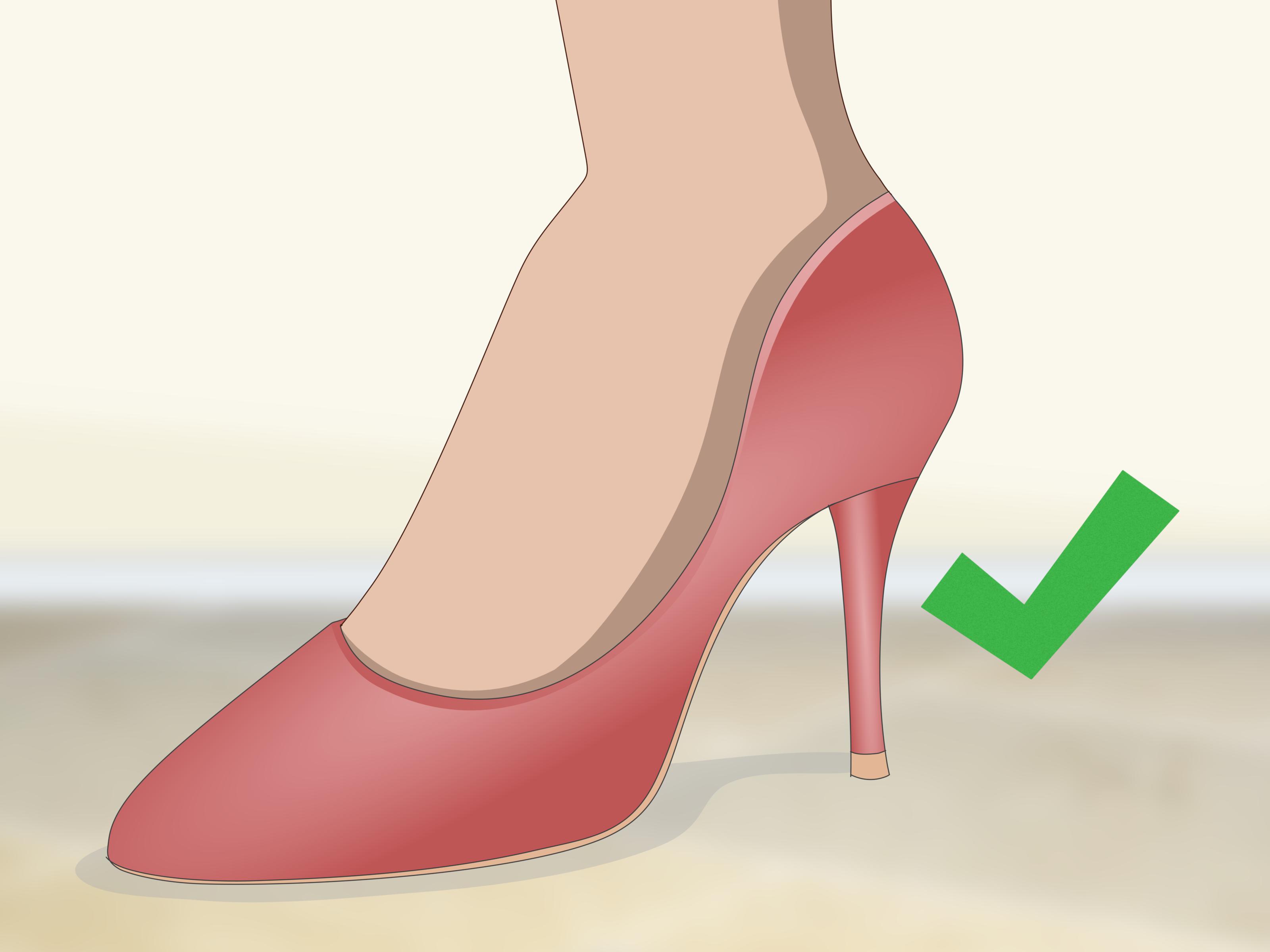
Heel height sounds like the simplest measurement in the shoe closet. Put a ruler next to the heel, read the number, and celebrate your successful career in footwear engineering. Then you meet a curved stiletto, a platform sandal, or a wedge that appears to have been designed by someone who dislikes rulers.
Knowing how to measure heel height accurately helps when shopping online, comparing shoes, planning alterations, checking dress length, or finding a replacement for a pair that feels just right. It can also explain why two shoes advertised as having the same heel height feel completely different on your feet.
The standard method is straightforward: place the shoe on a level surface and measure vertically up the back of the heel, from the floor to the point where the heel connects with the shoe. However, platforms, wedges, slanted heels, worn heel tips, and differences between shoe sizes can complicate the result. This guide covers each situation without requiring a geometry degreeor a tiny architect living in your shoe cabinet.
What Is Heel Height?
Heel height is the vertical distance between the ground and the point at the rear of a shoe where the heel joins the shoe body. It describes the total elevation beneath the wearer’s heel, not necessarily the actual angle experienced by the foot.
That distinction becomes important with platform shoes. A sandal may have a 5-inch heel, but if it also has a 2-inch platform beneath the front of the foot, the practical rise from toe to heel is closer to 3 inches. The shoe still adds approximately 5 inches at the rear, but the foot is not pitched forward as sharply as it would be in a traditional 5-inch pump.
Major footwear sellers also note that product measurements can vary by shoe size. A heel measured on a women’s size 7 may be slightly shorter than the heel on a size 10 because manufacturers often scale components to keep the shoe proportional. That is why online listings sometimes identify the sample size used for the published measurement.
What You Need to Measure Heel Height
You do not need specialized equipment. Gather the following:
- A rigid ruler for straight, stable measurements
- A flexible measuring tape for curved or awkward shoe shapes
- A hard, level surface such as a table, tile floor, or countertop
- A pencil and paper or a phone for recording the result
- A small carpenter’s square or hardcover book, if you want extra precision
A rigid ruler is usually the best choice because a soft tape can bend along the heel and accidentally measure the curve rather than the vertical height. Use a tape measure only when the shoe shape makes a ruler difficult to position.
How to Measure Heel Height Step by Step
Step 1: Place the Shoe on a Flat, Hard Surface
Set the shoe upright in its normal standing position. The heel tip and front outsole should rest naturally on the surface. Avoid thick carpet, bedding, or an uneven floor because the heel may sink or tilt.
Do not hold the shoe in the air while measuring. Even a slight angle can add or subtract several millimeters, especially on a narrow stiletto.
Step 2: Find the Rear Center of the Heel
Look at the back of the shoe and identify the center line of the heel. This is generally where retailers and manufacturers take the measurement.
On a pump, measure near the center of the back seam. On a sandal, use the point directly below the center of the heel cup. For a boot, measure the heel separately from the shaft. The shaft is the material rising above the foot; it is not part of heel height.
Step 3: Start at the Ground
Position the ruler beside the back of the heel with the zero mark touching the same surface on which the shoe is standing. The measurement begins at ground level, including the heel tip or top lift.
If the heel tip is worn down unevenly, note that the shoe’s current heel height may be slightly lower than its original factory measurement. A badly worn tip can also make the shoe lean, so repair it before making comparisons that need to be exact.
Step 4: Measure Vertically to the Heel Connection
Read the ruler at the point where the heel connects with the shoe’s upper or rear sole structure. Keep the ruler straight up and down rather than following the heel’s angle.
This vertical method is the standard consumer approach recommended in footwear guidance: measure from where the heel meets the ground to where it joins the shoe.
For a slanted or curved heel, do not run the tape along the outer surface. Measuring along a diagonal makes the heel seem taller, much as measuring a hill along its slope produces a greater distance than measuring its vertical elevation.
Step 5: Record the Measurement
Write down the result in inches and centimeters when possible. International brands frequently use millimeters or centimeters, while U.S. product listings usually use inches.
Use these formulas for conversion:
- Inches to centimeters: inches × 2.54
- Centimeters to inches: centimeters ÷ 2.54
- Millimeters to centimeters: millimeters ÷ 10
For example, a 3-inch heel measures 7.62 centimeters, while an 85-millimeter heel measures 8.5 centimeters, or approximately 3.35 inches.
Heel Height Conversion Chart
| Heel Height in Inches | Heel Height in Centimeters | Common Description |
|---|---|---|
| 0.5 inch | 1.27 cm | Very low heel |
| 1 inch | 2.54 cm | Low heel |
| 1.5 inches | 3.81 cm | Kitten or low heel |
| 2 inches | 5.08 cm | Low-to-mid heel |
| 2.5 inches | 6.35 cm | Mid heel |
| 3 inches | 7.62 cm | Mid-to-high heel |
| 3.5 inches | 8.89 cm | High heel |
| 4 inches | 10.16 cm | High heel |
| 4.5 inches | 11.43 cm | Very high heel |
| 5 inches | 12.70 cm | Ultra-high heel |
These labels are general rather than universal. One retailer may call a 3-inch heel “mid,” while another places it in a high-heel category. For accurate comparison, trust the numerical measurement more than the marketing label. Retail shopping categories commonly place low heels around 1 to 2 inches, mid heels around 2 to 3 inches, and high heels around 3 to 4 inches.
How to Measure Different Types of Heels
Stiletto Heels
Place the stiletto on a hard surface and measure vertically at the center back. Do not measure along the narrow heel shaft if it angles inward or outward.
Because a stiletto tip is small, confirm that the shoe is standing naturally. A few degrees of tilt can change the reading. A hardcover book held upright beside the shoe can act as a vertical guide.
Block Heels
Measure a block heel at the rear center from the floor to the point where the heel joins the shoe. Do not measure at the front edge of the block, where the connection may sit lower or higher.
The width of a block heel may improve stability, but it does not reduce the measured height. A 3-inch block heel and a 3-inch stiletto have the same nominal height, even though they may feel very different while walking.
Kitten Heels
Kitten heels are typically low and slender. Measure them exactly as you would measure a stiletto: vertically from the floor to the rear heel connection. Their curved shape makes it especially important not to follow the contour with a flexible tape.
Wedge Heels
A wedge does not have a separate heel post, but the measurement method remains similar. Measure vertically at the center back from the ground to the point where the rear sole meets the upper.
Then measure the thickness of the wedge beneath the ball of the foot. Subtracting the front thickness from the rear height gives a useful estimate of the shoe’s effective rise.
Platform Heels
Platform shoes require two measurements:
- Measure the total rear heel height.
- Measure the platform beneath the front of the foot.
Use this simple calculation:
Effective heel rise = rear heel height − front platform height
Suppose a sandal has a 4.9-inch rear heel and a 1.6-inch front platform. Its approximate effective rise is 3.3 inches. Retail listings often publish heel and platform measurements separately for exactly this reason.
This subtraction is a practical shopping estimate, not a perfect biomechanical measurement. Cushioning, footbed curves, toe spring, and the location of the platform can all affect the actual angle of the foot.
Boot Heels
Measure the heel of a boot at the rear, just as you would measure a pump. Do not include the boot shaft.
Heel height and shaft height describe different parts of the boot. Shaft height generally refers to the distance from the bottom of the foot areaexcluding the heelto the top of the boot. Product pages may also list calf circumference and opening measurements separately.
Hidden Heels and Internal Wedges
Some sneakers, boots, and fashion shoes contain an internal wedge that is not visible from the outside. An exterior ruler cannot measure the full lift accurately.
Check the manufacturer’s specifications or compare the internal heel bed with the forefoot bed. If the insole is removable, you may be able to measure the thickness difference, but avoid dismantling glued components merely to satisfy your curiosity. The shoe will not appreciate the forensic investigation.
Heel Height Versus Effective Heel Height
The number printed on a product page usually describes the shoe’s total rear heel height. It does not always tell you how steep the shoe feels.
Consider these examples:
- A 4-inch pump with no platform has an effective rise of about 4 inches.
- A 4-inch sandal with a 1-inch platform has an effective rise of about 3 inches.
- A 5-inch platform shoe with a 2-inch front platform also has an effective rise of about 3 inches.
The last two pairs may produce a similar approximate rise despite having different total heights. However, comfort can still differ because of arch shape, toe-box width, cushioning, heel placement, sole flexibility, and how securely the shoe holds the foot.
Heel pitch matters as well. Two shoes with matching heel heights can place the foot at different angles depending on the distance between the forefoot and heel, the shape of the last, and the position of the heel beneath the body. A greater distance and a more gradual slope may feel less severe than a short, sharply pitched design.
Common Heel-Measuring Mistakes
Measuring Along a Slanted Heel
Following the heel’s diagonal surface produces a longer number than measuring vertically. Always measure straight upward from the floor.
Starting Above the Heel Tip
The heel tip is part of the heel’s total height. Start at ground level rather than at the top of the rubber or plastic tip.
Measuring on Carpet
Soft flooring allows the heel to sink and can tilt the shoe. Use tile, wood, stone, or a firm tabletop.
Ignoring a Platform
A platform does not change the total heel measurement, but it changes the approximate rise experienced by the foot. Record both measurements when comparing comfort.
Confusing Boot Shaft Height With Heel Height
The shaft begins above the foot and extends toward the ankle, calf, knee, or thigh. Measure it separately and follow the retailer’s stated convention.
Comparing Different Shoe Sizes
A manufacturer may scale heel height slightly between sizes. Compare the same size whenever possible, and check which sample size was used for an online product listing.
Rounding Too Aggressively
A quarter-inch difference may feel noticeable. Record measurements to the nearest one-eighth or one-quarter inch rather than rounding every result to the nearest whole inch.
How Heel Height Can Affect Comfort
Heel height is not the only factor that determines comfort, but it influences how weight is distributed across the foot. As the heel rises, more pressure may shift toward the forefoot. Medical guidance identifies high heels and poorly fitting shoes as contributors to metatarsalgia, a painful condition affecting the ball of the foot.
Toe-box shape also matters. A broad, stable heel does not automatically make a shoe comfortable if the toes are crowded into a narrow point. Likewise, a lower heel may still cause trouble if the shoe slips, lacks cushioning, or presses against the back of the heel.
For longer wear, many people do better with a lower rise, secure straps, adequate toe room, cushioning, and a heel positioned beneath the body rather than far behind it. Orthopedic and foot-health guidance generally recommends supportive, well-fitting shoes and cautions that higher heels place greater stress on the front of the foot.
Persistent heel pain, burning in the ball of the foot, numbness, swelling, or difficulty walking should not be dismissed as the normal admission price for fashionable shoes. Change footwear and seek professional medical advice when symptoms continue or interfere with daily activity.
How to Use Heel Measurements When Shopping Online
Begin by measuring a pair you already own and enjoy wearing. Record the following information:
- Total heel height
- Front platform height, if present
- Approximate effective rise
- Heel type, such as block, wedge, or stiletto
- Toe-box shape
- Your shoe size in that brand
- How long you can comfortably wear the pair
Use this record as a personal reference rather than relying on generic claims that a certain height is comfortable for everyone. Foot shape, arch height, ankle mobility, experience wearing heels, and the shoe’s construction all influence the result.
When reading a product description, look for both heel and platform measurements. Confirm the sample size used, read fit comments, and check whether the heel is measured approximately. Photographs can help you judge the pitch, but perspective and image scaling make them unreliable for exact measurement.
Real-World Experiences When Measuring Heel Height
The first surprise most people encounter is that the number in their head is often not the number on the ruler. A pump remembered as a modest 2-inch office heel may measure closer to 2.75 inches. Meanwhile, a dramatic platform sandal that looks ready to headline a concert may have a manageable effective rise because much of its visible height sits beneath the forefoot.
One useful real-world exercise is to measure three pairs that feel noticeably different: a comfortable everyday heel, a pair that becomes tiring after an hour, and a pair that lives in the closet because wearing it requires strategic planning. Record the total heel height and platform height, then compare the results. Frequently, the difference is not simply “higher equals worse.” The tiring shoe may have a sharper pitch, a narrow toe box, poor cushioning, or a heel positioned too far behind the foot.
Platforms create the biggest optical illusion. Imagine comparing a classic 3.5-inch pump with a 4.5-inch platform sandal. The sandal appears much taller, yet a 1.5-inch front platform reduces its approximate effective rise to 3 inches. During a short indoor test, the platform may feel less steep. Outside, however, the thick sole may be less flexible, and the added height can make uneven pavement more adventurous than planned. Measurement explains part of the experience, but not all of it.
Worn shoes offer another lesson. A favorite pair may measure slightly shorter than the product description because the heel tips have compressed or worn down. Sometimes one heel is more worn than the other, causing the shoe to lean. Measuring both shoes can reveal an imbalance that was not obvious while looking at them in the closet. A cobbler can often replace worn heel tips before the heel structure itself is damaged.
Boots introduce a different kind of confusion. Shoppers frequently compare a listed 3-inch heel with a 15-inch shaft and accidentally imagine an 18-inch measurement. In reality, the heel and shaft are usually reported separately. Measuring the boot at home clarifies where each dimension begins and helps predict whether the shaft will reach the ankle, mid-calf, or knee.
Online shopping also becomes easier after creating a personal heel profile. Suppose a 2.5-inch block heel with no platform is comfortable for a full workday, while a 3.5-inch pump works only for dinner. Those observations are more useful than a universal chart. When a new shoe lists a 4-inch heel and a 1-inch platform, the approximate 3-inch effective rise places it between the two familiar pairs. You still need to consider width and support, but the purchase is no longer a complete guess.
Measuring in both inches and centimeters prevents another common headache. Many European-style product names include numbers such as 55, 70, or 85, which may correspond to heel height in millimeters. An 85-millimeter heel is approximately 3.35 inches, not 8.5 inchesunless the shoe was designed for a circus performer.
The most practical experience is to combine measurement with a controlled wear test. Try the shoes indoors on a clean, hard surface. Walk normally, turn, stand for several minutes, and notice whether your foot slides forward. A technically suitable heel height cannot rescue a poor fit. Conversely, a slightly higher shoe may feel secure when it has a stable base, balanced pitch, supportive straps, and enough room for the toes.
Over time, these measurements create a reliable map of your preferences. You may discover that total heel height matters less than effective rise, or that you strongly prefer block heels below 3 inches. You may also learn that certain brands scale their heels differently across sizes. The goal is not to chase one perfect number; it is to understand which combination of height, pitch, fit, and construction works for your feet and your plans.
Frequently Asked Questions
Do You Measure a Heel From the Front or Back?
Measure at the center back of the heel. The front edge may sit at a different height and is not the standard reference point.
Does Heel Height Include the Heel Tip?
Yes. Begin at the ground, so the rubber or plastic heel tip is included in the total measurement.
Do Platforms Count as Heel Height?
The rear platform or heel counts toward total heel height. Measure the front platform separately and subtract it when estimating effective rise.
Why Does the Same Heel Height Feel Different in Two Shoes?
The shoes may have different platform thicknesses, pitches, toe-box shapes, cushioning, heel placement, sole flexibility, or overall fit. Nominal heel height tells only part of the story.
Can Heel Height Change With Shoe Size?
Yes. Manufacturers may scale the heel with the shoe, which is why product measurements are often based on a specified sample size and described as approximate.
What Is the Best Heel Height?
There is no single ideal height for everyone. The best choice depends on foot shape, fit, activity, walking surface, duration of wear, and personal comfort. Use a comfortable pair you already own as your benchmark.
Conclusion
To measure heel height correctly, place the shoe on a firm, level surface and measure vertically at the center back from the ground to the point where the heel connects with the shoe. Keep the ruler upright, include the heel tip, and avoid following a slanted or curved heel.
For platforms and wedges, record both the rear height and front platform thickness. Subtracting the front platform from the rear measurement provides a useful estimate of effective heel rise. For boots, keep heel height separate from shaft height, calf circumference, and opening measurements.
Most importantly, treat heel height as one part of the fit equation. A numerical match does not guarantee equal comfort. Pitch, toe room, stability, cushioning, shoe size, and heel placement can turn two apparently identical measurements into completely different walking experiences.