Bananas are the drama queens of the fruit bowl. One day they are bright, cheerful, and ready for breakfast. The next day they look like they survived a tropical storm and are auditioning for banana bread. If you have ever bought a beautiful bunch on Monday and found brown, mushy bananas by Thursday, you are not alone.
The good news is that bananas are not impossible to manage. They simply need the right storage conditions. Bananas continue to ripen after harvest, and that ripening is strongly influenced by ethylene gas, temperature, moisture, airflow, and bruising. In plain English: where you put bananas matters, what you put near them matters, and how you handle them matters too.
This guide explains how to make bananas last longer using 11 simple tricks that actually make sense in a real kitchen. No laboratory coat required. No expensive fruit gadgets required. Just smarter storage, better timing, and a few easy habits that can help you enjoy perfectly ripe bananas instead of racing against the brown spots.
Why Bananas Ripen So Quickly
Before we start bossing your bananas around, it helps to understand why they ripen so fast. Bananas are climacteric fruits, which means they keep ripening after they are picked. As they ripen, they release ethylene gas, a natural plant hormone that tells the fruit to soften, sweeten, and change color.
That is why a green banana slowly turns yellow, then develops brown speckles, then becomes soft and sweet. The process is normal. The problem is that warm temperatures, trapped moisture, poor airflow, pressure, and nearby ethylene-producing fruits can make the process move faster than your breakfast plans.
The goal is not to stop ripening completely. That would be like asking a teenager to stop texting. The goal is to slow ripening at the right stage so your bananas stay useful for more days.
How to Make Bananas Last Longer: 11 Simple Tricks
1. Buy Bananas Based on Your Eating Schedule
The best banana storage trick starts at the store. If you plan to eat bananas today or tomorrow, choose yellow bananas with a few light freckles. If you want them to last most of the week, choose bananas that are still slightly green at the tips. If you are buying for smoothies or baking, a few ripe bananas are fine, but do not buy a whole bunch that is already covered in brown spots unless banana bread is on the menu immediately.
A smart strategy is to buy a mixed bunch or separate bunches at different ripeness levels. For example, pick three yellow bananas for early in the week and three greenish bananas for later. This creates a natural banana schedule, which sounds oddly formal but works beautifully.
2. Remove Bananas from Plastic Bags Right Away
If your bananas come home in a plastic produce bag, take them out as soon as you get to the kitchen. Plastic traps moisture and ethylene gas around the fruit. That enclosed environment can speed up ripening and encourage soft spots.
Bananas prefer airflow. Think of them as tiny tropical celebrities who need personal space. Set them on the counter in open air rather than keeping them sealed in a bag. This simple move can help reduce trapped humidity and slow down the march toward mushiness.
3. Store Bananas in a Cool, Dry Place
Bananas do best at room temperature while they are still ripening, but not all room-temperature spots are equal. A cool, dry area away from sunlight is better than a warm counter beside the stove, toaster, oven, dishwasher, or sunny window.
Heat speeds up ripening. Direct sunlight can also warm the fruit and make the peel darken faster. A shaded counter, pantry shelf, or cool corner of the kitchen is usually a better home. If your kitchen runs warm, especially in summer, move bananas to the coolest dry spot you have.
4. Hang Bananas Instead of Letting Them Sit Flat
One of the easiest ways to make bananas last longer is to hang them on a banana hook or stand. When bananas rest on the counter, their own weight can create pressure points. Those pressure points turn into bruises, and bruises become soft brown patches.
Hanging bananas improves airflow and keeps the fruit from pressing against a hard surface. It also helps each banana ripen more evenly. If you do not have a banana hanger, you can improvise by placing the bunch carefully on a soft towel, but hanging is cleaner, neater, and slightly more elegant. Your bananas may not appreciate the interior design upgrade, but your grocery budget will.
5. Keep Bananas Away from Other Ethylene-Producing Fruits
Bananas release ethylene gas, but they are not alone. Apples, avocados, pears, peaches, tomatoes, cantaloupes, and some other fruits also produce ethylene. When these fruits sit together in a crowded fruit bowl, they can encourage each other to ripen faster.
If you want bananas to last longer, give them their own space. Do not store them directly beside apples or ripe avocados unless you are trying to speed things up. This is especially important if your bananas are already yellow. At that stage, a nearby apple can act like a tiny ripening coach shouting, “Go faster!”
6. Wrap the Banana Stems
Wrapping banana stems with plastic wrap, foil, or a reusable beeswax wrap may help slow ethylene release from the crown of the bunch. The stem area is one place where gas escapes, so covering it can slightly slow ripening.
For better results, separate the bananas and wrap each individual stem instead of wrapping the whole bunch together. This takes a little more effort, but it can reduce the shared ripening effect. It is not magic, and it will not keep bananas yellow forever, but it can buy extra time.
Use this trick when your bananas are close to perfect ripeness and you want to keep them there a little longer. It is especially useful for families where one person eats bananas daily and everyone else simply watches them turn brown.
7. Separate the Bunch When Bananas Start Ripening
Keeping bananas together is convenient, but once they begin to ripen, separating them can help slow the chain reaction. A bunch of bananas grouped tightly together shares ethylene exposure. Separating them gives each banana more airflow and less contact with the others.
This method works well with stem wrapping. Break the bananas apart gently, wrap the stems, and place them with a little space between each one. It may look less charming than a perfect bunch, but it gives you more control. In banana storage, control is everything.
8. Do Not Wash Bananas Before Storing Them
Banana peels protect the fruit inside, but moisture on the outside can still encourage faster spoilage. Avoid washing bananas before storage. If you want to rinse the peel for food safety before peeling or slicing, do it right before eating or preparing the banana.
This is especially useful if you are packing bananas for kids, slicing them for a recipe, or touching the peel before handling the fruit inside. Wash under cool running water, dry the peel, and then peel or cut. Do not use soap, detergent, or produce wash on bananas. Plain running water is enough.
9. Refrigerate Bananas Only When They Are Ripe
The refrigerator is helpful, but timing matters. Do not refrigerate green bananas. Cold temperatures can interrupt proper ripening and may affect texture and flavor. Wait until the bananas are ripeyellow with a few brown frecklesthen move them to the refrigerator to slow further ripening.
Here is the catch: the peel may turn brown or even black in the fridge. Do not panic. The fruit inside often stays firm and sweet for several more days. The peel is simply reacting to the cold. It looks dramatic, but the banana is not necessarily ruined.
Refrigeration is ideal when your bananas are at the “perfect right now” stage, but you are not ready to eat them all. Put them in the fridge and use them over the next few days for oatmeal, yogurt bowls, peanut butter toast, or snacks.
10. Freeze Overripe Bananas for Smoothies and Baking
When bananas become too soft for snacking, do not throw them away. Freeze them. Overripe bananas are naturally sweet and excellent for smoothies, banana bread, muffins, pancakes, oatmeal, and homemade frozen treats.
For best results, peel bananas before freezing. You can freeze them whole, sliced, or mashed. Sliced bananas are especially convenient because you can grab just what you need for a smoothie. Place slices on a baking sheet first, freeze until firm, and then transfer them to a freezer-safe bag or container. This prevents one giant frozen banana brick, which is funny once and annoying forever.
Label the container with the date. Frozen bananas are best used within a few months for quality, though they may remain safe longer if kept frozen. For the best flavor and texture, use them before freezer burn moves in and starts redecorating.
11. Protect Cut Bananas from Air
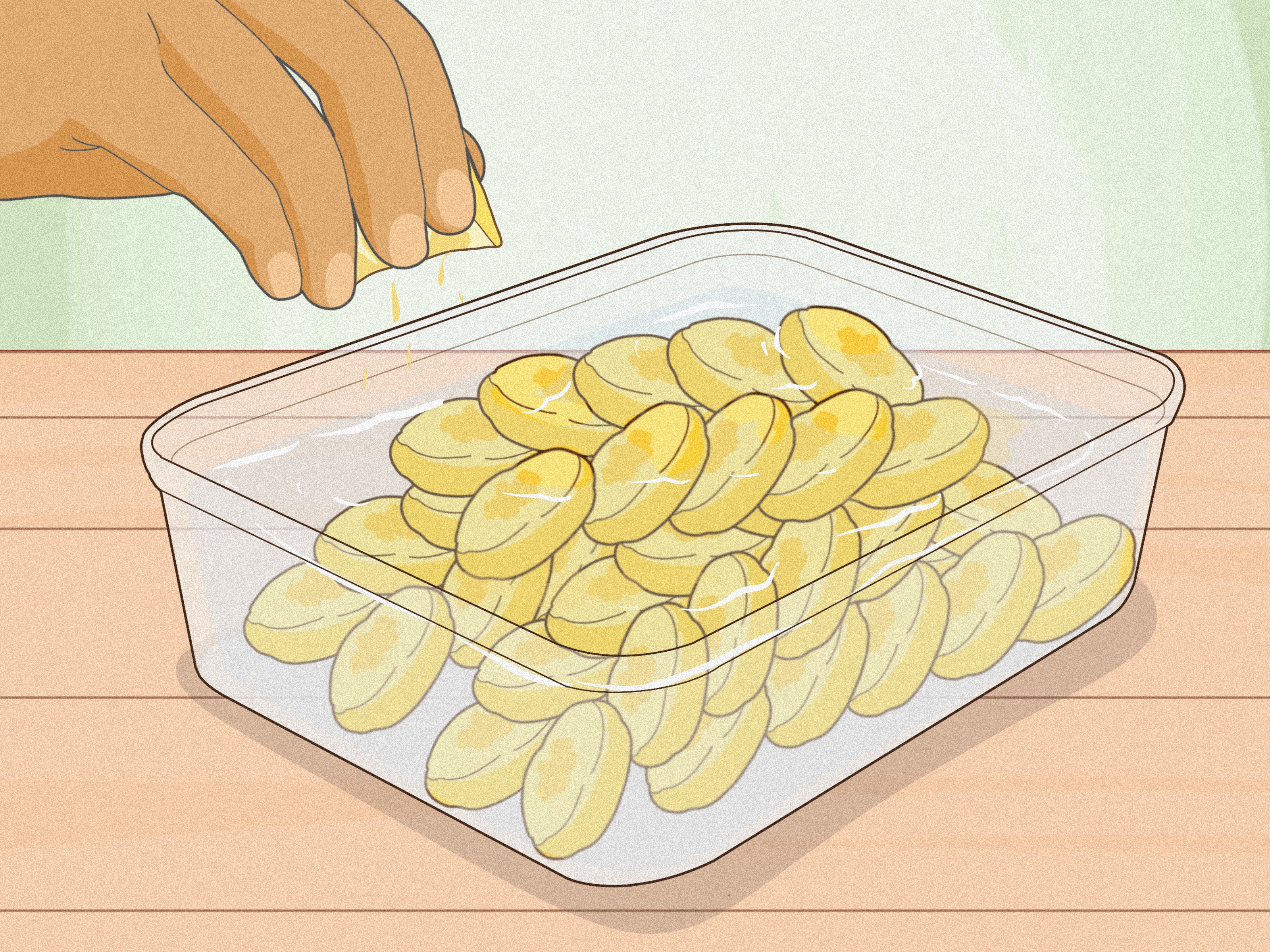
Once a banana is peeled or sliced, browning happens quickly because the fruit is exposed to oxygen. If you need to save half a banana, wrap the cut end tightly, place it in an airtight container, and refrigerate it. A small squeeze of lemon juice, orange juice, or pineapple juice can help slow browning, especially for sliced bananas used in fruit salad or lunch boxes.
Do not expect cut bananas to stay picture-perfect for days. They are best eaten within a short time. Still, airtight storage and a little citrus can help them look and taste better long enough for snacks, breakfast bowls, or packed lunches.
Common Banana Storage Mistakes to Avoid
Keeping Bananas in a Crowded Fruit Bowl
A fruit bowl looks beautiful, but it can be a ripening speedway. Apples, avocados, pears, and tomatoes can all contribute to faster ripening. Keep bananas separate if your goal is freshness.
Putting Green Bananas in the Refrigerator
Cold storage is useful only after bananas are ripe. Green bananas need room temperature to ripen properly. Refrigerating them too early can leave you with dark peels and disappointing fruit.
Leaving Bananas Near Heat
Do not store bananas near the stove, oven, toaster, air fryer, or sunny windowsill. Warmth speeds ripening and can shorten their shelf life dramatically.
Ignoring Bruises
Bananas bruise easily. Tossing them into a grocery bag under canned goods is a fast way to create soft spots. Handle bananas gently, especially when they are ripe.
How Long Do Bananas Last?
Banana shelf life depends on ripeness when purchased and storage conditions. Green bananas may last several days on the counter before turning yellow. Yellow bananas may stay good for two to four days at room temperature. Ripe bananas stored in the refrigerator may last several extra days, although the peel will darken.
Frozen bananas can last much longer and are best for recipes rather than fresh eating. The texture changes after freezing, so do not expect a thawed banana to feel like a fresh one. Expect it to be soft, sweet, and perfect for blending or baking.
Best Uses for Bananas at Every Stage
Green Bananas
Green bananas are firm and less sweet. Let them ripen at room temperature. If you want to speed them up, place them in a paper bag with an apple, but only do this when you truly want faster ripening.
Yellow Bananas
Yellow bananas are perfect for snacking, cereal, oatmeal, yogurt, and lunch boxes. This is the stage where smart storage matters most if you want to make bananas last longer.
Speckled Bananas
Brown freckles mean the banana is sweeter and softer. Use speckled bananas for smoothies, pancakes, toast, or baking. Refrigerate them if you need a few extra days.
Very Brown Bananas
Very ripe bananas are not pretty, but they are gold for banana bread, muffins, and freezer prep. As long as they do not smell fermented, leak liquid, or show mold, they may still be useful for cooking.
Food Safety Tips for Bananas
Bananas are generally easy to store, but basic food safety still matters. Wash your hands before handling food. Rinse the peel under running water before cutting through it, especially if you are slicing bananas with a knife. Dirt or bacteria on the peel can transfer to the fruit through the blade.
Do not eat bananas that show mold, have a sour or fermented smell, are leaking liquid, or feel unusually slimy. Brown spots are normal ripening. Mold and strange odors are not. When in doubt, throw it out. A banana is cheaper than a stomachache with a dramatic soundtrack.
Real-Life Experience: What Actually Works in a Busy Kitchen
After dealing with many bunches of bananas in ordinary kitchens, one thing becomes clear: the best method is not one single trick. It is a routine. Bananas last longer when you combine several small habits instead of relying on one miracle hack from the internet.
The most practical routine starts at the store. Buying bananas at mixed ripeness levels makes a huge difference. A bunch that is already fully yellow may look attractive, but it creates pressure. Suddenly everyone in the house has three days to become a professional banana eater. Choosing a few green bananas gives you breathing room.
At home, the first step is removing the plastic bag. This seems too simple to matter, but it does. Bananas left in a bag often become damp and soft faster, especially in a warm kitchen. Once they are out in the open, they tend to ripen more evenly.
Hanging bananas is another habit that works well in real life. It keeps them visible, reduces bruising, and makes the kitchen look slightly more organized than it actually is. A banana hook does not need to be fancy. Even a basic stand can help keep the fruit from resting on the counter and developing soft pressure marks.
Separating bananas once they turn yellow is useful if your household eats them slowly. For example, if you buy six bananas and only eat one a day, break them apart when they are close to ripe. Wrap the stems if you have time. If you do not have time, simply spacing them out still helps. The goal is to reduce crowding and slow the “everyone ripen together” effect.
The refrigerator is the rescue plan. Once bananas reach your favorite ripeness, move some to the fridge. Yes, the peels will darken. This bothers people at first because refrigerated bananas can look worse even when the fruit inside is better preserved. The trick is to judge by the inside, not the peel. A blackened peel does not automatically mean a bad banana.
Freezing is the final safety net. In a busy week, bananas can go from snack-ready to banana-bread-only very quickly. Instead of feeling guilty, peel them, slice them, and freeze them. Frozen banana slices make smoothies creamy without needing ice cream. They also work well in oatmeal, muffins, quick breads, and blended “nice cream.”
One experience-based tip: create a small freezer container labeled “smoothie bananas.” Every time a banana becomes too ripe, add peeled slices to that container. This turns potential waste into an ingredient. It also prevents the sad countertop situation where everyone sees the overripe banana but silently hopes someone else will deal with it.
For lunch boxes, whole bananas travel better when they are slightly underripe. Fully ripe bananas bruise easily in backpacks, gym bags, and office totes. If you need to pack one, choose a firmer banana or use a protective container. Otherwise, your banana may arrive looking like it lost a wrestling match with a laptop charger.
The biggest lesson is that bananas need timing. Keep them warm enough to ripen, cool enough to slow down, dry enough to avoid spoilage, and protected enough to prevent bruising. Once you understand that rhythm, bananas become much easier to manage.
Conclusion
Learning how to make bananas last longer is really about working with the fruit instead of against it. Bananas naturally ripen after harvest, but you can slow the process by choosing the right ripeness, storing them in a cool and dry place, keeping them out of plastic bags, hanging them, separating them from other fruits, wrapping the stems, refrigerating them at the right time, and freezing overripe bananas before they go to waste.
The best part is that these tricks are simple. You do not need special equipment, complicated storage systems, or a fruit bowl with a PhD. A little airflow, a little distance from apples, and a little freezer planning can stretch your banana supply and save money. Most importantly, it helps you enjoy bananas at their best stage, whether that means firm and snackable, sweet and speckled, or soft and ready for banana bread.
Note: This article is original, web-ready content synthesized from current produce storage, food safety, and banana handling guidance. Key research points include ethylene-driven ripening, avoiding trapped moisture, separating ethylene-producing fruits, refrigerating only ripe bananas, and freezing overripe bananas for later use.