A Tom Collins is what happens when lemonade puts on a clean shirt, orders good gin, and suddenly becomes the most charming person at the party. Bright, fizzy, lightly sweet, and refreshingly simple, this classic gin cocktail has survived more than a century because it does exactly what a great drink should do: it tastes delicious without demanding a small chemistry degree.
If you can squeeze a lemon, measure a little gin, and open a bottle of club soda without spraying the ceiling like a sitcom character, you can make a Tom Collins. The drink is built on a simple formula: gin, fresh lemon juice, sugar, soda water, and ice. That is it. No smoke machine. No rare Alpine liqueur. No garnish that requires tweezers and emotional support.
Still, simple does not mean careless. The difference between a flat, sour, forgettable Tom Collins and a crisp, sparkling, bar-quality Tom Collins comes down to balance, temperature, bubbles, and fresh ingredients. This guide walks you through the classic Tom Collins recipe, the best gin to use, how to adjust sweetness, common mistakes, serving tips, variations, and real-world experience for getting the drink just right at home.
What Is a Tom Collins?
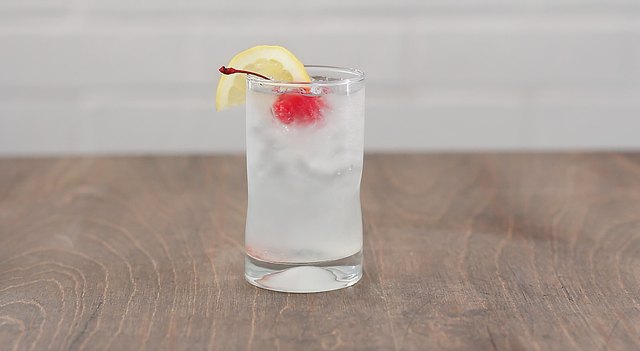
A Tom Collins is a classic gin highball made with gin, fresh lemon juice, simple syrup, club soda, and ice. It is usually served in a tall Collins glass or highball glass and garnished with a lemon wheel and, often, a maraschino cherry. Think of it as a sparkling gin lemonade with manners.
The cocktail belongs to the Collins family, a group of drinks that combine a base spirit, citrus, sweetener, and carbonated water. The Tom Collins is the gin-based star of the group. It is related to the John Collins, Gin Fizz, and Gin Rickey, but each drink has its own personality. A Gin Rickey usually skips the sugar and uses lime. A Gin Fizz is shaken and often served without ice. A Tom Collins is taller, icier, lemony, and pleasantly bubbly.
The name is tied to the use of Old Tom gin, a slightly sweeter style of gin that was popular in the 19th century. Today, many recipes use London Dry gin because it is widely available and gives the drink a clean, crisp backbone. Old Tom gin, however, is still a wonderful choice if you want a rounder, softer, slightly vintage flavor.
Classic Tom Collins Ingredients
The beauty of a Tom Collins recipe is that you need only a few ingredients. Because there are so few, each one matters. This is not the cocktail for dusty bottled lemon juice hiding in the refrigerator door since last Thanksgiving. Fresh lemon juice is the difference between “refreshing classic” and “sad airport lemonade.”
Ingredients for One Tom Collins
- 2 ounces gin
- 1 ounce fresh lemon juice
- 1/2 to 3/4 ounce simple syrup
- 3 to 4 ounces chilled club soda, or enough to top
- Ice
- Lemon wheel or lemon slice, for garnish
- Maraschino cherry, optional but cheerful
This ratio gives you a balanced, classic cocktail: bright lemon, firm gin character, enough sweetness to smooth the edges, and plenty of fizz. If you prefer a drier Tom Collins, start with 1/2 ounce simple syrup. If you like it softer and more lemonade-like, use 3/4 ounce. If you are making the drink for someone who says, “I do not like gin,” use 3/4 ounce syrup and a mellow gin. Then smile knowingly.
How to Make a Tom Collins Step by Step
There are two common ways to make a Tom Collins: build it directly in the glass or shake the gin, lemon, and syrup first, then top with soda. Both methods can work. Building in the glass is fast and traditional. Shaking gives the citrus and syrup a more integrated texture and chills the base quickly. The key is never to shake the club soda unless you enjoy wearing your cocktail.
Method 1: Build It in the Glass
- Fill a Collins glass or highball glass with ice.
- Add 2 ounces gin.
- Add 1 ounce fresh lemon juice.
- Add 1/2 to 3/4 ounce simple syrup.
- Stir gently for a few seconds to combine and chill.
- Top with chilled club soda.
- Give the drink one gentle lift with a bar spoon to mix without killing the bubbles.
- Garnish with a lemon wheel and a cherry.
Method 2: Shake, Then Top
- Add gin, lemon juice, and simple syrup to a cocktail shaker.
- Fill the shaker with ice.
- Shake for 8 to 10 seconds, just until cold.
- Strain into an ice-filled Collins glass.
- Top with chilled club soda.
- Stir once, gently.
- Garnish and serve immediately.
For beginners, the shaken version is forgiving because it blends the lemon and syrup thoroughly. For casual hosting, the built version is fast, tidy, and wonderfully low drama. Either way, serve the drink right away. A Tom Collins waits for no one. Bubbles are tiny, sparkly divas.
Choosing the Best Gin for a Tom Collins
The best gin for a Tom Collins depends on the style you want. London Dry gin creates the crisp, classic version most people recognize. It brings juniper, citrus peel, herbs, and a dry finish that balances the lemon and sugar. This is the reliable choice for a clean and refreshing cocktail.
Old Tom gin gives the drink a more historical feel. It is often slightly sweeter, rounder, and less sharply dry than London Dry gin. If London Dry is a neatly pressed white shirt, Old Tom is the same shirt with the sleeves rolled up and a mischievous grin.
Modern botanical gins can also work beautifully. A cucumber-forward gin makes a garden-fresh Tom Collins. A floral gin makes the drink softer and more aromatic. A citrus-heavy gin doubles down on the lemony brightness. Just avoid using an extremely delicate or expensive gin if you cannot taste it through citrus and soda. Save that bottle for a martini, where it can stand on stage alone.
Fresh Lemon Juice Is Non-Negotiable
A Tom Collins rises or falls on lemon juice. Freshly squeezed lemon juice tastes lively, aromatic, and clean. Bottled lemon juice tends to taste flat, metallic, or overly sharp. In a drink this simple, there is nowhere for tired citrus to hide.
One medium lemon usually gives about 1 ounce of juice, which is perfect for one Tom Collins. Roll the lemon on the counter before cutting it to loosen the juice. If the lemon feels hard or dry, microwave it for a few seconds or choose another lemon. Your cocktail deserves a lemon with enthusiasm.
If your lemon is extremely tart, use a little more syrup. If it is sweeter and fragrant, you can reduce the syrup slightly. Great cocktail making is not just following numbers; it is tasting and adjusting. Recipes are maps, not handcuffs.
Simple Syrup: The Sweetness That Keeps the Peace
Simple syrup is sugar dissolved in water. It blends easily into cold drinks, unlike granulated sugar, which may sulk at the bottom of the glass like wet sand. For a standard simple syrup, combine equal parts sugar and water, heat or stir until dissolved, cool, and refrigerate.
Basic Simple Syrup Recipe
- 1 cup granulated sugar
- 1 cup water
Warm the sugar and water in a small saucepan over low heat, stirring until clear. Do not boil it aggressively. This is syrup, not a courtroom drama. Cool it completely, then store it in a clean jar in the refrigerator. It usually keeps for about two weeks.
You can also make rich simple syrup with two parts sugar to one part water. Rich syrup is thicker and sweeter, so use less of it. For a Tom Collins, 1/2 ounce rich syrup can often replace 3/4 ounce standard syrup.
Club Soda, Sparkling Water, or Seltzer?
Club soda is the traditional choice for a Tom Collins because it has lively carbonation and often contains minerals that add a subtle crispness. Seltzer also works well and has a cleaner, more neutral taste. Sparkling mineral water can be excellent if it is highly carbonated and not too salty.
The most important rule is to use chilled carbonated water. Warm soda goes flat quickly and melts the ice faster, turning your Tom Collins into lemony gin puddle. Open the bottle or can right before mixing whenever possible. The fresher the fizz, the better the drink.
Small bottles or cans are ideal for home cocktails because they hold carbonation better than a large bottle opened three days ago. If the soda sighs instead of hisses when you open it, it is not ready for cocktail glory.
The Right Glass and Ice
A Collins glass is tall, narrow, and designed for long drinks served over ice with soda. A highball glass is a perfectly acceptable substitute. The tall shape keeps the drink cold and helps preserve carbonation. It also makes the cocktail look elegant, which is useful when you want your guests to think you have your life together.
Use plenty of ice. A full glass of ice keeps the drink colder and slows dilution. This may sound backwards, but more ice usually means less watery cocktail because the liquid chills quickly and the cubes melt more slowly. Large, solid cubes are best. Tiny half-melted freezer rubble is better saved for cooling a sprained ankle.
Tom Collins vs. John Collins
The Tom Collins and John Collins are very similar, and the names have often been tangled throughout cocktail history. In many modern references, the distinction is that a Tom Collins uses Old Tom gin, while a John Collins uses London Dry gin or another gin style. In everyday bars, however, many people order a Tom Collins and receive a London Dry gin version.
The practical takeaway is simple: do not panic over the name. If you want the most historically flavored version, use Old Tom gin. If you want the crisp modern classic, use London Dry gin. If you want to start an argument with cocktail historians, bring both bottles to a party and whisper, “So which one is correct?” Then back away slowly.
Common Tom Collins Mistakes
Using Bottled Lemon Juice
Bottled lemon juice is convenient, but it rarely tastes fresh enough for this cocktail. Since lemon is one of the main flavors, squeeze it fresh.
Adding Too Much Soda
Club soda should lengthen the drink, not erase it. Start with 3 ounces, taste, and add more if needed. Too much soda makes the drink taste thin.
Forgetting to Chill the Soda
Warm soda melts ice and loses fizz fast. Keep it cold until the final moment.
Over-Stirring After Adding Soda
Once the soda is in the glass, stir gently. Think of it as tucking in the bubbles, not wrestling them into submission.
Making It Too Sweet
A Tom Collins should be refreshing, not syrupy. Start with less simple syrup if you are unsure. You can always add more.
Easy Tom Collins Variations
Once you know the classic Tom Collins cocktail recipe, variations are easy. The basic structure is flexible: spirit, citrus, sweetener, soda. Keep the balance intact and you can create a whole menu of Collins-style drinks.
Vodka Collins
Replace gin with vodka for a cleaner, lighter drink. It loses the botanical character of gin but becomes very approachable for guests who prefer neutral spirits.
Elderflower Tom Collins
Replace part of the simple syrup with elderflower liqueur. The result is floral, elegant, and ideal for spring gatherings.
Cucumber Tom Collins
Muddle a few cucumber slices with the lemon and syrup before adding gin. Strain well and top with soda. This version tastes like a spa day that learned how to have fun.
Basil or Mint Tom Collins
Add a few fresh basil or mint leaves to the shaker with the gin, lemon, and syrup. Shake gently and strain. Herbs add aroma without making the drink complicated.
Berry Tom Collins
Muddle raspberries, blackberries, or strawberries with the lemon juice and syrup. Shake with gin, strain over ice, and top with soda. This variation is colorful, bright, and suspiciously easy to finish.
How to Batch Tom Collins for a Party
A Tom Collins is a great party cocktail because the base can be prepared ahead of time. The trick is to batch the gin, lemon juice, and syrup, but add club soda only when serving. Never batch the soda hours in advance unless your theme is “flat disappointment.”
Tom Collins Pitcher Base for 8 Drinks
- 2 cups gin
- 1 cup fresh lemon juice
- 1/2 to 3/4 cup simple syrup
- Chilled club soda, for topping each glass
- Lemon wheels and cherries, for garnish
Stir the gin, lemon juice, and simple syrup together in a pitcher and refrigerate until cold. When guests arrive, fill glasses with ice, pour about 3 ounces of the base into each glass, top with chilled club soda, stir gently, and garnish.
For a self-serve Tom Collins bar, set out the chilled base, club soda, ice, lemon wheels, cherries, cucumber slices, berries, and herbs. Guests can customize their own drinks, which makes hosting easier and gives everyone something to do besides stand in the kitchen asking if they can help.
What to Serve with a Tom Collins
Because a Tom Collins is citrusy, bubbly, and not too heavy, it pairs well with warm-weather food. It is excellent with grilled chicken, seafood, shrimp skewers, fish tacos, lemony pasta, salty snacks, and fresh salads. The acidity cuts through richness, while the soda keeps the drink light.
For appetizers, serve it with deviled eggs, smoked salmon bites, cheese boards, olives, roasted nuts, or crispy fries. Yes, fries. A Tom Collins and a plate of hot fries can solve problems that motivational quotes cannot.
Make It Nonalcoholic
A nonalcoholic Tom Collins is easy to make and still refreshing. Replace the gin with a nonalcoholic gin alternative, or simply increase the lemon, syrup, and soda for a sparkling lemonade-style mocktail. A few drops of orange bitters can add complexity, though some bitters contain alcohol, so check the label if that matters for your guests.
Nonalcoholic Collins Formula
- 1 ounce fresh lemon juice
- 3/4 ounce simple syrup
- 4 to 5 ounces chilled club soda
- Optional: nonalcoholic gin alternative
- Lemon wheel and cherry
Build it over ice, stir gently, and serve immediately. It is bright, fizzy, and party-friendly without requiring anyone to explain why they are not drinking.
Experience Notes: What I Learned Making Tom Collins at Home
The first time many people make a Tom Collins at home, they expect it to be foolproof. It almost is. But “almost” is where the little lessons live. The biggest surprise is how much the drink changes with tiny adjustments. A quarter ounce more syrup can move it from crisp to lemonade-like. A slightly tired lemon can make it taste dull. Too much club soda can turn a confident cocktail into flavored air wearing a garnish.
One of the most useful experiences is tasting the drink before and after adding soda. The gin, lemon, and syrup mixture should taste a little strong and slightly intense before dilution. That is normal. The soda and ice will stretch it out. If the base tastes perfectly mild before the soda, the finished cocktail may taste weak. This is the cocktail version of packing a suitcase: leave room for what is coming next.
Another practical lesson is that cold ingredients matter more than fancy tools. A chilled glass, cold club soda, and solid ice do more for a Tom Collins than an expensive shaker. When the soda is icy and freshly opened, the drink feels sharp, lively, and refreshing. When the soda is warm or half-flat, even good gin cannot save the situation. It is like putting tap shoes on a sleepy turtle.
Fresh lemon juice also teaches humility. Lemons vary. Some are bright and juicy; others are harsh, dry, or weirdly shy. When making several drinks, squeeze the lemons first and taste the juice. If it is extremely tart, use the higher end of the syrup range. If it is fragrant and balanced, use less. The best Tom Collins is not made by blindly obeying a recipe; it is made by noticing what is in front of you.
For parties, batching the base is a lifesaver. Mixing gin, lemon, and syrup ahead of time keeps the host from becoming a full-time bartender with a snack table somewhere in the distance. However, the soda must be added at the last second. Guests can top their own glasses, and the drink stays fizzy. A small garnish station with lemon wheels, cherries, mint, and cucumber makes the setup feel intentional without turning your kitchen into a craft fair.
Different gins also make the drink feel surprisingly different. London Dry gin gives the classic snap. Old Tom gin makes it rounder and slightly nostalgic. A floral gin makes the cocktail softer and more fragrant. A cucumber or citrus-forward gin can make the drink feel modern and garden-party ready. The Tom Collins is simple enough to show off those differences, but forgiving enough that the experiment usually ends well.
The final lesson is to serve the drink immediately. A Tom Collins is at its best in the first few minutes, when the glass is frosty, the bubbles are lively, and the lemon aroma is bright. It is not a cocktail to abandon while you go find the speaker charger. Make it, garnish it, hand it over, and enjoy the little moment of sparkle. That is the whole point.
Conclusion
Learning how to make a Tom Collins is one of the easiest ways to build real cocktail confidence at home. The recipe is simple, the ingredients are easy to find, and the result tastes polished without being fussy. Use good gin, fresh lemon juice, balanced simple syrup, cold club soda, and plenty of ice. Stir gently, garnish with a lemon wheel and cherry, and serve it while the bubbles are still doing their tiny happy dance.
The Tom Collins has lasted for generations because it is refreshing, flexible, and honest. It does not hide behind complicated techniques or trendy ingredients. It simply delivers bright citrus, botanical gin, gentle sweetness, and sparkling refreshment in a tall glass. In other words, it is lemonade with a passport and a better wardrobe.
Note: Enjoy cocktails responsibly. This guide is intended for readers of legal drinking age in their location.