Some Halloween costumes whisper, “I planned this in July.” Others proudly announce, “I own scissors, tulle, and just enough confidence to make a shower accessory wearable.” A DIY loofah costume sits beautifully in the second category. It is fluffy, funny, affordable, instantly recognizable, and surprisingly forgiving. If one side looks uneven, congratulations: you have achieved realistic bath pouf texture.
This tutorial explains how to make a loofah costume using tulle, a fitted base outfit, safety pins or thread, and a rope or cord loop. You can make it no-sew, lightly sewn, kid-friendly, adult-sized, modest, glam, silly, pastel, neon, or “I am absolutely the cleanest person at this party” dramatic. The goal is simple: create soft, cloud-like bunches of tulle around your body so you look like a giant shower pouf instead of someone who lost a fight with a craft-store aisle.
Whether you are preparing for Halloween, a costume party, a college event, spirit week, a group costume, or a last-minute “what can I make tonight?” emergency, this DIY loofah costume is one of the most beginner-friendly homemade costumes you can build. It requires no advanced sewing skills, no pattern drafting, and no mysterious crafting tool that only your aunt owns. Let’s scrub-a-dub-dub our way into it.
What Is a Loofah Costume?
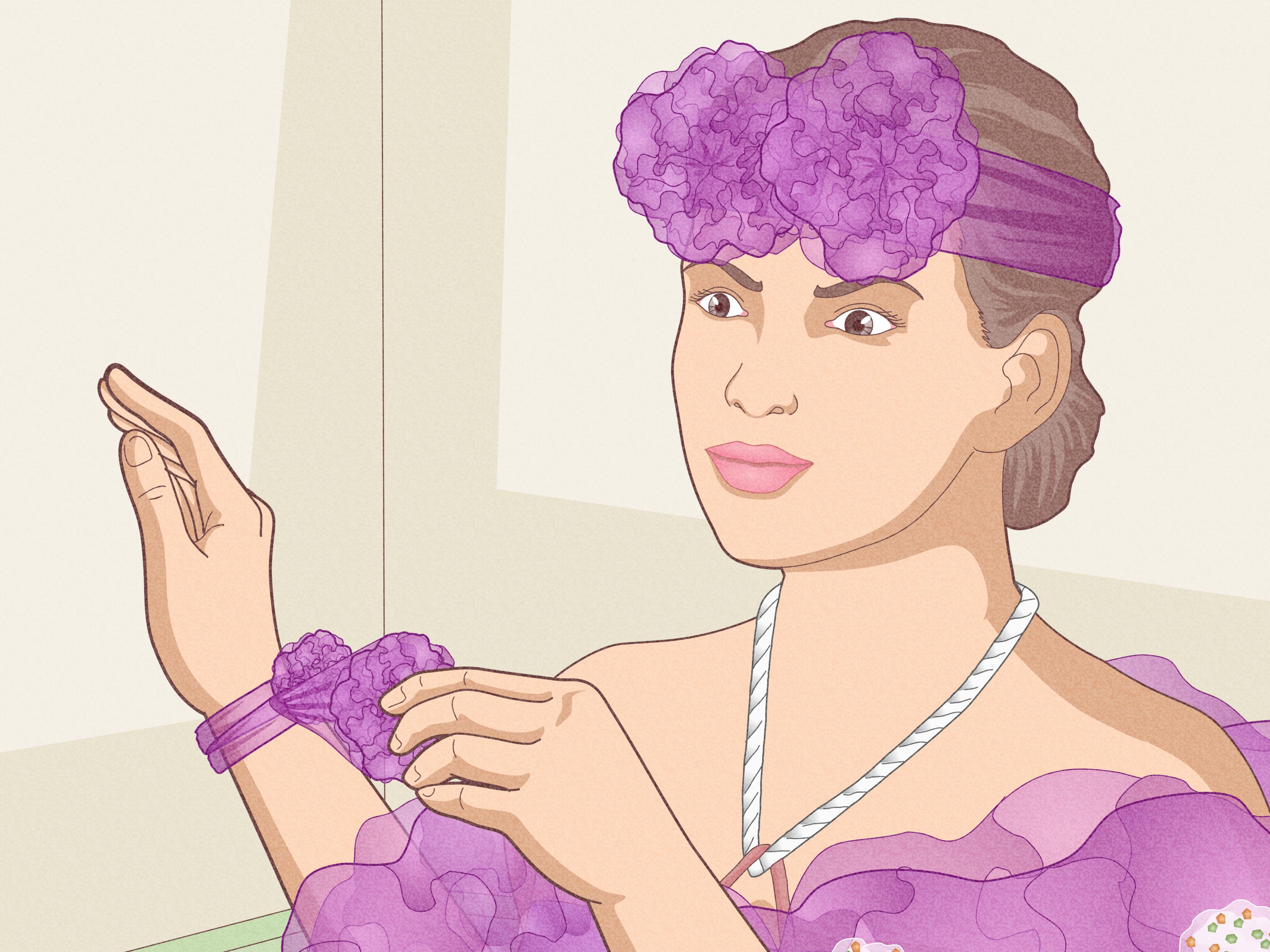
A loofah costume is a homemade outfit designed to look like a bath sponge or shower pouf. Most versions use layers of tulle, netting, or mesh gathered into fluffy bunches and attached to a dress, tank top, T-shirt, bodysuit, romper, or elastic waistband. A rope loop is added to mimic the hanging cord on a real shower pouf. Some people add bubbles, a rubber duck, a shower cap, soap props, or a matching “bar of soap” partner costume.
The costume works because it is visually simple. People see big airy tulle puffs, a dangling cord, and maybe a rubber duck, and their brains immediately say, “Loofah!” That makes it a great DIY costume: high impact, low confusion. Nobody has to ask if you are an abstract cloud, a pastel tumbleweed, or a haunted cupcake.
Supplies You Will Need
The exact amount of tulle depends on your height, size, desired fullness, and whether you are making a fitted or oversized version. For most adult costumes, plan on 20 to 35 yards of tulle or netting. For a child’s costume, 10 to 20 yards may be enough. If you want a super dramatic, pageant-level loofah, buy extra. Tulle has a way of disappearing into fluff like snacks at a party.
Basic Materials
- 20 to 35 yards of tulle, mesh, or netting in your chosen color
- A fitted dress, tank dress, long T-shirt, bodysuit, romper, or shirt and shorts in a matching color
- Safety pins, needle and thread, or both
- Scissors or a rotary cutter
- Measuring tape
- White rope, cord, thick ribbon, or braided trim for the hanging loop
- Optional: hot glue gun for securing rope or props
- Optional: elastic bands or clear hair ties for making separate tulle puffs
- Optional: rubber duck, shower cap, bubble props, or soap-shaped sign
Choosing the Right Base Outfit
The base outfit should be comfortable, fitted enough to hold the tulle, and close in color to your tulle. A matching base helps hide gaps, especially when you sit down, move, or realize you pinned one puff slightly sideways. A tank dress is one of the easiest choices because it gives you a smooth surface from chest to thigh. A T-shirt and shorts work well for a more casual or kid-friendly version. A bodysuit with leggings is great if you want more coverage.
Avoid using a loose, slippery base unless you plan to stitch the tulle securely. The heavier your tulle gets, the more structure you need. Think of the base like the skeleton of the costume. A floppy skeleton makes a floppy loofah, and nobody wants a sad bath sponge.
Before You Start: Plan the Shape
A good loofah costume has volume in three zones: upper body, middle, and lower body. You do not need perfect symmetry, but you do want balanced fluff. If all the tulle ends up near your waist, the costume can look like a tutu that panicked. If all the tulle sits near your shoulders, you may look like a fancy duster. Spread the puffs evenly across the front, sides, and back.
Try on your base outfit before attaching anything. Mark general areas with small safety pins: chest, waist, hips, upper back, lower back, and sides. These marks will help you attach tulle evenly. If you are making the costume on yourself, use a mirror and take phone photos as you go. The back of a loofah costume matters too. People will see it while you are walking away from the snack table with seven mini candy bars.
Step-by-Step: How to Make a Loofah Costume
Step 1: Cut the Tulle Into Manageable Strips
Lay the tulle on a clean floor or large table. Cut it into long strips, usually 5 to 8 feet long and 12 to 24 inches wide. The measurements do not have to be exact. Wider strips create bigger puffs; narrower strips create smaller, denser texture. If your tulle is very thin, double up the layers before bunching.
For an adult costume, start with 12 to 18 strips. You can always cut more later. For a child’s costume, start with 8 to 12 strips. Tulle can be slippery, so use sharp scissors and do not worry if the edges are imperfect. Once gathered, the edges vanish into the fluff.
Step 2: Create Tulle Bunches
Take one strip of tulle and gather it from the center, scrunching it into a bow-tie shape. The goal is to create a fluffy cluster with volume on both sides. Wrap thread, string, or a clear elastic around the middle to hold the bunch together. Repeat this with the remaining strips.
If you prefer a faster method, you can skip tying individual bunches and gather the tulle directly onto the outfit as you pin or sew. However, pre-making bunches gives you more control and makes the costume easier to arrange. It is like meal prepping, but instead of quinoa bowls, you are prepping wearable shower fluff.
Step 3: Attach the First Layer to the Base
Put the base outfit on a dress form, a hanger, or a patient friend. If you are working alone, lay the outfit flat and attach the front first. Start near the waist or hip area because this zone anchors the costume visually. Pin or stitch one tulle bunch to the base, securing it through the tied center.
If you are using safety pins, pin from the inside of the garment when possible so the metal is hidden and less likely to catch on the tulle. Use at least two pins per large puff: one vertical and one horizontal. If sewing, use a few strong hand stitches through the center of the bunch and the base fabric. Double knot the thread so it does not loosen during movement.
Step 4: Build Around the Body
Continue attaching tulle bunches around the front, sides, and back. Overlap the edges so the base outfit does not show. Aim for “organized chaos.” Real shower poufs are not smooth spheres; they are layered, twisty, and wonderfully ridiculous. That is good news for you because perfection is not invited to this costume party.
Step back every few minutes and check the silhouette. Add more tulle where the costume looks flat. Trim or rearrange areas that feel too bulky. Make sure you can move your arms, sit down, and walk through a doorway without becoming a festive household hazard.
Step 5: Add a Second Layer for Fullness
Once the first layer covers the outfit, add a second layer in the sparse areas. Most costumes look better with more volume at the shoulders, chest, hips, and lower hem. For a rounded bath pouf look, keep the fluff slightly wider at the middle and narrower near the neckline and hem.
If you are short on tulle, concentrate fullness on visible areas: front, sides, and upper back. If you have extra tulle, add it everywhere. A loofah costume is one of the rare outfits where “too fluffy” is almost a compliment.
Step 6: Attach the Rope Loop
Cut a piece of white rope, cord, or thick ribbon about 18 to 30 inches long. Tie the ends together to create a loop. Attach the loop near one shoulder, at the upper back, or along the side of the costume. You can sew it in place, safety-pin it securely from the inside, or use hot glue if the base fabric can handle it.
The rope loop is the detail that turns a pile of tulle into a clear loofah costume. Without it, people may still guess correctly, but the loop is the punchline. Let it hang naturally like the cord on a real bath pouf. Do not make it so long that it swings into drinks, doorknobs, or strangers’ nachos.
Step 7: Add Accessories
Accessories are optional, but they make the costume more memorable. A small rubber duck on a headband is funny and easy. A shower cap adds instant bathroom energy. White balloons can become bubbles, though they may be awkward in crowded spaces. A partner can dress as a bar of soap using a cardboard rectangle, white clothing, and the word “SOAP” painted across the front.
You can also make a bubble headband by attaching lightweight foam balls or white pom-poms to a plain headband. Keep accessories light so they do not pull the costume out of shape. The loofah should be the star; the extras are backup dancers.
No-Sew Loofah Costume Method
If sewing makes you break into a nervous sweat, use the no-sew version. Cut tulle strips, scrunch each strip into a puff, and secure the center with clear elastic bands. Then attach each puff to the base outfit using safety pins. Pin through the elastic or tied center rather than through loose tulle, which can tear.
The no-sew method is fast, adjustable, and beginner-friendly. It is ideal for last-minute costumes because you can build the whole thing in an evening. The main downside is that safety pins can shift, especially if you dance like your skeleton is trying to escape. Use plenty of pins and test the costume by walking, sitting, and gently shaking your shoulders before leaving the house.
Sewn Loofah Costume Method
The sewn method takes longer but creates a sturdier costume. Instead of relying only on pins, use a needle and strong thread to tack each bunch of tulle to the base outfit. You do not need beautiful stitches. Nobody will inspect the inside of your loofah unless you attend a very unusual party.
Sewing is best if you plan to wear the costume for several hours, attend an outdoor event, dance, walk in a parade, or reuse it later. Focus stitches at the center of each bunch and reinforce heavy areas such as the waist, shoulders, and rope loop. You can still use a few hidden safety pins for backup.
Color Ideas for Your DIY Loofah Costume
Classic loofah colors include pink, lavender, aqua, white, yellow, mint, and coral. Bright colors photograph well and make the costume easier to recognize. Pastels look cute and clean, while neon shades bring “glow-in-the-bathroom” energy. For a group costume, each person can choose a different color and walk in together like a very hygienic bouquet.
If you want a more stylish look, choose one color for the tulle and a slightly darker or lighter base outfit. You can also layer two tulle colors for dimension, such as pale pink with hot pink, lavender with blue, or mint with white. Avoid using too many colors unless you want the costume to read as cotton candy, which is also fun but less shower-themed.
Safety Tips for a Wearable Loofah Costume
Because this costume uses airy fabric, safety matters. Choose synthetic tulle or netting that is labeled flame resistant when available, and keep the costume away from open flames, candles, heaters, fire pits, and cigarettes. Do not let long pieces drag on the ground. Trim loose ends that could catch on stairs, chairs, or car doors.
Make sure you can see clearly, move comfortably, and use your hands. If the costume is for a child, keep the fluff away from the face and avoid long dangling cords. For nighttime events, add reflective tape to shoes, a bag, or the underside of the costume. A loofah should be bubbly, not invisible to drivers.
How to Make the Costume More Comfortable
Wear a soft layer underneath if the tulle feels scratchy. Tulle can be dramatic against bare skin, and not in a romantic way. A fitted tank top, leggings, bike shorts, or a slip dress can make the costume much more comfortable. If you are wearing it to a warm indoor party, keep the base lightweight. If you are trick-or-treating outdoors in cold weather, build the costume over leggings and a long-sleeve shirt.
Before the event, do a full test run. Sit in a chair. Walk up stairs. Reach for your phone. Pretend to pick something up from the floor. If any tulle bunch pops off, reinforce it. If the costume rides up, add more pins or stitches near the hem. If you cannot fit in your car, reduce side volume or accept that you are now traveling as a luxury bath item.
Common Mistakes to Avoid
Using Too Little Tulle
A sparse loofah can look unfinished. Buy more tulle than you think you need, especially for adult costumes. Extra tulle can become hair accessories, wrist cuffs, or emergency repairs.
Attaching Puffs Too Far Apart
Gaps reveal the base outfit and weaken the illusion. Overlap bunches slightly so the costume looks full from every angle.
Forgetting the Back
The back needs attention too. Use a mirror or ask someone to help place the rear puffs evenly. A fluffy front and flat back can make the costume look like a loofah billboard.
Making the Rope Too Heavy
Heavy rope can pull down the costume. Choose lightweight cord or ribbon, then secure it well.
Skipping the Movement Test
A costume that looks great while standing still may misbehave after ten minutes of walking. Test it before the big event.
Budget-Friendly Tips
A DIY loofah costume can be very affordable if you shop smart. Look for tulle by the bolt, discount fabric, leftover netting, thrifted dresses, or clearance ribbon. A simple tank dress from a thrift store can become the perfect base. You can also reuse tulle from old decorations, tutus, or craft supplies if the pieces are clean and large enough.
If you are making multiple costumes, buy tulle in bulk and divide it by color. Group costumes are cheaper when everyone shares supplies like thread, safety pins, scissors, and cord. The only thing you should not share is the job of cleaning up tulle scraps, because somehow those tiny pieces migrate like glitter with a gym membership.
Loofah Costume Variations
Loofah and Soap Couple Costume
One person wears the loofah costume, and the other dresses as a bar of soap. Make the soap with a white poster board sandwich board, foam board, or a white shirt labeled “SOAP.” Add bubbles for extra charm.
Bubble Bath Group Costume
Combine loofahs, bathrobes, shower caps, white balloons, and rubber ducks. This works well for friend groups because everyone can choose a different level of effort.
Glam Loofah Costume
Use sparkly tulle, metallic ribbon, rhinestone accessories, and dramatic makeup. You will still be a bath sponge, but a bath sponge with main-character lighting.
Kid-Friendly Loofah Costume
Use a T-shirt and leggings as the base. Keep tulle above the knees for easy walking, avoid long cords, and add reflective details for visibility.
Experience Notes: What It Is Really Like to Make and Wear a Loofah Costume
Making a loofah costume is one of those projects that looks chaotic halfway through and then suddenly becomes adorable. At first, the tulle may seem flat, slippery, and suspiciously unlike a bath pouf. You may wonder whether you bought enough fabric or whether you are accidentally creating a sea creature. Keep going. The magic happens when the bunches start overlapping. One puff looks strange. Ten puffs look intentional. Twenty puffs look like you know exactly what you are doing.
The biggest lesson is to work in layers instead of trying to create the perfect shape immediately. Attach a basic first layer, try the costume on, and then add fullness where it needs help. The mirror will tell you the truth. Photos are even better because they show gaps you might miss while turning around like a confused flamingo. If the front looks great but the side looks thin, add two or three puffs there. If the waist looks bulky, move some volume higher or lower. Tulle is forgiving, and safety pins are basically tiny reset buttons.
Comfort matters more than people expect. A loofah costume can get warm because it traps air around the body. It can also feel scratchy if tulle touches your arms, chest, or legs for hours. Wearing a smooth base layer makes a huge difference. Bike shorts, leggings, or a soft tank top can turn the costume from “cute but itchy” into “I can actually enjoy the party.” Shoes matter too. Since the costume is already bulky, comfortable shoes keep the whole look practical. Nobody remembers whether your sandals were perfectly themed; they do remember if you trip over your own fluff.
Another real-world tip: plan your transportation. A very full loofah costume may not love small cars, crowded elevators, narrow hallways, or restaurant booths. If you are driving, test whether you can sit without crushing half the costume. If you are going to a packed party, keep the side volume moderate so you are not accidentally exfoliating strangers every time you turn around. A slightly slimmer loofah is better than spending the night apologizing to lamps.
The best part of wearing this costume is how quickly people understand it. It is funny without being complicated, playful without being uncomfortable, and easy to customize. People tend to smile when they see it because it is familiar and unexpected at the same time. Add a rubber duck or soap prop, and the costume becomes even more photogenic. For group events, different colored loofahs look fantastic together, especially in photos. The final experience is delightfully silly: you are fluffy, festive, and impossible to take too seriously. That is exactly why the DIY loofah costume remains a homemade Halloween favorite.
Conclusion
Learning how to make a loofah costume is less about perfect crafting and more about smart layering. Start with a fitted base, cut plenty of tulle, create fluffy bunches, attach them securely, and finish with a rope loop. Add accessories if you want extra personality, but keep comfort and safety in mind. The finished costume is budget-friendly, beginner-friendly, and funny in the best possible way.
With a little patience and a lot of tulle, you can turn basic craft supplies into a party-ready DIY loofah costume that looks cute, clever, and wonderfully bubbly. It is the rare Halloween costume that works for adults, kids, couples, groups, and last-minute planners. Best of all, uneven fluff is not a mistake. It is texture. Very clean, very festive texture.
Note: For best results, try on the costume before your event, reinforce loose tulle bunches, keep the outfit away from open flames, and adjust the fullness so you can walk, sit, and celebrate comfortably.