Let’s clear the air before your tailpipe tries to clear the neighborhood: intentionally making a car backfire is not a smart DIY project. A backfire may sound dramatic, especially in movies, car meets, and certain performance videos, but in real life it can signal unburned fuel, ignition trouble, exhaust problems, engine misfires, or unsafe modifications. In other words, your car is not “showing personality.” It may be politely screaming for help.
This guide takes the safe route. Instead of teaching you how to force loud bangs from the exhaust, it explains what a backfire is, why cars backfire, what the risks are, and what to do if your vehicle starts popping, banging, smelling like fuel, or flashing the check engine light. Think of it as the responsible version of “How to Make a Car Backfire: 8 Steps”: eight practical steps for understanding the phenomenon without turning your engine bay into a very expensive percussion instrument.
If you are a car enthusiast, a beginner mechanic, or someone who typed this question after hearing a sports car crackle through downtown, you are in the right garage. Grab your curiosity, leave the bad ideas on the workbench, and let’s talk about car backfires the way mechanics wish everyone would.
What Is a Car Backfire?
A car backfire happens when combustion occurs where it should not. In a healthy engine, the air-fuel mixture burns inside the combustion chamber at the right moment. That controlled explosion moves the pistons, which makes power. A backfire, however, means fuel ignites outside that ideal moment or location.
Most people use the word “backfire” to describe a loud pop from the exhaust, but there are two common types:
Exhaust Backfire
An exhaust backfire usually happens when unburned fuel reaches the hot exhaust system and ignites there. The result may be a bang, pop, crackle, or in extreme cases a visible flame. It may sound exciting for half a second, but your catalytic converter, muffler, oxygen sensors, and wallet are all quietly filing complaints.
Intake Backfire
An intake backfire happens when combustion travels backward through the intake system. This can be linked to ignition timing problems, lean fuel mixtures, valve issues, or mechanical faults. It is usually more concerning than the occasional mild exhaust pop and should be inspected promptly.
Either way, a backfire is not just “engine drama.” It is usually a clue that the engine is not burning fuel cleanly, smoothly, or at the correct time.
How to Make a Car Backfire: 8 Safe Steps to Understand and Handle It
The safest way to approach this topic is not to create a backfire on purpose. Instead, use these eight steps to understand what causes one, recognize warning signs, and avoid damage.
Step 1: Know Why Backfires Happen
Backfires are often caused by problems with fuel, spark, air, timing, or exhaust flow. A gasoline engine needs the right air-fuel mixture, a strong spark, and correct timing. When one part of that formula goes wrong, combustion can happen too late, too early, or in the wrong place.
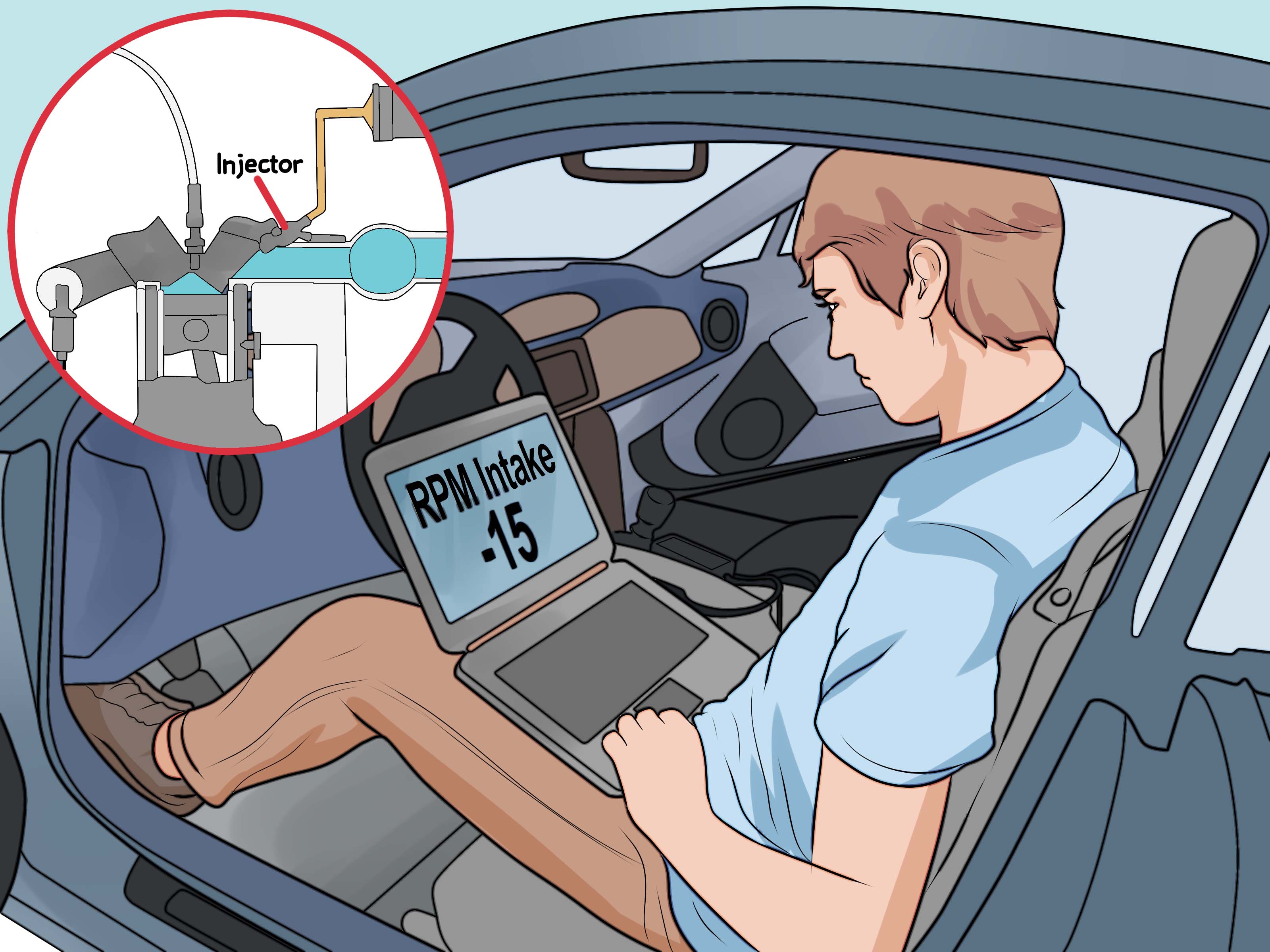
Common causes include a rich fuel mixture, faulty spark plugs, failing ignition coils, vacuum leaks, clogged or damaged fuel injectors, incorrect ignition timing, exhaust leaks, or problems with sensors such as the mass airflow sensor or oxygen sensors. On older carbureted vehicles, poor carburetor tuning can also contribute. On modern cars, the engine computer tries hard to prevent these issues, but it cannot perform miracles if parts are worn, dirty, broken, or modified badly.
In simple terms: a backfire is often the engine’s way of saying, “Something is off, and I would like a professional adult, please.”
Step 2: Do Not Try to Force a Backfire
This is the step that saves you money, embarrassment, and possibly a visit from someone wearing a uniform. Forcing a backfire by messing with fuel delivery, ignition timing, revving behavior, exhaust components, or emissions equipment can damage the vehicle and may violate local laws. It can also annoy neighbors, scare pedestrians, and make your car sound less like a performance machine and more like a trash can falling down stairs.
Modern vehicles are built with catalytic converters, oxygen sensors, computer-controlled fuel injection, and emissions systems. These components are designed to reduce pollution and keep the engine running efficiently. When people tamper with them to chase noise, they often create more problems than personality.
If your goal is sound, look for legal, emissions-compliant exhaust options designed for your specific vehicle. If your goal is performance, focus on maintenance, tires, brakes, driver training, and reputable upgrades. Loud pops are not a substitute for horsepower, handling, or taste.
Step 3: Identify Where the Sound Comes From
If your car is already backfiring, pay attention to where the sound seems to come from. A pop from the tailpipe points toward exhaust-side combustion. A sharp pop from under the hood may suggest an intake-side issue. A repeated popping under load, hesitation, rough idle, or flashing check engine light may point toward a misfire.
You do not need to become a full-time detective with a flashlight in your teeth, but basic observation helps. Notice when the sound happens. Is it during startup? Acceleration? Deceleration? Idle? After shifting? When the engine is cold? When it is hot? Details like these help a qualified mechanic narrow the problem.
Do not stand close to the exhaust or open engine bay trying to provoke the sound. Hot exhaust parts can burn skin, moving belts can injure hands, and sudden pops can be startling. Observe from a safe distance and avoid repeated revving.
Step 4: Watch for Warning Signs
A backfire by itself is useful information, but the surrounding symptoms matter even more. Watch for rough idle, hesitation, reduced power, poor fuel economy, fuel smell, black smoke, hard starting, stalling, or dashboard warning lights. A flashing check engine light is especially important because it can indicate an active misfire that may damage the catalytic converter.
Another major warning sign is a strong fuel odor. That smell may mean unburned fuel is entering the exhaust or leaking somewhere it should not. Fuel plus heat is not a combination you want to negotiate with.
If the vehicle feels unsafe, loses power suddenly, or the check engine light flashes, reduce driving and arrange a proper inspection. A small repair today is much better than turning a manageable issue into a catalytic converter replacement, engine damage, or a tow-truck friendship.
Step 5: Understand the Fuel Mixture Problem
Many backfires connect to the air-fuel mixture. If the mixture is too rich, there is too much fuel and not enough air. Extra fuel may leave the combustion chamber unburned and ignite in the exhaust. If the mixture is too lean, there is too much air and not enough fuel, which can lead to hesitation, hotter combustion, and intake popping in some cases.
Modern engines rely on sensors and computer controls to manage this balance. A dirty mass airflow sensor, faulty oxygen sensor, leaking intake hose, failing injector, or fuel pressure issue can throw the mixture off. Older vehicles with carburetors may need careful adjustment by someone who understands the system.
This is where guessing gets expensive. Replacing random parts because the internet said “probably spark plugs” can turn your repair budget into confetti. A diagnostic scan and proper testing are usually smarter than parts roulette.
Step 6: Respect the Ignition System
The ignition system lights the air-fuel mixture at the correct time. Spark plugs, ignition coils, plug wires, control modules, and timing systems all play a role. If the spark is weak, late, early, or missing, fuel may not burn correctly in the cylinder. That unburned fuel can then ignite somewhere else.
Worn spark plugs are a common maintenance issue. So are aging ignition coils or damaged plug wires on vehicles that use them. But the correct fix depends on the car, mileage, symptoms, and diagnostic codes. A professional technician can test components rather than guessing.
For classic cars, ignition timing can be a bigger part of the conversation. For modern cars, timing is usually controlled electronically, and random adjustments are not a hobby project. Treat ignition problems with respect. Electricity, fuel, heat, and overconfidence make a terrible team.
Step 7: Check for Exhaust, Vacuum, or Emissions Problems Safely
Exhaust leaks can allow extra oxygen into the exhaust stream, which may contribute to popping sounds. Vacuum leaks can disturb the air-fuel mixture and cause poor running. Emissions components, including catalytic converters and oxygen sensors, can also be affected by repeated misfires or poor combustion.
Do not remove or bypass emissions equipment to “see what happens.” That is not diagnosis; that is creating a new problem wearing sunglasses. Many states have emissions rules, inspection requirements, and anti-tampering laws. Even when rules vary by location, a street-driven vehicle should remain safe, legal, and properly equipped.
If you suspect an exhaust leak, listen for ticking, hissing, or unusual noise, especially when the engine is cold. If you suspect a vacuum leak, symptoms may include rough idle, lean codes, or stalling. These issues can be diagnosed with proper tools in a repair shop.
Step 8: Choose Legal Alternatives If You Want Better Sound
Many people ask how to make a car backfire because they want a more aggressive exhaust note. That is understandable. Cars are emotional machines. A good exhaust can make a boring commute feel like the opening scene of a movie, minus the speeding ticket.
The responsible path is to choose legal, vehicle-specific, emissions-compliant parts from reputable brands. A quality cat-back exhaust, for example, may improve tone without removing emissions equipment. The exact rules depend on where you live, so check local regulations before buying parts. Avoid anything marketed as “for off-road use only” if you plan to drive on public roads.
Also remember that louder is not always better. A refined exhaust note is like good seasoning: enough to enjoy, not so much that everyone at the restaurant turns around.
Why Intentionally Causing a Backfire Is a Bad Idea
Intentional backfiring can damage expensive components. Catalytic converters are especially vulnerable to overheating when unburned fuel enters the exhaust. Oxygen sensors can become contaminated. Mufflers can rupture. Exhaust leaks can worsen. In extreme cases, flames or hot gases can create safety hazards near dry grass, fuel vapors, or people standing behind the vehicle.
There is also the legal side. Many places have noise ordinances, emissions laws, inspection requirements, and rules against tampering with pollution-control devices. Even if enforcement varies, building a car that attracts the wrong kind of attention is rarely a winning strategy.
Finally, backfires can make a car less reliable. A vehicle that pops, hesitates, misfires, or smells like fuel is not performing better. It is performing worse, loudly.
Common Myths About Car Backfires
Myth 1: Backfires Mean a Car Is Fast
Not necessarily. Some high-performance cars produce controlled crackles due to factory tuning, turbo anti-lag systems, or specific exhaust designs. That does not mean every popping economy car has become a race car overnight. Sometimes it just means something needs fixing.
Myth 2: Removing Exhaust Parts Is an Easy Sound Upgrade
Removing or bypassing exhaust and emissions components can create legal, environmental, and mechanical problems. It may also make the car unpleasant to drive. Drone at highway speed is not “race car energy.” It is a headache with wheels.
Myth 3: A Backfire Is Harmless If It Only Happens Sometimes
Occasional mild pops may happen on some vehicles, especially older or performance-tuned models, but repeated backfiring should not be ignored. If the car has warning lights, power loss, strong fuel smell, or rough running, get it checked.
Real-World Experience: What Backfires Teach Car Owners
Anyone who has spent time around cars has heard at least one backfire that made everyone in the parking lot stop mid-sentence. The first lesson is that sound does not tell the whole story. A loud pop may impress one person and make another person check whether their coffee jumped out of the cup holder. But for the owner, the important question is not “Was that cool?” It is “Why did that happen?”
One common experience involves older vehicles that have been sitting for a while. A driver starts the car, it coughs, hesitates, and pops through the exhaust. The cause may be stale fuel, worn ignition parts, vacuum leaks, or carburetor problems. The smart owner does not keep revving it for applause. They check the basics, schedule maintenance, and avoid stressing the engine until the issue is understood.
Another familiar story comes from modified cars. Someone installs a cheap exhaust part, ignores the check engine light, and suddenly the car sounds louder but runs worse. At first, the noise feels exciting. A week later, the drone is annoying. A month later, the car has poor fuel economy, smells strange, and fails inspection. The “budget upgrade” becomes a premium-priced lesson in doing things correctly the first time.
There is also the driver who hears popping during deceleration and assumes the car is now a track machine. Sometimes mild deceleration burbles are normal on certain tuned performance cars. But if the sound is new, harsh, frequent, or paired with hesitation, it deserves attention. Cars develop habits, and new habits often mean something changed.
The best experiences with car ownership come from learning how systems work. Understanding backfires can make you a better owner because it connects several important topics: fuel mixture, ignition timing, exhaust design, emissions equipment, sensors, and maintenance. Once you understand that a backfire is usually misplaced combustion, the mystery becomes less magical and more mechanical.
Good enthusiasts respect the machine. They know there is a difference between tasteful sound and mechanical abuse. They choose quality parts, keep emissions systems intact, fix misfires early, and avoid turning public roads into sound-effect laboratories. They also understand that reliability is part of performance. A car that starts every morning, runs cleanly, handles well, and stops confidently is more impressive than one that only knows how to bang loudly behind a shopping center.
If you want a memorable car experience, aim for skill and stewardship. Learn maintenance. Read the owner’s manual. Use the right fuel. Replace worn parts on schedule. Keep tires healthy. Take a defensive driving course. Visit legal motorsport events if you are interested in performance. These choices create better stories than “I tried to make my car backfire and now it needs a tow.”
In short, the real lesson is simple: backfires are interesting to understand, but not wise to create. When your car talks, listen. When it yells, diagnose. And when it bangs, do not ask it for an encore.
Conclusion
The phrase “how to make a car backfire” may sound like a fun car-culture question, but the safest answer is: do not intentionally cause one. A backfire can point to fuel mixture problems, ignition faults, exhaust leaks, vacuum leaks, timing issues, or emissions-system trouble. Forcing one can damage expensive parts and may create legal or safety problems.
If your car is backfiring on its own, treat it as a symptom. Note when it happens, watch for warning lights, avoid repeated revving, and get the vehicle properly diagnosed. If you simply want a better sound, choose legal, emissions-compliant upgrades designed for your vehicle. A car can sound good without sounding broken.