Some table accessories simply sit there. Others whisper, “Good morrow, gentle diner,” while quietly making the salad course feel like a scene from a candlelit Elizabethan banquet. That is the peculiar charm of Shakespeare Sonnet Napkins: they turn an everyday linen, cotton, or paper napkin into a tiny stage for poetry, romance, wit, and just enough literary drama to make guests look twice before wiping marinara from their fingertips.
At first glance, Shakespeare Sonnet Napkins may sound like a novelty gift for English teachers, theater majors, book club hosts, or anyone who has ever said “the Bard” with a straight face. But the idea is more stylish than gimmicky. These napkins combine functional table linens with lines inspired by William Shakespeare’s sonnets, often printed in vintage typewriter fonts, manuscript-style layouts, parchment designs, or elegant typography. The result is a decorative item that works as conversation starter, literary gift, party detail, wedding accent, and design object all at once.
In a world where many table settings chase trends, Shakespeare Sonnet Napkins offer something timeless. Love, beauty, time, memory, longing, mortalityShakespeare covered the big topics with 14 lines and a rhyming couplet. A napkin may be humble, but when it carries a sonnet, it becomes proof that even dinner parties deserve a little poetry.
What Are Shakespeare Sonnet Napkins?
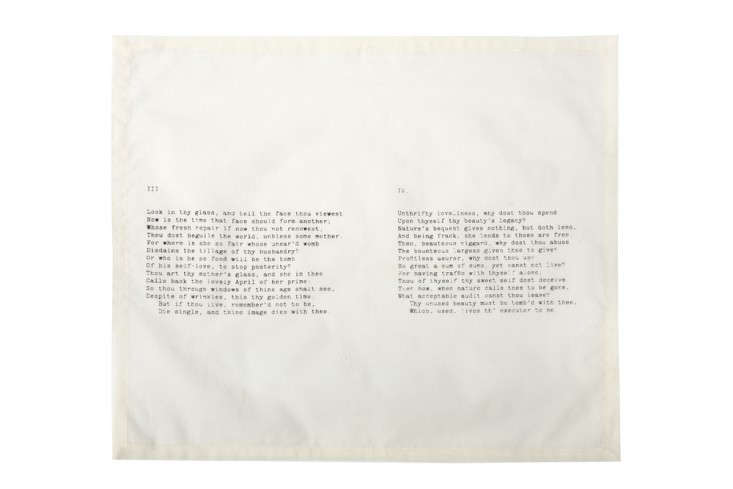
Shakespeare Sonnet Napkins are decorative napkins printed with text, excerpts, or design elements inspired by Shakespeare’s sonnets. They may be cloth napkins made from cotton, linen, or cotton voile, or paper cocktail napkins used for parties and events. Some versions feature full sonnets; others include famous lines, antique-looking pages, calligraphy, typewriter-style text, or parchment backgrounds.
The most collectible versions tend to treat the napkin almost like a printed literary artifact. For example, curated design listings have featured sets of four Shakespeare Sonnet Napkins made from cotton and sold as decorative tabletop linens. Other custom-print marketplaces offer Shakespeare sonnet designs on cocktail or dinner napkins, including parchment-style layouts and personalized options.
There are also Shakespeare-themed cocktail napkins that use quotes from his plays rather than the sonnets. While those are not technically “sonnet napkins,” they belong to the same delightful family of literary table decor. They bring Shakespeare to the bar cart, the buffet table, or the dessert stationbecause nothing says “civilized gathering” quite like a paper napkin that has read more classics than half the room.
Why Shakespeare’s Sonnets Work So Well on Napkins
Shakespeare’s sonnets are naturally suited to decorative design because they are compact, rhythmic, and emotionally rich. A Shakespearean sonnet traditionally contains 14 lines, usually arranged as three quatrains followed by a closing couplet. The structure gives the poem movement: it develops an idea, twists it, and lands with a memorable final thought.
That compactness matters. A sonnet is long enough to feel meaningful but short enough to fit beautifully on a napkin, especially when the design uses small typography, soft spacing, or a manuscript-inspired layout. A full novel on a napkin would be alarming. A sonnet, however, is just the right amount of dramatic.
Shakespeare’s sonnets also explore themes that pair beautifully with gatherings: love, friendship, beauty, time, memory, desire, and the fear that dessert may disappear before one reaches the table. Sonnet 18, with its famous summer-day comparison, works well for weddings and garden parties. Sonnet 29 brings emotional depth to intimate dinners. Sonnet 116, often associated with steadfast love, is a natural fit for engagement parties, anniversaries, and receptions.
The Literary History Behind the Design
William Shakespeare’s sonnets were first published as a collection in 1609, and the standard collection contains 154 poems. Although Shakespeare is better known to many readers as a playwright, his sonnets have remained among the most studied and quoted poems in English literature.
The English or Shakespearean sonnet form typically follows the rhyme scheme abab cdcd efef gg. That final couplet often delivers a turn, summary, surprise, or emotional punch. In design terms, the form has a built-in elegance: balanced lines, repeating patterns, and a satisfying ending. It is basically the table setting of poetrystructured, graceful, and much harder to pull off than it looks.
Putting sonnets on napkins also connects to a broader tradition of literary home goods. Many modern shoppers like decor that feels personal rather than generic. A napkin printed with poetry says more than “I bought beige linens.” It says the host appreciates language, atmosphere, and small details. It may also say the host owns at least one tote bag from a museum gift shop, which is usually a good sign.
Popular Styles of Shakespeare Sonnet Napkins
1. Cotton and Linen Sonnet Napkins
Cloth Shakespeare Sonnet Napkins are ideal for hosts who want something reusable and refined. Cotton, linen, and cotton voile versions feel more elevated than disposable paper napkins and can be used for dinner parties, book club nights, afternoon tea, or special celebrations. Some designs use a lightweight, letter-like fabric that evokes old paper, making the napkin feel like a page from a private archive.
These napkins often come in sets of four, which makes them easy to gift. They work especially well in homes with vintage, cottage, academic, eclectic, or romantic design styles. Place them beside antique silverware, simple white plates, or mismatched china, and suddenly your table looks as if it has opinions about meter and metaphor.
2. Paper Cocktail Napkins
Paper Shakespeare napkins are perfect for parties where convenience matters. Cocktail napkins printed with Shakespeare quotes or sonnet-inspired designs can be used at drink stations, dessert tables, wedding bars, theater cast parties, or literary fundraisers. They are less formal than cloth napkins but often more playful.
The key advantage is ease. You can buy them in larger quantities, match them with themed invitations, and avoid laundry afterward. That last part is not poetic, but it is deeply practical.
3. Parchment-Style Napkins
Parchment-style Shakespeare Sonnet Napkins use warm backgrounds, aged-paper textures, and classic typography to create the feeling of an old manuscript. These designs are especially popular for custom printed napkins because they make the text visually prominent and instantly recognizable as literary decor.
They work well for theatrical events, Renaissance-themed parties, classrooms, library receptions, and weddings with vintage touches. A parchment background also gives the design contrast, helping the words stand out without requiring bright colors or elaborate graphics.
4. Minimalist Typography Napkins
Not every Shakespeare design needs quills, scrolls, and dramatic flourishes. Minimalist Shakespeare Sonnet Napkins can be striking when they use clean black text on white cotton, cream linen, or neutral paper. This style suits modern homes and understated events where the poetry should feel integrated, not theatrical enough to demand its own spotlight.
A single couplet or short excerpt can be more powerful than a full poem, especially on smaller napkins. For example, a famous final couplet from a sonnet can act like a toast, a blessing, or a tiny literary mic drop.
Best Occasions to Use Shakespeare Sonnet Napkins
Book Club Gatherings
Book clubs are perhaps the most natural home for Shakespeare Sonnet Napkins. They add instant theme and charm without requiring anyone to arrive in doublet and hose. Pair them with wine, tea, small desserts, and a discussion prompt about love, time, or whether Shakespeare would have enjoyed group texts.
Weddings and Engagement Parties
Few writers are quoted at weddings as often as Shakespeare. Sonnet-inspired napkins can make beautiful details for cocktail hour, reception tables, welcome dinners, or bridal showers. Sonnet 116 is especially popular for love-centered events because it speaks to constancy and commitment.
For weddings, the best approach is restraint. Use a short excerpt, elegant typography, and colors that match the table design. The goal is romance, not an English literature exam with cake.
Anniversary Dinners
For an anniversary, Shakespeare Sonnet Napkins can turn a meal at home into something memorable. A candlelit table, simple flowers, and napkins printed with a love sonnet create a setting that feels thoughtful without being overly complicated. They also make excellent gifts for couples who value books, theater, or meaningful design.
Theater Parties and Opening Nights
Hosting a watch party for a Shakespeare film adaptation? Celebrating a school production? Throwing a post-show gathering? Shakespeare-themed napkins belong on the table. They are especially fitting for theater departments, drama clubs, university events, and arts organizations.
Holiday Tables
Shakespeare Sonnet Napkins can also work for holidays, especially Thanksgiving, Christmas, Valentine’s Day, and New Year’s Eve. For fall and winter tables, choose warm neutrals, burgundy, forest green, cream, or gold accents. For spring and summer, lighter cotton or linen versions feel fresh and romantic.
How to Style Shakespeare Sonnet Napkins
The easiest way to style Shakespeare Sonnet Napkins is to let them be the star. Because the text itself provides visual interest, pair them with simple plates, natural textures, and uncluttered centerpieces. White dinnerware, brass candlesticks, clear glassware, and small flowers are usually enough.
For a formal table, fold the napkin neatly and place it on the center of the plate or to the left of the forks. Many etiquette experts advise avoiding awkward placements that make guests move utensils just to reach the napkin. A beautiful napkin should be easy to use, not a puzzle box with manners.
For a casual setting, try a loose fold, a napkin ring, or a simple knot. Cloth Shakespeare Sonnet Napkins look especially charming when slightly relaxed rather than pressed into severe hotel geometry. Poetry should breathe a little. So should your tablescape.
Gift Ideas for Literature Lovers
Shakespeare Sonnet Napkins make excellent gifts because they are specific without being too personal. They suit teachers, writers, editors, actors, librarians, hosts, newlyweds, theater fans, and people who have strong feelings about semicolons.
For a thoughtful gift basket, pair a set of sonnet napkins with a small poetry book, loose-leaf tea, taper candles, a bottle of wine, or a vintage-looking bookmark. For a wedding gift, combine them with serving plates or glassware. For a teacher, add a notebook and a card with a favorite Shakespeare line.
The best literary gifts feel useful as well as clever. That is why napkins work: they are practical objects with personality. They do not merely sit on a shelf waiting to be dusted. They join the meal, catch crumbs, and quietly improve the conversation.
Are Shakespeare Sonnet Napkins Practical?
Yes, although practicality depends on the material. Cloth napkins are reusable, washable, and more sustainable over time. Cotton and linen versions can last for years if cared for properly. Paper cocktail napkins are better for large events, bars, and one-time celebrations where cleanup matters.
If buying cloth Shakespeare Sonnet Napkins, check the fabric content, size, washing instructions, print method, and whether the design may fade over time. If buying paper versions, look for napkin thickness, dimensions, package quantity, and whether they are food-contact safe. For custom printed napkins, confirm the printable area and preview the design carefully before ordering.
One practical note: text-heavy napkins look best when the typography remains readable. A full sonnet on a tiny cocktail napkin may look romantic in theory but resemble a legal disclaimer in practice. Larger cloth napkins give the poem more room to shine.
Choosing the Right Sonnet for Your Napkins
The right sonnet depends on the occasion. For romance, Sonnet 18 and Sonnet 116 are natural choices. For resilience and emotional transformation, Sonnet 29 is powerful. For beauty and the passing of time, Sonnet 5, Sonnet 12, or Sonnet 73 can create a more reflective mood.
For weddings, choose lines that feel joyful and enduring. For book clubs, select a sonnet that invites discussion. For home decor, choose a poem you genuinely enjoy seeing again and again. A napkin is not a dissertation, but it still deserves good taste.
Short excerpts can be especially effective. A single couplet may be easier to read, more visually balanced, and more memorable than a complete poem. Full sonnets, however, offer a richer effect when printed on larger cloth napkins with generous spacing.
DIY Shakespeare Sonnet Napkin Ideas
If you enjoy crafts, you can create your own Shakespeare Sonnet Napkins with plain cotton napkins, fabric transfer paper, screen printing, embroidery, or fabric markers. Choose public-domain text from Shakespeare’s sonnets, select a readable font, and test your design on paper before applying it to fabric.
A DIY approach works especially well for small events. You can print different sonnets for each place setting, use a favorite couplet as a guest favor, or create a themed set for a book club. For a romantic dinner, one napkin might feature a love sonnet while the other carries a handwritten-style menu.
Keep the design simple. Text needs space, and fabric has texture. Large margins, soft contrast, and limited decorative elements usually look better than a crowded layout. Remember: Shakespeare already brought the drama. Your font does not need to wear a cape.
Why These Napkins Feel Surprisingly Modern
Although the source material is centuries old, Shakespeare Sonnet Napkins fit perfectly into modern design trends. Today’s home decor often values storytelling, personalization, sustainability, vintage references, and objects with emotional meaning. A napkin printed with a sonnet checks all those boxes without trying too hard.
They also align with the rise of “tablescaping,” where hosts treat the table as a creative composition. Napkins are no longer just folded squares beside a fork. They add color, texture, theme, and personality. With Shakespeare Sonnet Napkins, they also add literaturecasually, elegantly, and without requiring guests to write a five-paragraph essay.
In an age of fast decor and disposable trends, literary linens feel slower and more personal. They suggest that beauty can live in small rituals: setting the table, pouring tea, lighting candles, reading a line aloud, laughing over dessert. That is a very Shakespearean combinationhigh feeling, everyday life, and a little mischief.
Experiences With Shakespeare Sonnet Napkins
The first time you use Shakespeare Sonnet Napkins, you may notice something unusual: people actually pick up the napkin and read it. Normally, napkins are invisible until soup makes a daring escape. But when a guest sees a poem printed across the fabric, the napkin becomes an invitation. Someone asks which sonnet it is. Someone else remembers a line from high school. A third person insists they hated Shakespeare until they saw the right performance. Suddenly the table has warmed up before the first course has landed.
At a small dinner party, these napkins can break the ice more gracefully than forced conversation starters. Instead of asking everyone to share “one fun fact,” which is how adults are punished for being punctual, the host can simply set the table with four different sonnets. Guests compare lines, laugh over unfamiliar words, and debate whether Shakespeare was romantic, dramatic, sarcastic, or all three before breakfast.
For a book club, Shakespeare Sonnet Napkins create a mood without turning the room into a classroom. They look lovely beside a stack of paperbacks, a cheese board, and cups of coffee. If the group is reading a modern romance, historical novel, or poetry collection, the napkins add a bridge between classic literature and contemporary conversation. They say, “Yes, we are cultured,” while also saying, “Please pass the crackers.”
At weddings, the experience is different but equally charming. A sonnet excerpt on a cocktail napkin can feel like a quiet blessing. Guests may not analyze the meter while balancing champagne and canapés, but they still absorb the atmosphere. The detail feels intentional. It tells them the couple cares about words, symbolism, and the emotional texture of the day. When used carefully, Shakespeare napkins can make a reception feel more intimate, even in a large room.
In everyday life, cloth Shakespeare Sonnet Napkins can turn ordinary meals into small rituals. A Tuesday dinner with pasta and salad becomes a little more elegant when the napkins look like love letters from another century. Morning tea feels more thoughtful. A solo lunch becomes less lonely when Shakespeare is technically present, though thankfully not commenting on your sandwich choices.
They also make memorable gifts because they invite use. Many literary gifts are beautiful but static: framed quotes, decorative books, or mugs that join an already crowded cabinet. Napkins are different. They enter the rhythm of hosting and eating. Over time, they collect associations: the anniversary dinner, the first apartment party, the book club that ran too late, the holiday meal where someone finally admitted they did not understand iambic pentameter but loved the napkins anyway.
The best experience with Shakespeare Sonnet Napkins is not about showing off literary knowledge. It is about adding texture to a gathering. The printed words create curiosity, humor, elegance, and connection. They make a table feel considered. They remind guests that beauty does not need to be enormous to matter. Sometimes it is folded beside a plate, waiting for someone to unfold it.
Conclusion
Shakespeare Sonnet Napkins are more than clever table accessories. They are a meeting point between literature and hospitality, between practical design and poetic detail. Whether made from cotton, linen, cotton voile, or paper, they bring character to weddings, book clubs, dinner parties, theater events, anniversaries, and everyday meals. They work because Shakespeare’s sonnets are compact, emotional, and visually adaptable. They also work because guests love discovering something unexpected at the table.
Choose cloth versions for lasting elegance, paper cocktail napkins for easy entertaining, parchment styles for vintage charm, or minimalist typography for a modern look. Use them as gifts, conversation pieces, place-setting accents, or DIY projects. Most of all, let them do what good design and good poetry both do best: make ordinary moments feel a little more memorable.