Looking for evidence of Santa Claus is one of the funniest, coziest, cookie-scented investigations a family can run. No lab coat is required, although a red hat, a flashlight, and a suspiciously serious notebook may improve the mood. Whether you are a curious child, a parent planning a magical Christmas Eve, or a grown-up who still believes in the power of wonder, this guide will help you collect “Santa evidence” in a playful, safe, and memorable way.
Before we begin, let’s make one thing clear: this is not a courtroom case against a jolly man in a red suit. It is a family-friendly holiday activity built around imagination, tradition, observation, and storytelling. Santa Claus has a long cultural history connected to Saint Nicholas, Dutch Sinterklaas traditions, American Christmas customs, poems, illustrations, department-store Santas, and modern trackers like NORAD Tracks Santa and Google Santa Tracker. The real magic is not only in proving Santa visited. It is in creating a Christmas morning that feels warm, generous, and just mysterious enough to make everyone whisper, “Wait… how did that happen?”
Why People Look for Evidence of Santa Claus
Children ask big questions because they are excellent scientists in pajamas. They notice details adults miss: cookie crumbs, shifted stockings, unusual footprints, half-finished milk, and wrapping paper that somehow looks different from the family’s normal supply. Searching for evidence of Santa Claus gives kids a fun way to practice observation, critical thinking, creativity, and storytelling.
For parents, grandparents, and caregivers, the hunt can become a tradition. It turns Christmas Eve into a small family mystery. Instead of simply placing gifts under the tree, you create a scene: a few crumbs, a note from Santa, a reindeer “hoofprint,” or a tiny trail of glitter that looks like it fell from an elf’s pocket. These little touches can become the details children remember years laternot because they were expensive, but because they felt personal.
How to Get Evidence of Santa Claus: 10 Steps
1. Write a Letter to Santa and Track the Reply
The first step in any Santa investigation is communication. A letter gives Santa a reason to respond, and it gives your family a record of the case. Encourage children to write more than a gift list. Ask them to include a few questions: “What is Rudolph’s favorite snack?” “Do elves take snow days?” “How do you fit through small chimneys?” The more specific the questions, the more magical the reply can feel.
To make the evidence stronger, save the original letter. Take a photo of it before mailing or placing it by the tree. If a reply appears later, compare handwriting, paper, ink color, and the details in the message. A good Santa reply mentions something personal: a kind thing the child did, a family joke, or a tiny detail only “Santa” would know. That is the kind of evidence that makes young detectives raise an eyebrow and say, “Interesting.”
2. Set Up a Santa Snack Station
Cookies and milk are classic for a reason. They are simple, visual, and deliciously suspicious. Before bed on Christmas Eve, place cookies, milk, carrots for the reindeer, and a small note on a tray. Take a “before” photo so everyone can compare it with the morning scene.
In the morning, look for bite marks, crumbs, a moved glass, or carrot pieces near the fireplace or door. For extra fun, use a unique cookie shape or frosting color so the evidence is easy to recognize. A half-eaten cookie with a dramatic bite mark can become the holiday equivalent of a fingerprint. Just be careful: if Dad has frosting on his face at breakfast, the investigation may take an unexpected turn.
3. Look for Footprints Near the Tree
Santa footprints are one of the most exciting pieces of Christmas evidence because they look dramatic. Sprinkle a light dusting of flour, baking soda, or artificial snow near the fireplace, doorway, or tree. Then use a boot to make partial prints. Partial prints are better than perfect ones because they look more natural. Real visitors rarely step like they are making a shoe commercial.
Keep safety in mind. Avoid slippery surfaces, do not put powder where someone might fall, and keep it away from pets and very young children. The goal is wonder, not a living room that looks like a snowstorm fought a vacuum cleaner. In the morning, invite children to inspect the prints, measure them, and compare them to family shoes. If the boots are much larger than everyone else’s, the case becomes delightfully mysterious.
4. Use a Santa Tracker on Christmas Eve
Santa trackers are a modern part of the holiday experience. NORAD Tracks Santa has become a famous Christmas Eve tradition, and Google Santa Tracker offers games, activities, and cheerful ways to follow Santa’s journey. These tools help families create a countdown and add excitement as bedtime approaches.
Use a tracker as “digital evidence.” Check where Santa is before dinner, after pajamas, and right before bed. If the tracker shows Santa getting close, that is the perfect reason for children to hurry to sleep. Parents everywhere understand the strategic value of this sentence: “Santa is nearby, and he only visits when everyone is asleep.” It is not just festive. It is bedtime engineering.
5. Create a Reindeer Landing Clue
Reindeer evidence adds outdoor adventure to the investigation. Place a few carrot pieces outside, scatter some oats, or make gentle hoof-shaped marks in soft dirt, snow, or grass. If you do not have snow, do not worry. Santa works globally. He has handled rooftops, balconies, deserts, beaches, and suspiciously tiny apartment entrances.
A great clue is subtle. A few crushed oats near the porch or a carrot top left behind can be enough. You can also tie a tiny ribbon to a bush and tell the kids it might have come from a reindeer harness. The best Santa evidence invites imagination without overexplaining everything. Mystery needs breathing room.
6. Leave a Camera Nearby, but Keep It Fun
Some families like to place a camera or phone near the tree to “catch Santa.” This can be fun, but it should stay lighthearted. Instead of trying to create a realistic fake video, consider capturing playful clues: a blurred red shape, a jingle bell sound, or a short clip of the tree lights flickering. The goal is not to trick anyone harshly. The goal is to create a magical family memory.
If children are old enough to question things seriously, let the evidence remain whimsical rather than overly staged. A tiny bit of mystery is often better than a complicated production. Also, protect privacy. Do not upload children’s holiday videos publicly without thinking carefully about family privacy, faces, location details, and personal information.
7. Compare Wrapping Paper and Gift Tags
Wrapping paper can become excellent Santa evidence. Use a special roll of paper for Santa gifts and hide it well. Choose tags that look different from the family’s usual labels. Santa’s handwriting can be big, curly, and cheerful, while elf handwriting might be tiny and energetic, as if written after three cups of cocoa.
On Christmas morning, invite children to compare the Santa gifts with gifts from family members. Different paper, different ribbon, and different tag style make the scene feel more believable. You can also add a small North Pole “inspection sticker” or a tag that says, “Packed by Elf #27.” Details like these turn ordinary presents into evidence from a much larger world.
8. Listen for Christmas Eve Sounds
Evidence does not always have to be seen. Sometimes it is heard. A faint bell outside the window, soft footsteps in the hallway, a gentle rooftop sound, or a quiet “Ho, ho, ho” from another room can become legendary family material. The trick is to keep it simple and not too loud. You want wonder, not panic.
A small bell works beautifully. Ring it once after the children are in bed, then stop. If they ask about it in the morning, say, “I heard something too, but I thought I was dreaming.” That answer keeps the mystery alive without turning the house into a full theatrical production. Santa is magical, but he is also busy. He probably does not have time for a Broadway entrance.
9. Check for a Thank-You Note from Santa
A thank-you note is one of the sweetest forms of Santa evidence. It can mention the cookies, compliment the tree, thank the child for the carrots, or praise a kind action from the past year. The best Santa notes focus less on gifts and more on character: generosity, patience, helpfulness, bravery, and kindness.
For example, Santa might write, “Thank you for helping your little brother clean up blocks last week. The elves noticed.” That kind of note makes the magic feel personal. It also connects Santa with values parents actually want to encourage. A mountain of toys is exciting for a morning. A child feeling seen for being kind can last much longer.
10. Build a Santa Evidence Scrapbook
After Christmas, collect the clues in one place. Add photos of the cookie tray, footprints, the letter, the tracker screenshot, gift tags, and any mysterious outdoor evidence. Put everything into a scrapbook or a digital album titled “The Santa Case File.” Children can write captions, draw theories, and rate each clue from “maybe” to “definitely magical.”
This turns one Christmas morning into a family archive. Years later, the scrapbook becomes less about proving Santa and more about remembering childhood wonder. It shows the care adults took to make the season special. That is powerful evidence of something real: love, effort, imagination, and tradition.
Smart Tips for Making Santa Evidence Feel Magical
Keep the Clues Small and Believable
The most convincing Santa evidence is usually simple. A giant sleigh parked on the roof would be memorable, but it may also raise questions from neighbors, insurance companies, and possibly air traffic control. Small clues work better: crumbs, a note, a bell, a few footprints, or a missing carrot.
Make Safety Part of the Magic
Holiday decorations, cords, candles, glass ornaments, and small objects can create safety risks, especially for young children and pets. Keep Santa setups away from flames, stairs, sharp decorations, and anything that could be swallowed. If you use lights, check cords and avoid overloading outlets. Santa would absolutely support responsible electrical safety. He runs a toy workshop, not a chaos factory.
Respect Children’s Feelings
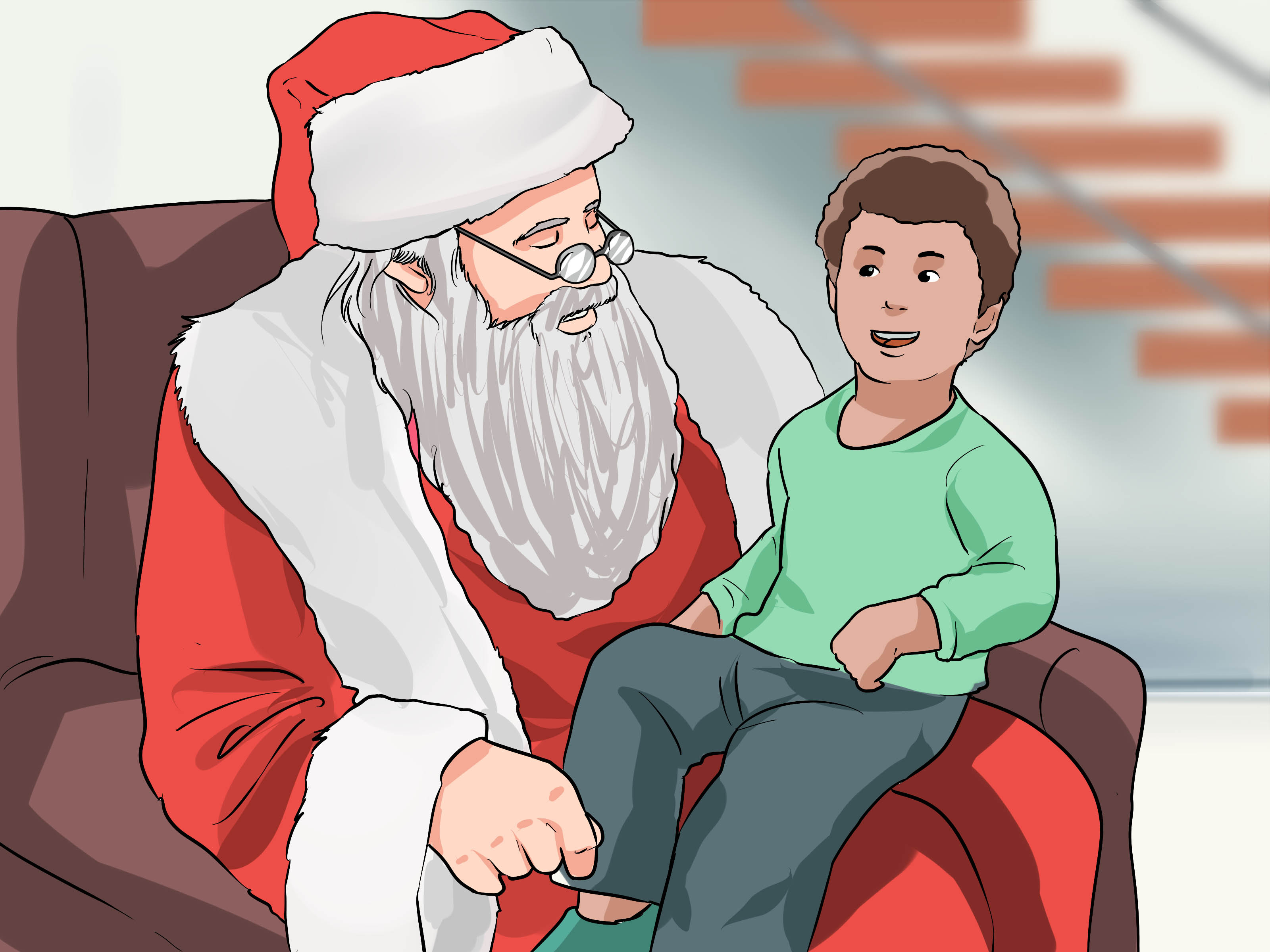
Some children love Santa. Some are nervous around costumed Santas. Some ask skeptical questions early. Let each child enjoy the tradition at their own pace. Do not force a crying child to sit for a Santa photo just to preserve a memory. A happy wave from a safe distance is still a memory, and it comes with fewer tears.
Do Not Overdo the “Proof”
A little evidence is charming. Too much evidence can feel like a government investigation with tinsel. Children often enjoy filling in the gaps themselves. If every detail is explained, the magic becomes smaller. Let some questions remain unanswered. Did Santa use the front door or chimney? Why is there glitter near the bookshelf? Why does one cookie have exactly one bite? The mystery is part of the fun.
What Counts as “Real” Evidence of Santa?
In a scientific sense, Santa evidence is part of a family tradition, not a laboratory conclusion. But in an emotional sense, the evidence can be very real. It proves that someone created wonder. It proves that generosity matters. It proves that stories can bring families together. It proves that children are capable of deep imagination and joyful curiosity.
Santa Claus has changed over centuries. The modern image of Santa was shaped by religious traditions, folklore, poems, illustrations, advertising, music, movies, and family customs. That means every household adds its own chapter. Maybe your Santa leaves tiny notes. Maybe he wraps gifts in red paper. Maybe he always forgets one mitten by the fireplace. These details become your family’s Santa signature.
Common Mistakes to Avoid
Making the Evidence Too Perfect
Perfect evidence looks staged. A perfectly centered footprint, a perfectly written note, or a perfectly arranged bite mark may feel less convincing than a slightly messy scene. Santa is delivering gifts around the world. He is not stopping to align cookie crumbs with a ruler.
Using Scary Sounds or Surprises
Keep the mood gentle. Loud roof banging, sudden shadows, or jump-scare tactics can frighten children. Santa evidence should feel cozy, not like a holiday monster movie with better snacks.
Posting Everything Online
It is natural to want to share cute Christmas moments, but think before posting. Avoid showing personal addresses, school names, expensive gifts, or children’s private reactions without care. A magical memory does not need public approval to be meaningful.
Experience Section: Real-Life Ways Families Make Santa Evidence Unforgettable
One of the best family experiences related to getting evidence of Santa Claus is the “cookie investigation.” The night begins with everyone choosing Santa’s snack. One child insists Santa prefers chocolate chip cookies. Another argues that a man who travels through winter skies deserves gingerbread. Someone adds milk, someone adds carrots, and someone usually eats one cookie “for quality control.” In the morning, the tray is transformed. The milk is lower, the cookies are bitten, and the carrots look like they survived a reindeer meeting. Children compare the before-and-after scene with the seriousness of detectives examining a museum robbery.
Another memorable experience is the mystery note. A family might leave a simple question for Santa: “What was your favorite stop tonight?” The next morning, a reply appears: “Your house was one of the warmest. The tree lights helped guide the sleigh.” That one sentence can become a child’s favorite part of Christmas. It feels personal. It suggests Santa noticed the home, the effort, and the glow of the room. Years later, the child may not remember every toy, but they may remember that note.
Footprints also create unforgettable excitement. Imagine children waking up and finding large snowy boot marks near the fireplace. They crouch down, measure the prints with a ruler, compare them with family shoes, and announce that nobody in the house has feet that big. The evidence may be made of flour or baking soda, but the reaction is pure gold. Parents often remember the gasp more than the setup.
Santa trackers can create a different kind of experience. Families gather around a screen on Christmas Eve, watching Santa move from place to place. The tracker becomes a countdown clock for bedtime. When Santa gets close, the energy changes. Children suddenly brush their teeth faster than medically expected. Pajamas appear. Blankets are pulled up. Everyone listens for bells. The house becomes quiet, but not boring quietexcited quiet.
Some families add a reindeer clue outdoors. A few oats near the porch, a red ribbon caught on a branch, or a carrot top left in the yard can turn the next morning into an outdoor expedition. Children step into the cold air, point at the ground, and build theories. “Dasher dropped this.” “No, Rudolph was eating too fast.” “Actually, an elf probably tripped.” These theories are not just cute. They are storytelling practice, creativity, and family bonding wrapped in holiday pajamas.
The most meaningful experience, however, is often the scrapbook. Saving Santa evidence year after year creates a record of childhood wonder. The pages may include photos, notes, drawings, and little comments like “We heard bells at 10:14 p.m.” Over time, the scrapbook becomes proof of something bigger than Santa’s visit. It proves that the family made time for magic. It proves that small traditions can become emotional landmarks. It proves that Christmas does not need to be perfect to be unforgettable.
Conclusion
Getting evidence of Santa Claus is not about proving every detail beyond doubt. It is about creating a joyful mystery that brings families together. With letters, cookie crumbs, footprints, trackers, reindeer clues, special wrapping paper, gentle sounds, and thoughtful notes, you can turn Christmas Eve into a magical investigation. Keep it safe, kind, and playful. The best Santa evidence does not simply say, “Santa was here.” It says, “Someone cared enough to make this morning feel wonderful.”
Note: This article is written as a playful, family-friendly holiday guide. The “evidence” ideas are intended for imagination, tradition, and festive storytelling, not for unsafe tricks or serious deception.