Note: A tan is a visible sign that your skin has reacted to ultraviolet (UV) exposure, and dermatology guidance is clear that there is no truly “safe” suntan. This article is written from a harm-reduction perspective: how to enjoy time outdoors, avoid burning, protect your skin, and get a darker-looking glow more responsibly.
Introduction: The Truth About Chasing a Dark Tan
Let’s be honest: many people love the look of a golden, beachy tan. It says, “I just came back from somewhere fabulous,” even if the “somewhere” was a folding chair in the backyard next to a kiddie pool. But before you sprint outside with sunglasses, a towel, and heroic confidence, there is one important thing to know: tanning is not skin care. It is your skin’s defense response to UV radiation.
When your skin darkens in the sun, your body is producing more melanin to help protect skin cells from further UV damage. That does not mean your skin is suddenly invincible. It means your skin has already received enough UV exposure to react. A dark tan may look smooth and summery today, but repeated UV exposure can lead to sunburn, dark spots, wrinkles, uneven tone, leathery texture, and a higher risk of skin cancer over time. In other words, the sun can give you a glow, but it also keeps receipts.
So, can you get a darker-looking tan while being smarter about sun exposure? Yes, if you shift your goal from “tan as fast as humanly possible” to “build color gradually, avoid burning, protect vulnerable areas, and consider sunless tanning for the deepest shade.” This guide walks through 11 practical steps for people who plan to spend time in the sun and want a darker appearance without treating their skin like toast.
How to Get a Dark Tan in the Sun: 11 Steps
1. Know Your Skin Type Before You Tan
The first step to getting a dark tan in the sun is understanding what your skin can realistically handle. Some people tan easily and rarely burn. Others burn after ten minutes and then spend three days looking like an apologetic tomato. Your natural skin tone, family history, freckles, medications, and previous sunburns all matter.
If you have very fair skin, lots of moles, a history of skin cancer, or a tendency to burn quickly, chasing a dark natural tan is especially risky. In that case, the safest way to get a dark tan is to use a sunless tanning lotion, mousse, spray, or gradual tanning moisturizer. These products color the outer layer of the skin without requiring UV exposure. You still need sunscreen afterward, but your skin gets the vacation look without the solar punishment.
2. Check the UV Index Before Going Outside
The UV Index tells you how strong the sun’s ultraviolet radiation is in your area. A higher UV Index means faster skin damage and a greater chance of burning. If the UV Index is high, very high, or extreme, your skin can burn quickly, even on a breezy day when you feel comfortable.
For a more responsible tanning routine, avoid turning the hottest, brightest part of the day into a personal cooking show. Midday sun, especially between late morning and mid-afternoon, is usually the most intense. If you want outdoor color, aim for shorter sessions earlier in the morning or later in the afternoon. You may tan more slowly, but you reduce your chances of leaving the beach with the texture and emotional stability of a boiled lobster.
3. Use Broad-Spectrum Sunscreen Every Time
Here is the myth that refuses to retire: “If I wear sunscreen, I will not tan.” Not exactly. Sunscreen reduces UV damage, but it does not block 100% of UV rays. Many people can still develop some color while wearing sunscreen, especially with repeated outdoor exposure. The difference is that sunscreen helps lower the risk of sunburn and long-term skin damage.
Choose a broad-spectrum sunscreen with SPF 30 or higher. “Broad-spectrum” means it helps protect against both UVA and UVB rays. UVB rays are strongly linked with sunburn, while UVA rays contribute to aging, pigmentation, and deeper skin damage. If you are swimming or sweating, choose a water-resistant formula and reapply often.
Apply sunscreen generously about 15 minutes before going outside. Most people use too little, which is like putting one umbrella over a baseball stadium and hoping for the best. Cover your face, ears, neck, chest, shoulders, hands, feet, and the backs of your legs. Do not forget your lips; use a lip balm with SPF.
4. Build Color Gradually Instead of Burning First
A sunburn is not a shortcut to a better tan. It is skin damage, plain and dramatic. Peeling after a burn can actually remove the color you were trying to build, leaving you patchy, irritated, and cranky. A gradual approach is better for your skin and usually gives a more even-looking result.
Start with short outdoor sessions. Depending on your skin type and the UV Index, that may mean 10 to 20 minutes of direct sun exposure before moving to shade, covering up, or going indoors. Over several days, your skin may develop a deeper tone without the painful burn-and-peel cycle. Think of it like roasting vegetables: low and slow gives you better results than setting off the smoke alarm.
5. Rotate Positions for an Even Tan
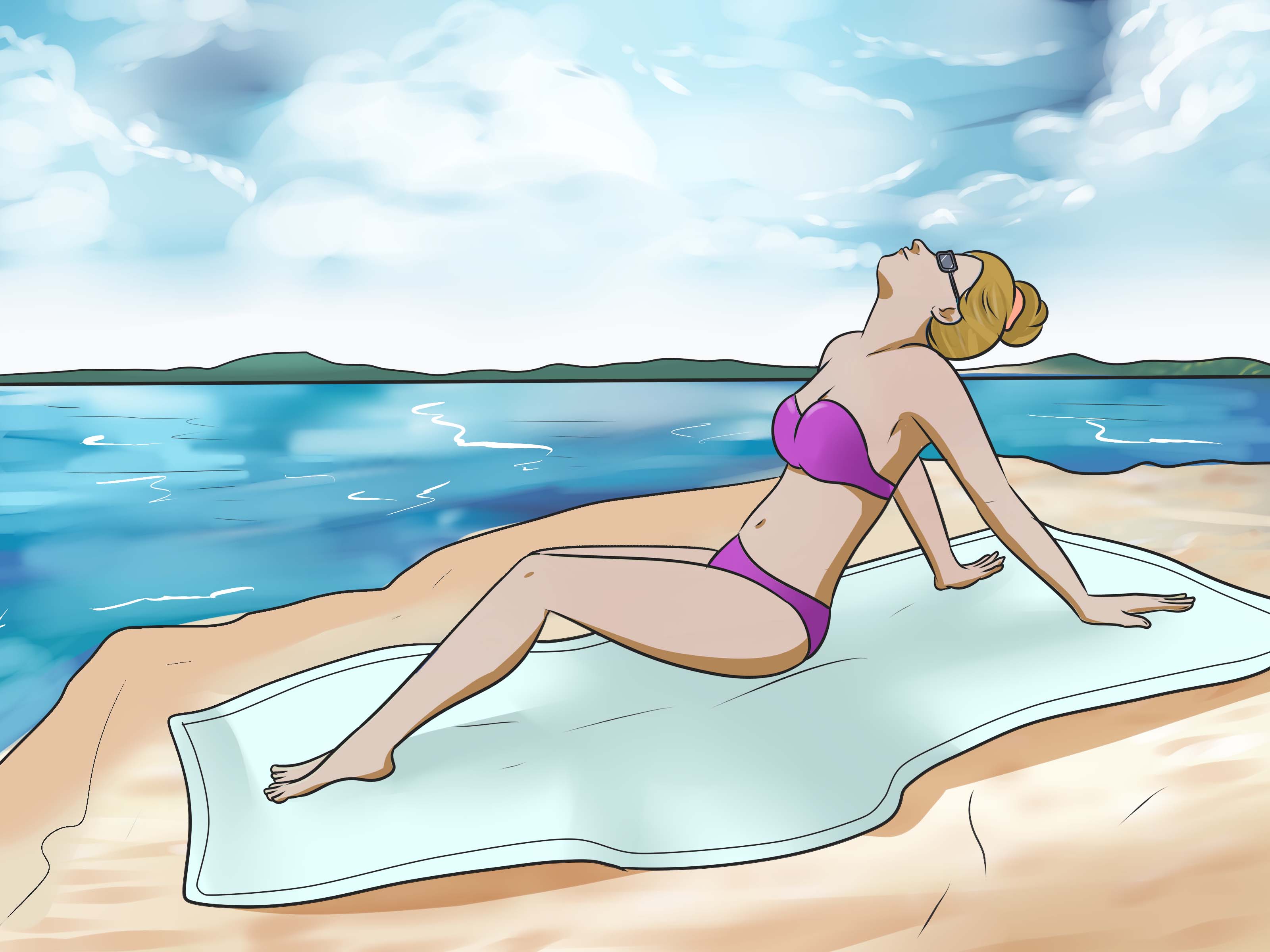
If you are lying out, change positions regularly so one area does not receive much more exposure than the rest. Uneven tanning happens when your shoulders, chest, or thighs get blasted while other areas stay shaded. Rotate from front to back, shift your arms and legs, and sit up occasionally.
That said, do not use rotation as an excuse to stay outside for hours. The goal is even exposure within a limited time, not a full-body negotiation with the sun. Set a timer if needed. Your future self will appreciate the reminder, especially if your current self is distracted by music, snacks, or pretending to read a book while actually people-watching.
6. Take Shade Breaks Like a Professional
Shade is not the enemy of a tan. Shade is your skin’s intermission. Taking breaks under an umbrella, tree, canopy, or covered patio can help reduce cumulative UV exposure and lower your risk of burning. You may still receive some reflected UV light in shade, especially near water, sand, concrete, or light-colored surfaces, so sunscreen still matters.
A smart routine might look like this: spend a short period in indirect or filtered sun, take a shade break, hydrate, reapply sunscreen, then decide whether more outdoor time makes sense. If your skin feels hot, tight, itchy, or tender, stop. Those are not “glow-up” signals. Those are your skin politely threatening to file a complaint.
7. Protect High-Risk Areas
Some areas burn faster than others, including the nose, cheeks, shoulders, chest, ears, scalp, tops of the feet, and back of the neck. These spots often receive direct sun and are easy to miss with sunscreen. If you want a darker overall look, you still need to protect these vulnerable areas carefully.
Wear a wide-brimmed hat when you are not actively trying to tan your face. Better yet, avoid tanning your face entirely and use bronzer or sunless tanner for facial color. Facial skin is constantly exposed to UV rays and tends to show sun damage early. A dark tan may fade in a week, but sun spots can become long-term roommates.
8. Avoid Tanning Oils That Do Not Contain Real SPF
Traditional tanning oils can make skin look shiny and may intensify UV exposure, but many provide little or no meaningful protection. If a product encourages you to stay in the sun longer without broad-spectrum SPF protection, it is not your skin’s friend. It is more like that friend who says, “One more episode,” at 2 a.m. on a work night.
If you like the look or feel of an oil, choose a sunscreen oil labeled broad-spectrum SPF 30 or higher, and apply it as carefully as any other sunscreen. Remember that oils can rub off, rinse off, and apply unevenly. Reapply at least every two hours and after swimming, sweating, or towel drying.
9. Hydrate Your Body and Moisturize Your Skin
Sun, heat, sweat, saltwater, and pool chlorine can leave your skin dry. Dry skin often looks dull, flakes faster, and may make a tan appear uneven. Drink water before, during, and after outdoor time. You do not need to carry a gallon jug like you are training for a desert marathon, but steady hydration helps your body handle heat better.
After sun exposure, shower gently and apply a fragrance-free moisturizer. Ingredients like aloe vera, glycerin, ceramides, and hyaluronic acid can help skin feel more comfortable and hydrated. Moisturizing will not erase UV damage, but it can support the skin barrier and help your color look smoother as it develops.
10. Use Sunless Tanner to Deepen the Look Safely
If your real goal is a dark tannot “a medically documented relationship with UV radiation”sunless tanning is your best tool. Modern self-tanners are much better than the orange formulas people feared years ago. Today’s lotions, mousses, drops, and sprays can create a realistic bronze shade when applied correctly.
For the deepest, most even color, exfoliate gently the day before applying self-tanner. Moisturize dry areas like elbows, knees, ankles, and wrists so they do not absorb too much product. Apply tanner in thin layers, wash your hands carefully, and allow it to dry before dressing. You can combine a light natural tan from everyday outdoor activity with sunless tanner for a darker look while keeping UV exposure lower.
11. Watch Your Skin and Know When to Stop
A healthy outdoor routine includes paying attention to your skin. Stop sun exposure immediately if your skin becomes pink, red, painful, itchy, blistered, or unusually hot. Sunburn can continue to develop after you go indoors, so do not wait until you look burned to take action.
Check your skin regularly for new or changing spots, especially moles that change size, shape, color, border, or sensation. If something bleeds, crusts, grows quickly, or looks different from your other spots, make an appointment with a dermatologist. A tan is temporary; your skin health is not.
Common Mistakes People Make When Trying to Tan Darker
Mistake 1: Skipping Sunscreen
Skipping sunscreen may make you burn faster, but that is not the same as tanning better. Burning can lead to peeling, uneven color, pain, and long-term damage. Sunscreen helps you spend time outside more responsibly.
Mistake 2: Believing a Base Tan Is Strong Protection
A base tan offers very little protection compared with proper sunscreen. It may slightly reduce the chance of burning for some people, but it still represents UV damage and does not make your skin safe in the sun.
Mistake 3: Tanning During Peak UV Hours
Trying to tan at the strongest time of day may produce faster redness, not better bronze. High UV exposure increases your risk of sunburn and uneven results. Shorter, lower-intensity sessions are smarter.
Mistake 4: Forgetting Reflection
Water, sand, pavement, snow, and light surfaces can reflect UV rays. That means you can burn even under conditions that feel less intense. Beach days require extra care because the sun is not just above you; it is bouncing around like it paid for a VIP pass.
Mistake 5: Ignoring Medications and Skin Treatments
Some medications and skin care ingredients can make your skin more sensitive to sunlight. These may include certain antibiotics, acne treatments, retinoids, exfoliating acids, and other prescriptions. If you use active skin care or take medication, check the label and ask a healthcare professional whether you need extra sun precautions.
What to Do After Sun Exposure
After spending time in the sun, treat your skin gently. Take a cool or lukewarm shower, avoid harsh scrubs, and apply moisturizer while your skin is slightly damp. If your skin feels irritated, use a simple, fragrance-free moisturizer or aloe-based gel. Avoid exfoliating immediately after tanning because it can make irritation worse and fade your color faster.
If you develop a mild sunburn, get out of the sun, cool the skin, drink water, and avoid further UV exposure while your skin heals. If you have blistering, fever, chills, dizziness, severe pain, confusion, or signs of dehydration, seek medical care. A severe sunburn is not a badge of summer courage. It is a medical problem wearing sunglasses.
Can You Get a Dark Tan Without Damaging Your Skin?
The most honest answer is this: you can get a darker-looking tan without UV damage by using sunless tanning products. You cannot get a natural suntan without some level of UV-triggered skin response. That does not mean everyone must hide indoors forever. Outdoor time can be healthy, joyful, and good for mood. The key is to enjoy the outdoors while reducing unnecessary UV exposure.
If you want the look of a deep tan for a vacation, wedding, photoshoot, reunion, or “I want to look alive in shorts” season, a sunless tanner is the safest main strategy. Add sunscreen, protective clothing, hats, sunglasses, and shade when you go outside. You get the glow without asking your skin to do all the risky work.
Extra Experience: Real-Life Lessons From Trying to Get a Dark Tan
Anyone who has tried to get a dark tan in the sun probably has at least one dramatic story. Maybe you fell asleep on a towel and woke up with one side darker than the other, like a human grilled cheese. Maybe you wore sunglasses too long and got raccoon eyes so sharp they deserved their own ZIP code. Maybe you forgot sunscreen on your feet and discovered that shoes can become tiny prisons when the tops of your feet are burned.
The biggest real-world lesson is that tanning always feels slower than burning. You may sit outside thinking nothing is happening, especially if there is wind or cloud cover. Then later, indoors, your skin starts warming up like it just remembered an important appointment. This delayed reaction is why timers and shade breaks are so useful. Do not judge your exposure only by how your skin looks in the moment.
Another practical lesson: preparation makes a tan look better. Dry, flaky skin does not tan evenly. Before a planned beach day or pool weekend, gentle exfoliation and regular moisturizing can help your skin look smoother. Do not scrub your skin raw; this is not a kitchen pan. A soft washcloth or mild exfoliating product used a day or two before sun exposure is enough for most people. On the day you go outside, sunscreen comes first.
Clothing choices matter too. If you want fewer awkward tan lines, plan your swimsuit or outfit ahead of time. However, avoid obsessing over perfect tan lines so much that you skip protection. A white strap mark is easier to deal with than blistered shoulders. For events, many people get better results by using self-tanner to even out lines instead of trying to “fix” them with more sun.
Hydration is another lesson people underestimate. A long sunny day can leave you tired, headachy, and dry, especially if you are swimming, sweating, or enjoying salty snacks. Water will not prevent UV damage, but it helps you feel better and supports normal body function in heat. Pair water with shade breaks and food. Tanning on an empty stomach while dehydrated is not glamorous; it is just a slow-motion bad decision.
One of the best experiences comes from switching the goal. Instead of asking, “How fast can I get dark?” ask, “How can I look sun-kissed and still have happy skin next week?” That mindset changes everything. You reapply sunscreen. You bring a hat. You stop before you burn. You use a gradual self-tanner at night to deepen the color. The final result often looks better because it is smoother, less red, and less patchy.
People with deeper skin tones also need to be included in this conversation. More melanin can offer some natural protection, but it does not make skin immune to UV damage, hyperpigmentation, premature aging, or skin cancer. Sunscreen is still important. In fact, preventing uneven dark spots is one reason many people with medium to deep skin tones benefit from daily sun protection.
The most useful “dark tan” trick is not a secret oil, a dangerous peak-hour schedule, or a viral hack involving pantry ingredients. It is the combination of moderate outdoor time, broad-spectrum sunscreen, shade, patience, moisturizer, and sunless tanner when you want extra depth. That may sound less exciting than a miracle shortcut, but your skin is not a science fair project. Treat it kindly, and it will generally look better for longer.
Conclusion: Get the Glow, Not the Burn
Getting a dark tan in the sun is not just about lying outside and hoping for the best. A smarter approach starts with understanding your skin, checking the UV Index, wearing broad-spectrum SPF 30 or higher, avoiding peak sun, taking shade breaks, and building color gradually. The deepest and safest-looking bronze usually comes from combining careful outdoor habits with sunless tanning products.
Remember: a tan fades, but sun damage can last. If you want a darker glow, choose methods that protect your skin as much as possible. Your future face, shoulders, and dermatologist will all be grateful.