Note: This guide is for educational purposes and is best used alongside advice from an exotic or reptile veterinarian.
Feeding a green anole sounds simple at first. You buy a few bugs, toss them in the enclosure, and let your tiny dinosaur do the rest. Easy, right? Well… sort of. Green anoles are small, fast, picky in their own charming way, and absolutely not impressed by oversized prey, stale food, or a habitat that feels like a bad motel. If you want your lizard to stay alert, bright-eyed, active, and ready to hunt, feeding has to be done with a little strategy.
A healthy green anole is an insect-eater through and through. In the wild, it watches, waits, and snaps up moving prey. In captivity, that natural hunting instinct still matters. That means the best feeding routine is not just about what you offer, but also when, how much, how often, and how well the prey was prepared before it ever reached your lizard.
This guide breaks the process into 11 clear steps so you can stop guessing and start feeding your green anole the right way. Think of it as a practical roadmap with fewer myths, more real care advice, and only a tiny amount of cricket drama.
Why Feeding a Green Anole Is More Than “Drop in a Cricket”
Green anoles are insectivores, but that does not mean every bug is equal. Some feeder insects are better staples than others. Some should be occasional treats. Some are too large. Some are too fatty. And some are downright dangerous. On top of that, feeder insects need to be gut-loaded and usually dusted with calcium or vitamins so your lizard gets proper nutrition instead of a crunchy but useless snack.
Feeding also connects directly to husbandry. If your anole is too cold, too stressed, dehydrated, or living in poor lighting, appetite often drops fast. So yes, feeding is about food, but it is also about creating the conditions that make your lizard actually want to eat.
The 11 Steps to Feed a Green Anole Properly
Step 1: Know what green anoles actually eat
If you are wondering what to feed a green anole lizard, start with this rule: green anoles eat live insects. They are not salad eaters, fruit lovers, or pellet connoisseurs. Their natural instinct is to spot movement and strike. That is why live prey works best.
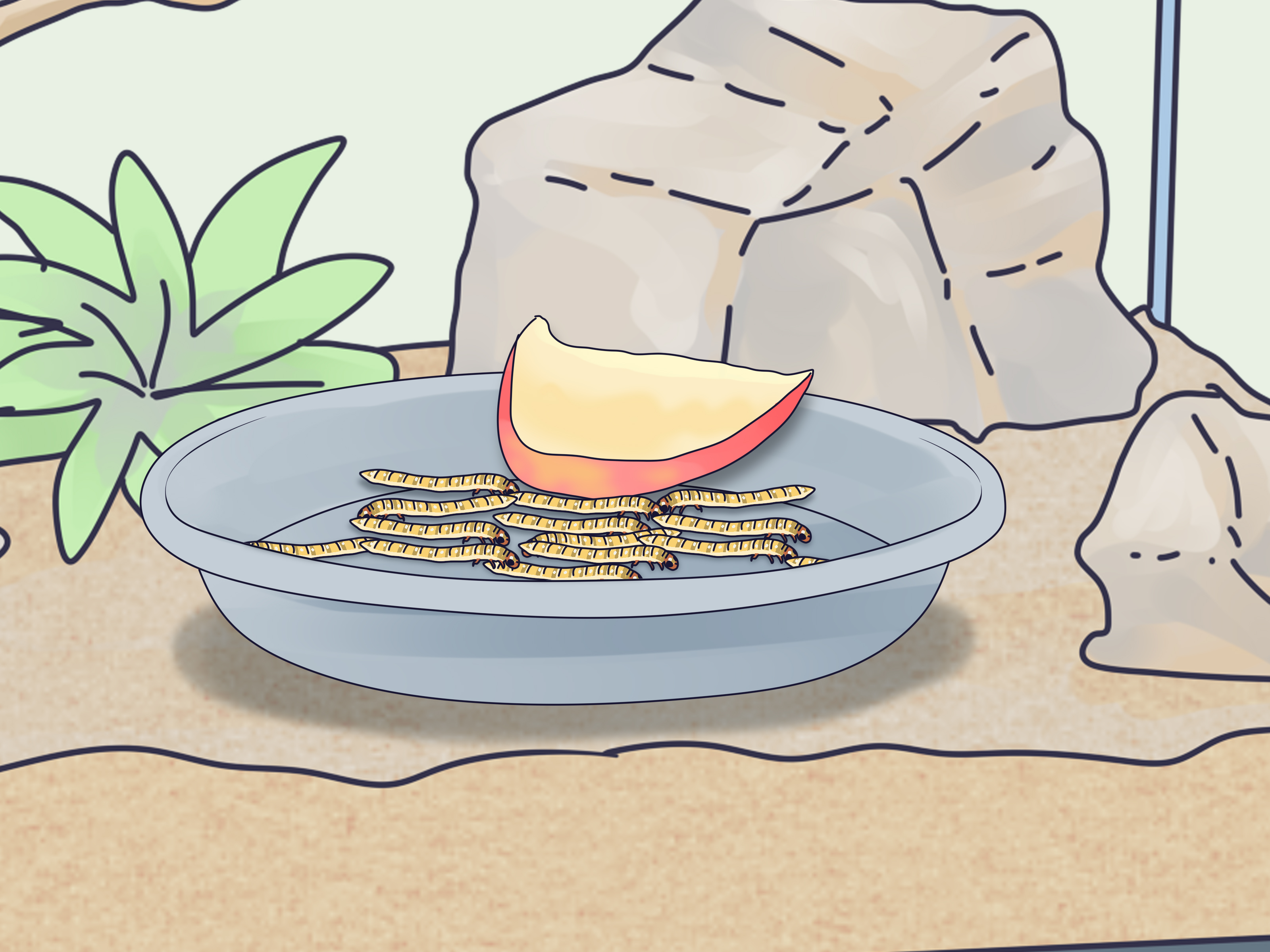
Good feeder choices include small crickets, small dubia roaches, flightless fruit flies for tiny juveniles, calci-worms, black soldier fly larvae, silkworms, and small mealworms used in moderation. Variety matters because no single insect is nutritionally perfect. A mixed menu gives your anole a better shot at balanced nutrition and keeps feeding time interesting. Even a tiny lizard appreciates a little culinary range.
Step 2: Pick prey that is the right size
Size matters more than many new keepers realize. A useful rule is to offer prey that is no larger than the width between your anole’s eyes, or at least clearly smaller than the head. Oversized prey is not brave feeding. It is a choking risk, a stress trigger, and sometimes a reason your lizard looks at dinner like it just received a homework assignment.
Small green anoles do best with pinhead or very small crickets, tiny roaches, or fruit flies. Adults can handle slightly larger feeders, but “slightly” is the key word. If a feeder insect looks like it could bench-press your lizard, it is too big.
Step 3: Feed live insects, not dead or freeze-dried ones
Green anoles are visual hunters. Movement gets their attention. A live insect walking across a branch says, “Catch me if you can,” which is exactly the sort of invitation an anole enjoys. Freeze-dried insects, on the other hand, often sit there like tiny beige regrets.
Live prey also encourages natural stalking and striking behavior. That mental stimulation matters. A bored anole is not your goal. A sharp, engaged, spring-loaded little predator is. Offer prey that moves, and you will usually get a much stronger feeding response.
Step 4: Gut-load feeder insects before serving
Here is one of the most important steps in green anole care: feed the bugs before the bugs feed your lizard. Gut-loading means giving feeder insects a nutritious diet for at least 24 to 72 hours before they are offered. That way, your anole eats a better-packed meal instead of an empty exoskeleton with legs.
Use a quality commercial gut-load and add fresh greens or other appropriate insect foods when recommended. Hydrate the feeder insects too. Well-fed, well-hydrated prey helps support your anole’s nutrition far better than random store-bought insects that have been sitting around living on hope and cardboard.
Step 5: Dust insects with calcium and vitamins
Most feeder insects are naturally too low in calcium for reptiles. That is why supplement dust is such a big deal. Lightly coat insects with a reptile-safe calcium supplement, and use a reptile multivitamin on a schedule that fits your vet’s advice and your species-specific setup.
Many care sheets recommend calcium frequently and a multivitamin about once a week. Some routines use calcium with vitamin D3 several times weekly, especially when lighting and veterinary advice support that approach. The safest path is consistency, not random guesswork. A little supplement goes a long way. You are aiming for “lightly powdered,” not “donut hole from a lizard bakery.”
Step 6: Feed on the right schedule for age and size
Juvenile green anoles generally need food every day because they are still growing. Adults usually do well every other day. Some keepers offer 2 to 5 small feeders per session, while others adjust based on body condition, activity level, and how eagerly the anole hunts. The point is not to follow a magical number carved into stone. The point is to feed enough, but not too much.
If your lizard is young, active, and lean, it will usually need more frequent meals. If it is an adult with a healthy body condition, skip the buffet mindset. Green anoles are small reptiles, not tiny garbage disposals.
Step 7: Feed during the day, after the enclosure warms up
Green anoles are diurnal, which means they are active during the day. Offer food when the lights have been on long enough for the lizard to warm up and become alert. A cold, sleepy anole is not in hunting mode. It is in “please do not make me chase things before coffee” mode.
Morning to early afternoon often works well. Watch your lizard’s behavior. If it becomes active, climbs, basks, and scans the enclosure, that is a good feeding window. If it stays dark, sluggish, or hidden, look at temperatures, stress, hydration, and lighting before blaming the menu.
Step 8: Give your anole water the way it prefers it
Yes, fresh clean water should always be available. But green anoles often prefer to drink water droplets from leaves and surfaces rather than marching to a bowl like a tiny bearded dragon. That means regular misting is part of feeding success, not just decoration for your terrarium plants.
Mist daily so droplets collect on leaves and climbing surfaces. Keep a shallow water dish available too, and change it daily. Good hydration supports appetite, shedding, and overall health. If your anole looks wrinkled, weak, or uninterested in food, dehydration may be part of the problem.
Step 9: Remove uneaten insects quickly
Do not leave a crowd of feeder insects wandering around indefinitely. Uneaten crickets and similar insects can stress your anole, disturb rest, and even chew on the lizard’s skin. A feeding session should be active but controlled.
After about 15 to 30 minutes, remove what was not eaten. This also helps you track appetite. If your anole usually pounces on food but suddenly ignores it, that change matters. Appetite is one of the earliest clues that something in the setup or health picture may be off.
Step 10: Avoid dangerous foods and common mistakes
Never feed wild-caught insects from your yard, porch, or garage. They may carry pesticides, parasites, or other toxins. Fireflies and lightning bugs are a hard no. They are dangerous to lizards. Also avoid offering prey that is too large, relying on one feeder insect forever, or using pellets as the entire diet.
Another common mistake is feeding too many fatty treats. Waxworms may be accepted with enthusiasm, but they should stay in the “sometimes” category. If your lizard starts acting like a picky reality show judge and will only take dessert insects, the feeding plan needs a reset.
Step 11: Watch your anole, not just the feeding chart
The best feeding routine is the one that matches the lizard in front of you. A healthy green anole usually shows interest in movement, keeps a decent body condition, grips well, and stays bright and responsive. If your lizard stops eating, loses weight, becomes persistently dark, hides constantly, or looks weak, take that seriously.
Feeding charts are helpful, but they do not replace observation. Your anole will tell you a lot if you pay attention. Think of yourself as part waiter, part detective, and part weather manager. Reptile care is glamorous like that.
Best Feeder Insects for Green Anoles
A strong staple rotation often looks like this:
- Small crickets: Easy to find and commonly accepted
- Small dubia roaches or similar small roaches: Nutritious and easy to gut-load
- Flightless fruit flies: Great for very small juveniles
- Calci-worms / black soldier fly larvae: Useful for variety
- Silkworms: Good occasional feeder
- Mealworms or waxworms: Better as limited extras than everyday staples
The goal is not to build the world’s fanciest insect collection. It is to rotate safe, appropriately sized, nutritious live prey so your anole gets variety and stays interested in hunting.
Habitat Conditions That Affect Feeding
If a green anole will not eat, food may not be the real problem. These lizards need proper lighting, including UVB, because UVB helps reptiles produce vitamin D3 and absorb calcium properly. They also do best with a warm, well-ventilated enclosure and humidity in a healthy range. If the setup is wrong, appetite often falls apart.
For many keepers, this is the big “aha” moment. They buy better insects, add better supplements, and still the anole eats poorly because the enclosure is too cool, too dry, too crowded, or too stressful. Feeding and husbandry are teammates. If one of them is failing, the whole game gets ugly fast.
Common Feeding Mistakes to Avoid
- Offering prey that is too large
- Feeding only one insect type forever
- Skipping gut-loading
- Never using calcium or vitamin supplements
- Leaving feeder insects loose in the enclosure all day
- Using wild-caught insects
- Feeding fatty treats too often
- Ignoring poor appetite for several days
If you avoid those mistakes, you are already ahead of many first-time reptile owners.
A Simple Example Feeding Routine
For a juvenile green anole
Offer small live insects daily. Use very small crickets, tiny roaches, or fruit flies depending on size. Gut-load insects ahead of time. Dust according to your supplement schedule. Mist the enclosure daily and remove leftovers after the session.
For an adult green anole
Offer a small meal every other day, usually a few appropriately sized insects. Rotate feeders instead of serving the same thing every time. Keep fresh water available, mist regularly, and pay attention to body condition and behavior.
Real-World Feeding Experiences and Lessons Keepers Learn Over Time
One of the most common experiences new green anole keepers talk about is surprise. Not because the lizard is difficult in a dramatic way, but because it is more precise than expected. A person may assume that feeding a tiny reptile means dropping in a cricket and walking away. Then the anole ignores the bug, hides on a branch, turns a little brown, and suddenly the keeper realizes this animal has standards.
Many people notice that appetite improves once the enclosure routine becomes predictable. Lights come on, the terrarium warms up, the lizard basks for a while, and only then does it begin acting like a hunter. That pattern teaches an important lesson: anoles often eat best when their environment feels stable. The food did not magically improve overnight. The conditions around the food did.
Another common experience is learning the value of smaller prey. A new keeper may buy insects that seem “pretty small” to a human eye, only to discover they are comically oversized for a green anole. Once the prey size is corrected, feeding usually becomes smoother. The lizard stops staring at dinner like it has been asked to wrestle it and starts striking with confidence.
Keepers also learn very quickly that variety matters. An anole that once attacked crickets enthusiastically may become less eager if fed the exact same item over and over. Adding small roaches, fruit flies, calci-worms, or silkworms often wakes up that hunting response again. It is not always true pickiness. Sometimes the animal simply responds better to movement, size, or texture from a different feeder insect.
Hydration is another lesson that comes from experience. Many keepers place a water bowl in the enclosure and assume that covers it. Later, they realize the anole drinks more readily after misting, when droplets cling to leaves and branches. Watching a green anole lap water from a leaf teaches a beginner more in ten seconds than a full paragraph on a care sheet. It also explains why some lizards seem uninterested in food when the enclosure has been too dry.
Supplement routines are often where trial and error turns into discipline. At first, some keepers dust insects irregularly, then wonder why they feel unsure about nutrition. Once they create a simple pattern for calcium and vitamins, feeding becomes easier to manage. That routine removes guesswork, and reptiles tend to do better when humans stop improvising every five minutes.
Perhaps the biggest lesson of all is that feeding is one of the best health checks you have. A green anole that hunts, aims well, swallows comfortably, and returns to basking usually gives reassuring signals. A green anole that ignores food, loses interest in movement, or stays dark and withdrawn is waving a little flag that says, “Something is off.” Experienced keepers learn not to brush that off. They adjust temperatures, check humidity, review lighting, and contact a reptile-savvy veterinarian when needed.
In other words, feeding a green anole becomes easier with practice, but it never becomes careless. And honestly, that is part of the appeal. These little lizards may be small, but they keep you paying attention.
Final Thoughts
If you want to feed a green anole properly, remember the big picture: offer small live insects, keep the diet varied, gut-load feeders, use calcium and vitamins wisely, provide daily hydration through misting, and never ignore a change in appetite. Those are the habits that support a healthier, more active lizard.
Green anoles are not high-maintenance in the dramatic, throw-your-wallet-into-the-volcano sense. But they are detail-oriented. Respect those details, and feeding becomes one of the most enjoyable parts of caring for them. You get a front-row seat to one of nature’s smallest ambush predators, and your anole gets meals that actually support long-term health. Everybody wins, except the crickets.