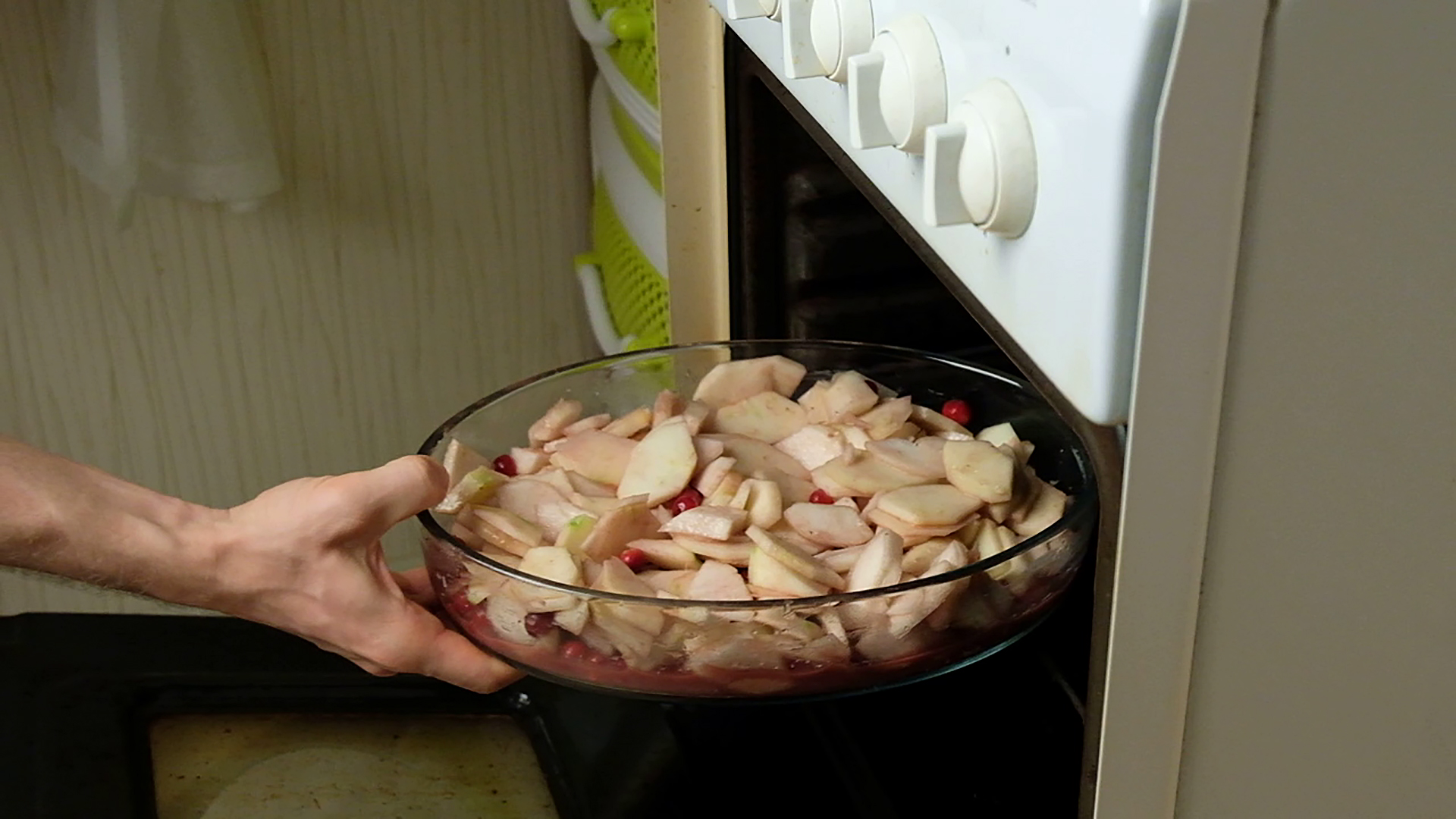
Fresh cranberries are tiny ruby troublemakers. They look adorable in the bag, bounce around the counter like they have somewhere important to be, and then shock your taste buds with a tartness that could wake a sleeping uncle after Thanksgiving dinner. But once you know how to cook fresh cranberries, they become one of the easiest, brightest, and most flexible ingredients in the kitchen.
The magic of fresh cranberries is simple: heat softens their sharp bite, sugar balances their tartness, citrus adds sparkle, and a short simmer turns them into glossy sauces, chutneys, relishes, and baked treats. You do not need fancy equipment, chef-level knife skills, or a holiday emergency to use them. A 12-ounce bag of cranberries can become a classic side dish, a spoonable topping, a savory condiment, or a batch of muffins that makes the kitchen smell like December learned how to bake.
This guide explains how to prepare fresh cranberries and gives you four simple recipes: classic cranberry sauce, orange cranberry compote, cranberry apple chutney, and fresh cranberry orange muffins. Each recipe is practical, beginner-friendly, and built around real cooking techniques that work at home.
Why Fresh Cranberries Deserve a Spot in Your Kitchen
Fresh cranberries are naturally tart, firm, and loaded with bright flavor. Unlike dried cranberries, which are usually sweetened, fresh cranberries give you full control over sweetness and texture. They are also wonderfully dramatic while cooking. Drop them into a hot pot with sugar and liquid, and after a few minutes they begin to pop. That popping is not kitchen chaos; it is the berries breaking open and releasing natural pectin, which helps sauces thicken beautifully.
Fresh cranberries pair especially well with orange juice, lemon zest, apples, pears, cinnamon, ginger, maple syrup, honey, brown sugar, cloves, walnuts, pecans, pork, turkey, chicken, oatmeal, yogurt, and soft cheeses. In other words, they are not just for one holiday meal. They can brighten breakfast, balance rich dinners, and rescue plain leftovers from boredom.
How to Prepare Fresh Cranberries Before Cooking
1. Rinse and Sort
Place the cranberries in a colander and rinse them under cool running water. Pick out any berries that are soft, shriveled, brown, or bruised. Good cranberries should be firm and glossy. Some may be pale red or deep ruby; color can vary, but mushiness is a no-thank-you.
2. Do Not Soak Them Too Long
Cranberries are sturdy, but they do not need a spa day. A quick rinse is enough. Wash them right before using so they stay fresher longer.
3. Use Fresh or Frozen
Most recipes that use fresh cranberries can also use frozen cranberries without thawing. Frozen berries may take a minute or two longer to cook, but they behave almost the same way in sauces, compotes, chutneys, and muffins.
4. Balance Tartness Thoughtfully
Cranberries need sweetness, but they do not need to become candy. Start with the recipe amount, taste near the end, and adjust. Orange juice, apple cider, maple syrup, honey, and brown sugar can sweeten while adding more flavor than plain white sugar alone.
Recipe 1: Classic Fresh Cranberry Sauce
This is the essential recipe every home cook should know. It is glossy, tart-sweet, quick, and far better than the can-shaped cylinder that slides onto the plate with a suspicious wobble.
Ingredients
- 1 12-ounce bag fresh cranberries, rinsed and sorted
- 1 cup granulated sugar
- 1 cup water
- 1 teaspoon orange zest, optional
- Pinch of salt
Instructions
- Add the water and sugar to a medium saucepan. Bring to a boil over medium-high heat, stirring until the sugar dissolves.
- Add the cranberries and a pinch of salt. Return the mixture to a boil.
- Reduce the heat to medium-low and simmer for 10 to 12 minutes, stirring occasionally, until most of the cranberries burst and the sauce thickens.
- Stir in orange zest if using. Remove from heat.
- Let the sauce cool to room temperature, then refrigerate until ready to serve.
Tips for Best Results
For a smoother sauce, mash the berries with the back of a spoon as they cook. For a chunkier sauce, stir gently and stop cooking once most berries have popped but some remain whole. Cranberry sauce thickens as it cools, so do not panic if it looks slightly loose in the pot. It is just doing its final paperwork.
Recipe 2: Orange Cranberry Compote
A compote is similar to sauce, but it usually has more texture and a fruit-forward personality. This orange cranberry compote is perfect on pancakes, waffles, oatmeal, cheesecake, toast, roasted chicken, and vanilla ice cream. Yes, one recipe can handle breakfast and dessert. Respect.
Ingredients
- 1 12-ounce bag fresh cranberries
- 1/2 cup orange juice
- 1/2 cup water
- 1/2 cup brown sugar
- 1 tablespoon maple syrup or honey
- 1 teaspoon orange zest
- 1/2 teaspoon cinnamon
- Pinch of salt
Instructions
- Combine orange juice, water, brown sugar, maple syrup, cinnamon, and salt in a saucepan.
- Bring to a gentle boil over medium heat.
- Add the cranberries and simmer for 10 to 15 minutes, stirring occasionally.
- When the berries have burst and the mixture looks glossy, remove from heat.
- Stir in orange zest. Cool slightly before serving.
Serving Ideas
Spoon this compote over Greek yogurt with granola for a quick breakfast. Use it as a topping for pound cake or cheesecake. Spread it on a turkey sandwich with cream cheese or brie. It also makes plain oatmeal taste like it has a holiday reservation at a nice restaurant.
Recipe 3: Cranberry Apple Chutney
Cranberry chutney is where sweet, tart, savory, and spiced flavors meet and decide to become best friends. It is thicker and more complex than cranberry sauce, thanks to apples, onion, vinegar, and warm spices. Serve it with roasted turkey, pork tenderloin, grilled cheese, charcuterie boards, or leftover chicken.
Ingredients
- 1 12-ounce bag fresh cranberries
- 1 medium apple, peeled and diced
- 1/3 cup finely chopped onion
- 1/2 cup brown sugar
- 1/3 cup apple cider vinegar
- 1/3 cup orange juice
- 1/4 cup raisins or dried cranberries, optional
- 1 teaspoon grated fresh ginger
- 1/2 teaspoon cinnamon
- 1/8 teaspoon cloves
- Pinch of salt
Instructions
- Add all ingredients to a medium saucepan and stir well.
- Bring to a boil over medium-high heat.
- Reduce heat to medium-low and simmer for 18 to 22 minutes, stirring often.
- Cook until the cranberries burst, the apple softens, and the mixture becomes thick and spoonable.
- Cool before serving. Refrigerate leftovers in a covered container.
Flavor Variations
Add chopped pecans after cooking for crunch. Use pear instead of apple for a softer texture. Add a pinch of cayenne if you want subtle heat. For a richer holiday flavor, replace half the brown sugar with maple syrup.
Recipe 4: Fresh Cranberry Orange Muffins
Cooking fresh cranberries does not always mean making sauce. Baking is one of the best ways to use them because their tartness cuts through sweet batter and keeps every bite lively. These cranberry orange muffins are tender, bright, and easy enough for a weekend breakfast.
Ingredients
- 2 cups all-purpose flour
- 2/3 cup granulated sugar
- 2 teaspoons baking powder
- 1/2 teaspoon baking soda
- 1/2 teaspoon salt
- 1 cup fresh cranberries, roughly chopped
- 1 large egg
- 3/4 cup milk or buttermilk
- 1/3 cup vegetable oil or melted butter
- 1/4 cup orange juice
- 1 tablespoon orange zest
- 1 teaspoon vanilla extract
Instructions
- Preheat the oven to 375°F. Line a 12-cup muffin pan with paper liners or lightly grease it.
- In a large bowl, whisk together flour, sugar, baking powder, baking soda, and salt.
- Toss the chopped cranberries with one tablespoon of the flour mixture. This helps keep them from sinking.
- In another bowl, whisk egg, milk, oil, orange juice, orange zest, and vanilla.
- Pour the wet ingredients into the dry ingredients. Stir just until combined. Do not overmix.
- Fold in the cranberries.
- Divide batter among muffin cups and bake for 18 to 22 minutes, or until a toothpick inserted in the center comes out clean.
- Cool for 5 minutes in the pan, then transfer to a wire rack.
Helpful Muffin Notes
Chopping the cranberries spreads their flavor more evenly and prevents huge tart bursts in one bite. If you like bakery-style tops, sprinkle a little coarse sugar over the batter before baking. If using frozen cranberries, keep them frozen and fold them in quickly so the batter does not turn pink.
Common Mistakes When Cooking Fresh Cranberries
Using Too Much Liquid
Cranberries release juice as they cook. If you add too much water or juice, the sauce may turn thin. Simmer it a little longer to reduce the liquid, but remember that it will thicken as it cools.
Overcooking the Sauce
Cranberries contain natural pectin, so they can go from glossy sauce to sticky jam if cooked too long. If your sauce gets too thick, stir in a splash of water or orange juice while it is still warm.
Forgetting Salt
A tiny pinch of salt does not make cranberry sauce salty. It simply sharpens the sweetness and rounds out the tartness. It is the small detail that makes people ask, “Why is this so good?” while pretending they are not taking a third spoonful.
Serving It Only Once a Year
Fresh cranberries are strongly associated with Thanksgiving, but they are useful far beyond the holiday table. Freeze extra bags and use them in muffins, sauces, smoothies, quick breads, chutneys, and fruit toppings throughout the year.
How to Store Cooked Cranberries
Cooked cranberry sauce, compote, and chutney should be cooled and stored in a covered container in the refrigerator. For best quality, use homemade cranberry dishes within about a week. Muffins can be stored in an airtight container at room temperature for two to three days, refrigerated for longer freshness, or frozen for future breakfasts.
Fresh cranberries can also be frozen. Spread them on a baking sheet until firm, then transfer them to a freezer-safe bag or container. This prevents one giant cranberry iceberg from forming. Use frozen cranberries directly in most cooked recipes.
What to Serve With Fresh Cranberry Recipes
Classic cranberry sauce belongs with turkey, but it also works beautifully with roast chicken, baked ham, pork chops, meatballs, and grain bowls. Orange cranberry compote is excellent with breakfast foods like oatmeal, pancakes, waffles, yogurt, and French toast. Cranberry apple chutney loves cheese boards, sandwiches, and roasted meats. Cranberry orange muffins are ideal with coffee, tea, or a quiet moment before the day starts asking too many questions.
Experience Notes: What I Learned Cooking Fresh Cranberries at Home
The first thing you learn when cooking fresh cranberries is that they are louder than expected. Not thunderstorm loud, but enough that the first few pops in the saucepan make you glance over like the berries are trying to escape. That popping sound is actually helpful because it tells you the cranberries are softening and releasing their juices. Once you hear it, you know the recipe is moving from “berries floating in syrup” to “real cranberry sauce.”
One of the best experiences with fresh cranberries is discovering how much flavor changes after cooling. A hot cranberry sauce can taste sharper and thinner than you expected. After an hour in the refrigerator, the texture firms up and the flavor becomes smoother. This is why cranberry sauce is such a good make-ahead recipe. It rewards patience, which is convenient because holiday cooking already involves enough last-minute drama.
Another useful lesson is that orange is not just a decorative flavor. Orange juice softens cranberry tartness, while orange zest gives the finished dish a fresh aroma that sugar alone cannot provide. The zest is especially powerful in muffins and compotes. Add it near the end of cooking or directly into batter, and the whole dish tastes brighter. It is a small step, but it makes the recipe feel intentional rather than simply sweet.
Fresh cranberries also teach you the value of texture. Whole berry sauce has a rustic charm, but not everyone loves the skins. If you are serving picky eaters, mash the sauce lightly or cook it a few minutes longer. For chutney, texture is the entire point. Diced apple, raisins, onion, and popped cranberries create a spoonful that is sweet, tangy, soft, and chewy all at once. It turns plain roasted meat into something memorable.
The biggest surprise is how useful cranberry leftovers can be. A few spoonfuls of sauce can be stirred into plain yogurt, spread on toast, added to a turkey sandwich, warmed into a glaze, or served over ice cream. Cranberry compote can make a basic breakfast look fancy with almost no effort. Muffins freeze well, which means future you gets a reward for present you doing the baking.
If you are new to cooking fresh cranberries, start with the classic sauce. It is fast, forgiving, and teaches you how cranberries behave with heat. Then try the compote when you want something fruitier, the chutney when you want a savory condiment, and the muffins when you want proof that cranberries can do more than sit beside turkey. Once you understand the tart-sweet balance, fresh cranberries become less intimidating and much more fun.
Conclusion
Learning how to cook fresh cranberries is one of the easiest ways to add bold color, bright flavor, and homemade charm to your kitchen. With just a saucepan, a baking pan, or a muffin tin, these tart little berries can become classic cranberry sauce, citrusy compote, savory apple chutney, or tender orange muffins. The key is balance: rinse and sort the berries, add enough sweetness to soften their sharpness, use citrus or spice for depth, and avoid overcooking.
Fresh cranberries may look like a seasonal ingredient, but they are much more versatile than their holiday reputation suggests. Freeze a few bags when they are available, and you can bring their tart, ruby-red personality to meals all year long.