If your furnace has been sounding a little dramatic lately, your rooms feel dustier than usual, or your energy bill has started acting like it got a raise without telling you, the filter may be the culprit. A dirty furnace filter can restrict airflow, make your HVAC system work harder, and leave your indoor air feeling less fresh than it should. The good news? Cleaning a reusable furnace filter is one of the simplest home maintenance jobs you can do without wearing a tool belt and pretending you are on a renovation show.
Before we go any farther, here is the golden rule: only clean a furnace filter if it is designed to be reusable or washable. If you have a disposable fiberglass or pleated filter, do not wash it. Replace it instead. That one decision alone can save you from turning a perfectly normal maintenance job into a soggy science experiment.
In this guide, you will learn exactly how to clean a furnace filter in 11 easy steps, what mistakes to avoid, how often to do it, and how to tell whether your filter needs cleaning or retirement. Let’s give your heating system the spa day it deserves.
Why Cleaning a Furnace Filter Matters
A furnace filter does two important jobs. First, it helps trap dust, lint, pollen, pet dander, and other airborne particles before they circulate through your home. Second, it helps protect the furnace itself by reducing the amount of debris that can build up inside the system. When the filter gets clogged, airflow drops. That can make your furnace run longer, heat less efficiently, and put extra strain on components you would rather not pay to replace.
Cleaning a reusable furnace filter regularly can help maintain airflow, support better indoor air quality, and reduce wear on your heating and cooling equipment. It is not glamorous, but neither is paying for avoidable repairs in the middle of winter.
Before You Start: Know What Kind of Filter You Have
Not every furnace filter is a washable furnace filter. Some are disposable and meant to be replaced every 30 to 90 days, depending on the filter type, household conditions, and manufacturer guidance. Others are reusable electrostatic or permanent filters that can be cleaned and reinstalled.
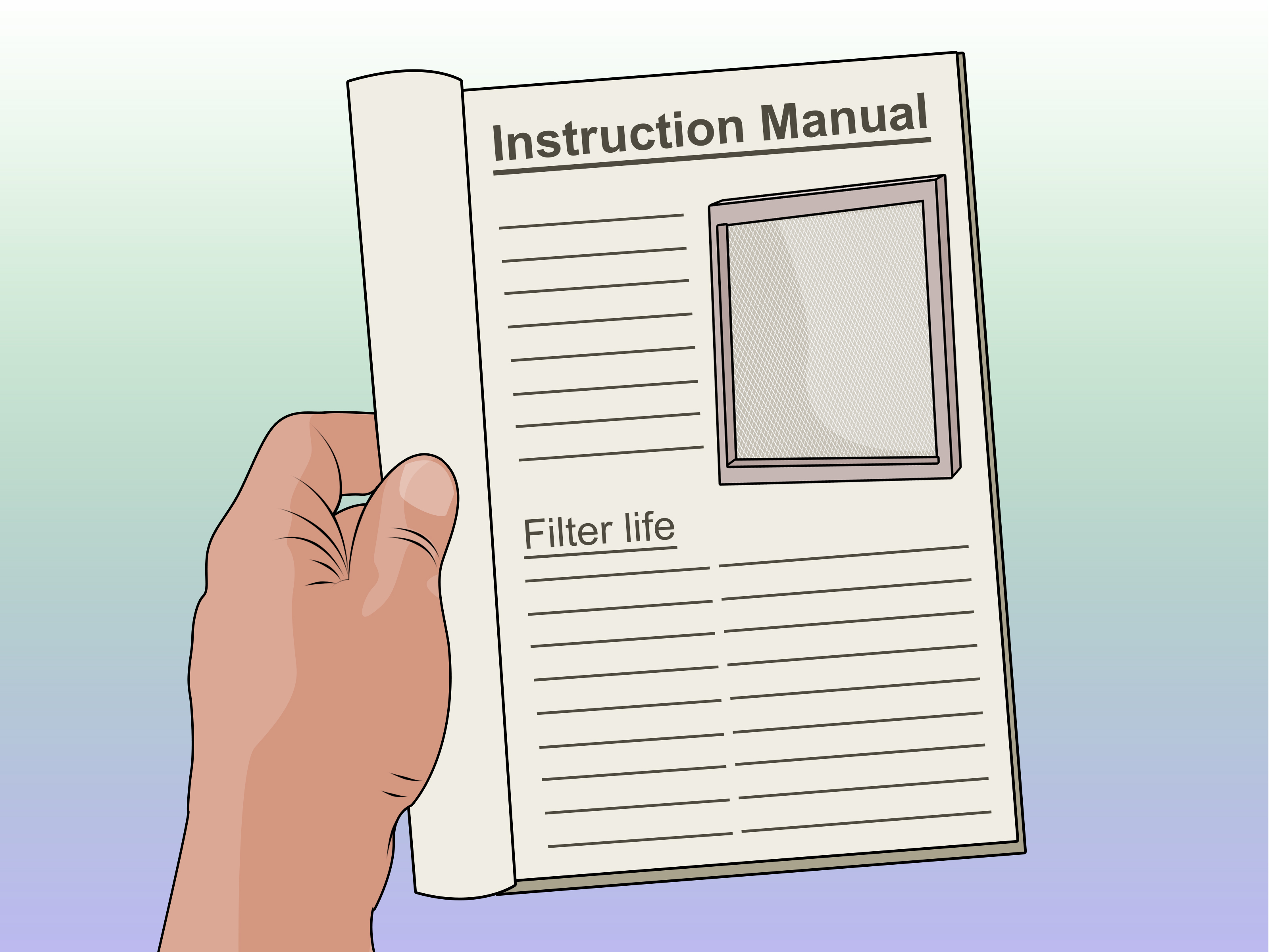
Check the filter frame, your furnace manual, or the product label. If it says washable, reusable, permanent, or electrostatic, you are likely safe to clean it. If it looks flimsy, paper-like, or heavily pleated and does not mention washing, it is probably disposable. When in doubt, do not guess. Follow the manufacturer’s instructions.
How to Clean a Furnace Filter: 11 Steps
Step 1: Turn Off the Furnace
Start by switching off the thermostat and shutting down power to the furnace. This keeps air from moving through the system while the filter is out and helps prevent dust from being pulled deeper into the equipment. It also gives you a safer, calmer workspace, which is always nice when you are kneeling near a furnace trying not to sneeze.
Step 2: Locate the Filter
The furnace filter is usually found in the blower compartment, inside a slot on the side of the furnace, or behind a return air grille. In some homes, it may be in a ceiling or wall return vent rather than at the furnace itself. If you are not sure, follow the return ductwork or check your owner’s manual.
Step 3: Remove the Filter Carefully
Slide the filter out slowly so you do not shake a month’s worth of dust back into the air. Pay attention to how it is positioned before you pull it out all the way. Many filters have arrows printed on the frame to show the direction of airflow. That detail matters more than people think.
Step 4: Check the Condition of the Filter
Take a look at the filter in good light. If it is coated in dust but still structurally sound, cleaning should do the trick. If the frame is cracked, the mesh is torn, the material is warped, or the filter smells musty even after cleaning, it may be time to replace it. A reusable filter is durable, but it is not immortal.
Step 5: Vacuum Off Loose Dust
Use a vacuum with a soft brush or crevice attachment to remove loose dirt, lint, and pet hair from both sides of the filter. This step makes the washing stage easier and keeps you from turning the sink into mud soup. Be gentle. Aggressive scrubbing or a hard nozzle can damage the filter media or bend the frame.
Step 6: Wash the Filter With Warm Water
Rinse the filter with warm water, not hot water, from the cleaner side outward if possible. This helps push trapped debris away instead of driving it deeper into the material. If the filter needs more than a rinse, use a small amount of mild dish soap. Avoid harsh chemicals, bleach, or anything heavily scented. Your furnace filter is not trying to become a lemon-fresh towel.
Step 7: Soak Only if Needed
If stubborn grime is still clinging to the filter, let it soak briefly in a basin or tub with warm water and a little mild soap. Some homeowners also use a diluted white vinegar solution for deeper cleaning on certain washable filters, but only if the manufacturer allows it. The goal is to loosen debris, not marinate the filter into retirement.
Step 8: Rinse Thoroughly
After washing or soaking, rinse the filter well until the water runs clear and no soap residue remains. Leftover soap can attract dust faster and may affect airflow. Be patient here. A quick rinse is better than none, but a thorough rinse is what keeps the filter from coming back into service wearing a sticky film.
Step 9: Shake Off Excess Water
Gently shake the filter to remove extra water. Do not twist it, wring it out, or smack it against the edge of a sink like it owes you money. Reusable filters can handle cleaning, but they are not designed for dramatic action scenes.
Step 10: Let the Filter Dry Completely
This step is non-negotiable. Place the filter upright or flat in a well-ventilated area and let it air-dry fully. Reinstalling a damp filter can encourage mildew, trap fresh dust, and create problems inside the HVAC system. Depending on the filter size and room conditions, drying may take several hours. Many homeowners clean their filter in the morning and reinstall it later that day.
Step 11: Reinstall the Filter and Restart the System
Once the filter is completely dry, slide it back into place with the airflow arrow pointing toward the furnace blower or in the direction of airflow. Make sure it fits snugly without bending. Restore power, turn the thermostat back on, and listen for normal operation. Congratulations. You just completed a small but mighty piece of HVAC maintenance.
How Often Should You Clean a Reusable Furnace Filter?
There is no one-size-fits-all schedule, because homes are messy in very personalized ways. As a general rule, check a reusable furnace filter every month during heavy heating or cooling use. Many households do well with cleaning every 30 to 90 days, but you may need more frequent attention if:
- You have pets that shed like it is a competitive sport
- Someone in your home has allergies or asthma
- You live in a dusty area or near construction
- Your system runs often in extreme weather
- You notice more dust collecting around vents and furniture
If your filter still looks fairly clean at the monthly check, great. If it looks like it just returned from a dust storm, move cleaning day up on the calendar.
Signs Your Furnace Filter Needs Attention
Sometimes the filter itself tells the story. Sometimes your house does. Watch for these signs:
- Reduced airflow from supply vents
- More dust than usual on surfaces
- Longer heating cycles
- Higher utility bills without another obvious cause
- Extra furnace noise or strain
- Visible dirt buildup on the filter
If the filter is reusable, cleaning may solve the issue. If the problem continues after cleaning, you may have a more serious airflow, duct, or furnace problem that needs professional service.
Common Mistakes to Avoid
Cleaning a Disposable Filter
This is the big one. If the filter is not designed for washing, cleaning it can damage the fibers and reduce filtration performance. Disposable means replace, not rinse and hope for the best.
Forgetting the Airflow Arrow
Installing the filter backward can reduce efficiency and make your system work harder. Always check the arrow before sliding the filter back in.
Reinstalling the Filter While It Is Still Damp
A damp filter can collect debris quickly and may introduce moisture where you do not want it. Dry first. Always.
Using Harsh Cleaners or High Pressure
Bleach, strong household cleaners, or a high-pressure hose can damage the filter material. Mild soap and gentle water pressure are usually enough.
Ignoring the Manufacturer’s Instructions
Some electronic air cleaners and specialty filters have very specific cleaning methods. A few may require vacuuming only, while others can be rinsed or washed in a particular way. Your manual wins every argument.
Can Cleaning a Furnace Filter Improve Indoor Air Quality?
Yes, but with a realistic expectation. A clean furnace filter can help reduce circulating dust and other particles, support better airflow, and help your HVAC system do its job more effectively. It is a useful part of a healthy home maintenance routine. That said, even a great furnace filter cannot solve every indoor air problem. If you are dealing with mold, high humidity, strong odors, smoke, or major duct issues, the filter is part of the solution, not the whole solution.
When to Replace Instead of Clean
Even permanent furnace filters eventually reach the end of the line. Replace the filter if you see torn mesh, corrosion, warping, broken frames, persistent odor, or damage that prevents a snug fit. Also replace it if the manufacturer recommends retirement after a certain number of years. Saving money is smart. Asking a worn-out filter to keep performing forever is just motivational speaking.
Real-World Experiences With Cleaning Furnace Filters
Homeowners often assume furnace maintenance has to be complicated, expensive, or mysterious enough to require a flashlight, three YouTube videos, and an emotional support screwdriver. In reality, cleaning a reusable furnace filter is usually one of those satisfying jobs that feels much bigger than it is. People who stay on top of it often say the same thing: the house feels less dusty, the furnace seems to run more smoothly, and the whole task becomes much easier once it is part of a routine.
A common experience is discovering that the filter was far dirtier than expected. Someone checks it “just this once,” only to find a gray blanket of lint, pet hair, and mystery fuzz that looks like it formed its own ecosystem. After a proper cleaning and full drying time, airflow often feels stronger at the vents. That does not mean the furnace suddenly gained superpowers. It simply means the system is no longer trying to breathe through a dusty sweater.
Pet owners tend to notice the biggest difference. Homes with one dog, two cats, or one wildly fluffy creature who seems to shed seasonally and emotionally can clog a filter faster than expected. Many people in these households start with a casual maintenance schedule, then quickly learn that “every now and then” is not a real plan. Once they switch to checking the filter monthly, the job becomes faster and less gross. Instead of scrubbing off heavy buildup, they are just doing light upkeep.
Another common story comes from allergy season. Homeowners often start paying attention to the furnace filter when pollen is high, windows have been open, and everyone in the house is sneezing like they are auditioning for a tissue commercial. A clean reusable air filter will not make spring disappear, but people often report that regular filter maintenance helps reduce that stale, dusty feeling indoors.
There is also the classic first-time mistake: cleaning the filter, feeling extremely accomplished, and then reinstalling it before it is fully dry. That usually leads to regret, followed by removing it again and giving it more time to air-dry. Many experienced homeowners learn this lesson once and never repeat it. The second most common mistake is forgetting which direction the airflow arrow was facing. A quick phone photo before removal solves that problem beautifully.
One of the best long-term experiences people report is how simple the task becomes once they stop treating it like a major event. They pick a date each month, inspect the filter, clean it if needed, and move on with life. No panic. No heroic music. Just smart home maintenance. In the end, that is what cleaning a furnace filter really is: a small habit that protects comfort, supports indoor air quality, and helps your heating system avoid unnecessary stress.
Conclusion
Learning how to clean a furnace filter is one of the easiest ways to care for your HVAC system without calling in a pro for every little thing. The keys are simple: make sure the filter is reusable, turn off the system, clean it gently, let it dry completely, and reinstall it the right way. Done regularly, this small maintenance task can help support airflow, improve overall efficiency, and keep your home feeling cleaner and more comfortable.
So the next time your furnace filter starts looking like it has been collecting secrets, dust, and half the neighborhood’s pet hair, you will know exactly what to do.