Your thyroid is small, quiet, and shaped like a butterfly, which sounds adorable until it starts acting like the drama department of your endocrine system. This tiny gland sits at the front of your neck and helps regulate how your body uses energy. When it works well, you probably never think about it. When it does not, you may notice changes in weight, heart rate, mood, energy, digestion, body temperature, skin, hair, or sleep.
Learning how to check your thyroid does not mean diagnosing yourself in the bathroom mirror after one suspicious Google search. It means understanding the signs, knowing what a simple neck check can and cannot tell you, and recognizing which thyroid tests actually matter. A thyroid blood test, especially the TSH test, is often the first step. Depending on your symptoms and results, your healthcare provider may add free T4, T3, thyroid antibody tests, ultrasound, or a biopsy for a thyroid nodule.
This guide explains how to check your thyroid safely, what symptoms to watch for, what tests doctors use, and when a lump, racing heartbeat, or “why am I tired after sleeping?” moment deserves medical attention.
What Does the Thyroid Actually Do?
The thyroid gland makes hormones, mainly thyroxine (T4) and triiodothyronine (T3), that influence metabolism. That does not just mean weight. Thyroid hormones affect how fast your heart beats, how warm you feel, how your digestive system moves, how your brain feels, how your muscles work, and even how your skin and hair behave.
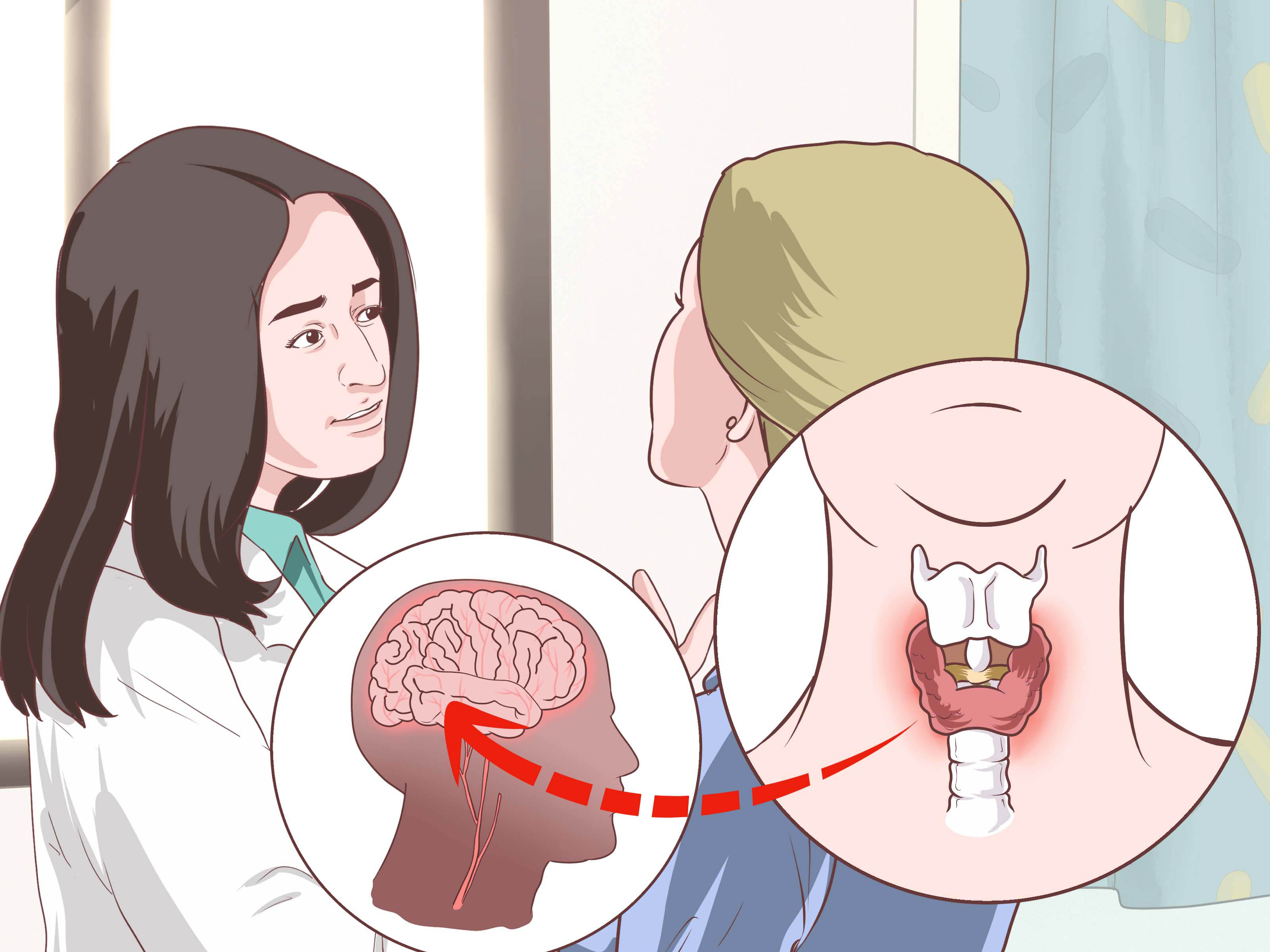
The thyroid does not work alone. Your pituitary gland, located in the brain, releases thyroid-stimulating hormone, or TSH. Think of TSH as a manager sending emails. If thyroid hormone levels are low, the pituitary usually sends more TSH to tell the thyroid to work harder. If thyroid hormone levels are high, the pituitary usually sends less TSH. This is why the TSH test is commonly used as the first thyroid screening test.
Why You Might Need to Check Your Thyroid
People often start thinking about thyroid health because something feels “off.” The tricky part is that thyroid symptoms overlap with stress, aging, poor sleep, menopause, depression, anemia, medication effects, and everyday life. In other words, your thyroid is not always guilty, but it is worth questioning if the clues line up.
Common Symptoms of an Underactive Thyroid
Hypothyroidism, also called underactive thyroid, happens when the thyroid does not make enough thyroid hormone. Body systems may slow down. Possible symptoms include fatigue, feeling cold, dry skin, constipation, weight gain, heavy or irregular periods, hair thinning, hoarse voice, low mood, brain fog, muscle aches, and a slower heart rate.
One symptom alone does not prove hypothyroidism. Feeling tired after a week of bad sleep does not mean your thyroid has resigned. But persistent fatigue combined with cold intolerance, constipation, dry skin, and unexplained weight changes is a stronger reason to ask your provider about a thyroid blood test.
Common Symptoms of an Overactive Thyroid
Hyperthyroidism, or overactive thyroid, happens when the thyroid makes too much hormone. Body systems may speed up. Symptoms can include rapid heartbeat, anxiety, tremor, sweating, heat intolerance, weight loss despite normal or increased appetite, frequent bowel movements, trouble sleeping, muscle weakness, irregular periods, and feeling like you drank three espressos even though you only had toast.
Some people with hyperthyroidism also notice neck swelling, eye changes, or a racing heart. A very fast heartbeat, chest pain, fainting, confusion, fever, or severe weakness should be treated as urgent.
How to Check Your Thyroid at Home
A home thyroid check is not a diagnosis. It cannot measure TSH, confirm Hashimoto’s disease, detect Graves’ disease, or tell whether a thyroid nodule is benign. What it can do is help you notice visible swelling or a lump that should be evaluated.
The Simple Thyroid Neck Check
Stand in front of a mirror with good lighting. Focus on the lower front of your neck, above your collarbones and below your Adam’s apple area. Tip your head back slightly. Take a sip of water and swallow. Watch the area as you swallow. The thyroid moves when you swallow, so you may notice unusual swelling, bulging, or asymmetry more easily.
Repeat a few times. You are looking for a lump, enlargement, or uneven movement. Do not confuse the Adam’s apple with the thyroid. The thyroid sits lower. Also, do not press aggressively on your neck. This is a health check, not a wrestling match.
If you see a visible lump, swelling, or one side of the neck looks different, schedule a medical visit. Most thyroid nodules are not cancer, but they still need proper evaluation.
What a Doctor Checks During a Thyroid Exam
During a clinical thyroid exam, your healthcare provider may look at your neck, feel the thyroid gland while you swallow, check for tenderness or nodules, and examine nearby lymph nodes. They may also check your pulse, blood pressure, skin texture, reflexes, eyes, weight changes, and symptom history.
A physical exam can suggest thyroid enlargement or nodules, but it cannot tell the whole story. Many thyroid problems require blood tests. Many thyroid nodules are discovered by chance during imaging for another reason, such as a CT scan, carotid ultrasound, or neck ultrasound.
The Most Important Thyroid Blood Tests
When people ask how to check thyroid function, the real answer usually begins with blood work. The exact tests depend on symptoms, medical history, pregnancy status, medications, and previous results.
TSH Test
The TSH test is often the first test ordered because it can show whether the thyroid-pituitary feedback system is signaling too much or too little. A high TSH often suggests the thyroid is underactive. A low TSH often suggests the thyroid is overactive. There are exceptions, especially with pituitary problems, severe illness, pregnancy, or certain medications.
Free T4 Test
Free T4 measures the amount of available thyroxine in the blood. If TSH is abnormal, free T4 helps determine whether the issue is mild, subclinical, or more clearly active. High TSH with low free T4 usually points toward overt hypothyroidism. Low TSH with high free T4 may point toward hyperthyroidism.
T3 Test
T3 testing is not always needed for suspected hypothyroidism, but it can be helpful when hyperthyroidism is suspected. Some people with an overactive thyroid may show a more obvious rise in T3 than T4.
Thyroid Antibody Tests
Thyroid antibody tests help identify autoimmune thyroid disease. Thyroid peroxidase antibodies may suggest Hashimoto’s disease, a common cause of hypothyroidism. Thyrotropin receptor antibodies may support a diagnosis of Graves’ disease, a common cause of hyperthyroidism.
Thyroglobulin and Calcitonin Tests
These tests are not routine thyroid screening tests for everyone. Thyroglobulin is often used in follow-up after certain thyroid cancers. Calcitonin may be used when medullary thyroid cancer is a concern. Your provider will decide whether these specialized tests are appropriate.
What Can Affect Thyroid Test Results?
Thyroid labs are powerful, but they are not magic. Results can be affected by pregnancy, severe illness, certain medications, supplements, timing, and lab differences. One especially important supplement is biotin, often found in hair, skin, and nail products. Biotin can interfere with some lab tests, including thyroid-related tests, and may produce misleading results.
Before testing, tell your healthcare provider about all supplements and medications you take, including biotin, thyroid medication, amiodarone, lithium, steroids, estrogen therapy, anti-seizure medicines, and immune therapies. Do not stop prescribed medication unless your clinician tells you to.
When Do You Need a Thyroid Ultrasound?
A thyroid ultrasound uses sound waves to create images of the gland. It is commonly used when a provider feels a lump, sees neck swelling, or needs to evaluate a known thyroid nodule. Ultrasound can show the size, structure, and features of nodules, including whether they look solid or cystic and whether they have suspicious characteristics.
Ultrasound is excellent for looking at structure, but it does not measure thyroid function. A person can have a normal TSH and still have a thyroid nodule. A person can also have abnormal thyroid hormone levels with no obvious lump. Function and structure are related, but they are not the same thing.
What If You Have a Thyroid Nodule?
Finding a thyroid nodule can sound scary, but nodules are common, especially as people get older. Most are benign. The key is not to panic or ignore it. A provider may order TSH testing and ultrasound. If the nodule is large enough or has suspicious ultrasound features, a fine needle aspiration biopsy may be recommended.
A fine needle aspiration biopsy uses a thin needle to collect cells from the nodule, often guided by ultrasound. It is usually done in a medical office or outpatient setting. The cell sample is reviewed to help determine whether the nodule is benign, suspicious, or cancerous.
Should Everyone Be Screened for Thyroid Problems?
Routine thyroid screening for every adult without symptoms is more complicated than it sounds. Medical recommendations vary by organization, and the U.S. Preventive Services Task Force has found insufficient evidence to recommend for or against routine screening for thyroid dysfunction in nonpregnant adults without symptoms.
That does not mean thyroid testing is unimportant. It means testing is most useful when guided by symptoms, risk factors, medication use, pregnancy, known thyroid disease, a neck finding, or related medical conditions.
Who Is More Likely to Need Thyroid Testing?
You may be more likely to need thyroid testing if you have symptoms of hypothyroidism or hyperthyroidism, a visible neck lump, a family history of thyroid disease, a personal history of autoimmune disease, previous thyroid surgery, radiation exposure to the head or neck, pregnancy or recent childbirth, infertility concerns, abnormal menstrual cycles, high cholesterol without a clear cause, or medications known to affect the thyroid.
Older adults may have subtle thyroid symptoms. In some cases, the first clue may be heart rhythm changes, cholesterol changes, unexplained weight change, or mood symptoms rather than classic textbook signs.
How to Prepare for a Thyroid Appointment
Before your visit, write down your symptoms and when they started. Include changes in weight, energy, sleep, mood, bowel habits, heart rate, menstrual cycle, skin, hair, and temperature tolerance. Bring a list of medications and supplements. If you take biotin, mention the dose and timing.
Also note any family history of thyroid disease, autoimmune conditions, thyroid cancer, or neck radiation. If you noticed a lump, describe when you first saw it and whether it has changed. A small symptom timeline can save your appointment from becoming a guessing game with fluorescent lighting.
How to Understand Thyroid Results Without Spiraling
Thyroid results should be interpreted with your symptoms and medical history. A slightly abnormal TSH may need repeat testing before any treatment decision. Subclinical thyroid disease means TSH is abnormal while T4 may still be normal. Sometimes treatment is needed; sometimes monitoring is better.
Do not compare your results with someone else’s treatment plan. Thyroid care depends on age, pregnancy status, heart health, symptom severity, antibody status, nodule findings, and other medical factors. Two people can have similar lab numbers and different next steps.
When to Call a Doctor Promptly
Make an appointment if you have persistent symptoms of thyroid imbalance, visible neck swelling, a new lump, hoarseness that does not improve, trouble swallowing, pressure in the neck, unexplained weight change, palpitations, or a family history that raises concern.
Seek urgent care for chest pain, fainting, severe shortness of breath, confusion, very fast or irregular heartbeat, high fever with severe hyperthyroid symptoms, or rapidly enlarging painful neck swelling. These symptoms are not “wait and see” material.
Practical Thyroid Health Habits
You cannot lifestyle-hack every thyroid condition, and you should be cautious with miracle thyroid detoxes. Your thyroid does need iodine, but too much iodine can also cause problems. In the United States, many people get iodine through iodized salt, dairy, seafood, and some breads. Supplements should be discussed with a clinician, especially if you have thyroid disease.
Good sleep, balanced nutrition, stress management, and regular medical care support overall endocrine health. But if your thyroid is truly underactive or overactive, yoga, green smoothies, and positive thinking are not substitutes for proper diagnosis and treatment. They can be teammates, not quarterbacks.
Conclusion
Checking your thyroid starts with paying attention to your body, but it should not end with self-diagnosis. A simple neck check can help you spot swelling or a lump. A healthcare provider can examine your thyroid, order the right thyroid blood tests, and decide whether imaging or biopsy is needed. The TSH test is commonly the first step for checking thyroid function, while free T4, T3, thyroid antibody tests, ultrasound, and fine needle aspiration may help clarify the cause.
If you feel unusually tired, wired, cold, hot, foggy, shaky, constipated, sweaty, or aware of your heartbeat, your thyroid may be one possible suspect. The good news is that thyroid problems are common, testable, and often treatable. The best move is not panic. It is preparation: notice symptoms, document changes, bring questions, and let good medical testing do what bathroom-mirror detective work cannot.
Personal Experiences and Real-Life Lessons About Checking Your Thyroid
Many people do not think about thyroid health until their body starts sending confusing signals. One person may notice that they are exhausted by 2 p.m. even after a full night of sleep. Another may feel unusually anxious, sweaty, and restless, as if their internal engine is idling too high. Someone else may discover a small neck lump while putting on a necklace or shaving. These experiences can feel random at first, which is why thyroid issues are so easy to dismiss.
A common experience is the “I thought it was just stress” phase. Fatigue, brain fog, dry skin, constipation, mood changes, and weight gain can easily be blamed on a busy schedule. On the other side, shakiness, insomnia, rapid heartbeat, and weight loss can be mistaken for anxiety or too much caffeine. The lesson is not that every symptom is thyroid-related. The lesson is that persistent patterns deserve attention. If symptoms stick around, stack up, or interfere with daily life, asking about a thyroid test is reasonable.
Another real-life lesson is that the neck check is helpful but limited. Some people find visible swelling; others have thyroid disease with no visible neck change at all. Some thyroid nodules are too small or deep to see. That is why a normal-looking neck does not guarantee normal thyroid function. Likewise, finding a lump does not mean cancer. It means a clinician should evaluate it with the right tools.
People also learn quickly that thyroid testing is not always one-and-done. A provider may repeat a TSH test, add free T4, check antibodies, or monitor a mild abnormality before choosing treatment. This can feel frustrating when you want an instant answer, but repeat testing helps avoid overreacting to temporary changes, lab variation, supplement interference, or illness-related shifts.
One practical tip from many thyroid patients is to keep a symptom journal. Write down energy levels, sleep, heart rate sensations, bowel changes, menstrual changes, weight trends, temperature sensitivity, and mood shifts. Bring actual notes, not just “I feel weird,” although “I feel weird” is a valid starting point. Details help your provider connect the dots faster.
Finally, the best experience is usually the one where the patient becomes a partner in care. Ask what each test means. Ask whether biotin or medications could affect results. Ask when to repeat labs. Ask what symptoms should prompt a call. Thyroid care is much less mysterious when you understand the steps. Your thyroid may be tiny, but your questions do not have to be.