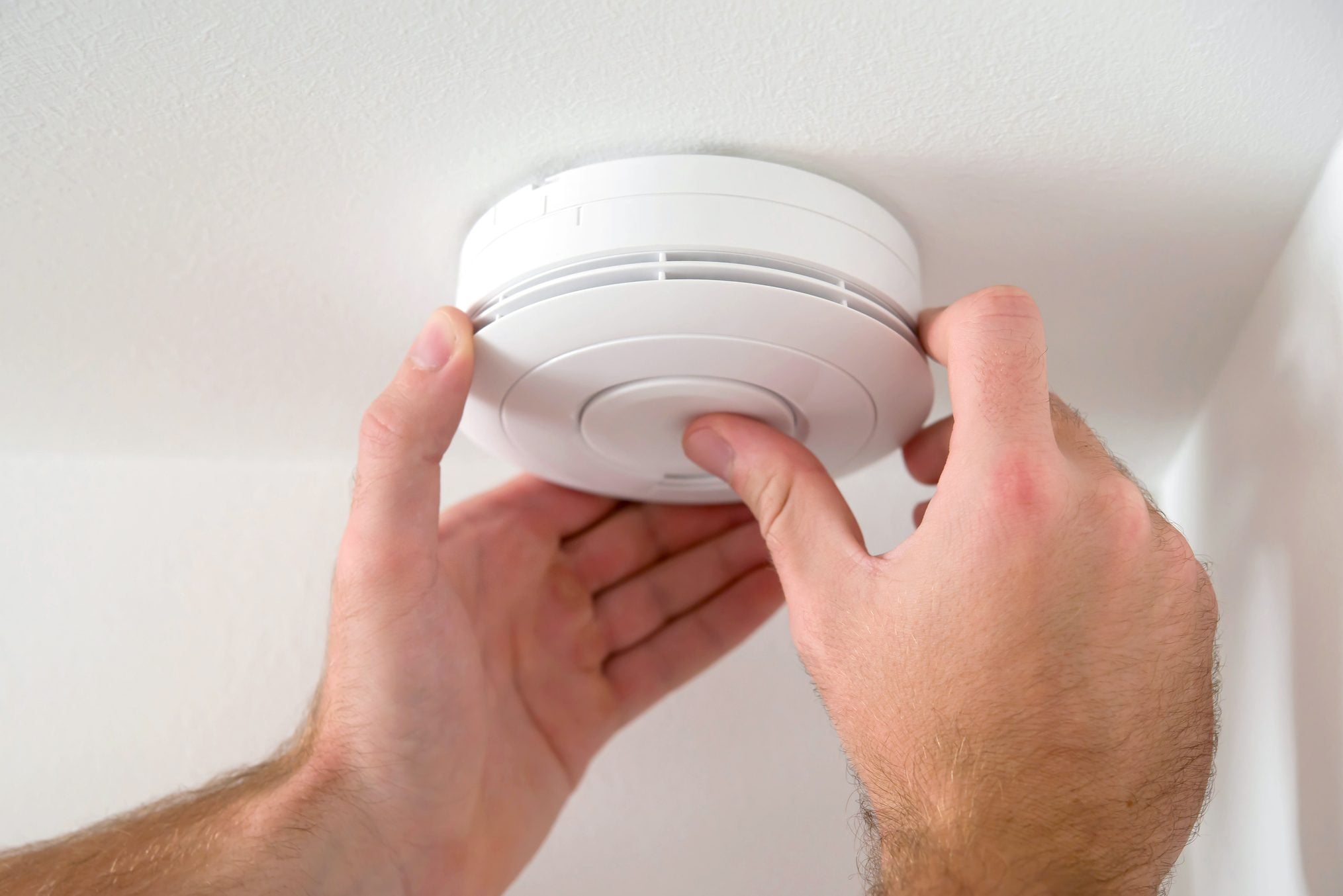
Smoke detectors are one of those household heroes that rarely get applause. They sit quietly on the ceiling, collect a little dust, occasionally chirp at 2:17 a.m. just to keep life interesting, and then, in a real emergency, they can give your family the priceless gift of time. But here is the part many homeowners miss: smoke detectors do not last forever. Even if the little plastic circle looks fine, the sensor inside can age, lose sensitivity, or simply reach the end of its useful life.
So, how often should you replace smoke detectors? The simple rule is this: replace smoke detectors every 10 years from the date of manufacture, or sooner if they fail a test, chirp with an end-of-life warning, become damaged, or show signs of unreliable operation. That 10-year timeline applies to most standard battery-powered and hardwired smoke alarms used in homes. Sealed 10-year battery models are also designed to be replaced as a complete unit when their service life ends.
That may sound straightforward, but real life has a way of turning simple maintenance into a mystery novel. Is the alarm chirping because of the battery, dust, age, or a tiny ghost with a smoke detector hobby? Let’s make it clear, practical, and safe.
Why Smoke Detectors Need Replacing
A smoke detector is not just a plastic case with a loud opinion. Inside, it contains sensing technology designed to detect smoke particles and sound an alarm before a fire becomes deadly. Over time, that sensing chamber can become less effective because of age, dust, insects, humidity, cooking residue, paint, and normal electronic wear.
Fire safety organizations consistently recommend replacing smoke alarms that are 10 years old because the sensors may become less sensitive with time. A device that worked perfectly in 2016 may not be as dependable in 2026, even if it still beeps when you press the test button. The test button confirms that the horn and basic power circuit work; it does not prove the sensor is as sharp as it was on day one.
Think of a smoke detector like a seat belt. You do not need it every day, but when you need it, “probably fine” is not a comforting safety standard. Replacing old smoke detectors is inexpensive compared with the cost of a house fire, injury, or the regret of discovering too late that an alarm had quietly retired without sending a resignation letter.
The 10-Year Rule: The Most Important Replacement Schedule
The main answer is easy to remember: smoke detectors should be replaced every 10 years. The clock usually starts from the manufacture date, not the day you moved into the house or the day you first noticed the alarm while trying to swat a mosquito near the ceiling.
Most smoke detectors have a label on the back or side showing the manufacture date. To check it, twist the alarm off its mounting bracket, look for the printed date, and do a quick bit of math. If the alarm is 10 years old or older, replace it. If you cannot find a date, that is also a sign to replace it. A smoke alarm with no readable age is like leftovers in the back of the fridge: when in doubt, do not gamble.
Replace Immediately If the Alarm Fails a Test
You should test smoke alarms at least once a month by pressing the test button. The alarm should produce a loud, clear sound. If it does not sound, first check whether it has replaceable batteries. If a fresh battery does not solve the problem, replace the entire alarm. For sealed 10-year battery alarms, do not try to open or repair the unit. Replace it.
Replace Immediately If It Reaches End of Life
Many newer smoke alarms are designed to produce an end-of-life signal when they are no longer dependable. This may sound like repeated chirping or a pattern different from a normal smoke alarm alert. Always read the manufacturer’s instructions for your model. If the alarm is signaling end of life, do not silence it and hope for the best. Replace it.
Replace Sooner If It Looks Damaged
Replace a smoke detector before 10 years if it is cracked, painted over, loose, corroded, heavily yellowed, water-damaged, or contaminated by dust or grease. Smoke detectors are not meant to be decorative paint samples. Painting over an alarm can block vents and interfere with smoke detection.
How Often To Replace Smoke Detector Batteries
The replacement schedule for batteries depends on the type of smoke alarm you have. Traditional battery-powered alarms with 9-volt, AA, or similar replaceable batteries should usually get new batteries at least once a year, or sooner if the alarm chirps with a low-battery warning. Some homeowners like changing batteries when clocks change for daylight saving time. Even if your area does not observe daylight saving time, pick a memorable annual date, such as New Year’s Day, the first day of fall, or your birthday. Nothing says “happy birthday” like preventing a kitchen fire from becoming a disaster.
Hardwired smoke detectors are connected to your home’s electrical system, but many still have backup batteries. Those backup batteries matter because fires can happen during power outages. Replace hardwired alarm backup batteries at least once a year unless the manufacturer gives different instructions.
Sealed 10-year battery smoke alarms are different. Their batteries are not meant to be replaced. When the battery or unit reaches the end of life, replace the entire smoke alarm. Do not attempt home surgery with a screwdriver and optimism.
Battery-Powered vs. Hardwired vs. Sealed Smoke Alarms
Knowing your alarm type helps you maintain it correctly. Many homes contain a mix of devices, especially older houses that have been renovated over time.
Battery-Powered Smoke Detectors
Battery-powered smoke detectors are common, affordable, and easy to install. They can be placed where needed without wiring, making them useful for older homes, rentals, and extra coverage. Their weakness is also obvious: if the battery is dead or missing, the alarm is useless. A smoke detector without power is just ceiling décor with trust issues.
Hardwired Smoke Detectors
Hardwired alarms are connected to household power and often include battery backup. In many modern homes, hardwired alarms are interconnected, meaning when one sounds, they all sound. That is a major safety advantage, especially if a fire starts in a basement, garage-adjacent area, hallway, or sleeping area far from your bedroom.
Hardwired does not mean forever. The entire unit still needs replacement after 10 years. When replacing hardwired smoke detectors, turn off power at the breaker and follow the manufacturer’s instructions. If you are not comfortable working with wiring, hire a licensed electrician.
Sealed 10-Year Battery Smoke Alarms
Sealed alarms are designed to provide up to 10 years of protection without battery changes. They are a good option for people who forget annual battery replacement or for landlords who want to reduce the chance of missing batteries. But “10-year battery” does not mean “ignore for 10 years.” Test monthly, clean gently, and replace the whole unit at the end of its life.
Where Smoke Detectors Should Be Installed
Replacement is only part of smoke detector safety. Placement matters just as much. A home should have smoke alarms on every level, inside each bedroom, and outside each sleeping area. Basements need alarms too. If you have a large home, long hallway, finished attic, or separated sleeping zones, you may need more alarms than the bare minimum.
Install smoke alarms high on walls or ceilings because smoke rises. Keep alarms away from windows, fans, vents, and drafty areas that could blow smoke away from the sensor. In or near kitchens, place alarms far enough from cooking appliances to reduce nuisance alarms, often at least 10 feet when possible. That way, your smoke detector does not panic every time toast becomes “extra rustic.”
Bedrooms deserve special attention because many fatal home fires happen when people are sleeping. A working alarm inside the bedroom and outside the sleeping area gives the best chance of waking everyone quickly. For people who are deaf or hard of hearing, use alarms with strobe lights, bed shakers, or other approved alert devices.
How To Check the Age of Your Smoke Detector
Checking the age of a smoke detector takes only a few minutes. First, tell everyone in the home you are testing or removing alarms so no one thinks the ceiling is under attack. Twist the alarm gently from its base. Look on the back for a label that lists the manufacture date. Some labels may say “replace by” or show an expiration date. If the manufacture date is 10 years ago or more, replace the alarm.
If your alarms are close to 10 years old, consider replacing all of them at once. This keeps the schedule simple. Instead of playing detective with five different dates, you can write one replacement year on your home maintenance calendar. A label maker, permanent marker, or digital reminder can save future you from ceiling math.
Warning Signs Your Smoke Detector Should Be Replaced Sooner
A smoke detector may need replacement before its 10-year birthday. Watch for these signs:
- It does not sound during a monthly test.
- It keeps chirping after you replace the battery.
- It gives frequent false alarms with no clear cause.
- It is cracked, loose, corroded, or visibly damaged.
- It has been painted over or clogged with dust or grease.
- The manufacture date is missing or unreadable.
- The alarm gives an end-of-life signal.
False alarms can sometimes be caused by placement, steam, dust, insects, or cooking smoke. Clean the alarm according to the manufacturer’s instructions and make sure it is installed in a better location. But if false alarms continue, replace the unit. A detector that cries wolf too often may tempt people to disable it, and a disabled smoke detector protects absolutely no one.
How To Maintain Smoke Detectors Between Replacements
Replacing smoke detectors every 10 years is essential, but maintenance keeps them reliable during those 10 years. Test every alarm monthly. Replace replaceable batteries at least once a year. Clean alarms gently with a vacuum brush attachment or soft cloth to remove dust. Never use water, paint, chemicals, or compressed air unless the manufacturer specifically allows it.
Keep a written or digital smoke alarm log. Record installation dates, battery changes, tests, and replacement deadlines. This may sound overly organized, but it takes less time than scrolling through your phone looking for the photo you took of the label three years ago.
Also make sure everyone in the home knows what the smoke alarm sounds like and what to do when it sounds. The alarm is only the first step. A practiced escape plan is the second. Every household should know two ways out of each room, where to meet outside, and why no one should go back inside once they escape.
What Type of Smoke Detector Should You Buy?
When replacing smoke detectors, choose alarms that are listed by a recognized testing laboratory and meet current safety standards. Many experts recommend using both photoelectric and ionization detection technologies or choosing dual-sensor alarms. Photoelectric alarms are often better at detecting smoldering fires, while ionization alarms may respond faster to flaming fires. Since real house fires do not RSVP with their preferred fire style, broader detection coverage is smart.
Interconnected smoke alarms are also worth considering. When one alarm detects smoke, all alarms sound. This is especially helpful in larger homes, multi-story houses, and homes where bedrooms are separated from living spaces. Smart smoke alarms can send phone alerts, provide voice warnings, or integrate with home systems, but they still need testing, cleaning, and eventual replacement.
If you choose a combination smoke and carbon monoxide alarm, check the manufacturer’s replacement schedule carefully. Carbon monoxide sensors may have different lifespans depending on the model. Do not assume every device follows the same schedule just because it lives on the ceiling and chirps with confidence.
Common Smoke Detector Mistakes To Avoid
The biggest mistake is removing the battery because of nuisance alarms and forgetting to replace it. The second biggest mistake is ignoring age. A smoke detector that is 14 years old and “still looks fine” is not a safety plan. Other common mistakes include installing too few alarms, placing them too close to bathrooms or cooking appliances, failing to test them, and assuming hardwired alarms never need maintenance.
Another mistake is replacing only one alarm in an interconnected system without checking compatibility. Hardwired alarms from different brands or generations may not communicate correctly. When replacing interconnected alarms, follow manufacturer guidance and consider replacing the full set with compatible models.
A Simple Smoke Detector Replacement Checklist
Use this checklist once a year and whenever you move into a new home:
- Find every smoke detector in the home.
- Check the manufacture date on each unit.
- Replace any alarm that is 10 years old or older.
- Test every alarm using the test button.
- Replace batteries in models with replaceable batteries.
- Clean dust from each alarm.
- Confirm alarms are installed on every level, inside bedrooms, and outside sleeping areas.
- Review your family fire escape plan.
This checklist is not glamorous. It will not trend on social media. But it can save lives, and that makes it more useful than almost every “home hack” involving a mason jar.
Real-Life Experiences: What Homeowners Learn the Hard Way
Many homeowners do not think about smoke detectors until one starts chirping in the middle of the night. It is almost a universal experience: the house is quiet, everyone is asleep, and suddenly a tiny beep echoes through the hallway like a robotic cricket with a grudge. The first reaction is usually confusion. The second is standing under several alarms trying to figure out which one is guilty. The third is promising to replace all the batteries “tomorrow,” which is how many smoke detector problems begin.
One common experience is moving into a home and assuming the existing alarms are fine. They are on the ceiling, they are not making noise, and the previous owner seemed like a responsible adult. But when the alarm is removed from the bracket, the label may reveal a manufacture date from more than a decade ago. In that moment, the smoke detector transforms from “safety device” into “museum exhibit.” Replacing all alarms after moving in is a smart habit because it gives the new homeowner a clean timeline and peace of mind.
Another lesson comes from kitchen false alarms. People often blame the smoke detector when it screams during bacon, stir-fry, or ambitious toast. Sometimes the detector is too close to the stove. Sometimes it is dusty. Sometimes dinner really is producing enough smoke to deserve a review from the fire department. The solution is not to remove the battery. The better fix is to clean the alarm, improve ventilation, move the alarm if placement is poor, or choose a better type of alarm for the area near the kitchen.
Families with children often discover that smoke alarm practice matters. A child may sleep through a weak or distant alarm, or may freeze because the sound is scary. Testing alarms monthly helps everyone recognize the noise. Practicing a fire drill teaches children where to go, how to stay low under smoke, and why the outside meeting place matters. The best smoke detector in the world is more effective when the people inside the home know how to respond.
Older adults and people with mobility challenges face another practical issue: alarms are usually installed high up, exactly where knees and step stools form a risky partnership. For these households, sealed 10-year alarms, interconnected systems, and help from family members, neighbors, landlords, or local fire safety programs can make maintenance safer. No one should have to climb a shaky chair to stop a chirp. That is not home safety; that is a sequel waiting to happen.
Landlords and renters also learn important lessons. Renters should test alarms when moving in and report missing, expired, or nonworking alarms immediately. Landlords should document installation dates and replace alarms on schedule. A $25 or $40 device is not the place to practice extreme budgeting. Working smoke alarms protect people, property, and legal peace of mind.
The biggest experience-based lesson is simple: smoke detector maintenance is easiest when it becomes routine. Pick one day each month to test alarms. Pick one day each year to replace batteries where needed. Put the 10-year replacement deadline in your calendar. Write the installation month and year on the side of each alarm. These tiny habits prevent the emergency version of home maintenance, where everyone is tired, the alarm is chirping, and someone is searching a junk drawer for a battery that may or may not have expired during the previous presidential administration.
Conclusion
Smoke detectors should be replaced every 10 years, but they should be tested every month and maintained throughout their life. Replace batteries at least once a year in alarms that use replaceable batteries, and replace the entire unit immediately if it fails a test, gives an end-of-life warning, becomes damaged, or continues chirping after proper troubleshooting.
The rule is simple because the stakes are serious. A working smoke detector can give your family the early warning needed to escape a fire. An expired, disabled, or neglected alarm may not. Check the dates, test the alarms, replace old units, and make sure your home has enough coverage in the right places. Your ceiling may not look any different afterward, but your home will be much safer.
Note: This article is intended for general home safety education. Always follow your smoke alarm manufacturer’s instructions and local fire code requirements. For complex hardwired systems or uncertainty about installation, contact a qualified electrician or local fire safety professional.