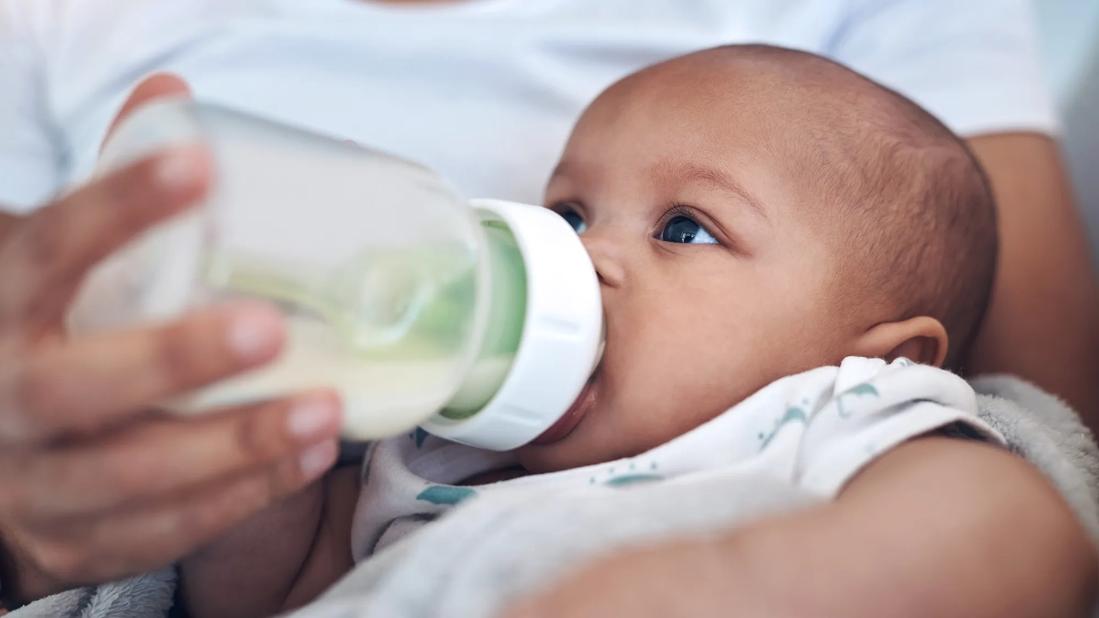
Baby bottles seem simple until you are standing in the store aisle, staring at glass, plastic, silicone, anti-colic vents, slow-flow nipples, wide necks, narrow necks, and labels that sound like tiny engineering degrees. Suddenly, “just buy a bottle” feels like preparing a space mission, except the astronaut cries at 2:17 a.m. and cannot hold their own head up yet.
So, how many bottles do you actually need? The practical answer is: most families who mostly bottle-feed do well with 8 to 10 baby bottles, while families who mostly breastfeed and use bottles occasionally may only need 3 to 4 bottles. But the perfect number depends on your feeding style, how often you wash dishes, whether your baby is in daycare, and how many bottles mysteriously disappear into the diaper bag black hole.
This guide answers the most common baby bottle questions: how many bottles to buy, what sizes to choose, how often to replace nipples, how to clean bottles safely, whether plastic bottles are OK, and how to build a bottle routine that does not take over your kitchen like a tiny milk-themed restaurant.
How Many Baby Bottles Do I Need?
If your baby is fully or mostly bottle-fed, start with 8 to 10 bottles. This gives you enough for a full day of feedings, a few extras for nighttime or travel, and a little breathing room if laundry, dishes, and life all decide to form an alliance against you.
If your baby is mostly breastfed and only gets an occasional bottle of pumped milk or formula, 3 to 4 bottles may be enough. This works well for parents who introduce one bottle a day, use bottles for daycare, or want another caregiver to help with feeding.
Quick Bottle Count Guide
- Exclusively bottle-feeding: 8 to 10 bottles
- Combination feeding: 5 to 7 bottles
- Mostly breastfeeding: 3 to 4 bottles
- Daycare use: usually 4 to 6 bottles per daycare day
- Travel or backup supply: 1 to 2 extra bottles
Think of bottles like clean socks. Technically, you can survive with fewer. Emotionally, spiritually, and during a growth spurt? More is better.
What Bottle Sizes Should I Buy?
Most newborns begin with small bottles, usually around 4 ounces. During the first days and weeks, babies often drink small amounts at each feeding. As they grow, many babies move up to larger bottles, often 8 or 9 ounces, because their intake per feeding increases.
A practical starter setup is:
- 4 to 6 small bottles for newborn feeds
- 4 to 6 larger bottles for later months
You do not have to buy every bottle size on day one. Babies have opinions, and some of them are surprisingly firm for people who cannot yet find their own feet. Try one or two bottle styles before committing to a full set.
How Much Milk Does a Baby Take Per Bottle?
Every baby is different, but there are common feeding ranges. In the first week, many newborns take about 1 to 2 ounces per feeding. By the end of the first month, many babies take around 3 to 4 ounces per feeding. As babies grow, they may gradually drink more per bottle and go longer between feedings.
For bottle-fed newborns, feeding every 2 to 3 hours is common. Many newborns feed at least eight times in 24 hours. That is why having enough bottles matters: your sink can become a bottle parking lot very quickly.
Signs Your Baby Is Hungry
- Turning their head toward the bottle or breast
- Opening their mouth or smacking lips
- Sucking on hands
- Becoming restless
- Crying, which is often a late hunger cue
Signs Your Baby Is Full
- Turning away from the bottle
- Relaxing hands and body
- Slowing or stopping sucking
- Pushing the nipple out
- Falling asleep peacefully
Do not force a baby to finish a bottle. Babies are not trying to waste milk just to hurt your feelings. They are learning hunger and fullness, and responsive feeding helps them stay in tune with their body.
Do I Need Different Bottles for Breast Milk and Formula?
No. The same bottle can usually be used for breast milk or infant formula, as long as it is cleaned and assembled properly. What matters more is nipple flow, safe preparation, and how your baby responds.
Breastfed babies who are learning to take a bottle often do best with a slow-flow nipple. A slower flow helps the bottle feel more like breastfeeding and may reduce gulping, coughing, or frustration. Formula-fed babies may also benefit from slow-flow nipples in the newborn stage.
What Is Paced Bottle Feeding?
Paced bottle feeding is a gentle method that gives your baby more control during bottle feeds. Instead of tipping the bottle straight down and letting milk flow quickly, you hold your baby more upright and keep the bottle more horizontal. This helps slow the flow and gives your baby time to pause, breathe, burp, and decide when they are done.
How to Try Paced Bottle Feeding
- Hold your baby upright and close.
- Touch the bottle nipple to your baby’s upper lip.
- Let your baby open wide and draw the nipple in.
- Keep the bottle angled so the nipple has milk but does not pour too fast.
- Pause during the feeding and burp as needed.
- Stop when your baby shows fullness cues.
This technique can be especially helpful for breastfed babies, babies with gas, and babies who seem to drink too quickly. It also turns feeding into a calmer bonding moment instead of a milk chugging contest.
Plastic, Glass, or Silicone Bottles: Which Is Best?
Each bottle material has pros and cons. There is no single perfect bottle for every family, so choose what fits your budget, routine, and comfort level.
Plastic Baby Bottles
Plastic bottles are lightweight, affordable, and hard to break. Many modern baby bottles are labeled BPA-free, and BPA-based polycarbonate resins are no longer used in U.S. baby bottles and sippy cups. Still, avoid microwaving plastic bottles, and replace bottles that become scratched, cloudy, or damaged.
Glass Baby Bottles
Glass bottles are durable, easy to clean, and do not hold odors as much as some plastics. They are heavier and can break if dropped, so many families use silicone sleeves for grip and protection.
Silicone Baby Bottles
Silicone bottles are soft, flexible, and usually lightweight. Some babies like the feel, while some parents find them trickier to measure or clean depending on the design.
The best baby bottle is the one your baby accepts, you can clean easily, and you can use safely without needing a 47-step instruction manual.
How Often Should I Wash Baby Bottles?
Wash bottles after every feeding. Take apart all bottle pieces, including nipples, rings, caps, valves, and any anti-colic parts. Rinse them first, then wash with hot soapy water or place dishwasher-safe parts in the dishwasher.
After washing, let bottle parts air-dry completely on a clean surface or drying rack. Avoid drying them with a towel, which can transfer germs. Also, do not toss bottle parts directly into the sink, because sinks can hold bacteria. Use a clean basin if handwashing.
Do I Need to Sterilize Bottles Every Time?
New bottles should be sanitized before first use. After that, daily sanitizing may be recommended if your baby is younger than 2 months, was born prematurely, or has a weakened immune system. For many healthy older babies, careful washing after each use is often enough, but always follow your pediatrician’s advice.
Common sanitizing methods include boiling, steaming, dishwasher sanitizing cycles, or using a safe bleach solution according to official guidance. The key is to clean first, sanitize when needed, and let everything air-dry thoroughly.
Can I Prepare Bottles Ahead of Time?
You can prepare formula ahead of time if you follow safe storage rules. Prepared infant formula should be stored in the refrigerator and used within the recommended time on the formula label or trusted safety guidance. Once a baby starts drinking from a bottle, leftovers should be discarded because bacteria from the baby’s mouth can enter the bottle.
Breast milk also has specific storage rules depending on whether it is freshly pumped, refrigerated, thawed, or warmed. Labeling bottles with dates can save you from playing “mystery milk detective” at midnight.
Can I Warm Baby Bottles in the Microwave?
No. Do not warm baby bottles in the microwave. Microwaving can create hot spots that may burn your baby’s mouth. It can also be hard to heat milk evenly.
Instead, warm a bottle by placing it in a bowl of warm water or using a bottle warmer. Test a few drops on the inside of your wrist before feeding. The milk should feel lukewarm, not hot. Some babies also drink room-temperature or cold milk just fine, proving once again that babies enjoy keeping parents humble.
How Often Should I Replace Bottle Nipples?
Inspect nipples often. Replace them if they are cracked, sticky, swollen, discolored, thinning, leaking too quickly, or showing signs of wear. Many families replace nipples every few months, but damage matters more than the calendar.
You may also need a different nipple flow as your baby grows. If your baby seems frustrated, sucks hard without getting much milk, or takes a very long time to finish, the flow may be too slow. If your baby coughs, gags, dribbles milk, or gulps quickly, the flow may be too fast.
How Many Bottles Should I Send to Daycare?
Most daycare providers ask for one bottle per feeding, already labeled with your baby’s name and the date. Many babies need 3 to 5 bottles during a daycare day, depending on age, schedule, and how long they are there.
Ask your daycare for its exact rules. Some centers want bottles pre-filled. Others want formula powder and water separated. Some require caps, labels, or specific storage instructions. Daycare bottle rules can feel like airport security, but they exist to keep babies safe and organized.
Do I Need Anti-Colic Bottles?
Anti-colic bottles are designed to reduce the amount of air a baby swallows. Some babies do better with them, especially if they are gassy, fussy after feeds, or prone to spit-up. But anti-colic bottles often have extra parts, which means extra cleaning.
Before buying an entire cabinet of specialty bottles, try one. Sometimes a slower nipple, paced feeding, upright positioning, and burping breaks make a bigger difference than the bottle itself.
What Baby Bottle Mistakes Should I Avoid?
Using Bottle Propping
Do not prop a bottle and leave your baby to feed alone. Bottle propping can increase the risk of choking, overfeeding, ear problems, and tooth decay. Feeding should always be supervised.
Making Homemade Formula
Do not make homemade infant formula. Babies need a precise balance of nutrients, and homemade recipes can lead to unsafe nutrition or contamination. Use commercially prepared infant formula when formula feeding, and talk to your pediatrician or WIC office if formula access is difficult.
Adding Extra Water
Always mix formula exactly as directed. Adding extra water can dilute nutrients and may be dangerous for babies. More water does not make formula “lighter”; it makes it unsafe.
Keeping Damaged Bottles
Replace bottles that are cracked, scratched, cloudy, or worn out. Damaged bottles are harder to clean and may not be safe for repeated use.
Simple Starter Shopping List
If you are preparing before baby arrives, this starter list keeps things realistic:
- 2 to 3 different bottle styles to test
- 4 small newborn bottles
- 4 larger bottles for later
- Slow-flow nipples
- A bottle brush used only for baby items
- A clean drying rack or drying mat
- Labels for daycare or pumped milk storage
- Optional: bottle warmer, sterilizer, or dishwasher basket
Once your baby chooses a favorite bottle, you can buy more of that style. This prevents the classic parenting mistake of buying twelve fancy bottles your baby rejects like a tiny food critic.
Real-Life Bottle Experience: What Parents Learn After Week One
Here is the truth nobody fully understands before the baby arrives: the number of bottles you need is not only about feeding. It is about your household rhythm. Some families are “wash immediately after every feed” people. Others are “we will deal with the bottle mountain after coffee” people. Both families love their babies. One family simply owns more dish soap.
In real life, 8 to 10 bottles works well for many bottle-feeding families because it protects your sanity. A newborn may feed every 2 to 3 hours, including overnight. If you only own three bottles, you may find yourself washing nipples at 3 a.m. while whispering motivational speeches to the faucet. With enough bottles, you can prep your station, rotate clean bottles, and avoid emergency scrubbing when everyone is tired.
Parents who mostly breastfeed often discover that fewer bottles are enough, but the bottle still needs to be familiar. If another caregiver gives one bottle per day, having 3 or 4 bottles allows one to be in use, one to be clean, one to be drying, and one to be hiding somewhere in the diaper bag next to a single sock and three ancient crackers.
Another lesson: do not marry one bottle brand too early. Babies can be particular. Some accept the first bottle with no drama. Others act personally offended by nipple shape, flow speed, or bottle angle. Buy a small sample before investing in a complete set. Once your baby feeds comfortably, then expand.
Cleaning routines also shape your bottle count. If you have a dishwasher with a baby-safe basket, you may manage with fewer bottles because washing is easier. If you handwash everything, extra bottles can prevent the sink from becoming your second nursery. A dedicated bottle brush, separate wash basin, and clean drying rack can make the routine smoother.
Daycare changes the math, too. Many parents send one labeled bottle for each expected feeding, plus one backup if the center allows it. Preparing daycare bottles the night before can make mornings less chaotic. Nothing tests a parent’s character like labeling bottles while half-awake and already late.
Over time, your bottle collection will evolve. Small 4-ounce bottles may be perfect at first, then larger bottles become more useful. Slow-flow nipples may work beautifully for months, or your baby may need a change sooner. Watch your baby, not just the age printed on the package.
The best experience-based advice is simple: start with enough bottles to reduce stress, but not so many that your cabinets look like a bottle warehouse. Choose safe materials, clean carefully, feed responsively, and stay flexible. Your baby will grow, your routine will change, and eventually bottles will be replaced by cups, snack containers, and the mysterious toddler ability to request water only from the wrong cup.
Conclusion
So, how many bottles do you need? If you mostly bottle-feed, 8 to 10 bottles is a smart starting point. If you mostly breastfeed and use bottles occasionally, 3 to 4 bottles may be plenty. Combination-feeding families often land somewhere in the middle.
The right baby bottle setup is not about owning the fanciest gear. It is about having enough clean bottles, choosing safe materials, matching nipple flow to your baby’s needs, and feeding in a calm, responsive way. Start simple, observe your baby, and adjust as you go. Parenting is full of surprises, but with the right bottle plan, at least one corner of your kitchen can feel under control.
Note: This article is for general educational purposes and is not a substitute for advice from your baby’s pediatrician, especially if your baby was born prematurely, has medical needs, has feeding difficulties, or is not gaining weight as expected.