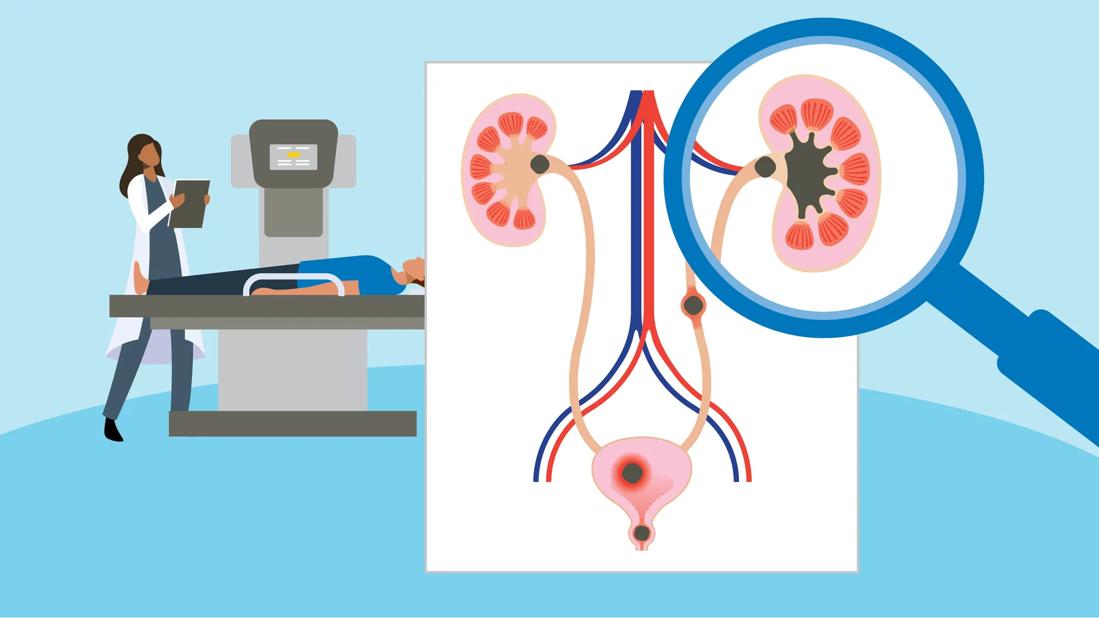
Radiation therapy sounds dramatic, like something from a superhero origin story where the lab lights flicker and someone suddenly develops laser eyes. In real cancer care, though, radiation therapy is far less comic book and far more calculated. It is a precise medical treatment that uses high-energy radiation to damage cancer cells, shrink tumors, relieve symptoms, and sometimes cure disease. No cape required.
As a radiation oncologist would explain it, radiation therapy is not simply “zapping cancer.” It is a carefully planned process that combines biology, physics, imaging, computer modeling, and human judgment. The goal is straightforward but challenging: deliver enough radiation to control or destroy cancer cells while protecting nearby healthy tissue as much as possible.
This guide explains how radiation therapy works, why it is used, what happens before and during treatment, what side effects may occur, and what real-life treatment can feel like from a patient’s point of view.
What Is Radiation Therapy?
Radiation therapy, also called radiotherapy, is a cancer treatment that uses high doses of energy to damage the DNA inside cancer cells. DNA is the cell’s instruction manual. When radiation damages that manual badly enough, cancer cells lose the ability to divide and grow. Over time, they die, and the body naturally clears them away.
Radiation is used at low doses in medical imaging, such as X-rays. In cancer treatment, the dose is much higher and is delivered with a specific medical purpose. Think of a regular X-ray as a flashlight used to look inside the body. Radiation therapy is more like a spotlight with a mission, a map, and a very serious calendar.
Radiation therapy may be used alone or with other cancer treatments, including surgery, chemotherapy, immunotherapy, targeted therapy, or hormone therapy. Sometimes radiation is given before surgery to shrink a tumor. Sometimes it is used after surgery to reduce the risk of cancer coming back. In other cases, it helps ease symptoms such as pain, bleeding, breathing trouble, or pressure caused by a tumor.
How Does Radiation Therapy Work at the Cell Level?
Cancer cells grow and divide faster than many normal cells. Radiation takes advantage of that weakness. When radiation passes through tissue, it creates damage inside cells, especially in the DNA. If a cell cannot repair that damage, it stops multiplying or dies.
Healthy cells can also be affected, which is why radiation therapy must be planned with such care. The good news is that many normal cells are better at repairing radiation injury than cancer cells. This difference gives radiation oncologists a therapeutic window: enough dose to hurt the cancer, but not so much that surrounding tissue cannot recover.
Why Radiation Usually Takes More Than One Visit
Many radiation treatments are divided into multiple small doses called fractions. Instead of giving the entire dose in one session, treatment may be spread over days or weeks. This approach gives healthy cells time to repair between sessions while cancer cells continue accumulating damage.
For example, a person receiving radiation for breast cancer, prostate cancer, lung cancer, or head and neck cancer may come in five days a week for several weeks. Other treatments, such as stereotactic body radiation therapy, may use fewer visits with higher doses per session. The schedule depends on the cancer type, tumor size, location, treatment goal, and the patient’s overall health.
The Main Types of Radiation Therapy
Radiation therapy is not one-size-fits-all. It is more like a toolbox. A radiation oncologist selects the right tool based on where the cancer is, how it behaves, and what nearby organs need protection.
External Beam Radiation Therapy
External beam radiation therapy is the most common type of radiation treatment. A machine outside the body, often a linear accelerator, sends radiation beams toward the tumor. The machine does not touch the patient. During treatment, the patient lies on a table while the machine moves around them to deliver radiation from carefully chosen angles.
Modern external beam radiation therapy can be extremely precise. Techniques such as 3D conformal radiation therapy, intensity-modulated radiation therapy, image-guided radiation therapy, stereotactic radiosurgery, and stereotactic body radiation therapy allow doctors to shape the radiation dose around the tumor while reducing exposure to nearby healthy tissue.
Brachytherapy
Brachytherapy is internal radiation therapy. Instead of sending radiation from outside the body, radioactive material is placed inside the body, in or near the tumor. The source may be inserted as seeds, ribbons, capsules, wires, or temporary applicators.
Brachytherapy is often used for cancers of the prostate, cervix, uterus, breast, head and neck, and eye. Because the radiation source sits close to the cancer, doctors can deliver a strong dose to a small area while limiting exposure to tissue farther away. It is radiation therapy with a “right next door” strategy.
Systemic Radiation Therapy
Systemic radiation therapy uses radioactive substances that travel through the bloodstream or are swallowed, injected, or infused. These treatments are designed to target certain cancer cells throughout the body. Examples include radioactive iodine for some thyroid cancers and radiopharmaceuticals used for certain prostate cancers or cancers that have spread to bone.
Proton Therapy
Proton therapy is a form of external beam radiation that uses protons rather than traditional X-rays, also called photons. Protons have a special physical property: they release most of their energy at a specific depth and then stop. This can reduce radiation exposure beyond the tumor, which may be helpful in selected cases, especially when tumors are near sensitive organs or in some pediatric cancers.
Proton therapy is not automatically better for every cancer. A radiation oncologist weighs the benefits, availability, cost, tumor location, and evidence for each patient. In cancer care, “newer” does not always mean “necessary,” and “fancier machine” does not always mean “better outcome.”
What Does a Radiation Oncologist Do?
A radiation oncologist is a physician who specializes in treating cancer and some noncancerous conditions with radiation. Their work starts long before the treatment machine turns on.
The radiation oncologist reviews the diagnosis, biopsy results, imaging scans, cancer stage, prior treatments, medical history, and patient goals. They determine whether radiation is appropriate, what dose should be used, how many treatments are needed, and which nearby organs must be protected.
Radiation care is team-based. The team may include radiation therapists, dosimetrists, medical physicists, nurses, advanced practice providers, nutrition specialists, social workers, and other physicians. If radiation therapy were a restaurant, the radiation oncologist would not be the only chef. There would also be a physicist checking the oven, a dosimetrist designing the recipe, therapists plating the meal exactly the same way every day, and nurses making sure nobody faints into the soup.
How Radiation Treatment Is Planned
Radiation therapy planning is one of the most important parts of the process. The actual treatment session may take only minutes, but the plan behind it can take days to design and verify.
Step 1: Consultation
The first visit usually includes a detailed conversation with the radiation oncologist. The doctor explains why radiation may be recommended, what the goal is, what alternatives exist, and what side effects are possible. Patients should bring a list of medications, prior treatments, allergies, and questions. “Will I glow in the dark?” is common. The answer for external beam radiation is no.
Step 2: Simulation
Simulation is a planning appointment, not a treatment. The care team positions the patient exactly as they will be positioned during therapy. A CT scan is often performed in the treatment position. Depending on the cancer, MRI or PET images may also be used to help define the tumor and normal organs.
Immobilization devices may be created to help the patient stay still and reproducible from day to day. These can include custom masks, molds, cushions, body cradles, or other positioning tools. Tiny tattoo-like marks or temporary skin marks may be used to help align the body accurately during treatment.
Step 3: Contouring
After simulation, the radiation oncologist outlines the tumor and nearby organs at risk on the planning images. This step is called contouring. It is meticulous work. The doctor may define the visible tumor, areas at risk for microscopic disease, and structures such as the spinal cord, heart, lungs, bowel, bladder, salivary glands, or optic nerves.
Step 4: Treatment Planning
A dosimetrist and medical physicist help create a treatment plan using specialized software. The plan determines beam angles, radiation dose, dose intensity, treatment time, and safety limits. The team tries to make the dose conform to the target while reducing unnecessary exposure to healthy tissue.
This is where radiation therapy becomes part medicine, part math marathon. The computer can suggest elegant dose patterns, but the care team must make sure the plan is medically appropriate and physically deliverable.
Step 5: Quality Checks
Before the first treatment, the plan goes through safety checks. Medical physicists verify that the machine can deliver the plan accurately. The team confirms patient identity, treatment site, dose, schedule, and setup instructions. In modern radiation oncology, “measure twice, treat once” is not just a saying. It is the culture.
What Happens During a Radiation Therapy Session?
During external beam radiation therapy, the patient lies on the treatment table in the same position used during simulation. Radiation therapists help align the body using marks, lasers, imaging, and positioning devices. The therapists leave the room before the beam turns on, but they monitor the patient by camera and intercom.
The machine may rotate around the body and make mechanical sounds. Nothing touches the patient, and the radiation itself cannot be felt, seen, smelled, or heard. The experience is usually painless. The hardest part for many people is staying still, managing anxiety, or wondering whether the machine is secretly auditioning for a role in a science fiction movie.
A session may last 10 to 30 minutes, although the actual radiation delivery often takes only a few minutes. More complex treatments can take longer. Most patients can go home afterward and continue many normal activities, depending on symptoms and the treatment area.
Does Radiation Therapy Make You Radioactive?
External beam radiation therapy does not make a person radioactive. After the machine turns off, no radiation remains in the body. Patients can safely be around family, children, coworkers, pets, and houseplants with judgmental energy.
Some internal radiation treatments or systemic radiopharmaceuticals may require temporary safety precautions. These precautions vary depending on the radioactive material, dose, and treatment type. The care team gives specific instructions about distance, hygiene, bodily fluids, sleeping arrangements, travel, or contact with pregnant people and young children when needed.
Common Radiation Therapy Side Effects
Radiation side effects depend strongly on the part of the body being treated. Radiation is local, meaning it mainly affects the area receiving the dose. A person receiving radiation to the breast will not lose hair on the scalp unless the scalp is also treated. A person receiving radiation to the prostate will not develop mouth sores from that treatment. Location matters.
General Side Effects
Fatigue is one of the most common side effects. It may build gradually during treatment and can last for weeks after therapy ends. Skin changes may occur in the treated area, including dryness, redness, darkening, peeling, itching, or tenderness. Hair loss can occur only where radiation enters or exits the body.
Area-Specific Side Effects
Radiation to the head and neck may cause dry mouth, sore throat, taste changes, swallowing difficulty, dental concerns, or skin irritation. Radiation to the chest may cause cough, esophagus irritation, or fatigue. Radiation to the abdomen or pelvis may cause nausea, diarrhea, bladder irritation, bowel changes, or sexual and fertility-related effects. Brain radiation may cause hair loss, fatigue, headaches, nausea, or temporary swelling-related symptoms.
Most side effects are manageable, and many improve after treatment. Some side effects can appear months or years later, which is why follow-up care is important. A good rule: do not “tough it out” in silence. Radiation oncology teams have seen nearly everything, including the rash you are embarrassed to mention. Tell them early.
How Doctors Protect Healthy Tissue
Modern radiation therapy uses several strategies to protect normal tissue. Imaging helps define the target. Computer planning shapes the dose. Immobilization improves consistency. Daily image guidance confirms positioning. Fractionation gives healthy cells time to repair. Dose constraints set limits for sensitive organs.
For some cancers, doctors may use breath-hold techniques, bladder-filling instructions, rectal spacers, custom masks, contrast imaging, or adaptive planning. The details vary, but the theme is the same: aim carefully, verify often, and avoid treating tissue that does not need the drama.
When Is Radiation Therapy Used?
Radiation therapy can be used for many goals. It may be curative, meaning the intent is to eliminate cancer. It may be adjuvant, meaning it is given after another treatment to reduce recurrence risk. It may be neoadjuvant, meaning it is given before surgery to shrink a tumor. It may be palliative, meaning the goal is symptom relief and quality of life.
Radiation is commonly used for breast cancer, prostate cancer, lung cancer, head and neck cancers, brain tumors, gynecologic cancers, gastrointestinal cancers, lymphomas, skin cancers, bone metastases, and many other conditions. The recommendation depends on cancer biology, stage, anatomy, patient preference, and evidence from clinical studies.
Questions to Ask Before Starting Radiation Therapy
Patients should feel comfortable asking practical and medical questions. Useful questions include: What is the goal of treatment? How many sessions will I need? What side effects are most likely for my treatment area? Should I change my skin care routine? Can I work during treatment? Are there foods, supplements, or medications I should avoid? How will we know whether treatment worked?
It is also fair to ask why one radiation technique is recommended over another. Radiation oncology is personalized. The best plan is not always the most technologically flashy plan; it is the plan that fits the cancer, the patient, and the evidence.
Recovery and Follow-Up After Radiation Therapy
Radiation keeps working after the final session. Cancer cells may continue dying for weeks or months. Imaging is often scheduled after enough time has passed to make results meaningful. Scanning too early can create confusion because inflammation from treatment may look suspicious before it settles down.
Follow-up visits allow the team to monitor recovery, manage side effects, check for recurrence, and coordinate care with other specialists. Patients should report new symptoms, worsening pain, fever, trouble swallowing, severe diarrhea, bleeding, shortness of breath, or any concern that feels unusual.
Patient Experience: What Radiation Therapy Feels Like in Real Life
For many patients, the emotional build-up before radiation therapy is harder than the treatment itself. The word “radiation” carries cultural baggage. People imagine glowing skin, hazmat suits, or a machine the size of a small spaceship. Then they arrive for treatment and discover a calm room, a team that knows their name, and a machine that mostly hums, rotates, and minds its own business.
The first few visits can feel strange. Patients may worry about moving, breathing incorrectly, or doing something “wrong.” Radiation therapists are used to this. They guide positioning, explain what will happen, and help patients settle into the routine. Many patients find that after the first week, treatment becomes surprisingly ordinary: check in, change clothes if needed, lie on the table, stay still, get aligned, listen to the machine, and go home.
Fatigue is often the side effect people underestimate. It is not always the dramatic “I must sleep for three days” kind of tired. Sometimes it feels like the body quietly lowered the battery setting from 100% to 63% without asking permission. Patients may still work, drive, cook, or care for family, but they often need more rest and fewer heroic errands. This is not laziness. It is biology with a clipboard.
Skin care is another common part of the experience. Depending on the treatment area, the skin may become pink, darker, dry, itchy, or sensitive. Patients are usually advised to use gentle products, avoid harsh scrubbing, protect the treated area from sun exposure, and follow the clinic’s instructions about lotions or creams. The key is to ask before applying anything unusual. This is not the moment for an internet-famous chili pepper exfoliating balm.
Daily logistics matter too. A short treatment can still disrupt life when it happens every weekday. Transportation, parking, work schedules, childcare, meals, and insurance paperwork can become part of the treatment burden. Patients often do better when they accept help early. A ride from a friend, a freezer meal, a calendar reminder, or a simple “Can you pick up the groceries?” can make the process less exhausting.
Emotionally, radiation therapy can bring mixed feelings. Some people feel empowered because treatment is actively attacking the cancer. Others feel anxious, especially near scans or the final day of therapy. The last treatment can be joyful and oddly unsettling at the same time. During treatment, patients are watched closely. After treatment ends, the safety net feels farther away. That is normal. Follow-up visits exist for a reason, and patients should keep using their care team as a resource.
One practical lesson from the radiation oncology world is this: small symptoms deserve early attention. A sore throat, skin change, urinary burning, diarrhea, appetite change, or unusual pain may be easier to manage when reported quickly. Patients do not earn bonus points for suffering silently. Cancer treatment is not a toughness contest; it is a teamwork project.
The most reassuring experience for many patients is realizing how personalized radiation therapy is. The mask, mold, marks, imaging, plan, dose, and schedule are not random. They are built around one person’s anatomy and one person’s cancer. That level of detail can turn fear into trust. Radiation therapy is powerful, yes, but it is also planned, checked, measured, and delivered by people whose job is to make the powerful thing as precise as possible.
Conclusion
Radiation therapy works by damaging the DNA of cancer cells so they can no longer grow and divide. Behind that simple explanation is a sophisticated medical process involving imaging, physics, computer planning, safety checks, and daily precision. External beam radiation, brachytherapy, systemic radiation, proton therapy, and stereotactic techniques all use the same basic principle in different ways: deliver the right dose to the right place while protecting healthy tissue.
For patients, radiation therapy can feel intimidating at first, but the process is usually more controlled and routine than expected. Side effects vary by treatment area and are often manageable with early communication and supportive care. The best conversations happen when patients ask questions, report symptoms promptly, and understand the purpose behind each step.
Note: This article is for general educational purposes only and should not replace medical advice from a qualified oncology care team. Anyone considering or receiving radiation therapy should follow the guidance of their radiation oncologist and treatment center.