Kidney stones are tiny mineral troublemakers with a dramatic flair. One minute you are living your life, and the next, a grain-sized crystal is acting like it owns the entire urinary tract. The good news? Many kidney stones can be prevented, or at least made much less likely, with daily habits that are surprisingly practical: drink more water, eat less salt, keep calcium in your diet, watch certain high-oxalate foods, and stop treating your kidneys like a garbage disposal for soda and salty snacks.
In simple terms, kidney stones form when urine becomes too concentrated and minerals such as calcium, oxalate, uric acid, or cystine begin to crystallize. Think of it like making rock candy, except the candy is inside your body and nobody is clapping. Prevention focuses on keeping urine diluted, reducing stone-forming substances, and increasing natural blockers like citrate. The best plan depends on the type of stone, but several core strategies help most people reduce their risk.
What Are Kidney Stones, Really?
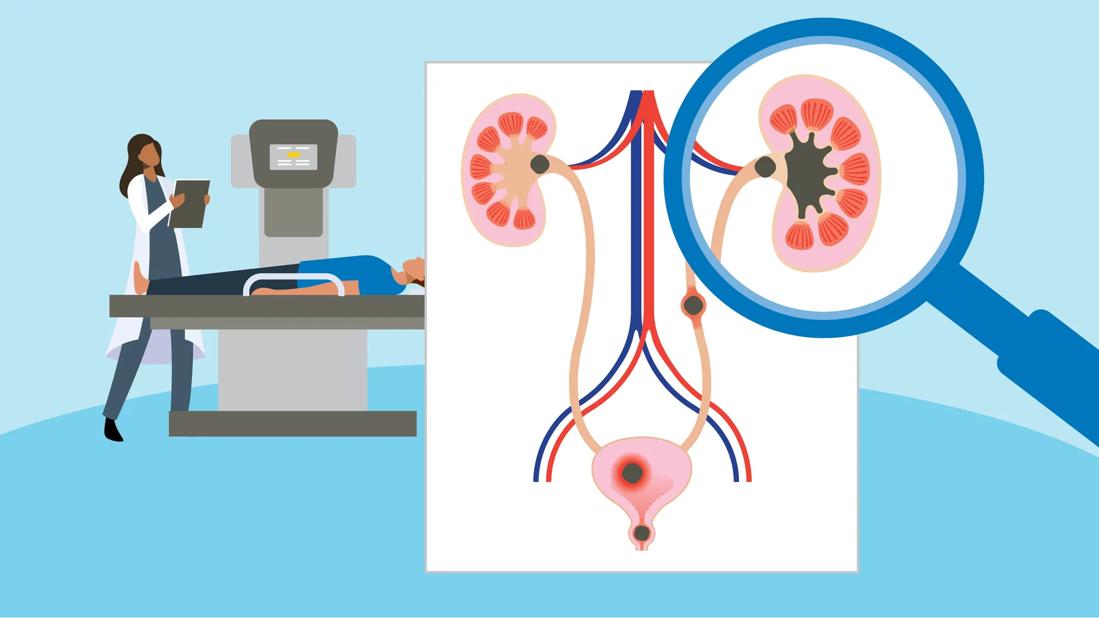
Kidney stones are hard deposits that form inside the kidneys from minerals and salts. Some stay small and pass quietly. Others grow large enough to cause severe pain, blood in the urine, nausea, vomiting, fever, or trouble urinating. The most common type is calcium oxalate stone, but stones may also be made of calcium phosphate, uric acid, struvite, or cystine.
The key point is this: kidney stones are not always random bad luck. Family history, certain medical conditions, hot weather, dehydration, diet, digestive disorders, some supplements, and medications can all raise risk. But for many people, prevention begins with ordinary routines repeated consistently. Your kidneys like boring habits. They are not impressed by “hydration challenges” once every six months.
1. Drink Enough Fluids to Keep Urine Diluted
If kidney stone prevention had a captain, it would be water. Drinking enough fluid helps dilute urine so minerals are less likely to clump together and form crystals. A common goal for people prone to stones is to produce about 2 to 2.5 liters of urine per day. That usually means drinking roughly 2.5 to 3 liters of fluid daily, though needs vary based on body size, sweating, activity level, climate, and medical conditions.
How to Know If You Are Drinking Enough
You do not need to turn your kitchen into a chemistry lab. A simple clue is urine color. Pale yellow usually suggests decent hydration. Dark yellow urine often means you need more fluid. If you exercise, work outdoors, live in a hot climate, or sweat heavily, you may need more water than someone sitting in an air-conditioned office pretending not to eat office cookies.
Water is the best default choice. Citrus drinks such as lemon water may help some people because citrate can discourage crystal formation. However, sugary lemonade is not a magic kidney potion. If your drink has enough sugar to qualify as dessert, your kidneys may not send a thank-you card.
2. Cut Back on Sodium Before Your Kidneys File a Complaint
High sodium intake is one of the biggest diet-related risk factors for calcium stones. When you eat too much sodium, your kidneys may excrete more calcium into the urine. More urinary calcium can mean more raw material for stones. This is why “just stop eating calcium” is usually the wrong idea. The smarter move is to reduce sodium.
Common high-sodium foods include fast food, deli meats, canned soups, frozen dinners, chips, salted nuts, processed cheese, pickles, sauces, instant noodles, and restaurant meals that taste suspiciously delicious because they contain enough salt to preserve a small mammoth.
Practical Ways to Reduce Sodium
Start by reading nutrition labels. Choose lower-sodium versions of soups, sauces, and packaged foods. Rinse canned beans and vegetables. Flavor meals with garlic, lemon, herbs, vinegar, pepper, smoked paprika, or chili instead of relying only on salt. When eating out, ask for sauces and dressings on the side. Your taste buds will adjust; they are dramatic at first, but they calm down.
3. Eat Enough Calcium From Food
This part surprises many people: eating enough calcium can help prevent calcium oxalate stones. Dietary calcium binds to oxalate in the digestive tract, reducing how much oxalate gets absorbed and later reaches the urine. In other words, calcium from food can act like a helpful bouncer at the club door, stopping oxalate before it causes trouble.
Good calcium sources include milk, yogurt, kefir, fortified plant milks, calcium-set tofu, cheese in moderate amounts, and some leafy greens. Many adults are advised to aim for about 1,000 to 1,200 milligrams of calcium per day, preferably from food. Calcium supplements are different and should be discussed with a healthcare professional, especially if you have a history of stones.
Pair Calcium With Oxalate Foods
If you eat higher-oxalate foods, pairing them with calcium-containing foods at the same meal may reduce oxalate absorption. For example, have yogurt with berries, milk with oatmeal, or calcium-set tofu with vegetables. Timing matters because calcium and oxalate need to meet in the gut, not wave at each other from different meals like awkward neighbors.
4. Be Smart About Oxalate, Not Afraid of Vegetables
Oxalate is a natural compound found in many plant foods. High-oxalate foods include spinach, rhubarb, beets, almonds, cashews, peanuts, wheat bran, chocolate, black tea, and some soy products. If you form calcium oxalate stones, your clinician may recommend limiting the highest-oxalate foods.
But this does not mean vegetables are villains wearing tiny capes. Many healthy foods contain some oxalate, and plant-rich eating patterns can still support kidney stone prevention. The goal is balance: reduce the biggest oxalate offenders, pair moderate oxalate foods with calcium, drink enough water, and avoid building your entire lunch around spinach smoothies and almond flour muffins every day.
5. Moderate Animal Protein
Large portions of animal protein may increase the risk of certain kidney stones by raising uric acid and lowering urinary citrate. Meat, poultry, fish, eggs, and seafood can fit into a healthy diet, but oversized portions can become a problem for stone-prone people.
A balanced approach is to keep protein portions reasonable and include more plant-based proteins such as beans, lentils, whole grains, and seeds when appropriate. If you have kidney disease or another medical condition, protein advice should be personalized by a clinician or registered dietitian.
What a Moderate Plate Looks Like
A kidney-friendly plate might include a palm-sized portion of chicken or fish, a generous serving of vegetables, a calcium source, and a whole grain such as brown rice or quinoa. Another option is a lentil bowl with vegetables, yogurt sauce, herbs, and lemon. The goal is not punishment. It is simply giving your urine fewer stone-making ingredients to work with.
6. Eat More Fruits and Vegetables
Fruits and vegetables help in several ways. They provide fluid, potassium, fiber, magnesium, and citrate-supporting compounds. Citrus fruits such as lemons and oranges may be especially useful for some people because citrate can bind calcium and reduce crystal formation. Cucumbers, melons, tomatoes, and other water-rich foods also support hydration.
Aim for variety. A colorful plate is better than a heroic but short-lived “perfect” diet. Five servings of fruits and vegetables per day is a practical target for many adults. If your current vegetable intake is one decorative lettuce leaf on a burger, start small. Add fruit at breakfast, a salad at lunch, and roasted vegetables at dinner. Your kidneys appreciate progress, not perfection.
7. Limit Sugary Drinks and Cola
Sugar-sweetened beverages may increase kidney stone risk, especially when they replace water. Cola drinks can be a concern because some contain phosphoric acid, and many sodas add sugar without hydration benefits. Sports drinks are not automatically kidney-friendly either; some are high in sugar or sodium.
Better choices include water, unsweetened sparkling water, lemon water, and unsweetened tea in moderation. Coffee may be acceptable for many people, but hydration should still come primarily from water. If your daily fluid plan is three sodas and a hopeful sip of water before bed, your kidneys may request a meeting with management.
8. Do Not Overdo Vitamin C Supplements
High-dose vitamin C supplements may increase oxalate production in some people. This does not mean oranges are dangerous. It means large supplemental doses, especially without medical need, may be risky for people prone to calcium oxalate stones. Before taking high-dose vitamin C, calcium pills, protein powders, or “kidney cleanse” products, check with a healthcare professional.
9. Know Your Stone Type
The best kidney stone prevention plan depends on the type of stone. Calcium oxalate stones may call for sodium reduction, enough dietary calcium, hydration, and oxalate management. Uric acid stones often require attention to urine acidity, animal protein, weight management, and sometimes medication. Struvite stones are linked with infections and require medical treatment. Cystine stones are uncommon and usually need specialized care.
If you pass a stone, try to save it and bring it to your doctor for analysis. Yes, this is not glamorous. No one dreams of becoming a stone collector. But knowing the stone type can turn prevention from a guessing game into a targeted plan.
10. Ask About a 24-Hour Urine Test
People who have repeated stones, large stones, early-age stones, a strong family history, or certain medical conditions may benefit from a 24-hour urine test. This test measures urine volume, calcium, oxalate, citrate, uric acid, sodium, pH, and other factors. The results can reveal why stones are forming and what changes are most likely to help.
For example, one person may need more fluids and less sodium. Another may need potassium citrate. A third may need to manage uric acid. Personalized prevention is much better than copying a random internet plan titled “I Cured My Kidney Stones With One Weird Pickle.” Please do not build your health strategy around pickles with marketing departments.
11. Manage Weight, Blood Pressure, and Metabolic Health
Kidney stones are linked with several metabolic risk factors, including obesity, high blood pressure, diabetes, and gout. Improving overall metabolic health can support stone prevention. Regular physical activity, balanced meals, weight management when needed, and good blood pressure control all matter.
This does not require extreme dieting. In fact, crash diets, dehydration, and high-protein fads can backfire. A sustainable approach such as a DASH-style or Mediterranean-style eating pattern often makes more sense: fruits, vegetables, whole grains, legumes, nuts in reasonable portions, lean proteins, and lower sodium.
12. Be Careful During Hot Weather and Heavy Exercise
Sweating reduces urine volume, which can concentrate stone-forming minerals. If you work outdoors, exercise hard, use saunas, or live in a hot climate, increase fluid intake before, during, and after sweating. Do not wait until bedtime to drink the day’s water unless your hobby is waking up every hour to visit the bathroom.
A useful routine is to drink water early in the day, carry a bottle, and drink with every meal and snack. Add lemon, lime, cucumber, or mint if plain water feels too boring. Your water does not need a personality, but a little flavor can help you drink more consistently.
Common Myths About Avoiding Kidney Stones
Myth 1: “Calcium causes calcium stones, so avoid calcium.”
Not usually. Low dietary calcium can increase oxalate absorption and raise the risk of calcium oxalate stones. Food-based calcium is generally preferred unless your clinician advises otherwise.
Myth 2: “Only older adults get kidney stones.”
Kidney stones can affect adults of many ages, and risk has been increasing in various groups. Younger people are not immune, especially with dehydration, high sodium intake, and certain medical conditions.
Myth 3: “If I drink coffee, I am hydrated enough.”
Coffee may count toward fluid intake for many people, but water should still be your main beverage. Also, sweetened coffee drinks can contain a shocking amount of sugar. Your kidneys ordered hydration, not a milkshake in business attire.
A Simple Kidney Stone Prevention Day
Here is an example of a practical day. Start with a glass of water after waking. Have oatmeal with milk or fortified soy milk and berries. Drink water midmorning. For lunch, choose a chicken, tofu, or bean bowl with vegetables, brown rice, yogurt sauce, and lemon. Snack on fruit instead of salty chips. At dinner, eat salmon or lentils with roasted vegetables and a calcium-containing side. Keep a water bottle nearby and sip throughout the day.
This is not a strict prescription. It is a template. The real win is building habits that make urine less concentrated and less stone-friendly. Your kidneys do not need perfection; they need repetition.
When to See a Doctor
Seek medical care urgently if you have severe side or back pain, fever, chills, vomiting, blood in the urine, pain with urination, or trouble passing urine. Kidney stones can sometimes block urine flow or occur with infection, which can become serious.
You should also talk with a healthcare professional if you have had more than one kidney stone, have a family history of stones, have kidney disease, take supplements regularly, follow a special diet, or are unsure what type of stone you had. Prevention works best when it is tailored to your body.
Experience-Based Tips: Making Kidney Stone Prevention Actually Stick
The hardest part of avoiding kidney stones is not understanding the advice. Most people know water is good and salty food is not exactly a love letter to the kidneys. The hard part is turning good intentions into boring daily habits that survive real life: busy mornings, long commutes, restaurant meals, deadlines, travel, and the mysterious way a bag of chips can disappear during a movie.
One useful experience-based approach is to stop treating water like a chore and start attaching it to routines you already do. Drink a full glass after brushing your teeth. Keep a bottle on your desk. Drink water before coffee, with lunch, during the afternoon slump, and while preparing dinner. People often fail because they wait until they feel thirsty, but thirst is a late reminder. It is your body’s version of sending an overdue notice.
Another practical trick is to make the kitchen environment work for you. Keep lower-sodium foods visible and easy to grab. Put fruit where you can see it. Store salty snacks in less convenient places or buy smaller portions. If you love chips, do not pretend celery will emotionally replace them overnight. Instead, reduce frequency, choose smaller servings, and pair snacks with water. Prevention becomes easier when your home is not designed like a sodium obstacle course.
Restaurant eating is another real-world challenge. Many meals outside the home are high in sodium, even when they look healthy. A grilled chicken salad can still arrive wearing a salt costume if the dressing, cheese, croutons, and seasoned meat are loaded with sodium. Ask for dressing on the side, choose grilled or steamed options, and balance restaurant meals with lower-sodium meals at home. You do not need to become the person who interrogates the waiter about every grain of salt, but small choices add up.
For people who dislike plain water, flavor is your friend. Lemon slices, lime, cucumber, mint, berries, or unsweetened sparkling water can make hydration less dull. The goal is not to win a purity contest. The goal is to drink enough fluid consistently. If a splash of lemon helps you drink more water, that is a kidney-friendly victory with better branding.
Finally, the most valuable lesson is personalization. Two people can both have kidney stones for different reasons. One may form stones because of low urine volume. Another may have high urine calcium from sodium intake. Another may have low citrate or high uric acid. That is why stone analysis and 24-hour urine testing can be so helpful after repeated stones. Prevention should feel like a tailored plan, not a punishment copied from a stranger’s forum post.
In everyday life, avoiding kidney stones is less about dramatic detoxes and more about steady habits: water on the desk, less salt in the cart, calcium with meals, reasonable protein portions, more fruits and vegetables, and medical follow-up when stones keep returning. Your kidneys are quiet workers. Treat them kindly, and they are less likely to send you a painful mineral memo.
Conclusion
Kidney stones can be intensely painful, but many are preventable. The strongest daily strategies are simple: drink enough fluids to keep urine diluted, lower sodium, eat enough calcium from food, pair calcium with oxalate-containing foods, moderate animal protein, eat more fruits and vegetables, and avoid relying on sugary drinks. If you have already had a stone, the smartest next step is to learn what kind it was and ask whether a 24-hour urine test makes sense.
Note: This article is for educational purposes only and should not replace medical advice. Anyone with kidney disease, recurrent stones, severe symptoms, pregnancy, or special dietary needs should consult a qualified healthcare professional.