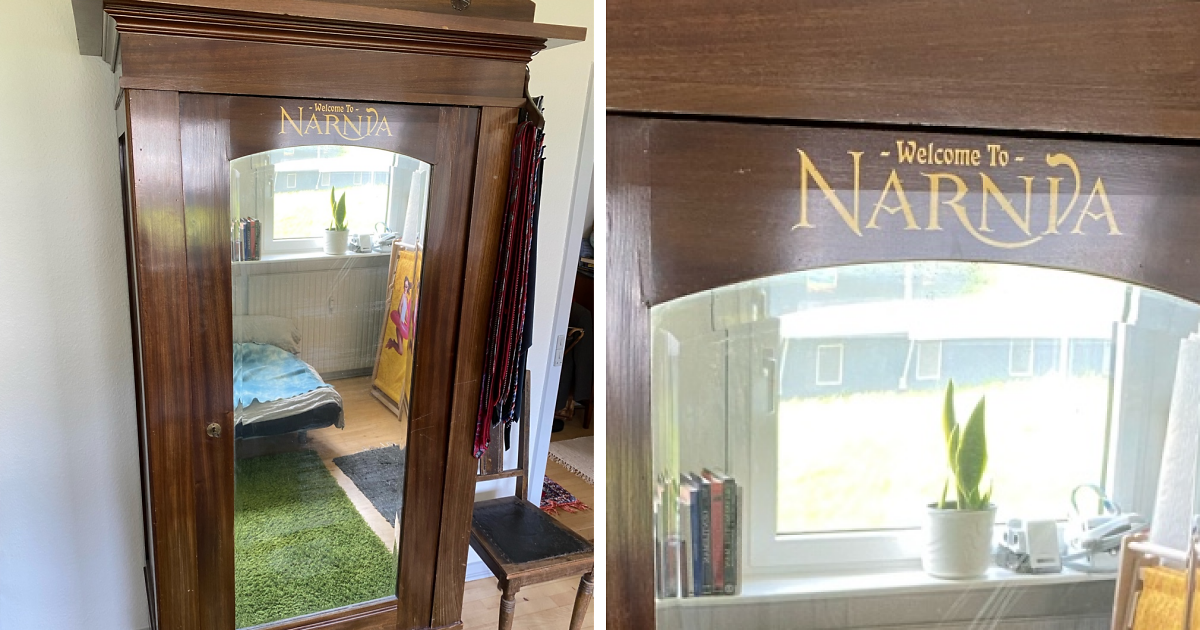
Some people collect stamps. Some collect sneakers. And then there are the glorious home-design creatures among us who proudly say, “Yes, that is a chair shaped like a hand, and no, I will not be taking questions.” Welcome to the wonderful world of cool furniture, where a coffee table can start a conversation, a bookshelf can look like modern art, and a thrifted dresser can become the star of the room after one heroic weekend and three questionable hardware-store decisions.
The phrase “Hey Pandas, Show Me Your Cool Furniture” feels like a friendly internet invitation: open the door, point the camera at the weirdest, prettiest, most surprisingly useful thing in your home, and let everyone admire it. But cool furniture is not just about shock value. The best pieces combine personality, comfort, craftsmanship, and function. A sofa can be curved and dramatic without looking like it escaped from a spaceship. A dining chair can be vintage without smelling like 1972. A side table can be tiny, sculptural, and still brave enough to hold your coffee.
Across American home-design conversations, the same themes keep appearing: warmer materials, softer shapes, multifunctional pieces, secondhand treasures, and interiors that feel collected rather than copied. In other words, the coolest furniture today is not necessarily the most expensive. It is the furniture with a story, a purpose, and just enough attitude to make guests say, “Wait, where did you get that?”
What Makes Furniture “Cool” in the First Place?
Cool furniture is not a single style. It can be sleek mid-century modern, chunky handmade wood, colorful postmodern, cozy farmhouse, industrial metal, or a joyful DIY creation that started life as a sad curbside cabinet. What makes it cool is the way it changes the mood of a room. It catches the eye, solves a problem, or reveals something about the person who lives there.
A cool furniture piece usually has at least one of these qualities: an unusual shape, a memorable material, a clever function, a bold color, a vintage soul, or a personal backstory. A velvet emerald sofa can be cool because it adds drama. A wall-mounted folding desk can be cool because it turns a hallway into an office. A restored wooden trunk can be cool because it stores blankets, works as a coffee table, and looks like it has crossed an ocean with secrets in its hinges.
The trick is not to fill your home with “look at me” pieces until your living room starts yelling. One or two standout items can do more than ten random novelty buys. Cool furniture works best when it has breathing room, like the lead singer of a band who does not need every instrument to play a solo at once.
Curved Furniture: The Soft-Edge Revolution
For years, many modern homes were full of sharp lines, boxy sofas, square coffee tables, and enough right angles to make geometry teachers emotional. Now, curved furniture is having a major moment. Rounded sofas, barrel chairs, arched headboards, oval dining tables, and soft-cornered coffee tables bring a gentler feeling into a room. They make spaces look more relaxed, more welcoming, and slightly less like a corporate waiting area.
Curves are especially useful in small spaces because they help the eye move around the room. A round coffee table can make a tight seating area easier to navigate. A curved sofa can soften a rectangular living room. A circular ottoman can double as seating, a footrest, and a safe landing zone for a tray of snacks during movie night.
How to Use Curves Without Overdoing It
Start with one major curved piece. A rounded accent chair, a scalloped cabinet, or an arched mirror above a console can shift the whole energy of a room. Pair curved furniture with some clean-lined items so the space still feels balanced. Think of it like seasoning: a little curve is delicious; too much curve and suddenly your home looks like a marshmallow convention.
Vintage Furniture: The Cool Kid That Already Has a Past
Vintage furniture is one of the easiest ways to make a home feel unique. Unlike mass-produced sets that match too perfectly, vintage pieces bring texture, age, and character. A solid wood dresser, a brass bar cart, a marble-top side table, or a pair of old dining chairs can instantly make a room feel more layered.
One reason vintage furniture remains popular is quality. Older pieces were often built with real wood, repairable parts, and proportions that still feel elegant today. Of course, not everything old is automatically amazing. Some items are vintage; others are just tired. The difference is structure. If the frame is solid, the drawers slide well, and the piece has good bones, it may be worth refinishing, repainting, or simply cleaning up.
Best Vintage Finds to Watch For
Look for wooden stools, sideboards, dressers, pedestal tables, nesting tables, lamps, and small accent chairs. These pieces are versatile and can move from room to room over time. A vintage wooden stool can become a plant stand, nightstand, bathroom towel perch, or emergency “I need somewhere to put this laundry” platform. That is not clutter; that is adaptability wearing a cute hat.
Multifunctional Furniture: Cool Because It Actually Helps
Furniture does not need to be bizarre to be cool. Sometimes the coolest piece in a home is the one quietly doing three jobs while everyone else is showing off. Multifunctional furniture is especially valuable in apartments, dorm rooms, studios, guest rooms, and any home where square footage is treated like a luxury mineral.
Storage ottomans, lift-top coffee tables, expandable dining tables, sleeper sofas, modular sectionals, wall-mounted desks, and benches with hidden compartments all earn their place. The best versions look intentional rather than like emergency space-saving equipment. A lift-top coffee table can serve as a work surface, dining spot, storage unit, and remote-control hiding place. A modular sofa can adapt for guests, movie marathons, or that mysterious Sunday afternoon activity known as “rearranging the room because life feels weird.”
Small Space, Big Personality
In small rooms, choose furniture with visible legs, lighter visual weight, and built-in storage. Floating shelves, slim consoles, mirrored accents, and nesting tables can help a room function without feeling crowded. Avoid buying oversized furniture just because it looked cozy in a showroom the size of a minor airport. Measure first. Your future shins will thank you.
Statement Chairs: The Drama Queens We Deserve
A statement chair is often the easiest way to add cool furniture to a room without committing to a full makeover. It can be colorful, sculptural, patterned, vintage, oversized, tiny, furry, woven, chrome, rattan, or shaped like it belongs in a retro hotel lobby with excellent gossip.
The beauty of a statement chair is flexibility. Place it in a reading corner, bedroom, entryway, office, or living room. It does not have to match the sofa. In fact, it is often better when it does not. A room with everything matching can feel flat, like the furniture was purchased by a committee that fears joy. A contrasting chair adds tension, rhythm, and personality.
How to Choose One That Works
Pick one standout quality: shape, color, texture, or pattern. If the chair has a wild silhouette, keep the fabric simple. If the upholstery is loud, choose a classic frame. If the material is unusual, such as cane, boucle, leather, velvet, or polished metal, let it shine without surrounding it with too many competing textures.
DIY Furniture Flips: From “Please Help Me” to “Where Did You Buy That?”
Furniture flipping has become a full-blown creative sport. People take old dressers, nightstands, cabinets, tables, and chairs, then transform them with paint, stain, new hardware, cane webbing, wallpaper, tile, or upholstery. The result can look custom, expensive, and deeply satisfying, especially when the original piece looked like it had given up on life.
Good DIY furniture projects start with a realistic plan. Painting a nightstand is beginner-friendly. Reupholstering a complicated armchair with tufting may require patience, tools, and the emotional support of snacks. The smartest flippers focus on sturdy pieces with simple shapes. A plain dresser can become stunning with sanding, primer, paint, updated pulls, and a protective finish.
Cool DIY Ideas That Actually Work
Try painting a cabinet in deep green, navy, terracotta, or warm cream. Add brass or matte black hardware for contrast. Use peel-and-stick wallpaper inside drawers for a surprise detail. Replace broken drawer pulls with ceramic knobs. Turn an old trunk into a coffee table. Add casters to a low cabinet and make it a rolling storage piece. The goal is not perfection; it is personality with enough durability to survive real life.
Sculptural Tables: Furniture That Doubles as Art
Coffee tables and side tables are no longer just flat surfaces waiting for coasters. Many of the coolest furniture pieces today have sculptural bases, unusual materials, chunky shapes, or organic forms. Think travertine tables, wavy wood bases, mushroom-like silhouettes, glass tops on stone supports, or ceramic side tables that look like gallery objects but still hold a lamp.
Sculptural tables work because they sit in high-visibility zones. A coffee table anchors the living room. A side table completes a chair. A console table defines an entryway. When these pieces have interesting forms, the entire room feels more designed.
Practical Advice Before Buying
Check the weight, height, stability, and maintenance. Stone tables are beautiful but can be heavy enough to make moving day feel like a mythological punishment. Glass looks airy but collects fingerprints like it is building a database. Raw wood is warm and timeless but may need sealing. Cool is wonderful, but cool plus practical is the real victory.
Natural Materials: Wood, Stone, Rattan, Cane, and Texture
Cool furniture often feels good before it even looks good. Natural materials add warmth, depth, and tactile pleasure to a room. Wood grain, woven cane, rattan, stone, linen, leather, and wool all bring a sense of authenticity. They make spaces feel less disposable and more human.
Wood is especially powerful because it works across styles. A walnut credenza can look sleek and modern. A pine farmhouse table can feel relaxed and rustic. A white oak bed frame can be calm and contemporary. The key is to mix wood tones intentionally instead of trying to make everything match perfectly. When every wood piece in a room is identical, the effect can feel like a furniture showroom. When tones vary but share warmth or contrast, the room feels collected.
Texture Is the Secret Ingredient
A room with a smooth sofa, glossy table, flat rug, and plain walls can feel sterile. Add a woven chair, nubby ottoman, carved wood cabinet, stone lamp, or ribbed sideboard, and suddenly the room has depth. Texture gives furniture personality without demanding neon colors or circus-level commitment.
Colorful Furniture: Because Beige Has Had a Long Shift
Neutral furniture will always have a place, but colorful furniture is returning with confidence. Deep blue sofas, oxblood chairs, olive cabinets, mustard benches, coral side tables, and painted dressers can make a room feel alive. Color is one of the fastest ways to turn an ordinary piece into cool furniture.
The safest way to experiment is with smaller items: stools, side tables, nightstands, benches, or accent chairs. If you are braver, a colorful sofa or dining cabinet can become the anchor of the room. The goal is not to chase trends blindly, but to choose colors you can actually live with when the internet moves on to its next obsession.
Color Pairings That Feel Modern
Try olive with walnut, navy with brass, terracotta with cream, burgundy with warm beige, or dusty blue with natural oak. These combinations feel rich without becoming chaotic. If the furniture is bold, keep surrounding decor more restrained. Let the cool piece be cool. It does not need backup dancers.
Furniture With a Story Always Wins
The coolest furniture often has a story attached to it. Maybe it was built by a local maker, inherited from a grandparent, found at a flea market, rescued from a curb, or purchased during a memorable trip. Story gives furniture emotional value. It turns an object into a conversation.
This is why “collected” interiors feel more inviting than perfectly matched rooms. A home becomes more interesting when it includes pieces from different eras, places, and moods. A modern sofa can sit beside a vintage lamp. A rustic table can work with sleek chairs. A thrifted cabinet can hold new ceramics. The mix tells people that a real person lives there, not a catalog with Wi-Fi.
How to Photograph and Share Your Cool Furniture
If you are answering the imaginary call of “Hey Pandas, show me your cool furniture,” presentation matters. Clean the surrounding area, open the curtains, and photograph the piece from a flattering angle. Natural light is your friend. Flash is your enemy unless you want your furniture to look like it was surprised during a police interview.
Include a short caption explaining what makes the piece special. Did you restore it? Find it secondhand? Build it yourself? Use it in an unexpected way? People love the backstory almost as much as the final look. A simple before-and-after sequence can be especially satisfying because everyone enjoys a good furniture redemption arc.
Common Mistakes When Choosing Cool Furniture
The biggest mistake is buying something only because it looks interesting online. Furniture must work in your actual space, with your actual lifestyle. A white boucle chair may be beautiful, but if you have pets, snacks, or a mysterious talent for spilling coffee, choose wisely. A giant sculptural sofa may look incredible, but not if it blocks the door and forces guests to enter sideways like crabs.
Another mistake is ignoring scale. Cool furniture should enhance a room, not overpower it. Measure the floor area, doorways, elevator, stairwell, and clearance around the piece. Also think about comfort. A chair can look like a masterpiece, but if sitting in it feels like being punished for bad posture, it is not a chair. It is an expensive sculpture with delusions.
of Real-Life Experience: Living With Cool Furniture
The funny thing about cool furniture is that it changes how people behave in a room. Put a normal coffee table in a living room, and people may barely notice it. Put in a chunky vintage trunk with metal corners, and suddenly everyone wants to know where it came from, whether it opens, and if there is treasure inside. There is usually no treasure, unless you count old blankets, board games, and one remote control nobody can identify.
One of the best experiences with cool furniture comes from finding a piece unexpectedly. Imagine walking into a thrift store with no plan and spotting a solid wood sideboard hiding behind a sad office chair and a lamp shaped like regret. It has scratches, the handles are ugly, and one drawer sticks. But the shape is perfect. You take it home, clean it, sand the rough spots, replace the hardware, and suddenly it looks like something from a boutique design shop. Every time someone compliments it, you get to say, with barely concealed pride, “Oh, I fixed that up myself.” This sentence is powerful. Use it responsibly.
Another lesson: cool furniture does not always have to be loud. A simple handmade wooden bench near the entryway can become the most beloved piece in the house because it solves a daily problem. It holds bags, helps with shoes, welcomes guests, and looks warm without trying too hard. That is quiet cool. It does not scream for attention; it just stands there being useful and handsome, which is honestly more than many decorative items can claim.
Living with unusual furniture also teaches you about balance. One dramatic item can make a room. Five dramatic items can start a visual argument. A sculptural chair, colorful rug, patterned curtains, oversized lamp, and wavy mirror may all be wonderful separately, but together they can look like the room got dressed in the dark. The best approach is to let one or two pieces lead while everything else supports them.
There is also a practical side nobody talks about enough. Cool furniture must survive daily life. If a table is too delicate to use, it becomes stressful. If a chair is too uncomfortable, it becomes a clothing rack with legs. If a cabinet has no storage, it is basically a very confident box. The best furniture earns its space by being both beautiful and useful.
And finally, cool furniture makes a home feel personal. It reminds you that your space does not need to look like everyone else’s. Maybe your favorite piece is a restored dresser, a neon stool, a curved sofa, a tiny vintage chair on a bookshelf, or a coffee table your friend built in a garage. The point is not perfection. The point is delight. When furniture makes you smile, helps your routine, and gives your home a story, it is cool enough for the Pandas.
Conclusion: Cool Furniture Is Personal, Practical, and a Little Bit Brave
Cool furniture is not about chasing every trend or buying the strangest object in the room. It is about choosing pieces that feel memorable, useful, and true to your taste. Curved sofas, vintage cabinets, multifunctional tables, colorful chairs, natural materials, and DIY furniture flips all have one thing in common: they make a home feel more alive.
The best rooms are not perfect. They are layered, comfortable, and full of decisions that reveal personality. So if someone says, “Hey Pandas, show me your cool furniture,” do not worry whether your piece is expensive enough, rare enough, or polished enough. Show the chair you love. Show the table you rescued. Show the cabinet you painted at midnight while questioning your life choices. Cool furniture is not just what you own. It is how you make your space feel unmistakably yours.
Note: This article is written as original, publish-ready web content based on current furniture, interior design, small-space living, vintage shopping, and home styling trends commonly discussed by reputable U.S. home and design publications.