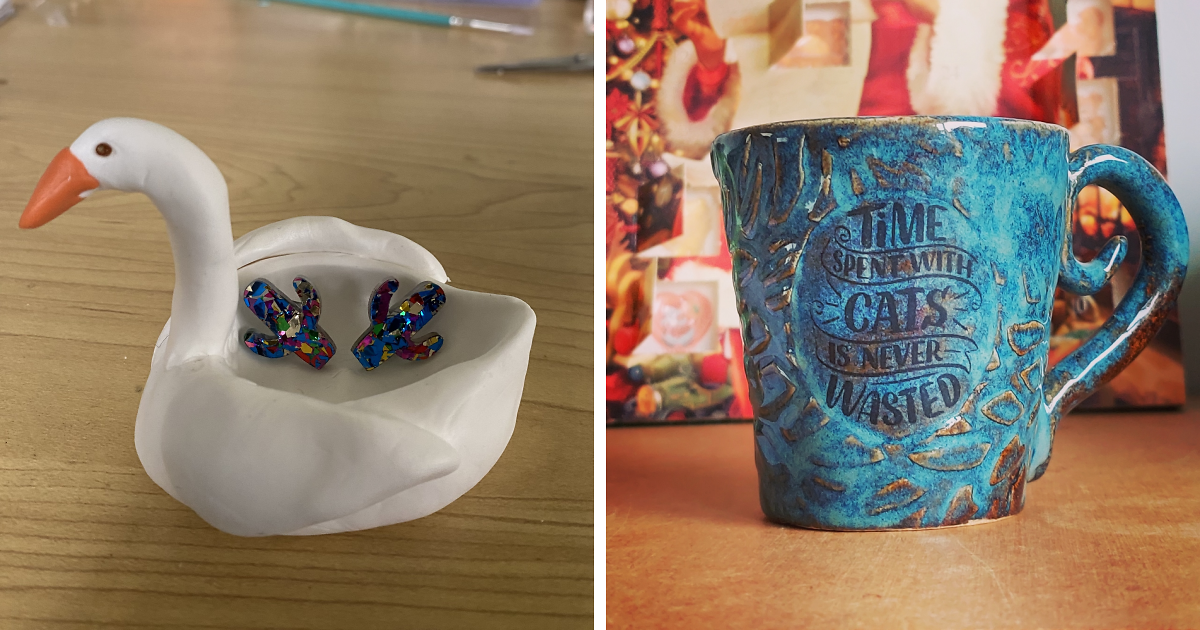
There is something wonderfully chaotic about clay. One minute it is a humble lump sitting on your table like a tiny gray potato with no plans. The next minute, after a few determined pokes, rolls, pinches, and “wait, that actually looks cute” moments, it becomes a mushroom house, a trinket dish, a grumpy frog, a miniature bakery, a wonky mug, or a tiny dragon who absolutely looks like he has opinions.
That is the magic behind the phrase “Hey Pandas, Post Your Clay Creations”. It is not just a call to share pretty finished objects. It is an invitation to celebrate the entire messy, soothing, slightly unpredictable process of making art with your hands. Whether you work with air-dry clay at the kitchen table, polymer clay in a home craft corner, pottery clay in a studio, or paper clay on a weekend when you promised yourself you would “only start one small project,” clay has a way of turning ordinary time into creative time.
And let’s be honest: clay creations are extremely postable. A tiny handmade cat with uneven ears? Post it. A hand-built vase that leans like it knows a secret? Post it. Polymer clay earrings shaped like fruit slices? Definitely post them. Clay art is charming because it does not have to be perfect to be interesting. In fact, the best pieces often have fingerprints, quirks, and tiny imperfections that say, “A real person made this, probably while drinking coffee and ignoring laundry.”
Why Clay Creations Are Having a Handmade Moment
In a digital world full of quick scrolling, clay feels refreshingly physical. It asks you to slow down. You cannot command it with a keyboard shortcut. You have to touch it, listen to its texture, adjust your pressure, and occasionally accept that one leg of your sculpture is simply going to be shorter than the other. Clay rewards patience, but it also welcomes play.
That is one reason clay crafts have become so popular among hobbyists, artists, students, teachers, and online communities. Clay offers a rare combination: it is beginner-friendly, deeply expressive, affordable at the entry level, and endlessly expandable. A beginner can make a pinch pot in an afternoon. A seasoned ceramic artist can spend years mastering glazing, kiln firing, wheel throwing, sculptural forms, surface design, and clay body chemistry.
The beauty of clay is that it meets you where you are. No kiln? Use air-dry clay. No studio? Try polymer clay. No fancy tools? A toothpick, butter knife, rolling pin, sponge, and old gift card can become a surprisingly respectable starter kit. Clay is democratic like that. It does not demand a perfect setup before you begin. It mostly demands curiosity, a little patience, and the courage to make something that may look like a potato before it looks like a penguin.
What Counts as a Clay Creation?
Almost anything shaped from clay can count as a clay creation, and that is what makes the topic so fun. The phrase can include fine art sculptures, home decor, practical pottery, jewelry, ornaments, figurines, magnets, charms, wall hangings, incense holders, candle holders, miniatures, planters, dishes, tiles, and experimental objects that can only be described as “a vibe.”
Air-Dry Clay Projects
Air-dry clay is a favorite for beginners because it hardens naturally without a kiln or oven. It is commonly used for small sculptures, decorative bowls, ornaments, wall art, school projects, and home crafts. Once dry, many air-dry clay pieces can be sanded, painted, and sealed. This makes it perfect for people who want the clay experience without committing to a full ceramic studio setup.
Popular air-dry clay ideas include ring dishes, leaf imprint bowls, tiny houses, wall moons, name plaques, plant markers, holiday ornaments, and desk buddies. A desk buddy, for the record, is any tiny clay creature that sits near your keyboard and silently judges your email habits.
Polymer Clay Creations
Polymer clay is beloved for detail work, bright colors, and small durable objects. It stays workable until baked according to the manufacturer’s instructions, which gives artists time to refine details. Makers often use polymer clay for earrings, charms, keychains, dollhouse food, character figurines, beads, buttons, and decorative accessories.
Because polymer clay comes in many colors, it is ideal for playful designs: lemon slice earrings, tiny croissants, rainbow mushrooms, cartoon frogs, miniature succulents, or earrings shaped like books for people whose personality is at least 70% “currently reading.”
Ceramic and Pottery Clay
Traditional pottery clay usually requires drying, bisque firing, glazing, and a second firing in a kiln. This process can turn fragile greenware into strong ceramic pieces. It is the route many potters take for functional mugs, bowls, plates, vases, tiles, and sculptural ceramics.
Pottery clay opens the door to handbuilding and wheel throwing. Handbuilding includes techniques such as pinch pots, coil building, and slab construction. Wheel throwing, meanwhile, looks peaceful in videos but in real life often begins with clay wobbling dramatically while the maker whispers, “Please behave.”
Beginner-Friendly Clay Techniques Worth Trying
If you are new to clay, do not start by trying to sculpt a photorealistic horse in full gallop. That way lies frustration, questionable anatomy, and possibly a horse that looks like a haunted sofa. Start with basic techniques that teach control and confidence.
Pinching
Pinching is one of the oldest and simplest clay-forming methods. You press your thumb into a ball of clay and gently pinch the walls outward to create a bowl, cup, creature body, or small vessel. Pinch pots are great beginner projects because they teach thickness, pressure, and shape without requiring tools.
Coiling
Coiling involves rolling clay into long ropes and stacking or shaping them into forms. It is useful for pots, vases, baskets, abstract sculptures, and textured designs. Coils can be smoothed into one surface or left visible for a decorative look.
Slab Building
Slab building uses flat sheets of clay cut and joined together. It is excellent for boxes, tiles, trays, house shapes, wall pockets, and geometric pieces. Think of it as clay architecture, except the building inspector is you and the zoning laws are mostly “does it stand up?”
Texturing
Texture can transform a simple clay piece into something memorable. Lace, leaves, stamps, shells, fabric, combs, buttons, and carved lines can all create interesting surfaces. Even fingerprints can become part of the design. In clay, texture is not a flaw; it is personality wearing a tiny hat.
Tools You Actually Need for Clay Projects
Clay can become an expensive hobby if you allow every shiny tool to whisper your name. But beginners do not need an entire studio. A basic clay setup can be simple and affordable.
For air-dry clay and polymer clay, useful starter tools include a smooth rolling tool, craft knife, toothpicks, small cutters, a needle tool, sponge, soft brush, ruler, sandpaper, and a clean work surface. For pottery clay, you may also want a wire cutter, rib, loop tool, scoring tool, slip container, and banding wheel.
Household items can work beautifully. A drinking straw cuts circles. An old toothbrush adds texture. Plastic wrap prevents sticking. A gift card smooths edges. A chopstick makes dots and curves. The best tool is often the thing you find in a drawer after saying, “This might work,” with the confidence of a person about to invent something weird.
How to Make Clay Creations Look More Finished
A finished-looking clay piece often comes down to a few small details: clean edges, balanced thickness, thoughtful texture, careful drying, and patient painting or glazing. You do not need perfection, but you do need intention.
Keep Thickness Even
Uneven thickness can cause cracking, weak spots, or awkward drying. Whether you are making a trinket dish or a sculpture, try to keep walls and attachments reasonably consistent. Thin areas can become fragile, while very thick areas may dry slowly or bake unevenly depending on the clay type.
Score and Join Attachments
When attaching clay pieces, scratch both surfaces lightly, add a bit of water or slip when appropriate for the clay type, and press them together carefully. This helps handles, ears, wings, stems, and tiny suspicious frog eyes stay attached. Nothing ruins a proud reveal faster than an ear falling off like it had somewhere better to be.
Smooth Before Drying or Baking
It is usually easier to smooth clay while it is still workable. Use a damp finger, soft brush, silicone tool, or sponge depending on the clay. For air-dry clay, avoid adding too much water, which can weaken the surface or create mushy spots. For polymer clay, gentle smoothing and conditioning can help reduce cracks and fingerprints.
Paint With a Plan
Painting can elevate a simple clay shape. Acrylic paint is a common choice for air-dry clay projects after the piece is fully dry. Small brushes help with details, while paint pens can make faces, patterns, lettering, and tiny decorative lines easier. A clear sealant can help protect decorative air-dry pieces from moisture and handling.
Creative Clay Ideas to Inspire Your Next Post
If you are wondering what to make before posting your clay creation, start with something small and expressive. The internet loves miniature charm, and clay is basically miniature charm in material form.
1. Tiny Food Sculptures
Miniature food is always a crowd-pleaser. Try clay pancakes, strawberries, ramen bowls, pizza slices, donuts, sushi, pies, or tiny toast with a dramatic pat of butter. The smaller the food, the louder people seem to say, “I need this immediately.”
2. Animal Figurines
Clay animals do not need to be realistic to be lovable. A round penguin, sleepy cat, anxious duck, chunky bear, or frog with a crown can win hearts quickly. Add expressive eyes and a funny pose, and suddenly your clay creature has a backstory.
3. Trinket Dishes
Trinket dishes are useful, pretty, and beginner-friendly. Make them heart-shaped, leaf-shaped, cloud-shaped, or shaped like a cat head if you enjoy combining organization with whiskers. They are great for rings, earrings, keys, coins, and mysterious tiny objects that appear in pockets.
4. Clay Jewelry
Polymer clay earrings and charms are popular because they are lightweight, colorful, and customizable. Makers can create marbled slabs, floral patterns, fruit shapes, abstract designs, and seasonal collections. A pair of handmade clay earrings can turn a plain outfit into “Yes, I own a glue gun and I fear nothing.”
5. Home Decor Pieces
Clay wall hangings, incense holders, candle plates, small planters, napkin rings, and decorative tiles can bring handmade warmth into a home. These projects also make thoughtful gifts because they feel personal without requiring you to knit an entire sweater under emotional pressure.
Tips for Photographing Clay Creations
Since the theme is “Post Your Clay Creations,” photography matters. A good photo can help people appreciate shape, color, scale, texture, and detail. Fortunately, you do not need a professional studio. You just need decent light and a background that does not look like your craft drawer exploded.
Natural light is your friend. Place the piece near a window, but avoid harsh direct sunlight that creates blown-out highlights. Use a plain background, such as white paper, wood, fabric, or a neutral tabletop. Show scale by placing the object in your hand or near a familiar item. Take photos from multiple angles, especially if the piece has sculptural details.
Close-up shots are excellent for texture, but do not forget one full-view image so viewers understand the entire form. If the clay piece has a funny story, include it in the caption. “This was supposed to be a fox but became a spicy squirrel” is exactly the kind of honesty people appreciate.
Common Clay Mistakes and How to Avoid Them
Every clay artist, from total beginner to experienced ceramicist, has made mistakes. Cracks happen. Paint smudges happen. Sculptures collapse. Handles detach. Tiny noses become weirdly large. Clay keeps everyone humble.
Using Too Much Water
Water can help smooth and join some clays, but too much can weaken the piece or make the surface slippery and difficult to control. Add small amounts gradually. Clay should be workable, not soup pretending to be art.
Rushing the Drying Process
Air-dry clay and pottery clay need time to dry evenly. Fast drying can cause cracks, curling, or breakage. Let pieces dry slowly, turning them when needed so air reaches multiple sides. Thicker pieces need extra patience.
Skipping Conditioning for Polymer Clay
Polymer clay often needs conditioning before shaping. Kneading and warming it helps improve flexibility and reduce cracking or weak spots. If it feels stiff at first, do not panic. It is not judging you; it just needs a little convincing.
Ignoring Safety Guidelines
Always follow the manufacturer’s instructions for baking polymer clay, firing ceramic clay, sealing air-dry clay, and using paints or varnishes. Keep craft tools separate from food tools when recommended, work in a ventilated area when baking or sealing, and handle hot pieces carefully.
Why Sharing Clay Art Online Feels So Rewarding
Posting clay creations is not only about showing off the final result. It is also about inviting people into the process. A handmade object carries evidence of time, touch, imagination, and persistence. When someone posts a clay frog, we are not just seeing a frog. We are seeing the moment they chose the color, shaped the eyes, fixed the mouth, debated whether it needed a hat, and decided that yes, obviously, it needed a hat.
Online creative communities thrive because people enjoy seeing what others make. Clay posts can encourage beginners to try, inspire experienced makers to experiment, and remind everyone that creativity does not have to be serious to be meaningful. Sometimes the most inspiring project is not the polished gallery piece. Sometimes it is the lumpy first attempt shared with the caption, “I made this and I love him.”
The Wellness Side of Working With Clay
Clay is not just a craft material; it can also be calming. The tactile process of pressing, rolling, shaping, and smoothing gives the hands something focused to do. Many people find that clay helps quiet mental noise because it requires attention without demanding perfection.
Creative activities are often associated with stress relief, emotional expression, focus, and a sense of accomplishment. Clay adds a sensory layer to that experience. It is cool, responsive, and forgiving. You can reshape it. You can start over. You can turn frustration into texture. There is something deeply satisfying about taking a shapeless lump and saying, “Today, you are becoming a tiny haunted teacup.”
How to Encourage More People to Post Their Clay Creations
If you are creating a community prompt around clay, make it welcoming. Not everyone is confident enough to share art online, especially beginners. Clear, friendly language helps. Encourage people to post finished pieces, works in progress, first attempts, funny failures, studio setups, favorite tools, and before-and-after photos.
Ask simple questions: What clay did you use? How long did it take? What inspired it? What would you do differently next time? Did anything go hilariously wrong? These questions invite storytelling, not just posting. They make the comment section more human.
Most importantly, celebrate effort. A beginner’s uneven pinch pot may represent more courage than a perfect vase from someone who has practiced for years. Clay communities are strongest when they make room for both.
Experience Section: What Making and Sharing Clay Creations Really Feels Like
The first thing you learn from making clay creations is that clay has a personality. You may begin a project with a clear plan: a tidy little mushroom cottage, a smooth jewelry dish, or a miniature cat with elegant posture. Then the clay starts making suggestions. The mushroom leans. The dish develops a charming wobble. The cat slowly becomes a potato with ears. At some point, you stop fighting it and realize the piece is better because it is a little strange.
One of the most enjoyable experiences related to clay is the sense of discovery. Unlike drawing, where a blank page can feel intimidating, clay gives you something to physically respond to. You roll it, fold it, flatten it, pinch it, and suddenly ideas appear. A scrap becomes a nose. A leftover coil becomes a tail. A mistake becomes a decorative swirl. Clay teaches you to improvise, which is a useful skill in art and, frankly, in life when dinner burns and you rename it “smoky.”
Another memorable part is learning patience. Clay does not care about your schedule. Air-dry clay needs time to dry. Polymer clay needs proper baking. Ceramic clay needs careful drying and firing. If you rush, clay will often respond with cracks, bubbles, or breakage. At first, this feels annoying. Later, it becomes part of the rhythm. You make, pause, return, refine, paint, seal, or glaze. The waiting makes the final reveal more satisfying.
Sharing clay creations online adds another layer of joy. A piece that sat quietly on your desk suddenly has an audience. People notice tiny details you almost forgot adding. Someone may comment on the expression of a little bear, the glaze on a mug, or the texture on a dish. That feedback can feel surprisingly encouraging, especially when you remember that the project began as a lump with no ambition.
Posting also helps you track progress. The first clay piece might be uneven, thick, and decorated with the nervous energy of someone using acrylic paint at midnight. The tenth piece may show better smoothing, cleaner edges, and more confident shaping. The fiftieth piece may still be weird, but now it is weird on purpose. Looking back at photos can remind you that improvement is not always dramatic in the moment, but it becomes obvious over time.
Clay also has a way of making people more playful. Adults who spend their days answering emails, paying bills, and pretending to understand printer errors suddenly find themselves making tiny snails, ghost earrings, fairy doors, or miniature bread. That playfulness matters. It gives the mind a break from productivity and lets creativity exist for its own sake.
The best experience, however, may be the connection. When someone posts a clay creation, others often respond with their own ideas, tips, encouragement, or funny stories. A simple handmade object can start a conversation. It can inspire someone else to buy a small block of clay and try. It can remind a nervous beginner that art does not have to be flawless to be worth sharing.
So, hey Pandas, post your clay creations. Post the elegant ones, the tiny ones, the dramatic ones, the cracked-but-loved ones, and the ones that look nothing like the original plan. Post the frog with the crown. Post the bowl with personality. Post the earrings, ornaments, monsters, mushrooms, mugs, moons, and mysterious little creatures that appeared while you were “just experimenting.” Clay art is proof that creativity can start with dirt, patience, and a little bit of glorious nonsense.
Conclusion
Clay creations are more than cute crafts. They are small records of imagination, patience, touch, humor, and experimentation. Whether you prefer air-dry clay, polymer clay, ceramic clay, or mixed-media sculpture, the process offers endless room to learn and play. The best part is that clay does not require perfection. It invites personality. It welcomes fingerprints. It turns mistakes into character.
“Hey Pandas, Post Your Clay Creations” is the perfect reminder that handmade art deserves to be seen at every stage. Share the polished pieces, but also share the first attempts, the odd experiments, and the charming little disasters. Someone out there may see your clay creation and feel brave enough to make their own. And that is how a lump of clay becomes a community.
Note: This article is written as an original, publication-ready editorial feature based on real clay crafting practices, beginner ceramics guidance, polymer clay safety basics, air-dry clay project methods, and creative wellness insights.