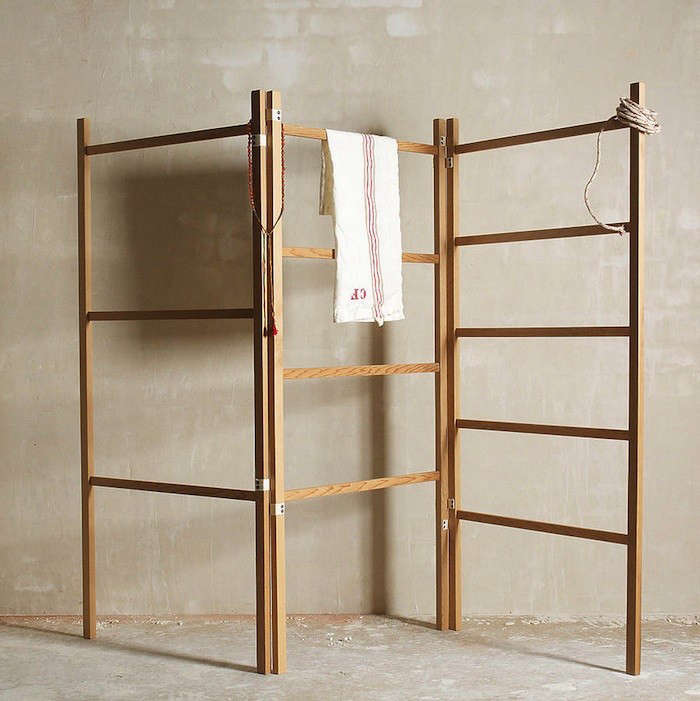
A handmade wooden clothes horse may sound like something your great-grandmother would have used while giving suspicious looks to “modern conveniences,” but this humble laundry tool is having a very stylish second act. In a world full of roaring dryers, shrinking sweaters, rising utility bills, and laundry rooms that somehow collect more chaos than socks, the wooden clothes horse offers something refreshingly simple: quiet, reliable, fabric-friendly drying.
Also known as a wooden clothes drying rack, wooden airer, or folding laundry rack, a clothes horse is a portable frame designed to hold wet garments while they dry naturally. The handmade version takes that idea a step further. Instead of flimsy plastic arms or metal rods that wobble like a nervous flamingo, a well-built wooden clothes horse brings craftsmanship, durability, and charm into an everyday routine.
It is practical. It is beautiful. It saves energy. And unlike a dryer, it never yells at you with a buzzer while you are trying to enjoy coffee.
What Is a Handmade Wooden Clothes Horse?
A handmade wooden clothes horse is a freestanding or foldable drying rack made from wood, usually designed with horizontal rails where laundry can be draped to dry. Traditional versions often feature an A-frame, accordion, or tiered structure. Some fold flat for storage, while others open wide enough to handle shirts, towels, delicates, baby clothes, and the occasional “I forgot this was in the washer overnight” emergency load.
The key difference is craftsmanship. A handmade wooden clothes horse is typically cut, sanded, joined, and finished by a maker rather than mass-produced from lightweight plastic. Many are made from hardwoods such as maple, beech, oak, or birch. Others use pine or bamboo for a lighter, more affordable build. The best designs balance strength, airflow, smooth surfaces, and easy folding.
Why Wooden Clothes Horses Are Popular Again
The return of the wooden clothes horse is not just about nostalgia. It fits several modern priorities at once: saving energy, protecting clothing, reducing clutter, and making the home feel warmer and more intentional. People are rethinking laundry habits, especially as electric dryers remain one of the more energy-hungry appliances in many households.
They Save Energy Without Making Life Complicated
Air-drying clothes requires no electricity, no gas, and no special technology. You simply unfold the rack, hang the laundry, and let evaporation do its quiet little science project. Compared with running a dryer for every load, using a wooden clothes horse for some or all laundry can reduce household energy use and help lower utility costs.
Even households with efficient dryers can benefit. A dryer may still be useful for towels, bedding, or rushed mornings, but a clothes horse is ideal for delicates, sweaters, athletic wear, linen shirts, jeans, and items that should not be exposed to high heat.
They Are Gentler on Clothes
Dryers are convenient, but heat and tumbling can be rough on fabric. Elastic can weaken, delicate fibers can fray, wool can shrink, and prints can fade. A handmade wooden clothes horse gives garments a slower, gentler drying process. That means less friction, less heat stress, and fewer tragic laundry surprises.
This is especially useful for clothing labels that say “line dry,” “dry flat,” “hang to dry,” or “do not tumble dry.” Sweaters, bras, swimwear, silk pieces, lace garments, activewear, and structured items often last longer when air-dried correctly.
They Look Better Than Plastic Racks
A wooden clothes horse does not have to hide in shame behind the water heater. The natural grain of wood gives it a warm, furniture-like look. In a farmhouse laundry room, it feels right at home. In a small apartment, it adds a handmade touch. In a minimalist space, it offers function without visual noise.
Plastic racks often feel temporary. Metal racks can be practical but cold-looking. A handmade wooden clothes horse has personality. It says, “I dry laundry,” but it also says, “I have considered the aesthetics of sock management.”
Best Wood Types for a Handmade Wooden Clothes Horse
Not all wood performs the same way around moisture. Since a clothes horse regularly holds damp fabric, the material should be sturdy, smooth, and resistant to warping when cared for properly.
Maple
Maple is one of the best choices for a premium handmade wooden clothes horse. It is hard, smooth, strong, and attractive. A maple drying rack often feels more like heirloom furniture than a utility item. It is also less likely to dent easily compared with softer woods.
Beech
Beech is another excellent option. It has a fine grain, good strength, and a clean appearance. Many European-style drying racks use beech because it machines well and holds up to everyday handling.
Oak
Oak is strong and durable, though it can be heavier. A handmade oak clothes horse may be beautiful, but it should be designed carefully so it remains easy to fold, move, and store.
Pine
Pine is lighter and more affordable. It is easier to work with and gives a rustic look. However, because pine is softer, it may dent or mark more easily. A pine clothes horse can still be excellent if it is well-built, smoothly sanded, and kept dry between uses.
Bamboo
Bamboo is technically a grass, not wood, but it is commonly used in wooden-style drying racks. It is lightweight, renewable, and naturally attractive. Bamboo clothes horses work well for compact homes, though build quality matters because thin bamboo parts can loosen over time if poorly assembled.
Design Features That Matter
A beautiful handmade wooden clothes horse is nice. A beautiful one that collapses every time you hang a wet hoodie is less charming. Here are the features that make the biggest difference.
Strong Hinges and Stable Legs
The folding mechanism should move smoothly but lock into a stable position. If the legs slide too easily, the rack can collapse. If the hinges are too stiff, using it becomes a small wrestling match. Good hardware is the quiet hero of a long-lasting clothes horse.
Smooth, Rounded Rails
Rails should be sanded smooth with no splinters, rough edges, or sharp corners. Rounded rails are kinder to fabric and help prevent crease marks. This is especially important for delicate garments and knits.
Enough Space Between Rails
Airflow is the secret sauce of air-drying. If rails are too close together, clothes stay damp longer and can develop musty odors. A good wooden clothes horse gives garments enough breathing room so moisture can escape.
Foldable Storage
Most people do not want a drying rack permanently standing in the middle of the living room like a laundry sculpture. A foldable wooden clothes horse should collapse flat enough to slide beside a washer, behind a door, under a bed, or into a closet.
How to Use a Wooden Clothes Horse Correctly
Using a handmade wooden clothes horse is simple, but a few habits make it much more effective.
Do Not Overload It
Wet laundry is heavier than it looks. Space items evenly across the rails and avoid piling garments on top of one another. Overcrowding slows drying and can strain the frame.
Shake Clothes Before Hanging
Before placing clothes on the rack, give each item a good shake. This helps reduce wrinkles, separates bunched fabric, and improves airflow. It also makes you feel briefly like a laundry professional, which is good for morale.
Use Hangers for Shirts
Button-down shirts, blouses, and lightweight tops often dry better on hangers placed over the top rail. This helps preserve shape and reduces ironing later. Any method that reduces ironing deserves applause.
Dry Sweaters Flat
Heavy knits can stretch if hung over a rail while wet. Lay sweaters flat across several rails or place them on a mesh drying layer if your rack has one. Reshape the shoulders, cuffs, and hem before drying.
Place the Rack in a Ventilated Area
Air-drying works best in a room with good circulation. Place the clothes horse near an open window, a fan, a bathroom exhaust fan, or a dehumidifier. Avoid trapping damp laundry in a closed, cold room.
Indoor Drying and Moisture Control
Indoor drying is practical, but moisture has to go somewhere. When wet laundry dries, water evaporates into the air. Without ventilation, humidity can rise and create conditions that encourage mildew or mold.
For best results, keep indoor humidity under control. Use a hygrometer if your home tends to feel damp. A dehumidifier can help in basements, small apartments, or rainy climates. Keep the rack away from exterior walls during cold weather, because condensation can form where warm moist air meets cold surfaces.
Also avoid draping wet laundry directly on wood furniture, doors, banisters, or radiators. A proper clothes horse allows air to move around the fabric instead of trapping moisture against surfaces.
How to Care for a Handmade Wooden Clothes Horse
A wooden clothes horse can last for years, even generations, when treated well. The care routine is not complicated, but it does matter.
Let the Rack Dry After Each Use
After removing laundry, leave the clothes horse open for a while so the wood can dry fully. Folding it immediately while damp can trap moisture in the joints and rails.
Wipe It Down Occasionally
Use a clean, slightly damp cloth to remove lint, dust, and detergent residue. Then wipe with a dry cloth. Avoid soaking the wood or using harsh cleaners.
Check for Rough Spots
If a rail develops a rough patch, lightly sand it with fine-grit sandpaper. Smooth rails protect fabric and keep the rack pleasant to use.
Store It in a Dry Place
Do not store the clothes horse in a damp basement corner unless the space is well-ventilated. Wood responds to moisture, and long-term dampness can encourage warping, mildew, or dark staining.
Handmade vs. Factory-Made Drying Racks
A factory-made drying rack can be perfectly useful, especially for budget buyers. But a handmade wooden clothes horse offers advantages that are hard to mass-produce.
First, the material is often better. Handmade racks may use thicker rails, stronger joinery, and more carefully selected wood. Second, the finish is usually smoother because the maker pays attention to touch points. Third, handmade pieces can be repaired more easily. A loose screw, worn hinge, or scuffed rail does not mean the whole rack has to go to the landfill.
There is also the emotional factor. A handmade wooden clothes horse feels like an object with a story. It turns a boring chore into something slightly more graceful. No, it will not fold your laundry for you. Let us not get ridiculous. But it can make the drying part calmer, cleaner, and more attractive.
Who Should Buy a Handmade Wooden Clothes Horse?
A handmade wooden clothes horse is a smart choice for many households, especially those trying to reduce dryer use or protect delicate clothing.
Apartment Dwellers
If you live in an apartment without outdoor clothesline access, a foldable wooden clothes horse is a space-saving solution. It can be opened when needed and stored when not in use.
Families
Families generate laundry at a pace that can feel personally insulting. A sturdy wooden rack helps manage school uniforms, baby clothes, sportswear, and delicate garments without running the dryer nonstop.
Eco-Conscious Homes
For households focused on sustainability, air-drying is a simple habit with real benefits. A handmade wooden rack also avoids the disposable feel of cheap plastic products.
People Who Love Quality Clothing
If you invest in wool sweaters, linen shirts, lingerie, swimwear, or activewear, a clothes horse is not optional; it is garment insurance. Heat damage is expensive. Air is free.
Buying Tips: What to Look For
Before buying a handmade wooden clothes horse, consider your space, laundry habits, and the types of clothing you dry most often.
- Size: Choose a rack large enough for your typical wash load but small enough to fit your room.
- Weight capacity: Wet towels and jeans are heavy, so look for sturdy construction.
- Wood quality: Hardwood is usually more durable than softwood.
- Rail spacing: More space improves airflow and faster drying.
- Foldability: Make sure it stores easily in your home.
- Surface finish: Rails should be smooth and fabric-safe.
- Repairability: Screwed hardware is easier to maintain than permanently fixed plastic joints.
DIY Handmade Wooden Clothes Horse: Is It Worth Making One?
If you enjoy woodworking, a DIY wooden clothes horse can be a rewarding project. The basic structure is straightforward: rails, side supports, hinges, and stable legs. However, precision matters. The rack must fold correctly, stand securely, and hold wet laundry without twisting.
A beginner-friendly design might use pine or poplar dowels with simple side frames. More advanced makers may choose maple or oak, mortise-and-tenon joinery, and brass hardware. The goal is not just to build something that looks good on day one, but something that remains stable after years of damp laundry duty.
For safety, all edges should be rounded, all joints should be tight, and all hardware should be corrosion-resistant. If applying a finish, choose one that is fully cured and safe for contact with clothing. Many people prefer unfinished or naturally finished wood, but the right choice depends on the wood type, climate, and maker’s preference.
Common Mistakes to Avoid
A handmade wooden clothes horse is easy to use, but a few mistakes can shorten its life or slow drying.
Leaving Wet Clothes Too Long
If garments remain damp for too long, they can develop a musty smell. Improve airflow, use a fan, run an extra spin cycle, or move the rack to a warmer, drier area.
Folding the Rack While Damp
Wood needs to dry between uses. Folding a damp rack and storing it in a closet is an invitation to mildew.
Putting Heavy Items on One Side
Balance the load. A lopsided clothes horse can tip, and nobody wants to pick clean laundry off the floor while questioning all life choices.
Using It Too Close to Walls
Leave space around the rack so air can circulate. In winter, avoid pushing wet laundry against exterior walls, where condensation is more likely.
Why It Makes a Great Gift
A handmade wooden clothes horse may not sound glamorous until someone uses one. Then it becomes one of those household items people quietly love. It is practical for new homeowners, apartment renters, college students, parents, gardeners, slow-fashion fans, and anyone who has ever pulled a child-sized sweater out of the dryer and wondered if it now belongs to a doll.
It also pairs well with other thoughtful laundry gifts: wool dryer balls, linen spray, mesh wash bags, gentle detergent, cedar blocks, or a small dehumidifier for indoor drying.
Experience Section: Living With a Handmade Wooden Clothes Horse
The first thing you notice about a handmade wooden clothes horse is how calm it makes laundry feel. That sounds dramatic, yes. We are talking about wet socks, not a mountain retreat. But there is something satisfying about opening a solid wooden rack, hearing the soft movement of the hinges, and arranging clothes across smooth rails instead of stuffing everything into a hot metal drum and hoping for the best.
In everyday use, the biggest advantage is control. You can separate delicate shirts from heavy jeans, hang workout clothes where they get extra airflow, and lay sweaters across multiple rails so they keep their shape. The clothes dry more slowly than they would in a machine, but they often come out fresher, flatter, and less abused. Linen shirts keep their texture. Bras keep their elasticity. Wool does not stage a shrinking protest. Even T-shirts seem to appreciate the gentler treatment.
A handmade wooden clothes horse also changes how you think about timing. Instead of waiting until the laundry basket becomes a fabric volcano, you start washing smaller loads more regularly. A compact rack encourages a rhythm: wash in the evening, hang overnight, fold in the morning. On sunny days, placing the rack near a bright window feels almost luxurious. On rainy days, a fan or dehumidifier becomes the trusty sidekick.
There are small learning curves. Thick towels can take too long indoors, so they may still belong in the dryer or outside on a line. Heavy jeans need space and sometimes a flip halfway through drying. Sweaters should never be casually draped by the shoulders unless you are aiming for the “medieval tunic” silhouette. But once you learn the routine, the clothes horse becomes second nature.
The maintenance experience is simple. After each load, leave the rack open until the rails are completely dry. Wipe it occasionally. Check the hinges. If the wood feels rough, a light sanding brings it back. Unlike cheap racks that bend, crack, or lose plastic caps, a wooden clothes horse feels repairable. It feels like something that can stay in the home for years instead of becoming another sad object in the trash.
The emotional surprise is real. A handmade wooden clothes horse brings a little old-world practicality into modern life. It reminds you that not every solution needs an app, a power cord, or a subscription plan. Sometimes the best tool is a beautifully made wooden frame, a bit of airflow, and patience. Laundry may never become exciting, but with a good clothes horse, it becomes less annoying. Frankly, that is a household victory worth celebrating.
Conclusion
A handmade wooden clothes horse is more than a drying rack. It is a durable, attractive, energy-saving tool that protects clothing and simplifies laundry routines. Whether made from maple, beech, oak, pine, or bamboo, the best wooden clothes horses combine strength, smooth rails, stable design, and easy storage.
For anyone trying to reduce dryer use, care for delicate garments, avoid plastic clutter, or add a touch of craftsmanship to the laundry room, a handmade wooden clothes horse is a smart investment. It works quietly, folds neatly, and asks for very little in return. In a home full of noisy appliances and complicated gadgets, that kind of simplicity feels surprisingly luxurious.