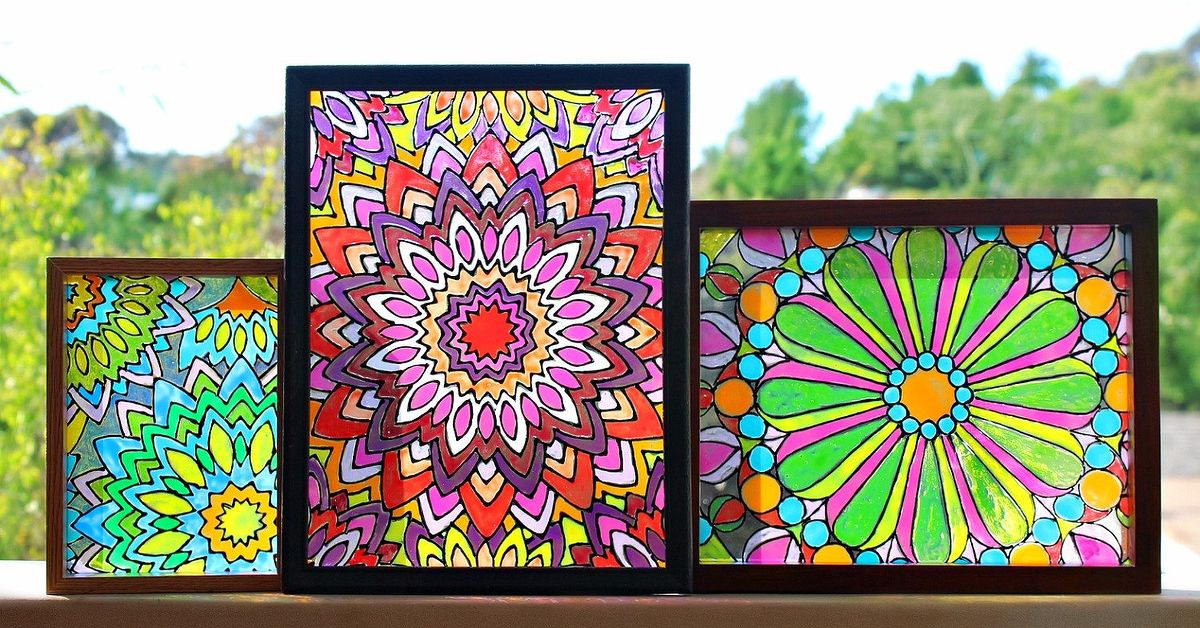
Faux stained glass with a mandala design is one of those rare DIY projects that looks expensive, feels relaxing, and does not require you to own a soldering iron, rent a studio, or explain to your family why there are mysterious shards of glass on the kitchen table. It gives you the glowing, jewel-toned beauty of traditional stained glass using friendlier materials such as glass paint, liquid leading, acrylic paint, glue, clear plastic sheets, or picture-frame glass.
The best part? A mandala design practically begs to become stained glass. Its circular balance, repeating shapes, and radiating patterns create natural “windows” for color. When sunlight passes through the finished piece, the mandala comes alive like a tiny cathedral window that decided to move into your apartment and pay rent in good vibes.
This guide explains what faux stained glass is, how to create a mandala-style piece, which supplies work best, and how to avoid the common mistakes that make beginners mutter dramatic things at innocent craft bottles. Whether you want window art, wall décor, a handmade gift, or a weekend project that feels more elegant than your usual “I glued something to something else” adventure, faux stained glass is a beautiful place to start.
What Is Faux Stained Glass?
Faux stained glass is a decorative technique that mimics the look of real stained glass without cutting colored glass or joining pieces with lead came. Instead, artists use transparent paints, tinted glue, resin-like mediums, window films, peelable paints, or plastic sheets to create the illusion of colored glass panels. Raised black or metallic lines imitate the lead strips found in traditional stained glass.
Real stained glass is a serious art form with a long history, specialized tools, and safety considerations. Faux stained glass is the cheerful cousin who shows up with craft paint and says, “Relax, we can make something pretty by Sunday.” It is more affordable, safer for beginners, and much easier to customize for home décor.
Why Mandala Designs Work So Well for Faux Stained Glass
A mandala is usually built around a center point, with shapes repeating outward in circles or layers. This structure makes it perfect for faux stained glass because every petal, triangle, teardrop, diamond, or curved section can become its own pool of color. The outlines create rhythm, and the colors create movement.
Mandala stained glass designs can be bold and simple, with large shapes and bright colors, or intricate and meditative, with dozens of tiny sections. Beginners should start with a simpler mandala pattern because tiny areas are harder to fill neatly. A design with medium-sized spaces gives the paint room to level out and lets light shine through clearly.
The Visual Magic of Radial Symmetry
Radial symmetry is what makes a mandala feel calm and complete. The design repeats around a central point, which naturally guides the eye inward and outward. In faux stained glass, that symmetry becomes even more striking because color repeats across the circle. For example, if one petal is turquoise, matching petals around the design can repeat the same color to create balance.
You can also break the rules in small ways. A mandala does not need to be perfectly identical in every section. Slight color variations can make the piece feel handmade and alive. The goal is harmony, not robot-level perfection. Robots can have their perfect lines. We have personality.
Best Materials for Faux Stained Glass Mandala Art
The materials you choose depend on the look you want. Some methods create a removable window-cling effect, while others create a more permanent design on glass or acrylic. Below are the most common options for a mandala project.
Glass Paint
Transparent glass paint is one of the best choices for faux stained glass because it allows light to pass through while creating rich color. Many glass paints are water-based and designed for smooth surfaces. Some are permanent after curing, while others remain peelable or repositionable depending on the product. Always read the product label before starting, because drying time, curing time, and surface compatibility can vary.
Liquid Leading
Liquid leading is a thick paint-like material used to create raised outlines. It usually comes in black, silver, gold, or pewter tones. For mandala art, black leading gives a classic stained glass look, while gold or silver leading creates a more modern, ornamental style.
The trick is to let the leading dry completely before adding color. If the outline is still soft, the color can bleed into neighboring sections, and your mandala may begin its villain era.
Acrylic Paint and Glue
Acrylic paint mixed with clear glue or a clear craft medium is a popular budget-friendly method. The glue dries translucent, while the acrylic paint adds color. For outlines, many crafters mix black acrylic paint with white school glue or use black puffy paint. This method is inexpensive and fun, though it may not look as polished or durable as dedicated glass paint.
Clear Plastic Sheets or Acetate
If you do not want to paint directly on a window or framed glass, clear plastic sheets are a smart option. You can place the mandala template underneath, trace the design, paint it, let it dry flat, and then display it in a frame or tape it to a window. This is especially helpful for renters or anyone who has a healthy fear of explaining craft accidents to a landlord.
Supplies You Will Need
- Printed mandala template or hand-drawn mandala pattern
- Picture-frame glass, acrylic sheet, acetate, or a clean window panel
- Glass paint, stained glass paint, or tinted glue mixture
- Liquid leading, black puffy paint, or black glue mixture
- Painter’s tape to secure the template
- Toothpicks, skewers, or fine detail tools
- Soft brushes or glass-paint brushes
- Rubbing alcohol and lint-free cloth
- Paper towels and cotton swabs for cleanup
- Optional: clear sealant, frame, suction hooks, or hanging chain
How to Make Faux Stained Glass with a Mandala Design
Step 1: Choose or Create a Mandala Pattern
Start with a mandala design that fits your surface. If you are using an 8-by-10-inch frame, choose a mandala that leaves a little breathing room around the edges. If you are decorating a round acrylic panel, use a circular mandala that matches the shape.
For beginners, avoid patterns with extremely tiny details. Small sections are charming in theory, but in practice they can become little traps for air bubbles, shaky lines, and intense emotional negotiations with a toothpick. Look for bold petals, clean geometric lines, and open spaces.
Step 2: Clean the Surface
Clean glass or plastic thoroughly before painting. Dust, fingerprints, and oils can stop the paint from sticking properly. Wipe the surface with rubbing alcohol and let it dry. This step is not glamorous, but neither is watching your beautiful paint peel up because your glass was secretly wearing a layer of snack residue.
Step 3: Secure the Template Under the Glass
Place your mandala template underneath the glass or clear sheet. Tape it in place so it does not slide around while you work. If the surface is large, tape the corners and the center edges. A shifting template can turn a peaceful mandala into abstract spaghetti very quickly.
Step 4: Trace the Mandala with Liquid Leading
Hold the bottle slightly above the surface and let the leading fall onto the glass as you guide it along the lines. Try not to press the nozzle directly against the surface. Moving slowly gives you smoother lines. Rotate the glass as needed so your hand does not drag through wet leading.
If you make a mistake, remove the wet leading with a toothpick or cotton swab before it dries. Once the outlines are finished, let them dry flat. Many products need several hours before they are ready for paint, and thicker homemade glue outlines may need overnight drying.
Step 5: Add Color Section by Section
Now comes the fun part: filling the mandala with color. Use glass paint, stained glass paint, or a tinted glue mixture. Add the color inside each leaded section and gently spread it to the edges. A toothpick or skewer can help push paint into small corners.
Work from the center outward or from one side to the other. This keeps your hand from hovering over wet sections. Use enough paint to create a smooth translucent layer, but do not overfill the spaces. If paint rises above the leading, it can spill into neighboring sections.
Step 6: Pop Bubbles Before the Paint Dries
Air bubbles are common in faux stained glass. They are also sneaky. Check each painted section while it is still wet and pop bubbles with a toothpick, needle, or skewer. If you leave them, they may dry as tiny craters. A few bubbles can add handmade charm; too many can make the design look like it caught a case of craft acne.
Step 7: Let the Piece Dry Flat
Drying time depends on the product and the thickness of the paint. Leave the piece flat and undisturbed until it is fully dry. Avoid leaning it upright too soon, because wet paint can slide or pool. Some paints become clearer as they dry, so do not panic if the colors look cloudy at first.
Step 8: Frame, Hang, or Display
Once dry, place the glass back into its frame, hang the acrylic panel in a sunny window, or display the piece on a shelf where light can pass through it. A faux stained glass mandala looks especially beautiful in morning or late-afternoon sunlight, when the colors glow softly instead of being blasted by harsh midday glare.
Color Ideas for a Mandala Faux Stained Glass Design
Color can completely change the mood of your mandala. A rainbow palette feels joyful and energetic. Blues, greens, and purples create a calming, spa-like effect. Reds, oranges, and golds feel warm and dramatic, especially when the piece is placed in direct sunlight.
Beginner-Friendly Color Palette
For a first project, choose three to five colors and repeat them around the design. For example, use turquoise for the center petals, amber for the next ring, violet for the outer shapes, and clear or pale blue for background spaces. Repetition helps the mandala look intentional, even if your lines are not perfect.
Bold Rainbow Mandala
A rainbow mandala works beautifully when each ring changes color. Start with yellow or gold in the center, then move outward through orange, red, pink, purple, blue, and green. This creates a sunburst effect that looks wonderful in a bright window.
Modern Neutral Mandala
If you prefer subtle home décor, use frosted white, smoky gray, pale amber, and metallic leading. This creates a sophisticated faux stained glass piece that fits farmhouse, boho, modern, or minimalist interiors without shouting, “I own every color in the craft aisle.”
Common Mistakes and How to Avoid Them
Using Too Much Paint
Thick paint can look rich, but too much may dry unevenly or overflow the leading. Add color gradually and guide it into place. If you need more opacity, add a second thin layer after the first layer dries, if the product allows it.
Skipping Surface Prep
Glass needs to be clean. Even a little oil can affect adhesion. Always wipe the surface before painting and avoid touching the cleaned area with your fingers.
Rushing the Drying Time
Faux stained glass rewards patience. If the leading is not dry, colors can bleed. If the color is not dry, it can smudge, wrinkle, or slide. Let the project rest longer than you think it needs. The craft table may be occupied, but peace has a price.
Choosing a Pattern That Is Too Detailed
Intricate mandalas are beautiful, but they can overwhelm beginners. Start with larger shapes and fewer sections. Once you understand how the paint behaves, you can graduate to more detailed designs.
Where to Use Faux Stained Glass Mandala Art
A faux stained glass mandala can brighten many spaces. Place one in a kitchen window to catch morning light. Hang a circular design in a reading nook. Add a framed mandala to a bathroom window for color and partial privacy. Smaller versions can become ornaments, suncatchers, cabinet inserts, greeting-card decorations, or handmade gifts.
For seasonal décor, adjust the palette. Use pastels for spring, ocean colors for summer, copper and burgundy for fall, or jewel tones for winter. The same mandala pattern can feel completely different depending on the colors you choose.
Maintenance and Durability Tips
Faux stained glass is decorative, so treat it gently. Dust it with a soft cloth. Avoid soaking it in water unless the product label says the paint is washable or permanent after curing. If the piece is in a window, keep in mind that heat, humidity, and direct sun can affect some materials over time.
If you used a removable paint or cling-style medium, you may be able to peel the design from one surface and place it on another. If you used permanent glass paint, handle the piece as finished décor. For outdoor display, make sure the product is rated for exterior use. Many faux stained glass materials are intended for indoor projects only.
Creative Variations to Try
Once you have made one faux stained glass mandala, you may suddenly believe every clear surface in your home is “available.” This is normal. Craft confidence is a powerful thing.
Layered Mandala Window
Create a mandala on a clear acrylic sheet and place it inside a shadow box frame. Add a pale background paper behind it when displayed on a wall, or remove the backing when placing it in a window.
Frosted Background Effect
Use translucent white or frosted paint in the background sections to make the colored mandala stand out. This works well for privacy windows because it lets light through while softening the view.
Metallic Leading
Try gold or silver leading instead of black. Gold gives the design a warm, ornate look, while silver feels crisp and contemporary. Metallic outlines are especially attractive with jewel-tone colors.
Personal Experience: What Making Faux Stained Glass Mandalas Teaches You
The first thing you learn from making faux stained glass with a mandala design is that “simple” does not always mean “fast.” A mandala may look peaceful on paper, but once you begin tracing every curve, petal, dot, and tiny arch, you realize it has the patience requirements of a sleeping cat. You cannot rush it. You have to slow down, breathe, and let each line become part of the process.
That is actually one of the best parts of the project. Faux stained glass mandala art is not just about making something pretty for a window. It is about paying attention. You notice how your hand moves. You notice how colors change when they overlap. You notice how one small bubble can become your entire personality for three minutes. It turns an ordinary afternoon into a focused, creative ritual.
One useful experience is learning to test colors before filling the main design. Paint often looks darker in the bottle than it does on glass. A deep purple may dry like grape jelly in a good way, or in a “why is my mandala wearing a bruise?” way. Testing on a scrap piece of glass or plastic saves disappointment. It also helps you see how sunlight changes the colors. A shade that looks dull on the table can glow beautifully in a window.
Another lesson is that raised leading lines do not need to be perfect. In fact, slightly imperfect lines can make the piece look more handmade and charming. Traditional stained glass has character too. The goal is not machine precision; the goal is a balanced design that feels alive. If one line gets too thick, match the thickness in another area. If a curve wobbles, turn it into a decorative variation. The mandala is forgiving when the overall pattern remains balanced.
Drying time is also a teacher. Many beginners want to pick up the piece too soon because the surface looks dry. Then the paint shifts, and suddenly a beautiful blue petal is sliding into a yellow section like it has somewhere urgent to be. Leaving the piece flat overnight is usually the safest choice. It is not exciting, but neither is repairing a color landslide.
Faux stained glass mandalas are especially satisfying because they combine planning and surprise. You plan the pattern, the palette, and the order of painting. But the final effect does not fully reveal itself until light passes through the piece. That first moment in the window is the reward. The colors brighten, the outlines sharpen, and the mandala becomes more than a craft project. It becomes a small handmade atmosphere.
If you are making one as a gift, consider the recipient’s space and personality. A calming blue-green mandala may suit someone who loves quiet rooms and plants. A rainbow design is perfect for someone who treats beige like a personal enemy. A gold-and-amber mandala can feel warm and elegant for a holiday or housewarming gift. Adding a simple frame can make the piece look finished and display-ready.
The most important experience is this: do not wait until you feel like an “artist.” Faux stained glass is wonderfully beginner-friendly because the pattern does much of the visual work. You trace, fill, adjust, and learn as you go. By the end, you have something that catches light, adds color to a room, and proves that craft magic does not always require fancy tools. Sometimes it just requires a clean piece of glass, a mandala template, a few bottles of paint, and the willingness to let your kitchen table look suspiciously creative for a day.
Conclusion
Faux stained glass with a mandala design is an accessible, affordable, and deeply satisfying DIY project. It captures the luminous beauty of stained glass while keeping the process friendly for beginners. With a clean surface, a balanced mandala pattern, steady leading lines, and thoughtful color choices, you can create window art that looks elegant, personal, and full of light.
Whether you use glass paint, liquid leading, acrylic-and-glue mixtures, or clear plastic sheets, the key is patience. Let each layer dry, keep the design simple enough to enjoy, and allow the colors to shine. The result is a handmade piece of décor that brings warmth, symmetry, and a little “yes, I made that” pride into your home.
Note: This article is written for DIY home décor and craft education. Always follow the safety, drying, curing, and surface instructions listed on the specific products you use.