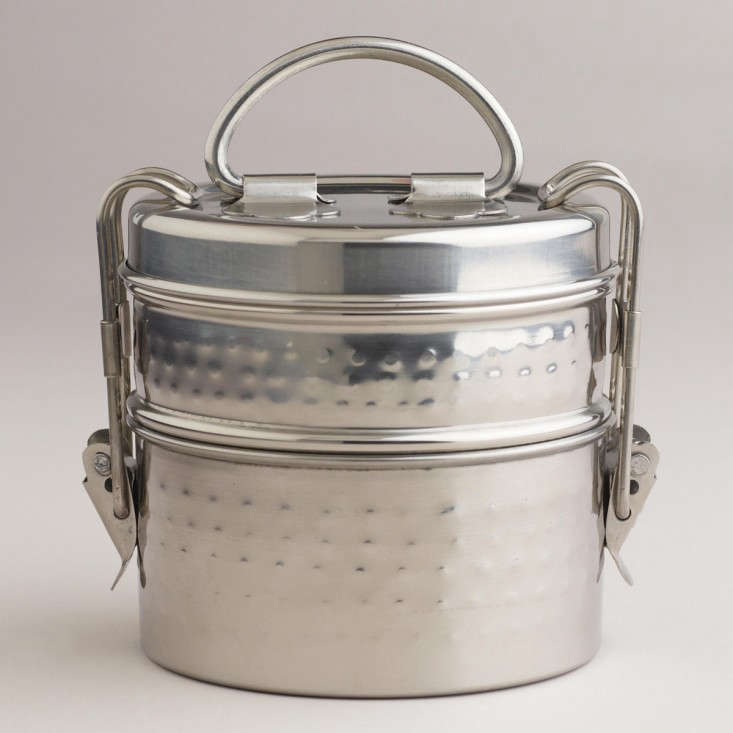
A hammered metal tiffin lunch box makes an ordinary packed meal look as though it has somewhdy latch, and a softly dimpled surface, this traditional-style food carrier is more organized than a paper bag and considerably more charming than a pile of mismatched plastic tubs.
Its appeal is practical as well as decorative. Separate tiers can hold a main dish, sides, fruit, or snacks in one compact tower. A well-made metal tiffin can serve at work, school, picnics, potlucks, and camping trips for years. Still, a classic model is not automatically insulated, microwave-safe, or leakproof. It is best understood as durable portable serving warenot a tiny stainless-steel submarine.
What Is a Hammered Metal Tiffin Lunch Box?
A tiffin lunch box is a portable carrier made from two or more containers that stack vertically. A frame or handle runs along the sides, while a clasp holds the assembled tower together. Each tier carries a different part of the meal, allowing rice, vegetables, bread, fruit, and snacks to travel separately.
An archived World Market product featured by Remodelista described its Hammered Metal Tiffin Lunch Box as a stainless-steel, India-made carrier with multiple compartments, a latched lid, dishwasher-safe construction, and dimensions of about 6.5 inches in diameter by 5 inches high. Similar products vary, so current buyers should verify the metal, capacity, seals, and care instructions before ordering. raditional Food Carrier With a Long Story
In South Asia, “tiffin” can refer to a light meal, snack, packed lunch, or the container used to carry it. The stacked carrier is strongly associated with India and Mumbai’s dabbawala system, in which home-cooked meals travel through a coordinated delivery network to office workers. American lunch boxes developed along a different route, moving from practical workers’ containers to school accessories influenced by pop culture. The metal tiffin brings those ideas together: useful, reusable, portable, and visually distinctive. the Hammered Finish Matters
The hammered finish consists of shallow dimples worked or pressed into the metal. Those irregular reflections give the lunch box a handcrafted look and help minor scuffs blend into the texture. That is helpful because lunch containers regularly meet keys, sink edges, desk drawers, picnic tables, and the occasional floor.
The finish does not improve insulation. A single-wall metal container still gains or loses heat quickly. Its advantage is visual: it feels warmer and less clinical than mirror-polished steel, and it can move from refrigerator to office desk or picnic blanket without looking like restaurant storage equipment.
How the Tiered Design Improves Lunch
The main benefit is separation. Unlike a shallow bento with fixed dividers, a tiffin creates independent layers. One tier can hold rice, quinoa, couscous, or roasted potatoes. Another can carry chicken, paneer, tofu, meatballs, vegetables, or a thick curry. The top can hold flatbread, fruit, cookies, nuts, or a small salad.
It also works beautifully for snack-style lunches. Pack cheese and crackers in one layer, grapes in another, and hummus with vegetable sticks in the third. Adults get a meal that feels deliberate, children get choices, and the crackers avoid spending four hours absorbing cucumber moisture.
Foods That Need Extra Protection
Thin soups, runny dressings, yogurt, and very juicy fruit can leak from a traditional tiffin that lacks silicone seals. A side latch keeps the tiers assembled; it does not necessarily create a watertight barrier. Carry liquids in a small screw-top cup or choose a model specifically described and tested as leakproof.
Crisp foods may also soften when stacked near hot or steamy dishes. Keep bread, chips, and crackers away from moisture. For a cold lunch, chill cooked food before packing rather than sealing it while it is still releasing steam.
Benefits of a Stainless-Steel Tiffin
Durability and Easy Organization
Suitable stainless steel is commonly used for food-contact surfaces because it can be corrosion-resistant, nonabsorbent, and easy to clean. A solid tiffin tolerates repeated packing and washing better than many lightweight disposable containers. Its vertical form also keeps several dishes together without spreading multiple boxes across a refrigerator shelf or tote bag.
Reusable Without Looking Dull
A durable tiffin can replace sandwich bags, plastic wrap, and some single-use takeout containers. Its environmental value depends on repeated use, but a long-lasting carrier makes that habit easier. The U.S. Environmental Protection Agency specifically notes that reusable containers can reduce waste and save money. etter Lunch Presentation
Opening separate gleaming tiers turns leftovers into a small ritual. Each container can double as a bowl, making the tiffin useful at a desk or picnic table. It says, “I planned this,” even when the meal is mostly yesterday’s roasted vegetables.
Limitations You Should Know
Most Classic Tiffins Are Not Insulated
Single-wall steel does not keep perishable food safely cold for hours by itself. Place the closed tiffin in an insulated lunch bag with cold sources. USDA and FoodSafety.gov guidance recommends at least two cold sources, such as gel packs, frozen water bottles, or frozen juice boxes, for perishable packed lunches. soup, chili, or pasta that must remain hot for several hours, use a vacuum-insulated food jar. Preheating a purpose-built insulated jar can improve heat retention, while a basic tiffin may simply become hot on the outside and cool too quickly inside. al Usually Does Not Go in the Microwave
Unless the manufacturer explicitly approves a specialized design, never microwave a metal tiffin. Transfer food to a microwave-safe bowl or plate. A few modern engineered metal lunch boxes are microwave-compatible, but that exception should not be assumed for an unmarked traditional carrier. Current lunch-box tests also emphasize matching the container to the way you normally reheat and eat. k Resistance Varies
A fitted lid may contain thick foods during upright transport but still release thin liquid when tilted. Truly leakproof designs generally rely on precise lids, silicone rims, or gaskets. When the description says only “latched,” assume the latch secures the stack rather than every drop of tomato soup.
How to Choose the Best Hammered Metal Tiffin Lunch Box
Check the Material and Construction
Look for clearly identified food-grade stainless steel and complete care information. Avoid vague listings that say only “metal.” Inspect product photos for smooth rolled edges, a stable handle, even-fitting tiers, and a latch that closes firmly without heroic effort. Decorative plating or coatings should not obscure what touches the food.
Choose the Right Number of Tiers
Two tiers suit a main dish and one side. Three tiers work well for an adult lunch with a grain, protein, vegetables, or fruit. Extra layers add capacity but also height and weight. A five-story lunch tower may look magnificent, but it can become the skyscraper you regret carrying across a parking lot.
Compare Capacity, Not Just Dimensions
Rounded sides, nesting rims, and shallow lids reduce usable space. Compare ounces, cups, or milliliters when provided. Make sure one tier can fit the foods you pack most often. A six-inch diameter sounds generous until your favorite sandwich arrives shaped like a legal document.
Match the Box to Your Routine
Classic tiffins are excellent for grain bowls, wraps, dry snacks, fruit, and moderately moist dishes. Daily soup drinkers need a sealed insulated jar. People who reheat lunch in the original container may prefer glass or a verified microwave-safe bento. The best lunch box is the one that fits the meal and commutenot the one with the longest feature list.
Food Safety and Smart Packing
For cold lunches, refrigerate cooked food before packing and place the tiffin in an insulated bag with cold packs. Keep it away from direct sun and hot cars. Perishable food should remain at 40 degrees Fahrenheit or below. For hot food stored for several hours, use a suitable insulated container designed to keep food at 140 degrees Fahrenheit or above.
Refrigerate perishable leftovers promptly, generally within two hours after serving. Use clean utensils and a clean container to prevent cross-contamination. Meat, eggs, dairy products, cooked rice, and other temperature-sensitive foods need proper time and temperature control even when their container looks impressively shiny.
Cleaning and Care
Follow the manufacturer’s directions first. If the tiffin is specifically labeled dishwasher-safe, separate every tier so water can reach and drain from all surfaces. If instructions are missing, NSF recommends hand-washing food containers and lids in warm soapy water, paying attention to lid channels, gaskets, and indentations, then rinsing and drying completely. n rolled rims and latch hardware carefully because residue can hide there. Use a soft sponge rather than steel wool, which may scratch polished areas or damage decorative finishes. Dry every piece separately before stacking. Closing damp tiers can create odors and spotting. If a removable gasket is included, wash underneath it and let it dry before reinstalling.
Who Will Enjoy This Lunch Box Most?
A hammered metal tiffin suits office workers who pack composed lunches, students who prefer separated foods, families carrying picnic sides, and hosts transporting appetizers or desserts. It also makes an appealing gift for meal preppers, travelers, and anyone who likes reusable kitchenware with more character than a gray plastic rectangle.
It is less suitable for people who require guaranteed leakproof performance, microwave reheating in the original container, or all-day insulation. Those needs call for a gasketed bento, glass container, or vacuum-insulated jar.
What Using a Hammered Metal Tiffin Feels Like: A Five-Day Experience
The following is a realistic composite scenario based on common tiffin use rather than a claim of laboratory testing.
On Monday, the tiffin begins with an easy win: leftover rice in the bottom tier, roasted vegetables in the middle, and orange slices on top. Packing feels unusually tidy. Instead of finding three lids from three unrelated container families, you stack the sections, swing the frame into place, and close one latch. The tower fits neatly inside an insulated tote beside two slim cold packs.
At lunch, the separate layers make the meal feel fresher than a single mixed container. The rice has not absorbed fruit juice, and the oranges do not taste faintly of garlic. The tiers work as bowls, so there is no need to balance an overloaded plate on a small desk. The only surprise is the sound: metal meeting metal produces a cheerful clink that announces lunch to nearby coworkers. Subtle, it is not.
Tuesday tests portability. Thick chickpea salad goes in one tier, pita wedges in another, and cucumber slices in the third. The latch stays closed during the commute, but a little watery dressing gathers near the rim. Nothing escapes, yet the lesson is obvious: “secure” and “leakproof” are different promises. On Wednesday, the dressing travels in a tiny screw-top cup, and civilization is restored.
Thursday reveals the advantage of the hammered surface. A mirror finish might display every fingerprint like forensic evidence, while the dimpled texture remains presentable after repeated handling. A quick wipe removes smudges. At a picnic, the opened tiers spread out like a miniature buffet holding pasta salad, grapes, and brownies.
Friday brings cleanup. Round containers are simpler to wash than boxes crowded with narrow corners, but the rolled rims and latch need attention. Each tier must dry separately before reassembly. Closing damp pieces creates a stale smell by morning; proper air-drying keeps the metal neutral and ready for another week.
After several uses, the strengths are clear. The tiffin makes portioning intuitive, protects contrasting textures, reduces disposable packaging, and adds pleasure to an ordinary workday. Its weaknesses are equally clear: it does not heat, chill, or seal liquid through the sheer power of good looks. It works best with an insulated bag, cold packs, and a leakproof sauce cup.
The final verdict is simple. A hammered metal tiffin lunch box is ideal for people who value durable materials, separated courses, compact storage, and classic design. It asks for slightly more thoughtful packing than a fully gasketed modern bento, but rewards the effort with versatility and charm. Lunch is still lunchbut now it arrives in a small silver tower, which is objectively more fun.
Note: Product availability, dimensions, steel grade, leak resistance, dishwasher compatibility, and insulation vary by manufacturer. Confirm the current seller’s specifications and follow the care label before use.