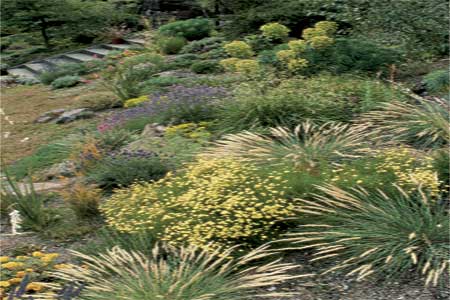
Some plants whisper. Ornamental grasses do not. They shimmer, sway, rustle, bend dramatically in the wind, catch golden light like they have a personal photographer, and then somehow look good in winter when half the garden has retired to a brown heap. That is the charm of grasses with attitude: they bring movement, texture, toughness, and personality to a landscape without demanding diva-level maintenance.
Whether you are designing a modern front yard, softening a patio, replacing part of a thirsty lawn, or building a wildlife-friendly garden, ornamental grasses can do more than fill space. They can frame views, screen neighbors, stabilize slopes, feed birds, support pollinators, and make a boring planting bed look like it suddenly got a stylist. The trick is choosing the right grass for the right placeand avoiding the wrong ones that behave less like garden guests and more like tiny botanical conquerors.
What Makes a Grass Have “Attitude”?
In garden design, attitude is not about being difficult. It is about presence. A grass with attitude has shape, motion, seasonal color, and a job to do. It might be the upright soldierly form of feather reed grass, the smoky pink cloud of muhly grass, the copper fall glow of little bluestem, or the airy seed heads of prairie dropseed floating over a border like garden confetti.
Unlike many flowering perennials that peak for a few weeks and then quietly look embarrassed, many ornamental grasses offer interest across several seasons. Their leaves emerge fresh in spring, build structure in summer, flower or seed in late summer and fall, and often remain attractive through winter. Even dried stems can be useful, adding texture to the landscape and shelter for beneficial insects.
Why Gardeners Love Ornamental Grasses
They Add Movement
A garden without movement can feel stiff, like a room where nobody is allowed to touch the fancy pillows. Grasses fix that. Their blades catch breezes, their seed heads nod, and their shadows move across walls and paths. This motion makes a landscape feel alive even when nothing is blooming.
They Are Often Low-Maintenance
Many ornamental grasses need less fuss than traditional flower beds. Once established, the right grass in the right location may require only occasional watering, a yearly cutback, and division every few years if the clump gets crowded. That does not mean “plant it and forget it forever,” but compared with high-maintenance annual beds, grasses are refreshingly independent.
They Improve Texture and Contrast
Texture is one of the most overlooked tools in landscape design. Fine, wispy grasses look beautiful beside broad-leaved plants such as hostas, coneflowers, hydrangeas, or shrubs. Upright grasses can break up rounded plant forms, while arching grasses soften hard edges around patios, walkways, and fences.
They Can Support Wildlife
Native grasses are especially valuable because they can provide seeds, nesting material, cover, and habitat for birds and beneficial insects. Little bluestem, switchgrass, indiangrass, and prairie dropseed are more than decorative. They are small pieces of living infrastructure for local ecosystems. In other words, they are not just pretty haircuts for your yard; they are useful, too.
Cool-Season vs. Warm-Season Grasses
One of the smartest ways to choose ornamental grasses is to understand whether they are cool-season or warm-season growers.
Cool-season grasses begin growing earlier in spring and often look their best when temperatures are mild. They may slow down during intense summer heat, then perk up again in fall. Feather reed grass and some sedges fit well into this category. They are useful when you want early structure before the summer garden gets rolling.
Warm-season grasses wake up later, usually after the soil warms, and then grow strongly through summer. Many native prairie grasses are warm-season plants, including switchgrass, little bluestem, big bluestem, and indiangrass. They often deliver their most dramatic color and seed heads in late summer and fall, just when many gardens need a second act.
Best Grasses With Attitude for Home Landscapes
Little Bluestem
Little bluestem is a native North American grass with blue-green summer foliage that often turns copper, orange, bronze, or reddish in fall. It is excellent for sunny borders, meadow-style plantings, slopes, and wildlife gardens. Its upright habit gives structure without looking rigid. Think of it as the garden version of a leather jacket: rugged, stylish, and somehow appropriate in more places than expected.
Switchgrass
Switchgrass is a bold native grass that can reach several feet tall, depending on the cultivar and site. It works beautifully as a backdrop, screen, rain garden plant, or naturalistic accent. Many varieties have blue-green foliage, airy flower panicles, and strong winter presence. It is also valued for its adaptability and wildlife benefits.
Prairie Dropseed
Prairie dropseed is smaller, graceful, and wonderfully refined. Its fine-textured leaves form soft mounds, and its seed heads create a delicate haze in late summer. It is ideal near walkways, in front borders, or in mass plantings where you want movement without chaos. It is also a fine choice for gardeners who like tidy plants but do not want their landscape to look like it was measured with a ruler.
Pink Muhly Grass
Pink muhly grass is famous for its dreamy pink-purple fall plumes. When planted in groups, it can look like a low cloud landed in the garden and decided to stay for the season. It thrives best in sunny sites with good drainage and is especially effective in mass plantings, borders, and low-maintenance landscapes.
Blue Grama Grass
Blue grama is a short native grass known for its distinctive seed heads that resemble tiny flags or eyelashes. It is well suited to dry, sunny sites and can work in naturalistic gardens, low-water landscapes, and lawn-alternative designs. Its attitude is subtle but unmistakable: small plant, big prairie energy.
Northern Sea Oats
Northern sea oats offers dangling, oat-like seed heads that move beautifully in the breeze. It can tolerate more shade than many ornamental grasses, making it useful in woodland edges or partially shaded gardens. However, it can self-seed generously, so place it where a little enthusiasm is welcomeor be ready to edit seedlings.
Feather Reed Grass
Feather reed grass, especially the popular cultivar commonly known as Karl Foerster grass, is prized for its upright habit and narrow vertical form. It is excellent in modern landscapes, narrow beds, formal borders, and places where you want height without a plant that sprawls like it forgot its manners.
Where to Use Ornamental Grasses
As Privacy Screens
Taller grasses can create seasonal screening around patios, decks, or property lines. They will not replace an evergreen hedge in winter, but they can soften views and add privacy during the growing season. Switchgrass, big bluestem, and taller feather reed grasses are good candidates, depending on your climate and site.
In Containers
Grasses can be stunning in pots. A tall, upright grass in a large container adds instant drama to an entryway or patio. Smaller grasses and sedges pair well with trailing plants and flowering annuals. Just remember that containers dry out faster than garden soil, so even drought-tolerant grasses need regular attention when grown in pots.
On Slopes and Problem Areas
Many grasses have fibrous root systems that help hold soil, making them useful on slopes and erosion-prone areas. Native grasses can be especially helpful where you want a low-maintenance, natural look. The key is establishment. Young plants need water and weed control until their roots are strong enough to compete.
In Wildlife Gardens
For birds, insects, and other small creatures, grasses provide cover, seeds, and shelter. Leaving grasses standing through fall and winter can improve habitat value while also giving the garden visual interest. Cut them back in late winter or early spring before new growth begins.
How to Plant Grasses the Right Way
Most ornamental grasses prefer full sun, although some tolerate partial shade. A general rule is to give sun-loving grasses at least six hours of direct sunlight for best growth and flowering. Shade-tolerant options, such as some sedges and northern sea oats, are better choices for woodland edges or low-light spaces.
Well-drained soil is important for many ornamental grasses, especially species adapted to prairies or dry sites. Heavy, soggy soil can lead to weak growth or root problems. Before planting, loosen the soil, remove weeds, and avoid burying the crown too deeply. Plant at the same depth the grass was growing in its nursery pot.
Water newly planted grasses regularly during the first growing season. Even drought-tolerant plants need time to establish roots. After that, many species can handle dry periods better than thirstier ornamentals. Mulch can help conserve moisture and reduce weeds, but keep mulch away from the crown to prevent rot.
Care and Maintenance Without the Drama
Watering
Established ornamental grasses generally need less water than many flowering plants, but “less” does not mean “none.” Water needs vary by species, soil type, rainfall, temperature, and exposure. Sandy soil dries quickly, while clay soil holds moisture longer. Grouping plants with similar water needs makes care easier and reduces waste.
Fertilizing
Do not overfeed ornamental grasses. Too much fertilizer can make some grasses flop, grow weak, or lose their natural shape. In many average garden soils, they need little added fertilizer. If growth is poor, consider a soil test before throwing fertilizer around like garden confetti.
Cutting Back
Most deciduous ornamental grasses can be cut back in late winter or early spring before new growth appears. Use sharp pruners, hedge shears, or a string trimmer for large clumps. Tie tall grasses into a bundle before cutting to make cleanup easier. This is one of those rare garden chores where you can look organized even if your garage says otherwise.
Dividing
Over time, some clump-forming grasses develop dead centers or become too large for their space. Divide them in spring when growth begins or when the plant is not actively blooming. Replant healthy outer sections and compost the tired center. Division refreshes the plant and gives you free extras, which is basically gardening’s version of finding money in a coat pocket.
Beware of Grasses With Too Much Attitude
Not every ornamental grass is a good garden citizen. Some non-native species can spread aggressively by seed or rhizomes and escape into natural areas. In several regions, gardeners are advised to avoid invasive or potentially invasive grasses such as Chinese silvergrass, certain fountain grasses, ravenna grass, and Japanese bloodgrass. Availability at a nursery does not always mean a plant is ecologically safe for your area.
Before buying, check local extension recommendations, invasive plant lists, and native plant resources. A grass that behaves politely in one state may become a menace in another. Gardening is local. Plants do not read national trend reports.
Design Tips for a Better Grass Garden
Plant in Drifts
One grass can be nice. Three or five can be memorable. A sweep of grasses creates rhythm and movement, especially in larger beds. Repetition helps the landscape feel intentional rather than accidental.
Mix With Perennials
Pair grasses with coneflowers, black-eyed Susans, asters, salvias, yarrow, milkweed, or sedum for a long-lasting, pollinator-friendly display. Grasses provide structure after flowers fade, while blooms add color when grasses are still building momentum.
Use Contrast
Fine-textured grasses look striking beside bold leaves, stone walls, smooth containers, or clipped shrubs. Upright grasses can add architecture to loose plantings. Arching grasses can soften corners, steps, and hardscape edges.
Plan for Winter
Do not design only for June. Many grasses are at their best in fall and winter, when low sunlight catches seed heads and frost outlines every stem. Leaving grasses standing can make the quiet season feel designed instead of deserted.
Experiences With Grasses With Attitude
The first time you plant ornamental grasses, there is a decent chance you will underestimate them. They often look modest in nursery pots: a few blades, a polite label, maybe a root ball that does not exactly scream “future superstar.” Then late summer arrives, and suddenly the same plant is catching light, moving with every breeze, and making nearby flowers look like they need a publicist.
One of the most useful lessons from working with grasses is patience. Warm-season grasses can be especially slow to wake up in spring. While roses are leafing out and perennials are stretching, little bluestem or switchgrass may sit there looking like a haircut from last year. Do not panic. Do not dig it up in April and accuse it of betrayal. Many warm-season grasses wait for warmer soil before pushing strong new growth. By midsummer, they usually find their stride.
Another experience worth remembering is that placement matters more than hype. A beautiful grass in the wrong place can become a floppy, sulky mess. Put a sun-loving prairie grass in shade, and it may lean dramatically like it is auditioning for a soap opera. Plant a moisture-loving grass in bone-dry soil, and it will not reward your optimism. The best results come from matching the plant’s natural preferences with your actual site, not the fantasy garden in your head where every corner has perfect soil and your hose never kinks.
Grasses also teach restraint. It is tempting to collect one of everything: blue foliage here, pink plumes there, giant seed heads in the corner, tiny sedges by the path. But a garden can become visually noisy if every plant is trying to deliver a solo performance. Repeating one or two grasses often looks more elegant than scattering eight different varieties around like decorative exclamation points.
Maintenance brings its own personality test. Cutting back a large grass clump in late winter can feel like wrestling a dry octopus. The easy trick is to tie the stems together first, then cut below the bundle. Suddenly the job becomes tidy instead of theatrical. Wear gloves, too. Some grass blades have edges sharp enough to remind you that “ornamental” does not mean “cuddly.”
Finally, grasses change the way you notice a garden. Flowers make you look at color. Grasses make you look at light, wind, sound, shadow, and season. They turn ordinary weather into part of the design. A breezy afternoon becomes a performance. A frosty morning becomes decoration. A low winter sun turns seed heads into bronze. That is the real attitude: not loudness, but confidence. Grasses do not beg for attention. They earn it quietly, all year long.
Conclusion
Grasses with attitude are the secret weapon of smart landscape design. They are stylish without being fussy, tough without being boring, and ecological without looking like an abandoned field. From little bluestem and switchgrass to pink muhly, prairie dropseed, blue grama, and feather reed grass, the right ornamental grass can bring structure, motion, wildlife value, and four-season beauty to almost any garden.
The best approach is simple: choose grasses suited to your region, match them to your sun and soil conditions, water them well during establishment, avoid invasive species, and let their natural form do the work. With the right selection, your garden will not just sit there looking green. It will move, glow, whisper, shimmer, and occasionally steal the show. Honestly, some grasses have better stage presence than people.
Note: This original article was written in standard American English and synthesized from reputable U.S. horticulture, university extension, and conservation guidance for web publication.