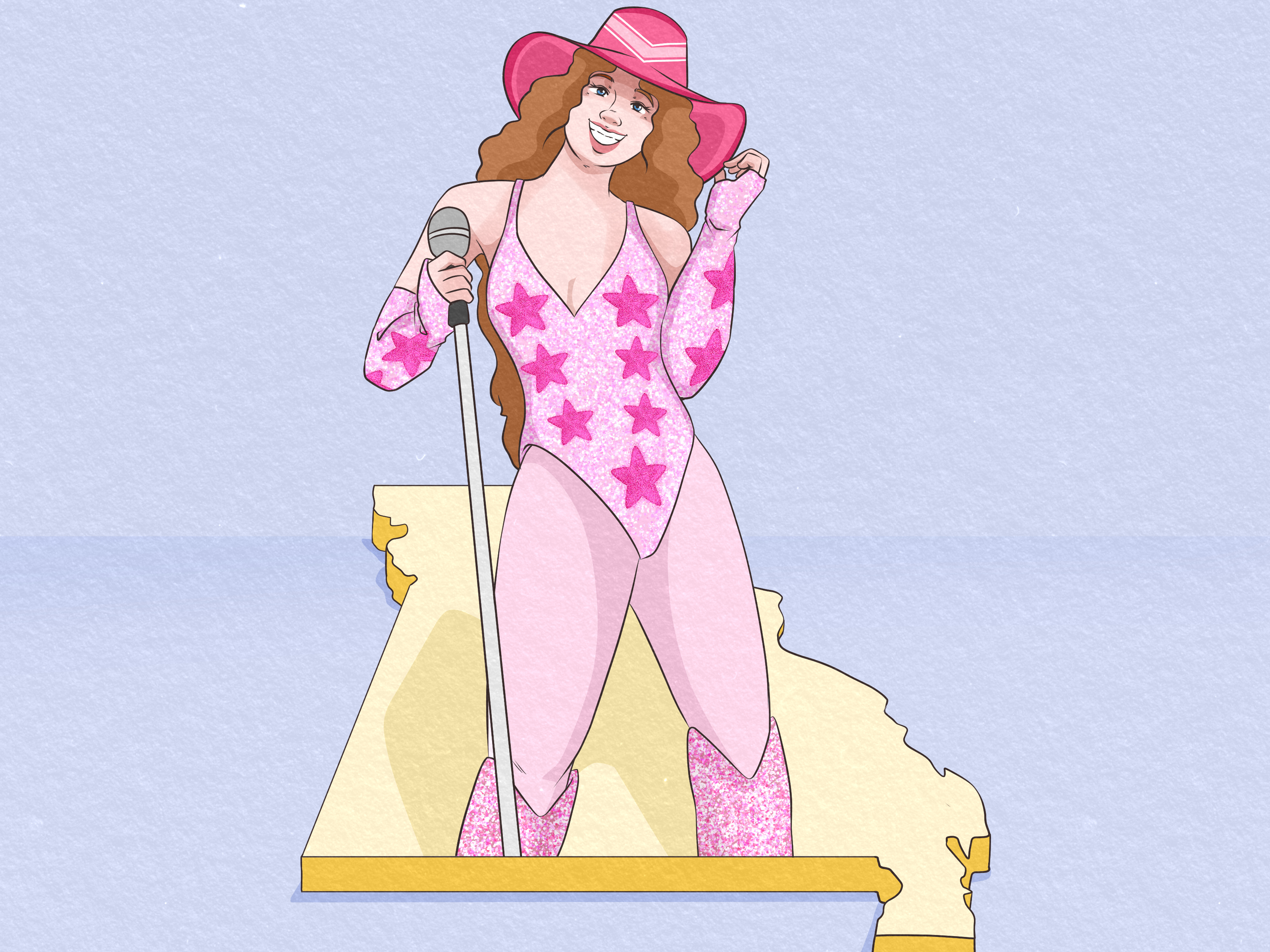
Some songs politely knock on the cultural front door. “Good Luck, Babe!” kicked it open in thigh-high boots, left glitter on the carpet, and somehow made heartbreak sound arena-sized. That is part of the magic of Chappell Roan’s breakout hit: it feels enormous and intimate at the same time. It is catchy enough to soundtrack a summer drive, but emotionally specific enough to make listeners pause mid-chorus and think, “Oh. This is about denial-denial.”
If you have been wondering about the real “Good Luck, Babe!” meaning, the short version is this: the song is about wanting someone who cannot or will not admit the truth about who they are and what they feel. It is not just a breakup song, not just a queer anthem, and definitely not just a petty little kiss-off. It is a dramatic, funny, painful song about self-denial, romantic frustration, and the kind of future regret that hovers over a person like a storm cloud in platform heels.
In other words, Chappell Roan did not write a mild tune for passive background listening. She wrote a synth-pop missile with feelings.
What Does “Good Luck, Babe!” Mean?
At its core, Chappell Roan’s “Good Luck, Babe!” meaning revolves around a relationship where one person refuses to be honest with herself. The narrator sees clearly what the other person is doing: choosing a more socially acceptable life over an emotionally truthful one. That is why the title lands with such bite. “Good luck” sounds supportive on the surface, but here it comes wrapped in frustration, sadness, and a very knowing side-eye.
This is not “good luck” in the cheerful, greeting-card sense. It is “good luck with that” in the “you are going to learn the hard way” sense. The song suggests that you can outrun a person, but you cannot outrun yourself forever. That tension is what gives the track its emotional engine.
The song is widely understood through the lens of compulsory heterosexuality, often shortened online to “comphet.” That concept describes the pressure some women feel to perform straightness, pursue heterosexual relationships, or build a conventional life even when it does not reflect their real desires. Roan’s song taps into that experience with unusual directness. Instead of writing around the subject with vague pronouns and plausible deniability, she points straight at the emotional cost of pretending.
The Story Inside the Song
It is not a simple breakup ballad
One reason the song hit so hard is that it tells a more complicated story than a standard “you left me, now I’m sad” pop single. The narrator is not only mourning a lost connection. She is also watching someone she cares about make a choice that feels dishonest. That adds another layer to the pain. There is heartbreak, yes, but also disbelief, anger, and a grim sense of prediction.
The speaker seems to know that the other person will eventually feel the weight of this decision. That future regret becomes part of the song’s emotional architecture. So while the track sounds immediate and explosive, it is also haunted by time. It imagines what happens later, after the denial, after the performance, after the neat little life stops feeling neat.
The narrator is hurt, but she is not confused
Many pop songs about romantic ambiguity live in the land of “What were we?” or “Did that mean something?” Not this one. The narrator in “Good Luck, Babe!” is not confused about what happened. She understands the connection. She understands the avoidance. She understands that the other person is trying to lock away the truth and call it maturity.
That clarity is crucial to the song’s tone. Chappell Roan does not sing like someone begging for an explanation. She sings like someone who has already read the ending and knows the ending is miserable. That confidence gives the track its spark. It is wounded, but it is never weak.
The song is about self-denial as much as heartbreak
The best way to read the song is to understand that the real conflict is not simply “two people cannot be together.” The deeper conflict is between truth and performance. One person is trying to live in alignment with herself. The other is trying to survive by pretending. That difference turns the relationship into a collision.
That is why the song resonates beyond any one romance. Even listeners who have never lived this exact scenario can hear the larger theme: what happens when someone chooses comfort over honesty, or approval over authenticity? The answer, according to this song, is not peace. It is a delayed emotional invoice.
Why the Title Hits So Hard
The title “Good Luck, Babe!” deserves its own little spotlight because it does so much work in just three words and one exclamation point. It sounds playful. It sounds flirty. It sounds like something you could toss over your shoulder with a wink. But in context, it becomes sharp, almost theatrical.
That double meaning is part of the song’s genius. Roan balances sincerity and sarcasm in a way that feels very human. Most heartbreak is not one-note. People cry, then joke. They rage, then miss the person. They feel compassionate and petty before lunch. This title captures that messiness perfectly. It is glamorous bitterness. It is emotional whiplash in a cute little package.
And because the phrase is so conversational, it sticks. It feels instantly meme-able, instantly quotable, instantly wearable on a tiny tank top. A lesser artist might have buried the song’s emotional complexity under a more poetic title. Roan picked the one that feels both devastating and merch-friendly. Respect.
How the Sound Shapes the Meaning
A big reason people search for the lyrics meaning of “Good Luck, Babe!” is because the sound creates a fascinating contradiction. The production is bright, glossy, and dramatic in a way that recalls giant pop ballads and slick new-wave drama. You can dance to it. You can sing it badly in the car. You can point at the windshield like you are in a music video directed by your own hurt feelings.
But underneath that sparkling surface is a ruthless emotional premise. That contrast matters. Roan is not dressing up a small feeling. She is using big pop sound to communicate how overwhelming the feeling is. The song has lift, force, and theatricality because the subject itself feels larger than life. This is not a tidy little diary entry. It is emotional cinema.
The vocal performance matters, too. Roan climbs, pushes, and belts in a way that makes the song feel like it is bursting against its own frame. That mirrors the theme beautifully. The whole track sounds like something trying very hard not to stay contained. Which, conveniently, is also what the song is about.
Is “Good Luck, Babe!” About Compulsory Heterosexuality?
Yes, that is one of the clearest ways to understand it. While the song works on a general level as a story about denial and future regret, its emotional precision comes from queer context. The idea is not simply that someone chose the wrong partner. It is that someone chose a life script that feels approved, legible, and socially safer, even though it does not match the truth of her desires.
That is why the song has been so powerful for many queer listeners. It speaks to the ache of watching someone turn away from herself. It also captures the maddening position of being the person who sees the truth clearly but cannot force another person to live honestly. Love cannot drag someone into self-acceptance. Sometimes all it can do is leave the light on and mutter, “Well, this is going to end badly.”
Importantly, the song does not sound clinical or academic. It does not stop to define its terms like a lecture. It translates a deeply discussed queer experience into pop language: longing, denial, resentment, glamour, memory, and one very sharp farewell.
Why the Song Became Such a Breakthrough
“Good Luck, Babe!” became a major Chappell Roan hit because it solved an almost impossible pop equation. It is specific, but accessible. It is campy, but emotionally serious. It is queer in a way that is not hidden or softened, but it still reaches people who may not share the same experience. That is not because the song is watered down. It is because the emotional truth is so clear that it crosses boundaries.
Listeners heard something rare: a song that trusted them to keep up. Roan did not flatten the story into generic heartbreak. She let it be pointed. She let it be complicated. She let it be a little mean in the most delicious way. And instead of alienating audiences, that honesty pulled people closer.
The song also arrived at a moment when pop listeners were hungry for bigness again-big choruses, huge feelings, star power, and theatrical identity. Roan delivered all of that while still sounding like a person rather than a corporate mood board. That combination helped make the track feel both fresh and inevitable, like it had been missing from pop for years and suddenly showed up fully dressed.
Common Interpretations of “Good Luck, Babe!”
1. A warning disguised as a well-wish
The title line can be read as the narrator’s final send-off: not exactly a blessing, not exactly a curse, but a prediction. She knows the other person is heading toward regret.
2. A song about losing someone to fear
Another reading centers on fear more than identity labels. The song becomes about what happens when a person is more afraid of the truth than of unhappiness.
3. A queer anthem with no interest in shrinking itself
For many listeners, the track stands out because it treats lesbian longing and queer self-denial as the actual subject, not background texture. That directness is part of its impact.
4. A theatrical breakup song powered by rage and grief
Even outside its queer context, the song works as a magnificently dramatic breakup anthem. It captures the specific pain of knowing someone chose a lie over a real connection.
What Makes the Song So Memorable?
First, the emotional angle is unusual. Plenty of breakup songs are sad. Plenty are angry. Fewer are written from the perspective of someone who sees another person sabotaging her own future and can do nothing but step aside. That mix of intimacy and distance gives the song an aftertaste. It lingers.
Second, Roan understands performance. She knows how to make a feeling bigger without making it fake. The humor, drama, styling, and vocal intensity all support the meaning rather than distracting from it. She is not just singing a message; she is staging an emotional event.
Third, the song contains one of pop’s most satisfying emotional combinations: catchy melody plus unresolved pain. Your body hears a bop. Your nervous system hears a warning. Your playlist hears a repeat button.
Experiences That Make “Good Luck, Babe!” Hit Even Harder
Part of why this song has such a long afterlife is that it brushes up against real experiences many people know all too well. You do not have to match the song detail for detail to feel its sting. You just need to understand what it is like when somebody chooses a version of life that looks right from the outside but feels wrong underneath.
Maybe you have loved someone who wanted all the intimacy in private but none of the honesty in public. Maybe you have watched a person say, through actions if not words, “What we had was real, but I am not brave enough to build a life around it.” That experience can make a person feel invisible and unforgettable at the same time, which is a very rude combination, frankly.
For some listeners, the song brings back the strange ache of almost-relationships. Not the ones that ended cleanly, but the ones that were full of charged silences, mixed signals, delayed texts, near-confessions, and emotional intensity that never got the dignity of a real name. Those connections can haunt people because they never had a clear beginning or ending. They just became emotional attic clutter: still there, still dusty, still somehow taking up space.
For queer listeners in particular, the song can hit on a more personal level. It reflects the exhaustion of seeing someone pulled toward a more socially approved script even when that script is making her miserable. That does not only happen in romance. It can happen in families, friendships, hometowns, workplaces, and whole communities where acceptance feels conditional. The song captures the sadness of realizing that another person is not rejecting you so much as rejecting the truth that you happened to illuminate.
There is also a deeply relatable experience in the song’s anger. Sometimes people think sadness is the more noble emotion, as if heartbreak should arrive looking elegant and softly lit. But real heartbreak often comes with irritation, sarcasm, ego bruising, and the desperate urge to say, “I am not crazy-you are just lying to yourself.” Roan allows that emotional mess to exist without cleaning it up for good manners. That is part of why the song feels so satisfying. It gives listeners permission to be wounded and unimpressed at the same time.
Then there is the future-facing part of the song, which may be the most devastating. Many people know what it is like to imagine an ex or almost-ex years later, finally understanding what they threw away. It is not always about revenge. Sometimes it is about wanting your reality confirmed. Wanting the story to make sense. Wanting proof that you did not invent the depth of what happened. “Good Luck, Babe!” lives in that uneasy space between grief and vindication.
That is why the song often feels bigger the older a listener gets. With time, more people understand that self-betrayal has consequences. A person can build a polished life on top of denial, but the foundation still creaks. Roan turns that insight into pop drama, and listeners recognize themselves all over it: the one who waited, the one who knew, the one who left, the one who was left, and sometimes even the one who was not ready yet.
Final Thoughts
So, what is the real meaning of “Good Luck, Babe!” by Chappell Roan? It is the sound of desire colliding with denial. It is a song about the cost of refusing your own truth. It is a queer pop anthem, a theatrical breakup song, and a sharp little prophecy all at once.
What makes it special is not just that it is catchy, though it absolutely is. It is that Roan uses mainstream pop scale to tell a story that often gets blurred, softened, or pushed offstage. She makes the emotional stakes crystal clear: you can choose the safe story, the expected story, the approved story-but that does not mean it will feel like your story.
And that is why “Good Luck, Babe!” lasts. It is not only about one relationship. It is about the moment a person realizes that pretending has a price. Chappell Roan just had the nerve to put that realization in a giant chorus and hand it to the world.