Note: This article is written as original, publish-ready web content based on current information from reputable U.S. lighting retailers, home-improvement guides, and interior design resources.
The Globe Schoolhouse Pendant Light is one of those rare fixtures that looks like it has lived several stylish lives. It can feel vintage without acting dusty, modern without looking cold, and practical without screaming, “I was chosen during a renovation panic.” With its rounded glass shade, clean metal hardware, and warm nostalgic personality, this light has become a favorite for kitchens, dining rooms, hallways, breakfast nooks, entryways, and even bathrooms that deserve more than a sad ceiling dome.
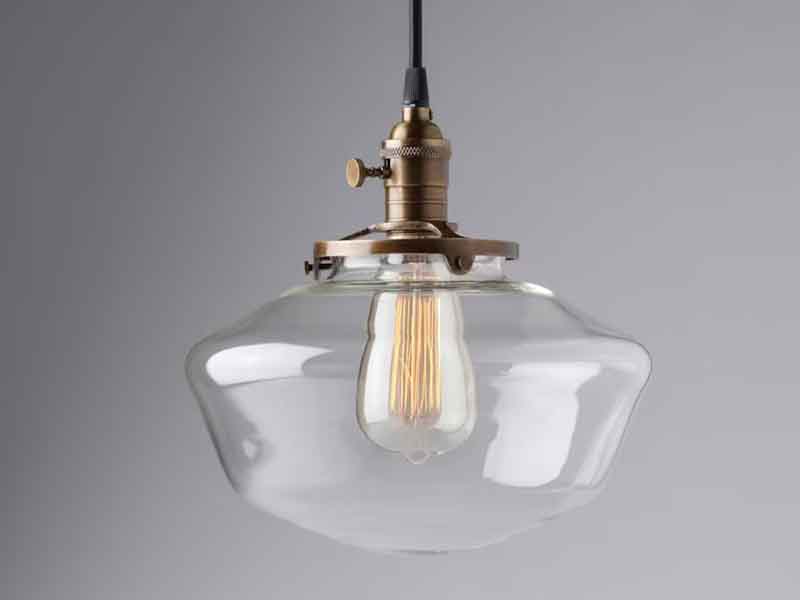
At its heart, a globe schoolhouse pendant light is beautifully simple: a hanging ceiling fixture inspired by early American schoolhouse lighting, usually featuring an opal, milk glass, frosted, or clear globe shade. The shape softens the bulb, spreads light evenly, and adds architectural charm without trying to steal the entire room’s lunch money. That balance is exactly why homeowners, designers, remodelers, and old-house lovers keep coming back to it.
Whether you are updating a farmhouse kitchen, softening a modern apartment, restoring a historic home, or just trying to replace the mystery fixture your house inherited in 1997, a globe schoolhouse pendant light can be a smart, timeless choice.
What Is a Globe Schoolhouse Pendant Light?
A globe schoolhouse pendant light is a ceiling-mounted hanging light with a rounded glass shade and a design language rooted in classic public-building lighting. The “schoolhouse” part refers to fixtures commonly seen in early twentieth-century American classrooms, libraries, offices, train stations, municipal buildings, and other practical spaces where people needed clear, dependable light. The “globe” part describes the shade: rounded, balanced, and usually made from glass that either diffuses or displays the bulb.
Traditional schoolhouse fixtures often featured white glass shades and simple metal components in brass, nickel, bronze, or black. Today’s versions come in many finishes and proportions, but the best ones still respect the original idea: honest materials, useful illumination, and an easygoing silhouette that does not age out after one design trend cycle.
Why the Schoolhouse Style Still Works
Some designs stay popular because they are loud. Schoolhouse lighting stays popular because it knows when to behave. It brings character to a room without overwhelming cabinets, tile, furniture, or artwork. A globe pendant can look right above a marble kitchen island, a butcher-block prep table, a round breakfast nook, or a narrow hallway where every inch matters.
The style also has a rare decorating superpower: it can bridge old and new. In a historic home, it looks appropriate and respectful. In a modern home, it adds softness and warmth. In a farmhouse kitchen, it feels natural. In a transitional space, it quietly ties together different finishes and textures, like the responsible adult at a family reunion.
Key Design Features of a Globe Schoolhouse Pendant Light
1. The Globe Shade
The shade is the star of the show. A globe shade creates visual symmetry and helps distribute light in multiple directions. Compared with a cone or dome pendant, a globe often feels softer and more ambient. That makes it especially useful in rooms where you want both function and atmosphere.
Milk glass and opal glass are especially common because they hide the bulb and reduce glare. Clear glass gives a brighter, more exposed look, but it also means the bulb becomes part of the design. In that case, choose a decorative LED bulb carefully unless you want the room to look like it is being interrogated by a tiny sun.
2. The Metal Finish
Hardware finishes can completely change the personality of the fixture. Aged brass feels warm, classic, and slightly fancy in a “good stationery” kind of way. Matte black reads crisp, graphic, and modern farmhouse. Polished nickel works beautifully in traditional or transitional spaces. Oil-rubbed bronze adds depth and vintage character, especially in older homes.
For kitchens, many people coordinate the pendant finish with cabinet hardware or faucet finishes. Matching is safe, but mixing can be more interesting. Brass pendants with black cabinet pulls, for example, can feel layered and intentional. The trick is to repeat each finish at least once elsewhere in the room so the pendant does not look like it wandered in from another house.
3. The Hanging Method
Globe schoolhouse pendant lights may hang from rods, cords, or chains. Rods look structured and polished. Chains feel vintage and flexible. Cords can lean simple, casual, or industrial depending on the canopy and shade. Adjustable rods or chains are helpful because ceiling heights vary, and pendant lights are not a one-height-fits-all situation.
Best Places to Use a Globe Schoolhouse Pendant Light
Kitchen Island
The kitchen island is probably the most popular place for a globe schoolhouse pendant light. A row of two or three pendants can define the island, add task lighting, and create a strong design focal point. Over a small island, one larger globe may be enough. Over a long island, multiple smaller globes usually provide better balance.
For spacing, leave breathing room at both ends of the island and keep pendants evenly spaced. The goal is to avoid the dreaded “airport runway” effect, where lights are lined up with mathematical confidence but no visual grace.
Dining Room
A globe schoolhouse pendant can be a charming alternative to a chandelier. It works especially well over round or square tables because the globe shape echoes the table’s geometry. For rectangular tables, consider a larger pendant, a linear arrangement, or a pair of matching pendants.
In dining rooms, warm light is usually best. A soft white bulb creates a relaxed mood and makes food look appetizing. Nobody wants mashed potatoes lit like a hospital corridor.
Entryway or Foyer
An entryway is a perfect place to use a globe schoolhouse pendant because the fixture makes an immediate impression without blocking the view. In a small foyer, a single opal glass globe can add polish. In a tall entry, a longer chain or rod can help the fixture sit at a more visually comfortable height.
Hallway
Hallways are often neglected, which is unfair because they do a lot of emotional labor. A series of globe schoolhouse pendants can turn a plain hallway into a thoughtful transition space. For lower ceilings, a semi-flush schoolhouse fixture may be more practical than a pendant.
Bathroom Vanity Area
In bathrooms, schoolhouse-style glass can create a clean, classic look. However, always check whether the fixture is rated for damp locations if it will be installed in a bathroom. A beautiful light is less charming when it is arguing with moisture, steam, and building codes.
How to Choose the Right Size
Choosing the right pendant size is part math, part instinct, and part standing in your kitchen while holding a tape measure like you are solving a tiny architectural crime. For a kitchen island, many designers recommend leaving at least several inches of clearance from the edges of the island and spacing multiple pendants evenly. Smaller globes around 8 to 10 inches wide can work in pairs or trios, while larger 12 to 16 inch globes may be better as statement pieces.
For a dining table, the pendant should feel proportionate to the table. A tiny globe over a large table can look timid. A giant globe over a small table can look like a moon has joined dinner. As a general design guideline, choose a fixture that gives enough visual presence without crowding the table or blocking conversation.
How High Should You Hang It?
Height matters. Over a kitchen island or dining table, pendant lights are commonly hung around 30 to 36 inches above the surface. This range usually provides useful light while preserving sightlines. If your ceiling is higher than average, you may need a slightly longer drop for the fixture to feel visually connected to the room.
In open walkways, foyers, or halls, make sure there is enough clearance beneath the fixture. People should be able to walk comfortably without ducking, dodging, or developing a personal feud with your pendant light.
Milk Glass vs. Clear Glass vs. Frosted Glass
Milk Glass
Milk glass is the classic choice for a globe schoolhouse pendant light. It diffuses light, hides the bulb, and creates a soft glow. It is especially useful in kitchens, dining rooms, and hallways where glare control matters. Milk glass also has a vintage look that feels warm and approachable.
Clear Glass
Clear glass looks lighter and more modern. It can make a room feel open because the fixture does not visually block as much space. The downside is that dust, fingerprints, and bulb choice become more noticeable. Clear glass is stylish, but it is not shy about showing evidence.
Frosted or Opal Glass
Frosted and opal glass sit between milk glass and clear glass. They diffuse light well, offer a clean appearance, and work in both contemporary and traditional rooms. If you want a pendant that feels soft but not overly vintage, opal glass is a strong option.
Choosing the Right Bulb
The bulb can make or break the entire fixture. For most homes, LED bulbs are the best choice because they are energy efficient, long-lasting, and available in many color temperatures. For a warm, inviting glow, look for bulbs around 2700K to 3000K. For kitchens where you need more clarity, 3000K to 3500K can work well, especially if the pendant is part of a layered lighting plan.
Brightness is measured in lumens, not watts. If the globe shade is opaque or milk glass, you may need a brighter bulb than you would use in a clear shade. Dimmable bulbs are highly recommended because they allow the pendant to shift from “chop vegetables safely” to “serve dessert and pretend the dishes do not exist.”
Design Styles That Pair Well with Globe Schoolhouse Pendants
Modern Farmhouse
Black or brass globe schoolhouse pendants are a natural fit for modern farmhouse kitchens. Pair them with shaker cabinets, wood accents, apron-front sinks, and simple hardware. The fixture adds vintage warmth without making the room feel overly themed.
Traditional
For traditional interiors, polished nickel, aged brass, or bronze finishes work beautifully. A milk glass globe softens formal spaces and adds a sense of history. It is especially effective in homes with crown molding, paneled doors, or classic tilework.
Industrial
Industrial interiors benefit from the schoolhouse pendant’s utilitarian roots. Choose black, bronze, or aged metal finishes and pair them with wood, brick, concrete, or exposed shelving. The globe shape keeps the look from becoming too harsh.
Mid-Century Modern
Globe lighting has a strong relationship with mid-century design. For this look, choose simple hardware, warm brass, and clean proportions. A globe pendant can echo round tables, curved chairs, and sculptural furniture without competing with them.
Transitional
Transitional rooms combine classic and modern elements, which makes schoolhouse lighting a perfect match. A globe pendant can soften sharp cabinetry, complement mixed metals, and add charm without pushing the room too far in one direction.
Installation Considerations
Before buying a globe schoolhouse pendant light, check the canopy size, cord or rod length, ceiling height, and shade diameter. If the ceiling is sloped, confirm that the fixture works with vaulted ceilings. If you are replacing an existing ceiling light, make sure the electrical box is properly located and rated for the fixture.
For hardwired installations, hiring a licensed electrician is usually the smartest choice. Yes, online videos can make electrical work look easy. Online videos also make soufflés look easy, and we all know how that story can end.
Maintenance and Cleaning
Globe glass shades are generally easy to maintain. Turn off the light and let the bulb cool before cleaning. Remove dust with a soft microfiber cloth. For fingerprints or kitchen grease, use a gentle glass cleaner or mild soap and water. Avoid harsh abrasives, especially on painted, aged, or unlacquered metal finishes.
Milk glass hides dust better than clear glass, which is one reason it remains popular in kitchens. Still, cleaning the shade a few times a year will keep the light looking bright and fresh. Think of it as skincare for your ceiling.
Common Mistakes to Avoid
Choosing a Pendant That Is Too Small
A pendant that is too small can disappear visually, especially above a large island or dining table. When in doubt, use painter’s tape, cardboard, or a paper mockup to test the scale before ordering.
Ignoring Color Temperature
A beautiful pendant with the wrong bulb color can change the entire room. Too cool, and the space may feel sterile. Too warm, and task areas may feel dim. Choose the bulb based on the room’s function, not just the fixture’s maximum wattage.
Forgetting Dimmers
Dimmers are not glamorous, but they are extremely useful. A dimmable globe schoolhouse pendant can provide bright task lighting during the day and soft ambiance at night. It is basically mood lighting with a practical resume.
Hanging It Too Low
A pendant should illuminate the surface below, not become an obstacle course. If people are leaning around the fixture to make eye contact, it is probably too low.
Is a Globe Schoolhouse Pendant Light Worth It?
Yes, especially if you want a fixture that combines charm, flexibility, and long-term style. The globe schoolhouse pendant light is not a throwaway trend. It has historical roots, practical lighting benefits, and enough design range to fit many homes. It can be modest or dramatic, vintage or modern, playful or refined.
It is also a smart choice for homeowners who want to refresh a room without renovating everything. Swapping an outdated ceiling fixture for a well-proportioned globe schoolhouse pendant can make a kitchen, hallway, or dining area feel instantly more intentional.
Real-Life Experience: Living with a Globe Schoolhouse Pendant Light
One of the best things about living with a globe schoolhouse pendant light is how quickly it becomes part of the room’s personality. At first, you notice it constantly because it is new and shiny and you are still congratulating yourself for making a good design decision. After a few weeks, it settles in. It becomes the light you turn on for coffee, homework, dinner, late-night snacks, and those mysterious moments when you walk into the kitchen and forget why.
In a kitchen, the experience is especially satisfying. A milk glass globe over an island gives a gentle, even glow that feels welcoming without being sleepy. When paired with recessed lights or under-cabinet lighting, it creates layers instead of relying on one harsh overhead source. That layered effect makes the room more flexible. You can brighten everything for cooking, dim the pendant for dinner, or leave one light glowing in the evening so the kitchen does not feel like a closed office.
The globe shape also feels friendly. Some pendants look dramatic but cast awkward shadows. Others look beautiful in photos but are annoying in real life because the bulb glares directly into your eyes. A good globe schoolhouse pendant, especially with opal or milk glass, avoids that problem. It softens the bulb and spreads the light in a way that feels calm. It is the lighting equivalent of someone speaking at a reasonable volume.
There is also a decorating benefit that becomes clearer over time: the fixture does not fight seasonal changes. In spring, it looks fresh with flowers and pale linens. In fall, it works with warm woods, pumpkins, and cozy colors. During the holidays, it does not clash with greenery, ribbon, candles, or the sudden arrival of decorative objects you forgot you owned. A globe schoolhouse pendant is adaptable, which makes it easier to live with than a highly trendy fixture.
Cleaning is usually simple, but kitchens do add one reality check: airborne grease exists, and it is rude. If the pendant hangs near a cooking area, the glass may need occasional wiping. Milk glass is forgiving, while clear glass demands more attention. The good news is that a round shade is usually easier to clean than complicated crystal, fabric, or woven materials. No tiny dangling pieces. No dust jungle. Just glass, cloth, and a few minutes of effort.
The biggest lesson from using this type of light is that size and height matter more than people expect. A pendant that looks perfect online may feel small once it is above a large island. A chain that seemed charming may hang too low if the ceiling is only eight feet high. Measuring before buying prevents disappointment. It also prevents the classic homeowner sentence: “I think it’s fine,” spoken while everyone in the room silently knows it is not fine.
Another real-world advantage is that globe schoolhouse pendants tend to age gracefully. Some fixtures announce the exact year they were purchased. A schoolhouse globe is harder to date because it borrows from design history rather than chasing a micro-trend. That makes it a practical investment for homeowners who want style without replacing lighting every few years.
In daily use, the fixture feels dependable, decorative, and quietly cheerful. It brightens the room, adds a touch of nostalgia, and gives the ceiling a reason to participate in the design. And honestly, ceilings deserve nice things too.
Conclusion
The Globe Schoolhouse Pendant Light is a timeless lighting choice for homeowners who want beauty, function, and character in one well-rounded package. Its globe shade diffuses light beautifully, its schoolhouse roots add vintage charm, and its wide range of finishes makes it easy to style in kitchens, dining rooms, hallways, entryways, and more. Choose the right size, hang it at the proper height, pair it with the right LED bulb, and this fixture can make an ordinary room feel thoughtfully designed.
In a world full of lighting trends that come and go faster than a clearance cart at a home store, the globe schoolhouse pendant remains steady, stylish, and genuinely useful. It does not shout. It glows. And sometimes, that is exactly what a home needs.