Some gift guides feel like they were assembled by a person sprinting through a mall with one shoe untied. Domino Magazine’s gift-pick style is the opposite: polished, design-forward, a little unexpected, and deeply aware that a “nice gift” should not immediately become someone’s future donation-box problem. This is a gift guide for people who care about homes, hosting, color, comfort, small luxuries, and objects that make daily life feel more intentional.
Domino has long been known for mixing accessible home ideas with editorial taste: stylish interiors, clever shopping finds, colorful rooms, smart storage, and pieces that look thoughtfully chosen rather than panic-purchased at 9:47 p.m. The best Domino-inspired gift picks usually sit in that sweet spot between beautiful and useful. Think sculptural lamps, elevated kitchen tools, cozy textiles, conversation-starting coffee table books, charming tableware, scented home luxuries, and little design objects that say, “I know you have taste,” without saying, “I spent three hours stalking your Pinterest board.”
This guide breaks down the most giftable ideas through a Domino-style lens: design-conscious, practical enough to keep, and delightful enough to unwrap without making the recipient perform fake enthusiasm. Whether you are shopping for a minimalist, a host, a new homeowner, a food lover, a cozy homebody, or that impossible friend who already owns “the good version” of everything, these categories will help you choose better.
Why Domino Magazine’s Gift Picks Work So Well
The magic of Domino-style gifting is that it treats the home as a personality, not just a place where people lose phone chargers. A great home gift should fit into someone’s routines while adding a little spark. It might make their morning coffee feel calmer, their dinner table look more pulled together, or their living room feel like the adult version of “I have my life organized,” even if there is laundry quietly aging in the chair.
Domino’s gift sensibility tends to favor pieces with visual character. A plain item can be useful, but a beautifully designed useful item becomes memorable. A rechargeable lamp is not just a lamp; it is mood lighting for a dinner party, a bedside upgrade, and proof that nobody needs to trip over cords to live elegantly. A coffee table book is not just a book; it is a tiny museum for the living room. A patterned throw is not just a blanket; it is permission to cancel plans and become one with the sofa.
1. Design Books for the Person Who Judges a Room Politely
Design books are among the safest and smartest Domino-inspired gifts because they serve several purposes at once. They are readable, decorative, personal, and easy to match to a recipient’s style. For the friend who loves interiors, architecture, travel, fashion, gardens, or food culture, a well-chosen coffee table book feels thoughtful without being too intimate.
What to Look For
Choose books with strong photography, beautiful covers, and a subject that matches the recipient’s taste. A maximalist may love a book about pattern, color, and eccentric interiors. A minimalist may prefer architecture, Japanese design, modern furniture, or quiet spaces. A frequent host might enjoy a book about entertaining, flowers, wine, or global table settings.
The key is to avoid the generic “big book of pretty rooms” unless it has a strong point of view. Great gift books feel specific. They say, “I noticed you,” not, “This was near the checkout counter.”
2. Portable Lamps and Mood Lighting
Few gifts feel as instantly useful as a small lamp, especially the newer generation of rechargeable, cordless designs. They work on nightstands, shelves, desks, dining tables, patios, and awkward corners that have been waiting years for emotional support. Domino-style lighting gifts are usually compact, sculptural, and warm rather than harsh. Nobody wants a lamp that makes their living room feel like a dentist’s office.
A portable lamp is especially great for renters, small-space dwellers, and hosts. It creates atmosphere without requiring tools, rewiring, or a dramatic conversation with a landlord. For dinner parties, a small table lamp can do what overhead lighting never will: make everyone look rested, mysterious, and slightly more interesting.
Best For
This is an ideal gift for design lovers, apartment renters, new homeowners, bedside readers, and anyone who has ever said, “The vibe is off,” while looking at ceiling lights.
3. Elevated Kitchen Tools That Deserve Counter Space
A Domino-worthy kitchen gift should not be another gadget that disappears into a drawer with old takeout soy sauce packets. Look for tools that are genuinely useful and attractive enough to leave out: a colorful Dutch oven, a sleek pepper mill, a sculptural fruit bowl, a handmade cutting board, a sturdy baking dish, or an elegant oil cruet.
The best kitchen gifts are not always the most complicated. In fact, simplicity often wins. A beautiful baking dish can go from oven to table. A well-made set of measuring cups can turn Sunday pancakes into a tiny domestic ceremony. A stylish kettle can sit on the stove like it pays rent.
Smart Kitchen Gift Rule
Ask yourself: will this item make cooking easier, prettier, or more enjoyable at least once a week? If the answer is yes, you have a winner. If the answer is “only during a themed fondue night,” proceed with caution unless your recipient is deeply committed to cheese theater.
4. Tableware for the Host Who Owns Cloth Napkins
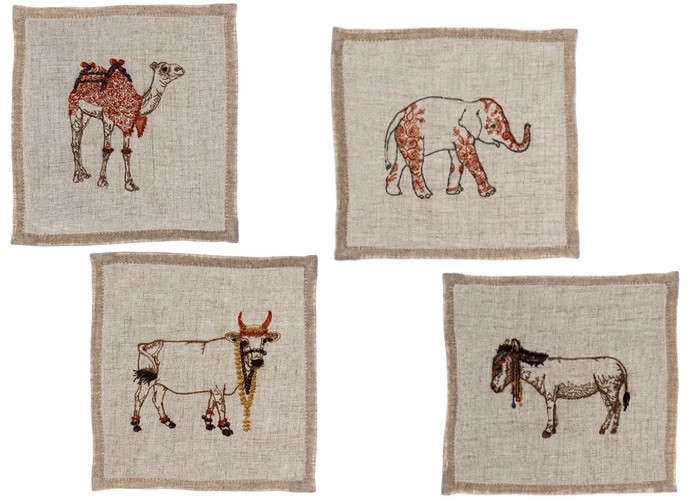
Hosts are some of the easiest people to shop for because they actually use nice things. A set of linen napkins, cocktail picks, handmade glasses, dessert plates, serving spoons, taper candles, or a charming tray can become part of their entertaining rotation immediately.
Domino-inspired tableware is rarely boring. It may have texture, color, unexpected shape, or a handmade feel. The goal is not to buy a full formal dinner set. Instead, choose one piece that upgrades the table without demanding a complete lifestyle transformation.
Gift Ideas That Feel Personal
For the friend who hosts casual dinners, consider colorful glassware or a set of cloth napkins. For the cocktail person, look for beautiful picks, coasters, a mixing glass, or a small tray. For the brunch enthusiast, a cake stand or ceramic pitcher can feel both useful and charming. For the person who treats cheese boards like competitive art, a compact serving board is basically a love language.
5. Cozy Textiles That Do Not Look Like Emergency Blankets
Throws, pillows, quilts, robes, and towels are classic home gifts because comfort never goes out of style. But the Domino version of cozy is not random fleece with a snowman on it. It is texture, pattern, color, and quality. Think cotton quilts, alpaca-blend throws, waffle towels, striped blankets, or linen bedding accents.
Textiles work especially well when you know the recipient’s color palette. If you are unsure, choose neutrals with texture: cream, oatmeal, charcoal, deep green, muted blue, or warm brown. Texture makes a simple color feel richer, like it took a design class and came back emotionally mature.
Best Textile Gifts
A throw blanket is excellent for homebodies, movie watchers, readers, and anyone whose thermostat is apparently controlled by a distant relative. A set of good hand towels can elevate a bathroom instantly. A decorative pillow is trickier because people are particular about sofas, but if you know their style, it can be a fantastic gift.
6. Scented Gifts That Make a Home Feel Finished
Scent is powerful. It can make a home feel clean, warm, festive, calm, or expensive enough to intimidate a dust bunny. Candles, reed diffusers, incense holders, room sprays, and essential oil diffusers all fit beautifully into a Domino-style gift guide, especially when the packaging looks as good as the fragrance smells.
The safest scents are warm, fresh, woody, herbal, or citrus-based. Avoid anything too sugary, too intense, or too “cupcake trapped in a perfume factory.” A high-quality candle in a ceramic or glass vessel can double as decor after the wax is gone.
How to Choose a Home Fragrance
For minimalists, go clean and subtle. For cozy homebodies, choose amber, cedar, sandalwood, or vanilla with restraint. For hosts, citrus, fig, basil, or rosemary can feel bright and welcoming. For the friend with pets, choose carefully and consider unscented decorative options if allergies are a concern.
7. Small Luxuries Under $50
Not every great gift needs to behave like a rent payment. Some of the most Domino-like gifts are small luxuries: fancy matches, colorful taper candles, a charming catchall tray, a tiny vase, good soap, linen cocktail napkins, a clever bottle opener, or a beautiful notebook.
These gifts are perfect for coworkers, neighbors, teachers, hosts, and friends when you want something thoughtful but not dramatic. The trick is presentation. A small gift feels much more special when it has texture, color, and a little story.
How to Make a Small Gift Feel Bigger
Pair items intentionally. A candle with a match striker. A small vase with fresh flowers. A pretty soap with a hand towel. A cookbook with a jar of finishing salt. A coffee table book with bookmarks. Suddenly, a modest gift becomes a tiny curated moment. Look at you, basically running a boutique.
8. Gifts for the Minimalist
Shopping for minimalists can feel risky because they often look at objects the way cats look at closed doors: suspiciously. The best gifts for minimalists are functional, refined, and visually quiet. Choose clean lines, natural materials, and excellent quality.
Good options include a simple ceramic pitcher, a beautifully made tray, a neutral throw, a streamlined lamp, a glass carafe, or a set of elegant storage boxes. Avoid anything too quirky unless their version of minimalism includes one extremely weird object placed with museum-level confidence.
9. Gifts for the Maximalist
Maximalists are easier in one way and harder in another. They love color, pattern, and personality, but they usually already have a strong visual world. Your gift should add joy without starting a fistfight with the wallpaper.
Look for sculptural vases, patterned napkins, colorful glassware, artful candles, bold bookends, decorative trays, or playful ornaments. Maximalist gifts should feel expressive, not chaotic. There is a difference between “eclectic” and “a drawer exploded.”
10. Gifts for the Host With the Most
The host with the most does not need another plain serving bowl unless it is truly special. They need items that help them create atmosphere: candles, table linens, cocktail tools, cheese knives, serving boards, guest soaps, bud vases, or a beautiful ice bucket.
A great hosting gift is something they can use at the next gathering. Bonus points if it reduces stress. A set of dishwasher-safe glasses, a stain-friendly table runner, or a sturdy tray can be more beloved than something delicate that requires a whispered care ritual.
11. Gifts for the New Homeowner or Apartment Renter
For someone settling into a new space, choose gifts that help them feel rooted. A doormat, key tray, tool kit, good towels, a lamp, a plant pot, a framed print, or a practical kitchen upgrade can make a new home feel less like a collection of boxes and more like a place where soup might happen.
Be careful with large decor unless you know their taste well. Art, rugs, and statement furniture are personal. Smaller home upgrades are safer and more useful. Think of your gift as the supporting actor, not the main character wearing sequins in every scene.
12. Gifts for the Person Who Has Everything
The person who has everything does not need more stuff. They need better versions of things they already use, consumables they will enjoy, or objects with a story. Consider artisan pantry items, special olive oil, handmade ceramics, limited-edition design books, a local floral subscription, a high-quality candle, or a beautiful game set.
Another strong approach is giving an upgrade to a daily ritual. Better coffee cups. Better bath towels. Better desk lighting. Better storage. These gifts do not shout, but they quietly improve life. That is often more meaningful than a novelty item shaped like a llama, although respect to llamas for their ongoing contribution to comedy.
How to Choose the Right Domino-Inspired Gift
The best gift is not the most expensive one. It is the one that feels considered. Before buying, think about the recipient’s space, habits, colors, hobbies, and tolerance for decorative objects. Do they host? Cook? Read? Collect art? Love neutrals? Rearrange furniture for fun? Own more candles than socks?
A good Domino-style gift usually passes three tests:
- It is useful or emotionally delightful. Ideally both.
- It has visual appeal. It should look intentional, not accidental.
- It matches the recipient’s life. Not your dream version of their life. Their actual life.
That last point matters. Do not buy a fragile hand-wash-only platter for someone with three kids, two dogs, and the energy level of a weathered sea captain. Do not buy a giant neon sculpture for a person whose apartment is beige on purpose. And please, unless specifically requested, do not gift anything that requires assembly, installation, or a weekend of emotional negotiation.
Common Gift-Giving Mistakes to Avoid
Choosing Decor That Is Too Personal
Decor is intimate. A vase is usually safe. A five-foot abstract wall hanging is a commitment. When in doubt, go smaller, useful, or consumable.
Ignoring Lifestyle
A beautiful cocktail set is less useful for someone who does not drink. A delicate white throw may not survive a home with pets. A giant coffee table book is not ideal for a studio apartment with one tiny side table and heroic storage issues.
Buying the Trend Instead of the Person
Trends can guide you, but they should not drive the whole sleigh. The best gifts feel current but not disposable. Choose items with lasting design value, not things that will look dated before the gift receipt expires.
Real-Life Experience: What Domino-Style Gifting Teaches You
After years of giving home and design gifts, one lesson becomes painfully clear: people remember how a gift fits into their life more than how dramatic it looked when they opened it. The loudest gift in the room is not always the one that gets used. Sometimes the quietest gift becomes the favorite.
For example, a small rechargeable lamp might not cause theatrical gasps at the party. Nobody is going to clutch their pearls over practical lighting. But two weeks later, it is sitting on the recipient’s dinner table, glowing softly beside a bowl of pasta, making the whole room look like it has better posture. That is a successful gift.
The same goes for textiles. A good throw blanket may seem predictable until it becomes the blanket. You know the one. The sofa blanket everyone reaches for first. The blanket that appears during movies, naps, rainy mornings, and “I am just resting my eyes” moments. A beautiful, soft, well-sized throw is not boring. It is domestic royalty.
Kitchen gifts are another area where experience matters. People often assume serious home cooks want complicated gadgets. Usually, they want reliable tools that feel good in the hand and do not require reading a manual written by a robot in a bad mood. A great baking dish, pepper mill, chef’s knife, cutting board, or set of mixing bowls can become part of someone’s weekly rhythm. That is better than a novelty appliance used once and then exiled behind the slow cooker.
Hosting gifts have their own little psychology. Hosts appreciate items that make entertaining easier or prettier without creating more work. Candles, napkins, serving utensils, trays, and guest soaps are winners because they slide naturally into the ritual of welcoming people. A good host gift should not say, “Here is another responsibility.” It should say, “Your table is about to look fantastic.”
One of the best experiences with Domino-style gifting is building small pairings. A single candle is nice. A candle with beautiful matches feels finished. A cookbook is thoughtful. A cookbook with a jar of special salt feels personal. A vase is lovely. A vase with flowers already in it is a tiny parade. Pairing gifts shows intention, and intention is the secret ingredient that makes even affordable presents feel luxurious.
Another useful lesson: do not underestimate the power of gifts people would not buy for themselves. Many people will not splurge on fancy hand towels, sculptural bookends, artisan oil, or linen napkins, but they will happily use them once gifted. That is the sweet spot: a little unnecessary, very enjoyable, and not so extravagant that it becomes awkward.
Finally, the best Domino-inspired gifts respect the recipient’s taste. They do not try to redecorate someone’s house by force. They add a layer: a glow, a texture, a flavor, a color, a ritual. That is why this style of gifting works so well. It is not about buying more. It is about choosing better. And in a world full of rushed presents, novelty mugs, and mystery gift baskets, better feels like a breath of fresh, beautifully scented air.
Conclusion: The Best Gifts Feel Designed, Not Random
Domino Magazine’s gift-pick philosophy is a helpful reminder that beautiful gifts do not have to be impractical, and practical gifts do not have to be boring. The strongest choices live somewhere in the middle: a lamp that changes the mood, a cookbook that inspires dinner, a throw that upgrades the sofa, a candle that makes the room feel calm, a tray that turns clutter into a “styled moment.” Very powerful. Slightly suspicious. Definitely useful.
When shopping for design lovers, hosts, homebodies, minimalists, maximalists, cooks, or new homeowners, focus on pieces that blend function, personality, and lasting appeal. Choose gifts that fit naturally into real life but still feel special enough to unwrap with genuine excitement. That is the heart of a great Domino-inspired gift guide: thoughtful, stylish, warm, and never boring enough to be regifted at the next office party.