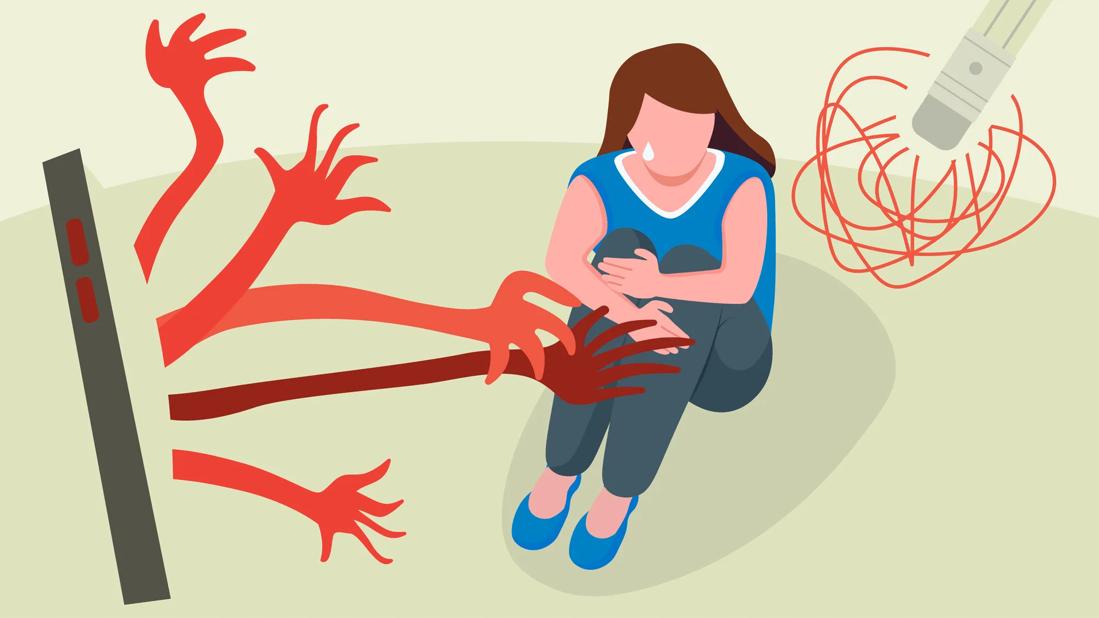
Feeling numb emotionally can be strange, frustrating, and honestly a little rude. Life keeps serving full-color momentsgood news, bad news, birthday cake, dramatic group chatsand your inner world responds with the enthusiasm of a printer on low ink. You may know you “should” feel happy, sad, excited, angry, or moved, but instead there is a flat, foggy silence.
This experience is often called emotional numbness, emotional blunting, or feeling emotionally detached. It is not a personality flaw. It is not proof that you are cold, broken, lazy, or secretly a houseplant. More often, emotional numbness is a signal that your mind and body may be overwhelmed, depressed, anxious, traumatized, exhausted, affected by medication, or trying to protect you from feelings that have become too much to process all at once.
The good news: numbness can improve. Treatment usually starts with understanding what is causing it, then using the right mix of therapy, medical support, lifestyle changes, and gentle reconnection with daily life. Let’s unpack what emotional numbness feels like, why it happens, and what can help you feel like yourself again.
What Is Emotional Numbness?
Emotional numbness is a reduced ability to feel or express emotions. Some people describe it as feeling empty, disconnected, muted, frozen, or like they are watching their life through glass. Others say they can still functiongo to work, answer messages, fold laundry like a responsible adult in a commercialbut inside, everything feels distant.
It can affect both positive and negative emotions. You may not cry when something hurts. You may not feel excited about plans you normally enjoy. You may care about people deeply but struggle to feel warmth in the moment. That disconnect can be scary, especially when your brain starts asking dramatic questions like, “Am I becoming a robot?” Usually, no. Robots do not worry about whether they are robots. That concern itself is very human.
Emotional Numbness vs. Anhedonia vs. Burnout
These experiences overlap, but they are not exactly the same. Emotional numbness means emotions feel muted or hard to access. Anhedonia means a reduced ability to feel pleasure or interest in things that used to be enjoyable. Burnout often includes exhaustion, cynicism, low motivation, and the sense that your mental battery has been replaced by a potato.
A person can experience all three at once. For example, someone dealing with depression may lose interest in hobbies, feel emotionally flat, sleep poorly, and withdraw from people. Someone under chronic stress may stop feeling much because their nervous system has been running emergency mode for too long.
Possible Causes of Feeling Numb Emotionally
Emotional numbness is a symptom, not a final answer. Think of it like a dashboard warning light. It tells you something deserves attention, but you still need to check under the hood. Preferably not with panic and a flashlight at 2 a.m.
1. Depression
Depression is one of the most common reasons people feel emotionally numb. While many people imagine depression as constant sadness, it can also feel like emptiness, low energy, loss of interest, slowed thinking, sleep changes, appetite changes, and a heavy sense that normal tasks require superhero-level effort.
Someone with depression may say, “I do not feel sad. I do not feel anything.” That does not make the depression less real. Emotional flatness can be one of the most confusing parts because it removes the usual emotional signals that help you understand what you need.
2. Anxiety and Chronic Stress
Anxiety is not always racing thoughts and sweaty palms. Sometimes, after a long period of worry, pressure, or fear, the body starts to shut down emotionally. When your nervous system spends too much time scanning for danger, numbness can become a kind of circuit breaker.
This often happens during high-pressure seasons: exams, caregiving, money problems, family conflict, job stress, health worries, or constant overcommitment. At first, stress pushes you to keep going. Eventually, your brain may say, “We are closing the emotional department until further notice.”
3. Trauma and PTSD
After trauma, emotional numbness can be part of avoidance or self-protection. The mind may distance itself from painful memories, feelings, places, or reminders. This can happen after abuse, accidents, violence, disasters, loss, medical trauma, or any experience that overwhelms a person’s ability to cope.
Post-traumatic stress disorder, or PTSD, can include emotional numbing, loss of interest, feeling detached from others, sleep problems, irritability, and strong reactions to reminders of what happened. Numbness may seem helpful at first because it lowers emotional pain, but over time it can also block joy, connection, and healing.
4. Dissociation and Depersonalization
Dissociation is a disconnection from thoughts, feelings, body sensations, memories, or surroundings. Depersonalization can feel like being detached from yourself, while derealization can make the world feel unreal, foggy, or dreamlike.
These experiences can happen during extreme stress, panic, trauma, or emotional overload. They can be frightening, but they are also understandable nervous-system responses. If they happen often, interfere with daily life, or make you feel unsafe, it is time to talk with a mental health professional.
5. Grief and Major Life Changes
Grief does not always arrive as sobbing in the rain like a movie scene with suspiciously good lighting. Sometimes grief is quiet. After a death, breakup, move, diagnosis, family change, or major disappointment, you may feel blank. This does not mean you did not care. It may mean your mind is absorbing the loss in small, survivable pieces.
Emotional numbness after a major life change can come and go. You may feel fine one hour, hollow the next, then suddenly cry because a song, smell, or random grocery-store cereal box unlocks something. Grief is not organized. It did not bring a spreadsheet.
6. Medication Side Effects
Some people experience emotional blunting while taking certain medications, including some antidepressants. This does not mean medication is “bad” or that you should stop taking it. For many people, medication is life-changing and helps restore stability. But if you notice that your emotions feel too muted, talk to your prescribing clinician.
A healthcare provider may adjust the dose, review timing, switch medications, check for interactions, or look for another cause. Do not stop medication suddenly without medical guidance. Abrupt changes can cause withdrawal-like symptoms or a return of the condition being treated.
7. Substance Use, Sleep Loss, and Physical Health Factors
Alcohol or drug use may temporarily dull emotional pain, but it can also worsen mood, sleep, anxiety, and emotional regulation over time. Poor sleep can also flatten emotions. Anyone who has slept three hours knows the soul can leave the body somewhere between the alarm clock and the first sock.
Physical health can play a role too. Hormonal changes, neurological issues, chronic pain, nutritional problems, and other medical conditions may affect mood and emotional responsiveness. If numbness is new, intense, or paired with physical symptoms, a medical checkup is a smart move.
Signs Emotional Numbness May Need Professional Help
Everyone has emotionally flat days. Sometimes your brain just needs a quiet afternoon and a snack. But numbness deserves professional attention when it lasts for weeks, disrupts relationships, affects school or work, leads to risky coping habits, or makes you feel disconnected from reality.
Reach out promptly if emotional numbness comes with hopelessness, feeling unsafe, thoughts of harming yourself or someone else, confusion, inability to care for basic needs, panic, severe sleep loss, or sudden major behavior changes. In the United States, calling or texting 988 connects people with the Suicide & Crisis Lifeline. If there is immediate danger, call emergency services.
Treatments for Emotional Numbness
The best treatment depends on the cause. Emotional numbness linked to depression may need a different plan than numbness linked to trauma, medication side effects, grief, or chronic stress. Still, several approaches often help.
Therapy
Talk therapy can help you understand what your numbness is protecting you from, what triggers it, and how to reconnect with emotions safely. Cognitive behavioral therapy, or CBT, can help identify thought patterns and behaviors that maintain depression or anxiety. Dialectical behavior therapy, or DBT, can teach emotion regulation and distress tolerance skills. Acceptance and commitment therapy, or ACT, can help you make room for feelings without being ruled by them.
For trauma-related numbness, trauma-focused therapy may be especially helpful. Approaches such as cognitive processing therapy, prolonged exposure, trauma-focused CBT, and EMDR may be considered depending on the person and provider. A good therapist will not shove you into emotional deep water and yell, “Swim!” Treatment should be paced, collaborative, and grounded in safety.
Medication Review
If emotional numbness appeared after starting or changing medication, tell your prescriber. Be specific: When did it begin? What emotions feel reduced? Are you less sad but also less joyful? Are relationships affected? Clear details help your clinician decide whether the issue is medication-related, condition-related, or both.
Grounding and Body-Based Skills
When numbness is tied to stress or dissociation, grounding skills can help bring attention back to the present. Try noticing five things you can see, four things you can feel, three things you can hear, two things you can smell, and one thing you can taste. You can also press your feet into the floor, hold a cold drink, stretch slowly, or name objects in the room.
These tools may sound simple, but simple is not the same as weak. Your nervous system speaks body language. Sometimes it understands “feet on floor” faster than it understands a 47-minute lecture from your inner critic.
Rebuilding Routine
When you feel numb, motivation may not show up first. Action often has to go first, wearing a tiny hard hat. Start with small anchors: waking at a consistent time, eating regular meals, getting sunlight, moving your body gently, and limiting isolation. These do not cure everything, but they create conditions where healing has a place to land.
Social Connection
Numbness often convinces people to withdraw because they feel fake, distant, or too tired to explain themselves. But safe connection can help emotions thaw. You do not need to deliver a dramatic speech. A simple “I have been feeling kind of disconnected lately, but I still want to be around you” can open the door.
Choose low-pressure contact: a walk, a short call, studying near someone, cooking together, or watching a show. Connection does not always require deep conversation. Sometimes healing looks like sitting beside someone while both of you complain about the same terrible movie.
Creative Expression
Writing, music, drawing, dancing, photography, or making something with your hands can help emotions return indirectly. You do not have to be “good” at it. The goal is not to become the next museum exhibit. The goal is to give your inner world another language when words are offline.
What Not to Do When You Feel Emotionally Numb
First, do not shame yourself. Shame is like pouring glue into an already stuck emotional system. Second, do not abruptly stop prescribed medication without medical advice. Third, avoid relying on alcohol, drugs, or risky behavior to “feel something.” That path can create more problems than it solves.
Also, try not to self-diagnose from one late-night search spiral. Online information can be useful, but it cannot see your full history, health, relationships, medications, and stressors. A qualified professional can help connect the dots without turning you into a browser tab with a pulse.
How to Start Feeling Again Gently
Reconnection does not usually happen like flipping a light switch. It is more like turning up a dimmer. Start with tiny moments of noticing. Ask yourself, “What is one sensation in my body right now?” or “If this numbness had a color, texture, or temperature, what would it be?” That may sound odd, but it helps translate numbness into awareness.
Try tracking small emotional signals instead of demanding big feelings. Maybe you do not feel joy, but you notice slight relief after a shower. Maybe you do not feel excitement, but you feel less tense after walking outside. These small signals matter. They are emotional breadcrumbs leading back to yourself.
Experiences Related to Feeling Numb Emotionally
Emotional numbness can look very different from person to person. For one student, it might appear after months of pressure, late nights, and trying to keep grades, friendships, and family expectations balanced. At first, they feel stressed. Then they feel tired. Then one day, even good news sounds far away. Their friend says, “You got the award!” and their brain replies, “Interesting information,” as if reading a weather report. The student may still smile because social rules are powerful, but inside they feel strangely blank.
For a working parent, numbness might show up after years of being needed by everyone. They answer emails, pack lunches, remember dentist appointments, pay bills, and carry invisible emotional luggage like a champion airport mule. Eventually, they notice they are not enjoying family moments the way they used to. They love their people, but the feeling is buried under exhaustion. This kind of numbness may be less about lack of love and more about a system running on empty.
For someone after a breakup, emotional numbness can feel confusing because everyone expects visible heartbreak. Instead of crying constantly, they feel nothing. They may wonder whether the relationship meant anything. Then, weeks later, emotion arrives while they are washing a coffee mug or passing a familiar restaurant. Numbness can be the mind’s temporary bubble wrap. It protects the fragile parts until the person has enough safety to feel.
For someone with trauma, emotional numbness may feel like leaving the room without physically moving. During conflict, reminders, or intense conversations, they may suddenly go quiet, lose track of words, or feel far from their body. Other people might misread this as indifference. In reality, their nervous system may be trying to reduce threat. Healing often involves learning that the present is different from the past, and that feelings can be experienced in manageable doses.
For someone taking medication, the experience can be surprisingly mixed. They may feel grateful because panic, depression, or mood swings have improved, but also notice that joy and sadness feel softer than expected. This is where communication with a prescriber matters. The goal is not to choose between suffering and feeling like cardboard. The goal is a treatment plan that supports stability while preserving quality of life.
Many people also describe emotional numbness as lonely. They may think, “Everyone else seems to be living in high definition, and I am buffering.” But numbness is more common than it feels when you are inside it. The path back is usually not one dramatic breakthrough. It is a series of small, ordinary returns: telling the truth to one safe person, booking an appointment, sleeping enough, taking a walk, noticing a laugh, crying a little, feeling annoyed by a slow elevator, and realizing irritation is still a feelingannoying, yes, but alive.
Conclusion
Feeling numb does not mean you are empty. It often means your emotional system is overloaded, protected, depressed, anxious, grieving, dissociating, medication-affected, or simply worn down from carrying too much for too long. Emotional numbness deserves compassion, curiosity, and supportnot judgment.
If numbness is brief, gentle self-care and reconnection may help. If it lasts, worsens, or affects your daily life, professional support can make a real difference. Therapy, medication review, trauma-informed care, grounding skills, healthier routines, and safe relationships can all help emotions return at a pace your nervous system can handle.
You do not have to force yourself to feel everything at once. Start small. Notice one sensation. Send one honest message. Take one walk. Make one appointment. The goal is not to become an emotional fireworks show by Friday. The goal is to come back to yourself, one real moment at a time.