Note: This article is written for web publishing in standard American English and synthesizes current, real-world cooking and nutrition guidance from reputable U.S. food, culinary, gluten-free, and consumer health sources.
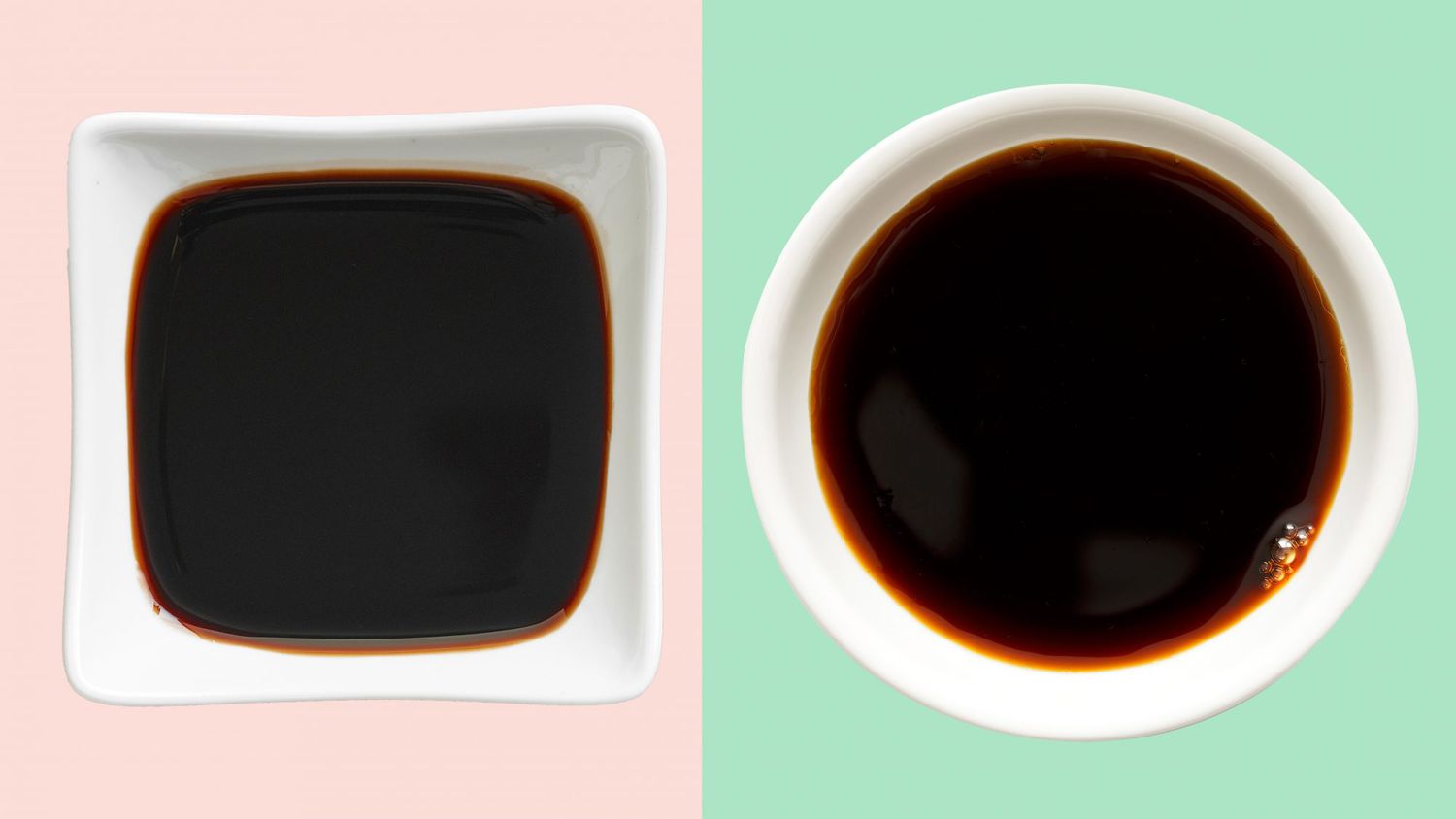
Open a bottle of tamari and a bottle of soy sauce side by side, and you may feel like you have accidentally bought the same condiment wearing two different outfits. Both are dark, salty, savory, and excellent at rescuing a bland bowl of rice from emotional collapse. But while tamari and soy sauce are close relatives, they are not identical twins.
Tamari is a Japanese-style fermented soybean sauce known for its deep umami flavor, darker color, and smoother, less sharp taste. Soy sauce, especially the regular kind most Americans keep in the refrigerator door, is typically brewed from soybeans, wheat, salt, and water. That wheat is one of the biggest differences between the twoand the reason tamari often becomes the hero bottle for gluten-free cooking.
So, what is tamari exactly? Is tamari gluten-free? Can you substitute tamari for soy sauce without making dinner taste like a science experiment? And which one should you use for sushi, stir-fries, marinades, noodles, roasted vegetables, and that suspiciously plain chicken breast staring at you from the cutting board?
Let’s pour out the factscarefully, because both bottles are salty little flavor grenades.
What Is Tamari?
Tamari is a type of Japanese soy sauce made primarily from fermented soybeans. Traditionally, it developed as a liquid byproduct of miso production. As soybeans fermented into miso paste, the rich, dark liquid that gathered around it was collected and used as a seasoning. That liquid became what we now recognize as tamari.
Modern tamari is usually brewed intentionally rather than simply collected from miso. Still, its identity remains tied to soybeans, fermentation, and concentrated umami. Compared with standard soy sauce, tamari generally contains little to no wheat, depending on the brand. Many tamari products sold in the United States are labeled gluten-free, but shoppers with celiac disease or gluten sensitivity should always check the label rather than trusting the bottle on vibes alone.
Flavor-wise, tamari is bold but smooth. It is savory, slightly earthy, and rounded, with less of the sharp salty bite that regular soy sauce can have. It is also usually darker and a bit thicker, which helps it cling beautifully to roasted mushrooms, grilled tofu, noodles, dumplings, and glazes.
What Is Soy Sauce?
Soy sauce is a fermented condiment traditionally made from soybeans, wheat, salt, and water. It has deep roots in Asian cooking and exists in many regional styles, including Chinese light soy sauce, Chinese dark soy sauce, Japanese shoyu, Korean ganjang, Indonesian kecap manis, and more. In the average American supermarket, “regular soy sauce” usually refers to a Japanese-style or all-purpose soy sauce made with both soybeans and wheat.
Because wheat is part of the traditional brewing process for many soy sauces, regular soy sauce is generally not gluten-free. It also tends to be thinner than tamari, lighter in body, and sharper in saltiness. That sharpness is not a flaw. In the right dish, soy sauce behaves like a tiny orchestra conductor, bringing sweetness, savoriness, salt, and aroma into balance.
Soy sauce is incredibly versatile. It works in stir-fries, fried rice, soups, marinades, dipping sauces, salad dressings, braises, barbecue sauces, and even unexpected places like caramel, chocolate desserts, and popcorn seasoning. Yes, soy sauce in dessert sounds suspicious until you remember that salt makes sweet things taste sweeter. Food is sneaky like that.
Tamari vs. Soy Sauce: The Main Differences
1. Ingredients
The most important difference between tamari and soy sauce is the grain content. Tamari is typically made with mostly or entirely soybeans. Regular soy sauce is commonly brewed with soybeans and wheat.
This difference changes the flavor, texture, and dietary use of each sauce. The higher soybean content in tamari helps create a richer, rounder taste. Wheat in soy sauce contributes aroma, mild sweetness, and a brighter, sharper profile.
2. Gluten Content
Tamari is often gluten-free, but “often” is not the same as “always.” Some tamari products may contain small amounts of wheat, and some may be produced in facilities where cross-contact is possible. If you need a gluten-free option, look specifically for a certified gluten-free tamari or a product clearly labeled gluten-free.
Regular soy sauce usually contains wheat, so it is not the best choice for people avoiding gluten. For gluten-free cooking, tamari is usually the better pick, provided the label confirms it.
3. Flavor
Tamari tastes deeper, smoother, and more full-bodied. It brings a mellow umami flavor that feels rich without screaming “salt!” across the kitchen.
Soy sauce is saltier, brighter, and sometimes slightly sharper. It cuts through rich foods well and adds quick savory balance to stir-fries, soups, and marinades.
Think of tamari as the bass guitar: deep, warm, and steady. Soy sauce is more like a trumpet: bright, punchy, and impossible to ignore when it walks into the room.
4. Texture and Color
Tamari is usually darker and slightly thicker than regular soy sauce. That extra body makes it especially useful in dipping sauces, glazes, and finishing drizzles. It coats food nicely and gives dishes a glossy, appetizing look.
Soy sauce is typically thinner and lighter in texture. It blends quickly into soups, sauces, and stir-fries, which makes it convenient when you want seasoning without extra body.
5. Culinary Uses
Tamari shines when its flavor is front and center. Use it for sushi dipping, dumpling sauce, cold noodle dressing, roasted vegetables, tofu glaze, salmon marinade, mushroom sautés, and gluten-free recipes.
Soy sauce is fantastic in high-heat cooking, especially stir-fries, fried rice, noodle dishes, soups, and marinades where it mingles with garlic, ginger, sesame oil, scallions, vinegar, sugar, or chili paste.
Is Tamari Healthier Than Soy Sauce?
Tamari is not magically “healthy soy sauce,” although the internet sometimes acts like every gluten-free product graduated from a wellness retreat. Tamari and soy sauce are both sodium-rich condiments, which means a little goes a long way. If you are watching sodium, choose reduced-sodium versions and measure instead of free-pouring like a dramatic cooking show host.
The biggest health-related advantage of tamari is that many versions are gluten-free. That matters for people with celiac disease, gluten intolerance, or households cooking for guests who avoid gluten. Tamari may also have a slightly richer flavor, so some cooks find they can use a bit less while still getting plenty of savory depth.
However, both sauces contain soy, so tamari is not suitable for people with soy allergies. If you need both soy-free and gluten-free options, coconut aminos may be worth considering, though it tastes sweeter and milder than either tamari or soy sauce.
Can You Substitute Tamari for Soy Sauce?
Yes, in most recipes, you can substitute tamari for soy sauce using a 1:1 ratio. If a recipe calls for one tablespoon of soy sauce, one tablespoon of tamari will usually work.
The result may taste slightly richer, darker, and less sharp. In many dishes, that is a delicious upgrade. Tamari is especially good in recipes where the sauce is tasted directly, such as dipping sauces, salad dressings, sushi, poke bowls, and noodle sauces.
You can also substitute soy sauce for tamari, but use a little caution. Since soy sauce may taste saltier and sharper, start with slightly less if the recipe depends on tamari’s smoother flavor. You can always add more. You cannot easily remove it, unless you own a tiny kitchen time machine, which sadly remains unavailable in most grocery stores.
Best Uses for Tamari
Dipping Sauces
Tamari’s smooth flavor makes it excellent for dipping. Mix it with rice vinegar, grated ginger, sesame oil, and a touch of honey or maple syrup for a quick dumpling or sushi sauce.
Glazes
Because tamari is darker and slightly thicker, it works beautifully in glazes. Combine it with brown sugar, garlic, and a splash of citrus for salmon, chicken, tofu, or roasted eggplant.
Roasted Vegetables
A small drizzle of tamari can make roasted mushrooms, broccoli, Brussels sprouts, carrots, or sweet potatoes taste restaurant-level. Toss vegetables with oil first, roast until browned, then finish with tamari so the flavor stays bold.
Gluten-Free Cooking
Tamari is one of the easiest swaps for gluten-free versions of fried rice, stir-fry sauce, noodle bowls, marinades, and salad dressings. Just remember: label first, confidence second.
Best Uses for Soy Sauce
Stir-Fries
Soy sauce is quick, salty, and aromatic, making it perfect for stir-fries. Add it near the end of cooking so it seasons the dish without burning onto the pan.
Fried Rice
A splash of soy sauce gives fried rice its familiar savory color and flavor. For best results, add it around the edges of the hot pan so it sizzles briefly before mixing into the rice.
Soups and Broths
Soy sauce adds depth to broths, ramen, vegetable soup, beef stew, and even gravy. It does not have to make a dish taste “Asian”; used lightly, it simply makes food taste more complete.
Marinades
Soy sauce brings salt and umami to marinades for beef, chicken, pork, tofu, mushrooms, and seafood. Pair it with acid, oil, aromatics, and a little sweetness for balance.
How to Choose a Good Bottle
When shopping for tamari or soy sauce, read the ingredient list. A traditionally brewed soy sauce usually includes simple ingredients like water, soybeans, wheat, salt, and sometimes alcohol as a preservative. Tamari should list soybeans and may include salt, water, alcohol, or other fermentation-related ingredients.
Avoid bottles with unnecessary artificial colors or vague flavor enhancers if you want a cleaner, more traditional taste. That does not mean every affordable bottle is bad. It simply means the label can tell you whether you are buying a brewed condiment or a shortcut version designed to taste similar.
If gluten matters, do not rely on the word “tamari” alone. Choose a bottle that clearly says gluten-free. If sodium matters, compare nutrition labels and look for reduced-sodium tamari or low-sodium soy sauce.
How to Store Tamari and Soy Sauce
Unopened bottles of tamari and soy sauce can usually be stored in a cool, dark pantry. Once opened, many brands recommend refrigeration to preserve the best flavor, especially for tamari and naturally brewed sauces. While the high salt content helps these condiments last a long time, heat and light can dull their aroma.
In practical terms, if you use soy sauce every week, keeping it in a cabinet may be fine. If you use tamari only occasionally, refrigerating it after opening is a smart move. Your future noodle bowl will thank you politely.
Quick Comparison: Tamari vs. Soy Sauce
| Feature | Tamari | Soy Sauce |
|---|---|---|
| Main ingredients | Mostly or entirely soybeans | Soybeans, wheat, salt, and water |
| Gluten-free? | Often, but check the label | Usually no, because it often contains wheat |
| Flavor | Rich, smooth, deep, mellow | Salty, bright, sharp, savory |
| Texture | Slightly thicker | Thinner |
| Best for | Dipping, glazes, gluten-free recipes, finishing sauces | Stir-fries, fried rice, soups, marinades |
Common Mistakes to Avoid
Assuming All Tamari Is Gluten-Free
This is the big one. Tamari is usually made with little to no wheat, but not every bottle is certified gluten-free. If gluten is a medical concern, read the label carefully.
Using Too Much
Both tamari and soy sauce are concentrated. Start small, taste, and adjust. A dish can go from “perfectly seasoned” to “I accidentally cooked the ocean” very quickly.
Thinking One Is Always Better
Tamari is not automatically superior to soy sauce. Soy sauce is not automatically more authentic. They are different tools. A hammer is not better than a screwdriver unless you are dealing with a nail.
Ignoring the Recipe Style
If you are making a Chinese-style stir-fry, regular soy sauce may give the classic flavor you expect. If you are making a gluten-free dipping sauce or a mellow glaze, tamari may be the smarter choice.
Experience-Based Tips: What Cooking With Tamari Actually Feels Like
The first time many home cooks try tamari, they expect a dramatic revelation, like the kitchen lights will dim and a tiny fermentation choir will appear. In reality, the difference is subtlerbut once you notice it, you start reaching for tamari in specific situations.
In dipping sauces, tamari feels smoother. When paired with sushi, dumplings, or rice paper rolls, it gives salty depth without overpowering the food immediately. Regular soy sauce can sometimes rush in first with salt, while tamari arrives more calmly, wearing sensible shoes and carrying umami in both hands.
For roasted vegetables, tamari is especially useful. Mushrooms are the obvious example because they already have a savory personality. Toss roasted mushrooms with a teaspoon or two of tamari, a little butter or olive oil, and black pepper, and they suddenly taste like they came from a steakhouse side dish menu. Brussels sprouts also respond well. Add tamari near the end with a touch of maple syrup or honey, and you get a salty-sweet glaze that clings to the crispy leaves.
Tamari also performs beautifully with tofu. Press the tofu, cube it, and marinate it with tamari, garlic, ginger, sesame oil, and a splash of rice vinegar. After baking or pan-searing, the tofu develops a deep brown surface and a savory flavor that does not taste flat. This is where tamari’s thicker body helps. It coats the tofu instead of sliding off like it has somewhere more important to be.
In salad dressings, tamari can be a quiet genius. A simple dressing made with tamari, lime juice, neutral oil, grated garlic, and a little brown sugar can turn cabbage, carrots, cucumbers, and herbs into a crunchy slaw that tastes intentional rather than like “vegetables happened.” Because tamari has a rounded flavor, it blends well with citrus and vinegar without becoming harsh.
That said, regular soy sauce still deserves space in the kitchen. For fried rice, soy sauce often gives the familiar flavor many people expect. Its thinner texture spreads quickly through cold leftover rice, and its sharper saltiness wakes up eggs, peas, scallions, and bits of chicken or shrimp. Tamari can work in fried rice too, but it may make the dish darker and slightly heavier in flavor.
For quick weeknight cooking, the easiest rule is this: use tamari when the sauce will be tasted clearly, and use soy sauce when the sauce will blend into a busy dish. Tamari is great for dipping, finishing, glazing, and gluten-free meals. Soy sauce is great for stir-frying, seasoning broths, and building classic savory flavor fast.
Another practical tip is to keep both, if your budget and pantry space allow. A regular bottle of soy sauce and a gluten-free tamari can cover a huge range of recipes. When guests come over, tamari also makes gluten-free cooking easier without forcing you to create a separate “special” sauce. Nobody wants to be the person at dinner asking whether the marinade contains wheat while everyone else is already chewing.
Finally, taste your brands. Tamari and soy sauce vary more than people expect. Some are saltier, some are sweeter, some are smoky, and some taste flat. Put a few drops on a spoon, try them plain, and compare. It is the fastest way to understand why one bottle belongs in your dipping sauce and another belongs in a sizzling pan of noodles.
Conclusion
Tamari and soy sauce may look similar, but they bring different strengths to the table. Tamari is typically darker, smoother, richer, and often gluten-free, making it ideal for dipping sauces, glazes, roasted vegetables, tofu, sushi, and gluten-free cooking. Soy sauce is usually thinner, saltier, sharper, and made with wheat, which makes it excellent for stir-fries, fried rice, soups, marinades, and everyday seasoning.
The best choice depends on your recipe, dietary needs, and flavor preference. If you want mellow depth, choose tamari. If you want bright, classic saltiness, choose soy sauce. If you want the most flexible kitchen setup, keep both bottles nearby and let dinner decide.