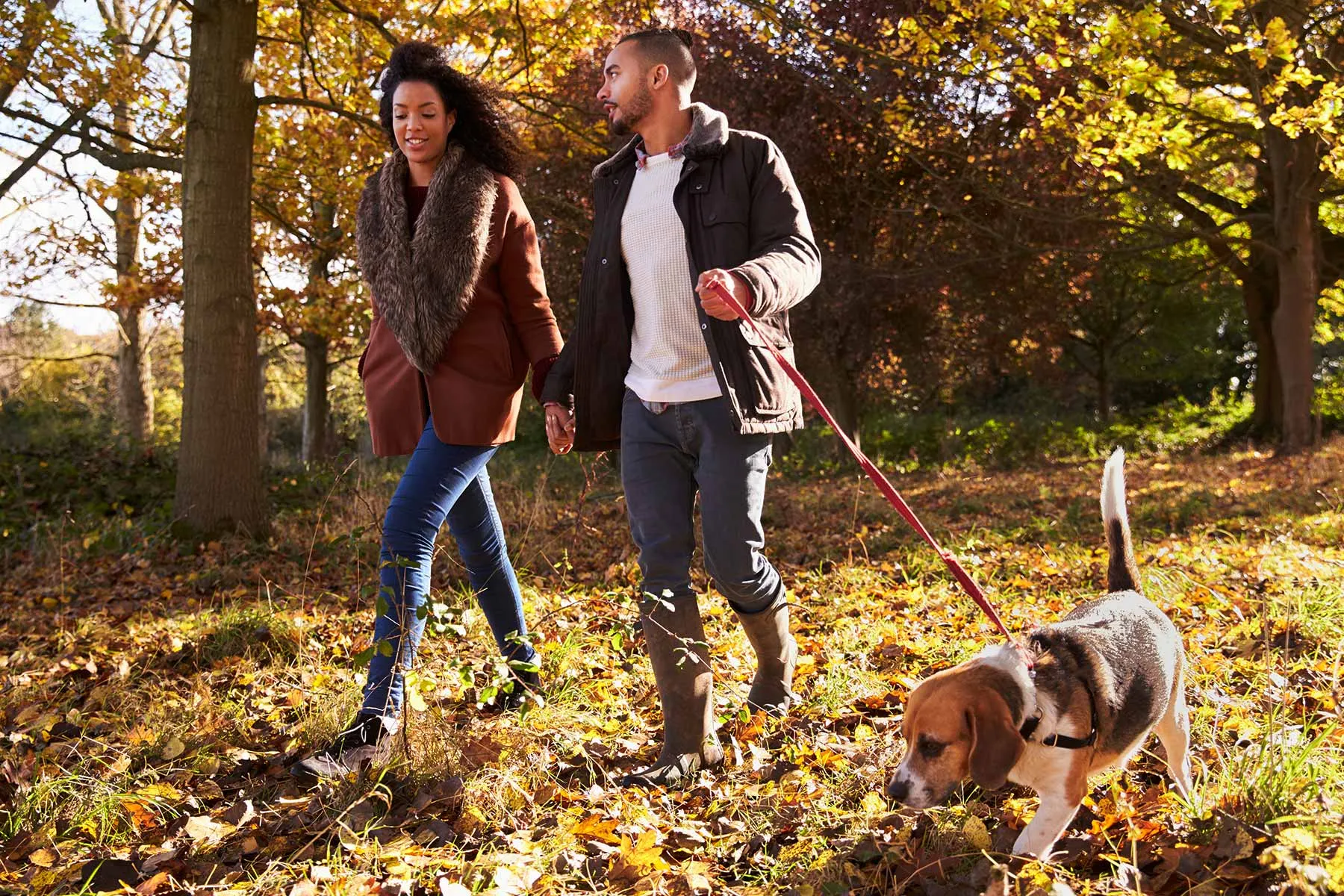
Exercise is already one of the best “medicines” humans have, and thankfully it does not require a prescription, a tiny bottle, or a warning label that says, “May cause sudden urges to buy neon running shoes.” But research increasingly suggests that where you move matters, too. A brisk walk on a wooded trail, a bike ride through a park, yoga on the grass, or strength training under a shady tree may offer benefits that go beyond the same workout done indoors.
This idea is often called green exercise, meaning physical activity performed in natural environments such as parks, forests, gardens, trails, beaches, lakesides, and other outdoor spaces. The magic is not that trees secretly count your reps. It is the combination of movement, fresh air, daylight, natural scenery, sensory calm, and the gentle unpredictability of the outdoors. Together, these elements may support heart health, mood, focus, stress relief, sleep, and long-term motivation.
That does not mean gyms are bad. A treadmill is useful, especially when the weather is behaving like a dramatic reality-show contestant. But when conditions are safe and accessible, taking your workout outside can turn ordinary movement into a full-body, full-brain wellness upgrade.
What Is Green Exercise?
Green exercise is any physical activity done in the presence of nature. It can be as simple as walking around a neighborhood with trees, stretching in a backyard, hiking a local trail, kayaking, gardening, jogging by a river, or doing bodyweight squats in a park while pretending nobody saw that one wobbly lunge.
The “green” part does not have to mean untouched wilderness. Urban parks, tree-lined streets, community gardens, school tracks with open sky, waterfront paths, and small patches of grass can all count. For many people, the most realistic nature workout is not a mountain adventure. It is a 20-minute walk before work, a weekend park loop, or a few sun salutations on a porch.
Why Exercise Feels Different Outdoors
Indoor workouts are controlled: flat floors, fixed temperatures, predictable machines, and lighting that may or may not make everyone look slightly like a tired potato. Outdoor workouts are more dynamic. The ground changes. The air moves. The light shifts. Birds interrupt your playlist. A hill appears without asking permission.
Those little changes matter. Uneven trails and natural surfaces challenge balance, coordination, and stabilizing muscles. Wind resistance can make walking, running, or cycling slightly harder. Hills increase cardiovascular demand. Even a simple park walk may engage the body differently than marching on a treadmill at the same speed.
Mentally, nature can make exercise feel less like a task and more like an experience. Instead of staring at a timer, you notice sunlight through leaves, the rhythm of your breath, or the highly confident squirrel making questionable life choices near a trash can. This kind of gentle distraction can make movement feel easier and more enjoyable, which is crucial because the best workout is the one you actually repeat.
The Mental Health Boost: Less Stress, More Calm
One of the strongest reasons to take exercise outside is the effect nature may have on stress. Physical activity itself helps reduce tension, improve mood, and support emotional balance. Nature adds another layer by giving the nervous system a calmer setting.
Natural environments often provide what researchers call “soft fascination.” In plain English, that means nature captures attention without exhausting it. Watching clouds move, hearing water flow, or noticing leaves in the wind gives the mind something pleasant to rest on. This is very different from scrolling through emails, dodging traffic noise, or trying to remember whether you replied “Thanks!” or accidentally “Thansk!” to your boss.
Outdoor movement may help lower perceived stress, reduce anxiety, and improve mood. A walk in a park after a long day can feel like someone turned down the mental volume knob. The problems may still exist, but your brain is no longer standing in the middle of them holding a megaphone.
Nature May Help Your Brain Focus Better
Modern life demands constant attention. Notifications, meetings, traffic, messages, bills, screens, and the mysterious urge to check the refrigerator every 14 minutes can leave the brain depleted. Spending time in nature may help restore attention and mental clarity.
Walking outdoors gives the brain a break from high-pressure focus while still keeping the body active. This can support problem-solving, creativity, and concentration. That is one reason many people find that their best ideas show up during a walk rather than while staring intensely at a blank document. The document did nothing wrong. It just has terrible scenery.
For students, remote workers, parents, caregivers, and anyone whose brain feels like a browser with 47 open tabs, outdoor exercise can become a practical reset. Even a short lunchtime walk through a tree-lined area may help you return to work feeling clearer and less mentally tangled.
Heart Health Still Gets the Spotlight
The core benefits of exercise remain the same whether you are indoors or outdoors. Regular physical activity supports cardiovascular fitness, blood pressure control, blood sugar regulation, weight management, circulation, sleep, and overall longevity. Adults are generally encouraged to aim for at least 150 minutes of moderate-intensity aerobic activity each week, plus muscle-strengthening activities on two or more days.
Nature can make those minutes easier to collect. A 30-minute walk in a park five days a week can meet the aerobic activity target. Add two sessions of resistance bands, bodyweight exercises, or hill walking, and you have a balanced routine without needing a complicated fitness spreadsheet titled “Operation Abs Before August.”
Outdoor settings may also encourage longer or more frequent movement. A scenic loop often feels more inviting than a wall-facing treadmill. Trails with gentle inclines can naturally increase intensity. Walking with a friend in a park can turn exercise into social time, which makes consistency easier.
Sunlight, Sleep, and the Body Clock
Daylight exposure is another reason outdoor exercise can be especially helpful. Morning or daytime light supports the body’s circadian rhythm, the internal clock that influences sleep, alertness, hormones, and energy. Getting outside for movement may help signal to your body, “Yes, it is daytime. Please stop acting like a sleepy raccoon.”
Better circadian alignment can support more regular sleep patterns. And when sleep improves, exercise often feels easier. It becomes a positive loop: move outside, sleep better, wake with more energy, move again. This is far more productive than the negative loop of staying up too late, feeling tired, skipping movement, and then blaming the couch for being too persuasive.
Sunlight also helps the body produce vitamin D, though the amount varies based on season, skin tone, location, time outdoors, clothing, sunscreen use, and other factors. Outdoor exercise should still be paired with smart sun protection. Nature is wonderful, but sunburn is not a wellness plan.
Outdoor Exercise Can Improve Motivation
Many people do not struggle with exercise because they lack discipline. They struggle because the routine feels boring, inconvenient, intimidating, or disconnected from pleasure. Nature can help solve that problem.
Outdoor movement offers variety. No two walks are exactly the same. Weather, light, sounds, plants, people, and routes change. That variety can reduce boredom and help you look forward to exercising. A park walk may feel less like “I have to burn calories” and more like “I get to clear my head.” That mindset shift is powerful.
Nature also lowers the emotional barrier for beginners. You do not need to enter a crowded fitness room or understand how to adjust a machine that looks like it was invented by a medieval engineer. You can start with walking, stretching, gentle cycling, gardening, or light hiking. The outdoors is not judging your pace. The trees have seen everything.
Best Outdoor Exercises for Green Fitness
Walking
Walking is the champion of accessible outdoor exercise. It requires no membership, no special skill, and no dramatic motivational speech. A brisk walk can support heart health, improve mood, reduce stress, and build endurance. To increase intensity, choose routes with hills, walk faster for short intervals, or carry light items such as a backpack with water.
Hiking
Hiking adds terrain, elevation, and adventure. It challenges muscles in the legs, hips, and core while improving balance and stamina. Beginners should start with short, well-marked trails and wear supportive shoes. Bonus points if you bring snacks, because hiking without snacks is just a meeting with rocks.
Outdoor Strength Training
Parks are excellent places for bodyweight workouts. Squats, lunges, push-ups against a bench, step-ups, planks, and resistance-band rows can build strength without a gym. Keep movements controlled, choose safe surfaces, and avoid using unstable objects that were never meant to be fitness equipment.
Cycling
Biking outdoors can improve cardiovascular fitness and leg strength while letting you cover more distance than walking. Use a helmet, follow local traffic rules, and choose routes that match your confidence level. A peaceful bike path is very different from a busy road where every car seems to be auditioning for an action movie.
Yoga or Mobility Work
Outdoor yoga, tai chi, and mobility routines combine movement with breath and sensory awareness. A quiet park, garden, beach, or backyard can make stretching feel more restorative. Use a mat or towel, avoid slippery ground, and do not worry if your “tree pose” is less majestic oak and more confused noodle.
Gardening
Gardening counts as physical activity when it involves digging, planting, weeding, carrying, squatting, and bending. It also adds a sense of purpose. You are not just exercising; you are negotiating with tomatoes, battling weeds, and pretending you know exactly why the basil looks offended.
Green Space, Blue Space, and Everyday Nature
Nature exercise is not limited to forests. Green spaces include parks, lawns, gardens, wooded trails, and tree-lined streets. Blue spaces include oceans, lakes, rivers, ponds, and fountains. Many people find water especially calming because of its movement, sound, and reflective quality.
If you live in a city, look for “micro-nature.” A small park, rooftop garden, community trail, school field, cemetery path, botanical garden, or even a shaded street can provide a dose of outdoor movement. The goal is not perfection. The goal is to move your body somewhere that gives your mind a little breathing room.
How Much Nature Exercise Do You Need?
There is no single magic number for everyone. However, a useful starting goal is to combine standard physical activity recommendations with regular outdoor time. For example, aim for 150 minutes of moderate activity per week and try to do some of it outside. That might look like three 30-minute park walks, one weekend hike, and two short outdoor strength sessions.
If that feels like too much, begin smaller. Five to ten minutes outdoors still counts. Walk around the block. Stretch on the porch. Take a phone call outside while pacing. Park farther from the store and choose the route with trees. Tiny habits are not tiny if they help you become consistent.
Safety Tips Before You Take Your Workout Outside
Outdoor exercise is healthy, but it is not risk-free. Weather, heat, cold, air quality, uneven ground, insects, traffic, and limited lighting can all matter. Check conditions before heading out. In hot weather, exercise early or late, drink water, wear breathable clothing, and reduce intensity. In cold weather, dress in layers and protect hands, ears, and feet.
Use sunscreen, sunglasses, and a hat when needed. Wear reflective gear if you are moving near roads or in low light. Tell someone your route if you are hiking alone. Choose safe, well-maintained places, especially if you are new to outdoor workouts. People with chronic conditions, pregnancy, recent injuries, or major health concerns should ask a healthcare professional what type and intensity of exercise is appropriate.
Also, listen to your body. Mild effort is normal. Chest pain, severe shortness of breath, dizziness, faintness, or unusual symptoms are not invitations to “push through.” They are signs to stop and seek medical advice.
How to Build a Simple Outdoor Exercise Routine
Start with your current life, not your fantasy life where you wake at 5 a.m. glowing with discipline and somehow already own matching athletic wear. Choose realistic outdoor sessions that fit your schedule.
A Beginner-Friendly Weekly Plan
Try three 20-minute walks during the week, one longer nature walk or hike on the weekend, and two short strength sessions outdoors or at home. A strength session can include squats, wall or bench push-ups, step-ups, glute bridges, planks, and resistance-band rows. Keep the first few weeks easy enough that you finish thinking, “I could do that again.” That feeling is the secret sauce.
A Moderate Plan for Active People
If you already exercise, move one or two workouts outdoors. Swap a treadmill run for a trail run, an indoor cycling session for a bike path, or a gym warm-up for a park walk. Add hills, intervals, or stairs for intensity. Keep strength training in your routine, whether indoors or outdoors, because muscles are the body’s long-term support crew.
Why Nature Makes Exercise Feel More Human
One overlooked benefit of outdoor exercise is that it reconnects movement with ordinary life. For much of human history, movement happened outdoors: walking, carrying, climbing, digging, gathering, building, playing, traveling. Modern fitness sometimes turns movement into a scheduled event inside a building full of mirrors. That can work, but it can also make exercise feel separate from living.
Nature changes the mood. A walk becomes exploration. A hill becomes a challenge. A park bench becomes a step-up station. A garden becomes a strength-and-mobility workout with flowers. Outdoor exercise reminds us that fitness is not only about numbers on a watch. It is also about energy, confidence, resilience, and feeling at home in your own body.
Real-Life Experiences: What Outdoor Exercise Feels Like
Anyone who has moved a workout outside knows the experience can feel surprisingly different. Imagine two versions of the same 30-minute walk. In the first, you are indoors on a treadmill, staring at a screen, counting minutes like a person waiting for pasta to boil. In the second, you are walking through a park. The path curves. A dog trots by wearing a sweater with more confidence than most adults. The air smells like grass. Your shoulders drop without asking permission. By the time you check the clock, 25 minutes have passed.
That is the practical power of nature exercise. It can make time feel less heavy. People often report that outdoor workouts feel more refreshing, even when the physical effort is similar. The scenery gives the mind something pleasant to do while the body works. Instead of focusing only on sweat, distance, or calories, you notice the world around you. That sensory engagement can make exercise feel less like punishment and more like a reward.
For beginners, this matters enormously. Many people carry old baggage around exercise: school gym class embarrassment, failed workout plans, confusing fitness advice, or the belief that “real exercise” must be intense and miserable. Outdoor movement offers a gentler doorway. A person who feels intimidated by a gym may feel comfortable walking in a neighborhood park. Someone recovering from burnout may not want a high-intensity class but might enjoy slow hiking, birdwatching walks, or gardening. The body still benefits, and the mind does not feel bullied into participating.
Outdoor exercise can also become a family or social ritual. A couple might replace one coffee date with a Saturday trail walk. Friends can meet for a park loop instead of sitting indoors. Parents can turn playground time into movement by walking laps, doing step-ups, or stretching nearby. Older adults may use greenways or community gardens as low-pressure ways to stay active and connected. The social side matters because connection is one of the strongest motivators for long-term habits.
There is also something emotionally satisfying about watching progress outdoors. The hill that once felt impossible becomes manageable. The trail loop that used to require three breaks becomes a warm-up. The garden bed that took all afternoon to weed becomes easier with stronger legs and better stamina. Progress is not just a number on a machine; it is visible in the places you move through.
Even bad-weather experiences can become memorable when handled safely. A cool misty walk can feel peaceful. A winter hike can be quiet and bright. A breezy bike ride can feel playful. Of course, nobody needs to prove toughness by exercising in dangerous heat, storms, icy conditions, or poor air quality. Nature is beneficial, not a dare. The goal is to build a relationship with outdoor movement that is flexible, enjoyable, and safe.
One of the best experiences related to green exercise is the post-walk reset. You leave the house irritated, foggy, or restless. You return with the same responsibilities, but a different nervous system. Your inbox is still there. The laundry has not folded itself, because apparently science has limits. But you feel more capable. That shift may be the reason outdoor exercise has such staying power: it improves not only fitness but also the way the day feels.
For many people, the most sustainable routine is not the most extreme one. It is the one that feels good enough to repeat. Nature helps because it gives exercise texture, beauty, variety, and relief. A park path, a river trail, a backyard, or a quiet street can become more than a place to burn calories. It can become a place to think, breathe, recover, strengthen, and remember that being healthy does not have to be joyless.
Conclusion: Take the Workout Outside When You Can
Exercise is powerful anywhere, but nature may make it even better. Outdoor physical activity combines the proven benefits of movement with the restorative effects of green space, daylight, fresh air, natural sounds, and changing terrain. Research suggests this combination may support mood, stress relief, focus, cardiovascular health, sleep, motivation, and overall well-being.
You do not need a national park, expensive gear, or a dramatic sunrise montage. Start with what is nearby. Walk under trees. Stretch outside. Visit a local trail. Garden. Bike by water. Do squats in the backyard. Let nature turn exercise from another chore into something your body and brain actually look forward to.
The best workout is not always the hardest one. Sometimes it is the one with fresh air, birdsong, a little sunshine, and a squirrel who appears to be judging your form.