Once upon a time, parents were told to keep peanuts far, far away from babies, as if peanut butter were a tiny jar of trouble wearing a cape. Today, pediatric allergy science has turned that old advice upside down. Research now shows that introducing peanut foods early, in baby-safe forms, may help lower the risk of peanut allergyespecially when peanut stays in the diet regularly after the first successful taste.
That does not mean handing a baby a spoonful of sticky peanut butter and hoping for the best. Please do not do that. Babies are adorable, but they are not professional sandwich engineers. The real goal is early peanut exposure using soft, smooth, thinned, dissolvable, age-appropriate foods that match a baby’s developmental stage.
This guide explains why early peanut introduction matters, which babies need medical advice first, what “expert-approved baby snacks” actually means, and how parents can make peanut-containing foods safer, simpler, and less stressful.
Why Early Peanut Exposure Matters
The big idea behind early peanut exposure is called oral tolerance. In plain English, the immune system may learn that peanut protein is food, not a five-alarm emergency, when it meets peanut through the digestive tract during the right developmental window.
The best-known research in this area is the LEAP study, short for Learning Early About Peanut Allergy. In that study, high-risk infants who regularly ate peanut-containing foods from infancy were much less likely to develop peanut allergy than children who avoided peanut. Later follow-up research found that the protective effect could last into adolescence, which is a very big deal in the food allergy world.
Current expert guidance generally supports introducing peanut-containing foods during infancy once a baby is ready for solids. For many babies, that means around 6 months. For babies at higher risk, such as those with severe eczema or an egg allergy, the conversation may start earlieroften around 4 to 6 monthsbut with medical guidance first.
Before the First Peanut Snack: Know Your Baby’s Risk Level
Not every baby needs the same plan. Peanut introduction is not a one-size-fits-all baby bib.
High-risk babies
Babies with severe eczema, egg allergy, or both are considered at higher risk for peanut allergy. Parents should talk with the baby’s pediatrician or an allergist before introducing peanut. A clinician may recommend allergy testing or supervised feeding, depending on the baby’s history.
Babies with mild to moderate eczema
Babies with mild or moderate eczema may often introduce peanut-containing foods around 6 months, depending on their readiness for solids and the pediatrician’s advice. The goal is not to turn snack time into a medical drama; it is to use a safe, informed approach.
Babies without eczema or known food allergy
For babies without eczema or known food allergy, peanut can usually be introduced in an age-appropriate form after other solid foods are tolerated. Think of it as joining the solid-food lineup alongside fruits, vegetables, grains, yogurt, egg, and other common foodsnot as a mysterious boss level.
What Makes a Baby Peanut Snack “Expert-Approved”?
An expert-approved peanut snack for babies is not just “contains peanuts.” It should meet four basic standards:
- It is not a choking hazard. No whole peanuts, chopped peanuts, thick globs of peanut butter, or sticky spoonfuls.
- It has a baby-safe texture. Smooth, thinned, blended, or dissolvable is the name of the game.
- It fits the baby’s eating skills. A baby just starting purees needs a different texture than a confident self-feeder.
- It is simple. Low added sugar, low sodium, and easy-to-read ingredients are best.
The goal is peanut protein delivered in a form that babies can manage. Translation: peanut, but make it tiny-human friendly.
Best Expert-Approved Peanut Baby Snacks
1. Thinned Smooth Peanut Butter
Smooth peanut butter can be a great first peanut food when it is thinned properly. Mix a small amount of smooth peanut butter with warm water, breast milk, formula, or fruit puree until it becomes loose and spoonable. It should slide off the spoon easily, not sit there like peanut cement.
A classic starter idea is to stir a little thinned peanut butter into applesauce, banana puree, oatmeal, or yogurt if dairy has already been introduced. Serve a tiny taste first, then gradually offer more if tolerated.
2. Peanut Powder Mixed Into Purees
Peanut powder is convenient because it blends smoothly into baby foods. Stir it into oatmeal, mashed avocado, sweet potato puree, yogurt, or fruit puree. This option is especially helpful for parents who want peanut flavor and protein without the stickiness of nut butter.
Choose plain peanut powder when possible. Skip products with lots of added sugar, salt, chocolate flavoring, or extra ingredients that make the label read like a chemistry club attendance sheet.
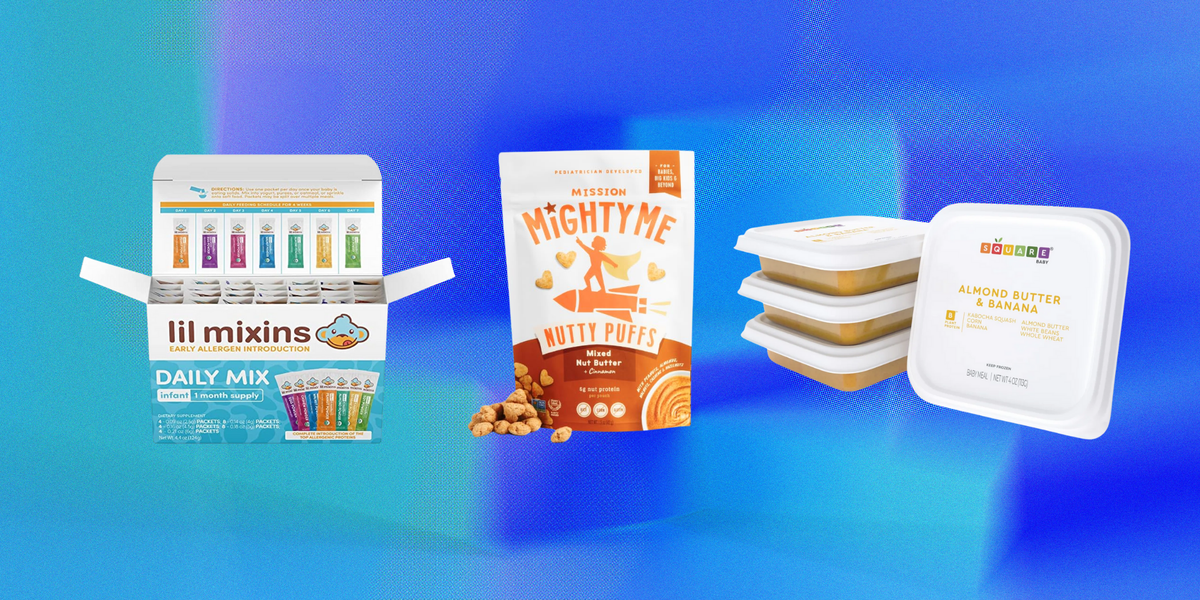
3. Softened Peanut Puffs
Peanut puffs are popular because they dissolve more easily than whole nuts. For younger babies, parents can soften puffs with water, breast milk, formula, or puree. For older babies who are already comfortable with finger foods, dissolvable peanut puffs may be offered according to the product’s age guidance.
Always watch closely during feeding. Even “melty” snacks should be served while the baby is seated upright and supervised. Snack time is not the moment to answer twelve emails and reorganize the spice drawer.
4. Banana Peanut Mash
Mashed banana and thinned peanut butter are a parent favorite for a reason: babies usually like the flavor, and the texture is easy to adjust. Mash ripe banana until smooth, then stir in a small amount of thinned peanut butter or peanut powder.
This snack is naturally sweet, quick to make, and easy to serve with a spoon. For older babies, it can be spread thinly on soft toast strips if the baby is developmentally ready for that texture.
5. Peanut Oatmeal
Baby oatmeal is a perfect peanut delivery vehicle. Prepare the oatmeal to a soft, loose texture, then stir in peanut powder or thinned peanut butter. Add mashed pear, banana, or applesauce for flavor.
This works well because oatmeal is familiar, filling, and easy to batch into a weekly breakfast routine. Once peanut has been introduced and tolerated, regular exposure becomes easier when it is attached to a meal parents already serve.
6. Sweet Potato Peanut Puree
Sweet potato and peanut may sound like a tiny gourmet experiment, but it works. The sweetness of the potato balances peanut’s roasted flavor, and the puree can be thinned to the right consistency.
Blend cooked sweet potato with water, breast milk, formula, or plain yogurt, then add a small amount of peanut powder or thinned smooth peanut butter. The result is creamy, mild, and baby-friendly.
7. Peanut Yogurt Swirl
If plain yogurt has already been introduced and tolerated, peanut yogurt can be a smart snack. Stir peanut powder or thinned peanut butter into plain whole-milk yogurt. Add mashed fruit if desired.
Use plain yogurt rather than dessert-style yogurt with added sugar. Babies do not need their yogurt to taste like birthday cake with a spoon license.
8. Multi-Allergen Mix-Ins
Some commercial baby-food mix-ins are designed to introduce peanut along with other common allergens, such as egg, milk, tree nuts, sesame, soy, wheat, fish, or shellfish. These can be convenient for busy parents, but they should be used thoughtfully.
Read labels carefully, check age recommendations, and talk to a pediatrician if the baby has eczema, known food allergy, or a concerning reaction history. Multi-allergen products are helpful tools, not magic fairy dust.
Peanut Foods Babies Should Avoid
Early peanut introduction is about reducing allergy risk, not increasing choking risk. Avoid these foods for babies and young toddlers:
- Whole peanuts
- Chopped peanuts
- Crunchy peanut butter
- Thick spoonfuls or globs of peanut butter
- Hard peanut candies
- Granola with nut chunks
- Peanut snacks that do not dissolve easily
Whole nuts and thick nut butters can block a small airway. Peanut butter should be thinned or spread very thinly, and peanut powders should be mixed into soft foods.
How to Introduce Peanut for the First Time
Choose a day when the baby is healthy, calm, and not dealing with fever, vomiting, or a mystery rash that appeared right before breakfast because babies enjoy plot twists. Offer the first peanut food at home earlier in the day, not right before bedtime.
Start with a very small taste on the tip of a spoon. Wait about 10 minutes. If there are no symptoms, continue offering a small age-appropriate portion. Keep an eye on the baby for about two hours after the first feeding, because most food-allergy reactions appear fairly soon after eating.
After peanut is tolerated, keep it in the rotation. Many experts recommend regular peanut intake, often several times per week, because one heroic spoonful in April does not build a long-term habit by October.
Signs of an Allergic Reaction
Most babies do not react to peanut, but parents should know what to watch for. Possible symptoms include:
- Hives or raised red welts
- Swelling of the lips, face, tongue, or eyes
- Repeated vomiting
- Coughing, wheezing, or trouble breathing
- Sudden sleepiness, limpness, or unusual behavior
- Pale skin or signs of distress
Mild symptoms should be discussed with a healthcare professional. Breathing trouble, swelling of the tongue or throat, repeated vomiting with distress, or sudden severe symptoms require emergency care. When in doubt, treat it seriously.
How Often Should Babies Eat Peanut After Introduction?
Consistency matters. In peanut-allergy prevention studies and guidelines, regular peanut intake was part of the plan. Parents can ask their pediatrician about the right amount for their baby, especially if the baby is high risk.
In everyday family life, the simplest approach is to build peanut into normal meals two or three times a week after it has been introduced and tolerated. Try peanut oatmeal on Monday, banana peanut mash on Wednesday, and softened peanut puffs or peanut yogurt on Saturday. That is not a rigid prescription; it is a rhythm.
Label Reading for Peanut Baby Snacks
Food labels matter, especially when a family is managing allergies or introducing several allergens. In the United States, major allergens include foods such as milk, eggs, fish, crustacean shellfish, tree nuts, peanuts, wheat, soybeans, and sesame. Packaged foods that contain these allergens must identify them in plain language.
For peanut baby snacks, look for:
- Clear peanut ingredient labeling
- Age-appropriate texture guidance
- Low added sugar
- Low sodium
- No hard nut pieces
- Simple ingredient lists
Families with known allergies should also be careful with advisory statements such as “may contain” or “processed in a facility with.” Those statements can be confusing, so an allergist or pediatrician can help families decide what level of caution is appropriate.
Common Mistakes Parents Make
Waiting too long for no medical reason
Old advice told parents to delay peanut. Current evidence does not support routine delay for most babies. If a baby is ready for solids and does not have high-risk factors, waiting years is usually not necessary.
Trying peanut once and forgetting about it
Introduction is not the finish line. Regular exposure after tolerance is part of the prevention strategy. Peanut needs a recurring role, not a cameo appearance.
Using unsafe textures
Whole peanuts, chopped nuts, and sticky globs of peanut butter are not baby-safe. The right food in the wrong texture can still be dangerous.
Introducing peanut during chaos
Do not introduce peanut for the first time while rushing to daycare, driving, or hosting relatives who are debating how babies slept “back in their day.” Pick a calm moment when you can observe.
Real-Life Parent Experiences: What Early Peanut Introduction Looks Like at Home
In real homes, early peanut exposure rarely looks like a perfect parenting brochure. It usually looks like a parent holding a tiny spoon, reading the peanut-powder label three times, and whispering, “Okay, buddy, let’s not make this weird.” That is normal. Feeding babies new foods can feel exciting and nerve-racking at the same time.
Many parents say the easiest way to begin is with a familiar food. For example, a baby who already likes oatmeal may accept peanut powder stirred into breakfast without dramatic facial commentary. A banana-loving baby may happily eat banana peanut mash, while a baby with strong opinions may stare at the spoon as if it has personally betrayed them. Both reactions are part of the adventure.
One helpful experience-based tip is to introduce peanut earlier in the day. Parents often feel calmer when they are not watching for symptoms at 10:47 p.m. with one eye open and the baby monitor glowing like a tiny spaceship. Morning or lunchtime introduction gives families time to observe and call the pediatrician if they have questions.
Another practical lesson: texture is everything. A baby may reject thick peanut butter but enjoy the same peanut flavor when it is thinned into applesauce or yogurt. Parents should think of peanut as an ingredient, not a stand-alone spoon challenge. Smooth, loose, and blended usually wins.
Families also report that routine helps. Once peanut is tolerated, it becomes easier to keep serving it when it is connected to meals already happening. Peanut oatmeal every few breakfasts, peanut yogurt as an afternoon snack, or softened peanut puffs during supervised snack time can make regular exposure feel ordinary. That ordinary feeling is the goal. Peanut should become part of the baby’s normal food world, not a monthly science experiment with a bib.
Of course, some babies have eczema, suspected food reactions, or family histories that make parents understandably cautious. In those cases, the most reassuring experience is often a conversation with the pediatrician or allergist. A clear plan can turn “I am terrified to try this” into “I know what step comes next.” No parent earns extra points for white-knuckling through feeding decisions alone.
Early peanut exposure is not about being fearless. It is about being informed, prepared, and consistent. Parents do not need a gourmet baby menu or a pantry full of specialty products. They need safe textures, reasonable timing, medical guidance when risk is higher, and a plan they can repeat. In other words: less panic, more practical peanut.
Conclusion
Early peanut exposure has changed the way experts think about peanut allergy prevention. Instead of automatically delaying peanut, many pediatric and allergy specialists now encourage introducing peanut-containing foods during infancy, once a baby is ready for solids and in a safe form. For high-risk babies, especially those with severe eczema or egg allergy, parents should speak with a healthcare professional before starting.
The best peanut baby snacks are soft, smooth, thinned, blended, or dissolvable. Think peanut powder in oatmeal, thinned peanut butter in fruit puree, softened peanut puffs, peanut yogurt, or sweet potato peanut mash. Skip whole peanuts, chopped nuts, crunchy peanut butter, and sticky globs.
Most importantly, peanut introduction is not a one-time event. After a baby tolerates peanut, regular peanut-containing foods can help keep it familiar to the immune system. With the right timing, texture, and guidance, peanut snacks can move from “parenting panic button” to “normal breakfast ingredient.” That is a win for babies, parents, and the humble peanut.
Note: This article is for general educational purposes and does not replace advice from a pediatrician, allergist, or qualified healthcare professional. Parents should seek medical guidance before introducing peanut if a baby has severe eczema, egg allergy, previous food reactions, or other health concerns.