There is a certain magic in walking into a home and immediately knowing it belongs to a real person, not a furniture catalog that learned how to smile. A chipped ceramic bowl from a road trip. A vintage mirror with a frame that looks like it has heard excellent gossip. A handwoven throw that refuses to match anything perfectly and somehow becomes the most important thing in the room. That is the quiet power behind the one-of-a-kind home.
“Domestic Dispatches: The Allure of the One of a Kind” is more than a pretty phrase. It captures a broader shift in how Americans are thinking about interiors: less perfection, more personality; less showroom sameness, more story; less “Where did you buy that set?” and more “Wait, what is the story behind that piece?” In a world where algorithms can recommend a sofa before you finish typing “cozy living room,” truly unique home decor feels almost rebellious.
The rise of artisan home goods, vintage furniture, handmade decor, and collected interiors is not just a design trend. It is a cultural response to fast production, digital fatigue, and the very human desire to live among things that feel meaningful. The best homes today are not trying to win a matching contest. They are trying to feel alive.
Why One-of-a-Kind Home Decor Feels So Powerful
One-of-a-kind decor works because it gives a room emotional gravity. A mass-produced lamp can light a corner. A hand-thrown ceramic lamp can light a corner and start a conversation. That difference matters. In interior design, the objects we choose become little autobiographies. They tell guests where we have been, what we value, what makes us laugh, and whether we can be trusted around open shelving.
The modern home is under a lot of pressure. It is a workspace, sanctuary, dining room, storage unit, entertainment zone, and sometimes a laundry battlefield with throw pillows. Unique pieces help soften that pressure by making rooms feel less generic and more rooted. A vintage chair adds character. A handmade vase adds texture. A custom textile adds warmth. Together, they create a domestic environment that feels composed rather than copied.
The Human Touch Is the New Luxury
Luxury used to be easy to spot: polished finishes, expensive labels, and rooms so pristine you wondered whether anyone was allowed to sit down. Today, luxury is becoming more personal. It may be a locally made dining table, a restored antique dresser, a quilt inherited from family, or a painting purchased from an emerging artist. The value lies in scarcity, craftsmanship, and connection.
This is why the handmade object keeps returning to the center of design conversations. A handmade piece shows evidence of human decision-making. Slight irregularities in glaze, grain, stitch, or shape are not flaws; they are fingerprints. In an age of machine precision, imperfection can feel wonderfully honest.
The Collected Home: Beautiful, Personal, and Slightly Unruly
The collected home does not happen in one weekend. It develops over time, which is both its charm and its inconvenience. There is no “add to cart” button for a life well-lived, although the internet has bravely attempted to invent one.
A collected interior blends periods, materials, colors, and origins. It might pair a clean-lined modern sofa with a 1930s side table, a contemporary abstract print, and a brass candlestick discovered in a thrift shop. The result feels layered rather than staged. It says, “Someone lives here,” not “Someone panicked after watching three home makeover videos.”
Mixing Old and New Without Creating Chaos
The secret to mixing one-of-a-kind pieces is not randomness. It is rhythm. A room can contain vintage furniture, handmade ceramics, sculptural lighting, and family objects as long as something connects them. That connection may be color, material, scale, or mood. For example, a walnut antique cabinet can sit beautifully beside a modern cream sofa if the room repeats warm wood tones elsewhere. A bright folk-art painting can work in a neutral room if smaller accessories echo one or two of its colors.
Think of the room like a dinner party. Every piece does not need to be from the same background, but they should be able to have a decent conversation without someone flipping the table.
Vintage Furniture and the Romance of a Past Life
Vintage furniture has a special kind of magnetism because it arrives with a past. A new table may be beautiful, but a vintage table has survived holidays, moves, arguments, coffee rings, and possibly one dramatic Thanksgiving. That history gives it presence.
Designers often turn to vintage and antique pieces because they instantly add depth. They break the flatness that can happen when every item in a room comes from the same store, same season, and same online recommendation engine. Vintage also expands the design vocabulary. Instead of choosing only from current trends, homeowners can borrow from Art Deco, Arts and Crafts, mid-century modern, rustic Americana, postmodern forms, and countless regional styles.
Secondhand Can Be Sustainable and Stylish
Choosing vintage or pre-owned furniture can also support a more sustainable approach to decorating. Reusing a sturdy piece keeps it in circulation and reduces the need to manufacture something new. That does not mean every home must become a museum of old chairs. It simply means that thoughtful reuse can be both practical and beautiful.
A vintage dresser can become a bathroom vanity. An old farmhouse table can anchor a modern kitchen. A weathered bench can bring soul to an entryway. The point is not to make everything old. The point is to let older pieces do what they do best: add texture, memory, and a little swagger.
Artisan Home Goods: The Beauty of Slow Making
Artisan home goods invite us to appreciate process. A woven basket, hand-carved bowl, blown-glass pendant, or ceramic tile carries evidence of skill. The maker’s choices are built into the object: the curve of the handle, the depth of the glaze, the tension of the weave, the balance of form and function.
These pieces are especially powerful in rooms that otherwise rely on simple architecture. A plain white kitchen becomes warmer with handmade tile. A minimal bedroom becomes softer with a block-printed quilt. A standard bookshelf becomes more personal with sculptural pottery, framed sketches, or a small object found at a local craft fair.
Why Texture Matters
One-of-a-kind interiors often succeed because they engage the senses. Smooth glass, rough clay, nubby linen, aged leather, hammered metal, unfinished woodthese textures make a room feel dimensional. They invite touch and create visual contrast. A space without texture can feel oddly silent, like a room holding its breath. Add handwoven fabric or carved wood, and suddenly it exhales.
How to Find One-of-a-Kind Pieces Without Losing Your Mind
Finding unique home decor is part treasure hunt, part patience test, and part “Do I really need another small ceramic object?” The answer may be no, but let us not rush to judgment.
Start locally. Estate sales, flea markets, antique malls, art fairs, gallery shops, and neighborhood makers’ markets often offer pieces with character and fair prices. Online marketplaces can broaden the search, especially for vintage furniture, handmade decor, custom textiles, and original art. The key is to search with intention. Instead of typing “nice lamp,” try terms such as “handmade ceramic table lamp,” “vintage brass floor lamp,” or “mid-century walnut side table.” Specificity is your friend.
What to Look For Before Buying
When buying one-of-a-kind furniture or decor, inspect materials, condition, scale, and function. A wobbly chair may be charming until it introduces your dinner guest to gravity. Check dimensions carefully, especially online. For vintage furniture, look at joinery, veneer condition, drawer movement, odors, and signs of structural damage. For handmade decor, embrace natural variation but avoid poor construction that affects use.
Most importantly, ask whether the piece adds something meaningful to your home. Unique does not automatically mean useful, beautiful, or worth storing in a closet until 2037. The best one-of-a-kind pieces earn their space.
Room-by-Room Ideas for a More Original Home
Living Room
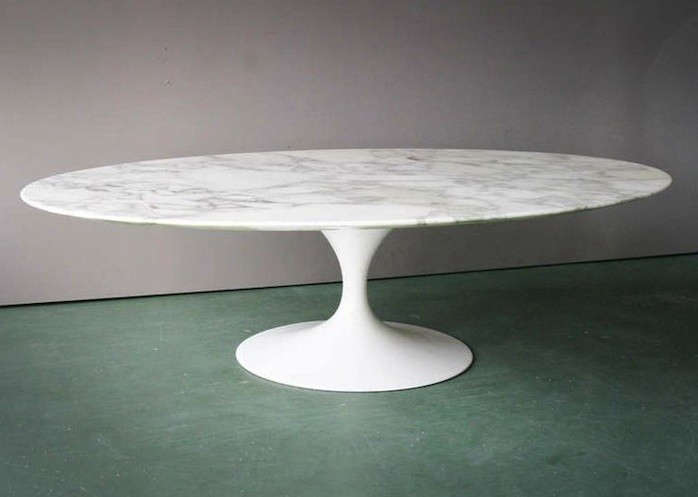
Begin with one statement piece: a vintage coffee table, an original painting, a hand-knotted rug, or a sculptural chair. Let that piece set the tone, then build around it with quieter elements. The living room should feel layered but still comfortable enough for actual living, including snacks, pets, and people who put their feet on things.
Kitchen
Kitchens are perfect for subtle individuality. Try handmade tile, open shelves with collected ceramics, vintage stools, antique cutting boards, or a small framed artwork near the breakfast nook. Even a practical space can have personality. In fact, a kitchen without personality is just a very expensive room for locating spoons.
Bedroom
In the bedroom, one-of-a-kind elements should feel calming rather than noisy. Consider a vintage nightstand, handmade quilt, custom headboard, artisan lamp, or framed textile. The goal is a room that feels restful and personal, not like a boutique hotel trying too hard to smell like sandalwood.
Entryway
The entryway is the handshake of the home. A one-of-a-kind mirror, bench, ceramic umbrella stand, or small antique console can make the first impression memorable. It does not need to be dramatic. It just needs to feel intentional.
Common Mistakes When Decorating With Unique Pieces
The first mistake is buying too many statement pieces. If everything in a room is shouting, the room becomes a design karaoke night. Choose a few focal points and let supporting pieces do their quieter, noble work.
The second mistake is ignoring scale. A tiny vintage side table beside a massive sectional may look like it wandered in from a dollhouse. A huge antique armoire in a small room can feel like it is slowly taking over the lease. Measure first. Romantic impulse second.
The third mistake is forcing a theme. A home filled with unique objects should not feel like a movie set. “French flea market,” “desert modern,” or “coastal cottage” can be useful inspirations, but real homes are richer when they make room for surprise.
The Emotional Value of Objects With Stories
One-of-a-kind pieces help transform houses into homes because they carry stories. The story may be personal: a chair from a grandparent, a painting bought on a first trip, a bowl made by a friend. Or it may be imagined: Who owned this trunk? Where did this mirror hang? Why does this lamp look like it knows secrets?
These stories create attachment. They make us care for objects differently. We repair them, move them carefully, and tell guests about them. That emotional durability may be just as important as physical durability. When people feel connected to what they own, they are less likely to treat it as disposable.
Experience Notes: Living With the One of a Kind
The most memorable homes I have encountered were not the most expensive. They were the ones with a pulse. One had a dining table scarred by years of family dinners, homework sessions, craft projects, and one candle incident that everyone agreed not to discuss in detail. Another had a hallway filled with mismatched frames: old black-and-white portraits, children’s drawings, postcards, pressed leaves, and a tiny watercolor of a dog that looked mildly disappointed in humanity. Nothing matched. Everything belonged.
That is the strange beauty of one-of-a-kind living: it gives a home permission to be specific. A mass-produced room can be attractive, but specificity makes it memorable. I once saw a small apartment where the owner had turned an old wooden ladder into a blanket rack. It leaned beside a modern sofa, holding quilts collected from road trips and family visits. Was it a revolutionary design move? No. Did it make the room feel warmer, smarter, and more personal? Absolutely. The ladder had more charisma than some dining sets.
Another experience that stays with me involved a handmade ceramic mug. It was slightly heavier than expected, with a thumb mark near the handle and a glaze that shifted from blue to gray depending on the light. It was not symmetrical, and that was the point. Drinking coffee from it felt different from drinking coffee from a factory-perfect mug. The object slowed the morning down. It reminded you that someone shaped it, fired it, packed it, and sent it into the world with no guarantee that it would become part of someone’s daily ritual.
One-of-a-kind pieces also change how people behave in a room. Guests ask questions. Children notice textures. Owners remember trips, relatives, neighborhoods, and seasons of life. A vintage desk can make work feel less temporary. A handmade lamp can turn a reading corner into a ritual. A painted cabinet can rescue a hallway from complete emotional anonymity. These are not just decorating choices; they are small acts of domestic storytelling.
Of course, the one-of-a-kind approach requires restraint. It is very easy to confuse “collected” with “I have never met a flea market I could leave peacefully.” The best homes edit. They leave breathing room. They allow a few special pieces to shine instead of burying them under a mountain of charming discoveries. A unique object deserves space around it, just as a good joke deserves a pause.
Living with one-of-a-kind decor ultimately teaches patience. You may not find the right table this month. The perfect mirror may appear when you are not looking. The best piece in your home may cost very little but carry enormous meaning. That is the allure: originality cannot always be scheduled. Sometimes it must be found, inherited, repaired, commissioned, or stumbled upon while you were supposedly just “looking.” Famous last words.
Conclusion: The Home as a Personal Dispatch
The allure of the one of a kind lies in its resistance to sameness. In a culture overflowing with fast options, unique home decor gives us a slower, richer way to shape our surroundings. Handmade objects, vintage furniture, artisan textiles, original art, and meaningful heirlooms do more than decorate. They record taste, memory, humor, place, and time.
A beautiful home does not need to be perfect. It needs to feel inhabited by a person with a point of view. The one-of-a-kind piece helps make that happen. It brings texture where there was flatness, story where there was silence, and charm where there might otherwise be a suspiciously coordinated furniture set. In the end, the most compelling interiors are not assembled all at once. They are dispatched from life itself, one meaningful object at a time.