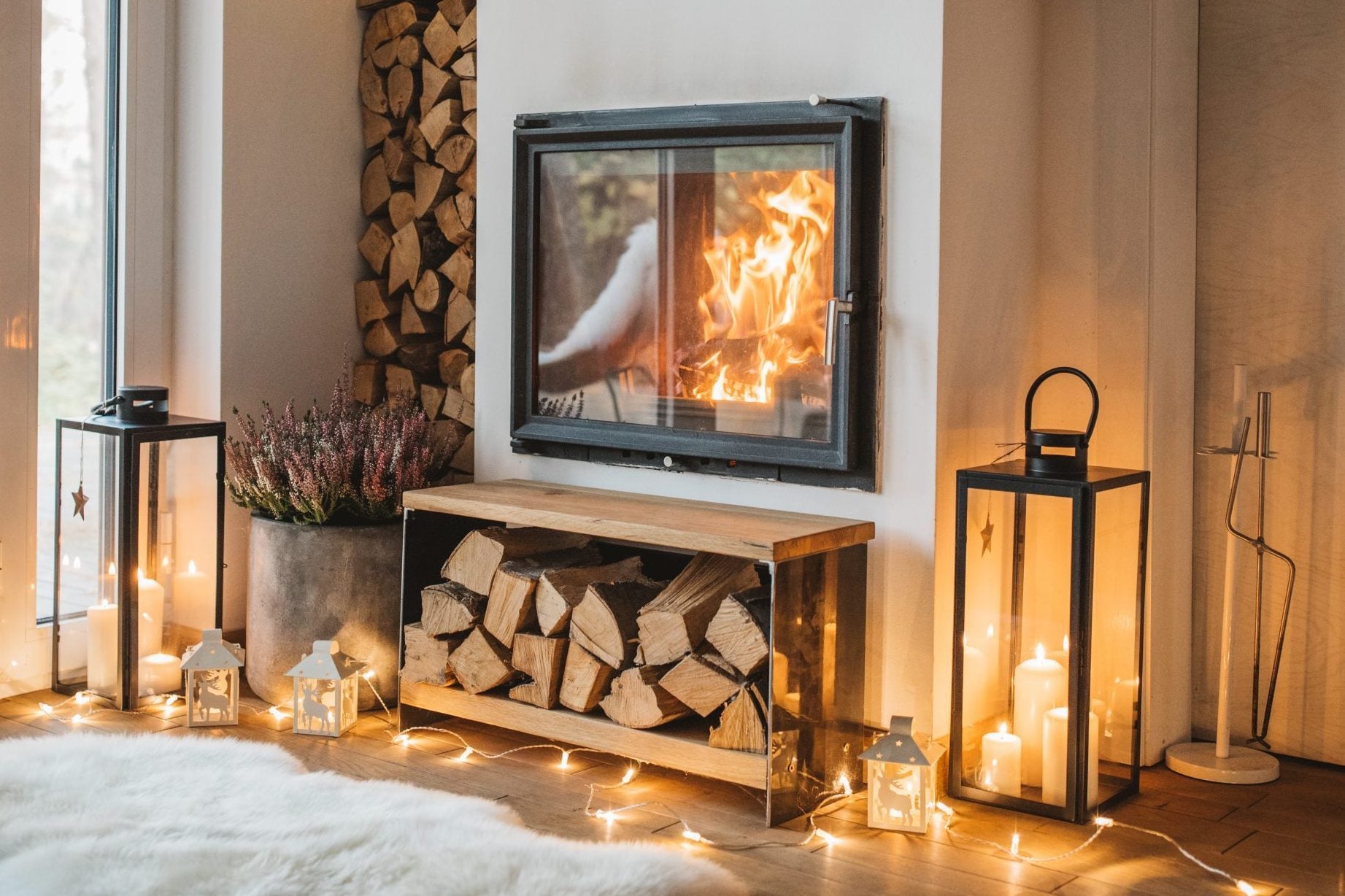
Choosing firewood should be simple: find tree, burn tree, enjoy warmth. In reality, buying the wrong load can leave you with sizzling logs, a smoky living room, and the thermal output of a disappointed toaster.
The best firewood for heating is dense, properly seasoned, locally sourced, and cut to fit your appliance. Species matters, but moisture content matters even more. Dry maple will usually outperform wet oak, despite oak’s impressive reputation. Before comparing hickory, pine, ash, or Douglas-fir, therefore, make sure the wood is actually ready to burn.
This guide explains how to compare firewood species, understand heat output, test moisture, avoid questionable measurements, and store your supply correctly. It also includes practical lessons that can save first-time wood burners a winter’s worth of frustration.
What Is the Best Firewood for Heating?
For long-lasting home heat, top choices generally include hickory, black locust, white oak, sugar maple, beech, and other dense hardwoods. They provide substantial heat per cord and form durable coal beds that continue radiating warmth after the flames settle.
However, the best firewood is not necessarily the species with the highest number in a BTU chart. A useful supply must also be affordable, available locally, dry enough to burn efficiently, and suitable for your stove or fireplace.
| Firewood type | Typical heating performance | Best use | Important consideration |
|---|---|---|---|
| Hickory | Very high | Cold nights and long burns | Dense and sometimes difficult to split |
| Black locust | Very high | Long heating cycles | Can be hard to process |
| White or red oak | High | Steady overnight heat | Often requires extended seasoning |
| Sugar maple | High | Reliable everyday heating | Availability varies by region |
| Beech | High | Strong heat and good coals | Should be split promptly |
| Ash | Medium to high | Easy, dependable fires | Still needs proper drying |
| Douglas-fir | Medium to high for a softwood | Western homes and quick heat | Burns faster than dense hardwood |
| Pine, spruce, or cedar | Low to medium per cord | Kindling and fast morning fires | May spark and requires more frequent loading |
What Makes Firewood Good for Home Heating?
Moisture content comes first
Firewood burns most efficiently when its moisture content is below 20 percent. Wet wood wastes energy because part of the fire’s heat must evaporate water before the wood can burn effectively. The result is less usable warmth, more smoke, slower ignition, and increased creosote formation.
The words “seasoned firewood” are not a guarantee. A seller may use the term for wood that was cut months ago but left in unsplit rounds or piled where air could not circulate. Verify dryness with a moisture meter instead of relying on gray bark, surface cracks, or a confident sales pitch.
For an accurate reading, bring a log to room temperature, split it, and test the newly exposed interior face according to the meter manufacturer’s instructions. Measure several pieces from different parts of the load. Testing only the outer surface can produce a misleadingly low reading.
Density determines heat per cord
Most wood species contain broadly similar energy per pound when equally dry. Dense species deliver more heat per cord because a cord contains more actual wood mass. That is why hickory, locust, and oak generally outperform cottonwood, basswood, and many softwoods when comparisons are made by volume.
Published values vary with species, moisture, growing conditions, bark percentage, and measurement methods. USDA and university-extension tables commonly place dense hardwoods in the neighborhood of the mid-to-upper 20 million BTUs per dry cord. Lower-density woods may fall in the teens.
These numbers describe potential fuel energy, not guaranteed heat inside the house. Stove efficiency, chimney draft, operator technique, and moisture content determine how much of that energy becomes useful warmth.
Burning behavior affects convenience
Good heating wood should ignite predictably, produce manageable smoke, and leave a useful bed of coals. Dense hardwoods tend to burn steadily and reduce the number of late-night trips to the woodpile. Lighter woods catch quickly and are useful when starting a fire or warming a cold stove.
A mixed supply can be more practical than a premium hardwood-only pile. Use dry pine, poplar, or other lighter wood to establish the fire, then add oak, maple, beech, or hickory for sustained heat. Think of it as a two-person relay team, except both participants are logs.
Best Hardwood Species for Heating
Hickory and black locust
Hickory is among the strongest commonly available heating woods in the eastern and central United States. Shagbark hickory, for example, can provide roughly 29 million BTUs of potential energy per dry cord in some forestry tables. It burns hot, forms excellent coals, and supports long heating cycles.
Black locust offers similarly impressive heat density. Its drawbacks are practical: the wood can be tough, irregular, and harder to split. If it is locally available at a reasonable price, however, it is excellent fuel for severe winter weather.
Oak, beech, and sugar maple
Oak is popular because it combines high heat output, steady combustion, and long-lasting coals. White oak is generally denser than red oak, although both are strong heating fuels when dry.
The catch is seasoning time. Large oak splits can retain internal moisture long after their surfaces look dry. In humid areas, oak may need 18 months or two full summers of favorable drying conditions. Buying green oak in October for use in November is less a heating plan and more a moisture-management experiment.
Sugar maple and beech also provide high heat per cord. Sugar maple is a versatile everyday fuel with good coaling qualities. Beech burns well but should be split and stacked promptly because unsplit pieces can deteriorate or dry poorly.
Ash, cherry, and mixed hardwood
White ash offers strong heat, relatively easy splitting, and pleasant burning characteristics. The old claim that ash can be burned immediately after cutting is misleading, though. It may begin with less moisture than some species, but freshly cut ash still benefits from proper seasoning.
Black cherry produces moderate heat and a pleasant aroma, making it attractive for fireplaces as well as stoves. Mixed hardwood can be an economical purchase, but ask what the mixture contains. A load dominated by oak and maple is very different from one filled with low-density poplar and cottonwood.
Are Softwoods Good for Heating?
Dry softwood is legitimate firewood. Pine does not automatically create dangerous creosote simply because it contains resin. Wet fuel, low-temperature smoldering, restricted airflow, and poor chimney maintenance are more important causes of creosote accumulation.
Softwoods usually contain less energy per cord because they are less dense. They also tend to burn faster, which means more frequent loading. Nevertheless, Douglas-fir, larch, and some pines are important heating fuels throughout the western United States, where hardwood may be scarce or expensive.
Pine, spruce, fir, and cedar are particularly useful for kindling and shoulder-season fires. Their quick ignition helps warm the flue and establish draft. Because certain softwoods pop or throw sparks, use a closed stove door or a secure fireplace screen and follow the appliance manufacturer’s fuel recommendations.
Choose Firewood According to Your Region
The smartest purchase is often the best local species rather than a nationally famous hardwood hauled hundreds of miles. Northeastern households may have ready access to maple, beech, birch, and oak. Midwestern buyers frequently encounter ash, hickory, hackberry, elm, and Osage orange. Western users may depend on Douglas-fir, lodgepole pine, juniper, madrone, or local oak.
Buying locally also protects forests. Insects and pathogens can hide beneath bark and travel with untreated firewood. USDA APHIS recommends buying firewood where it will be burned or choosing certified heat-treated wood when transportation is unavoidable. Always check federal, state, and local quarantine rules.
How to Buy Firewood Without Getting Shortchanged
Understand the difference between a cord and a face cord
A standard cord occupies 128 cubic feet when the wood is ranked and well stacked. The familiar dimensions are 4 feet high, 4 feet deep, and 8 feet long, although any stacked dimensions totaling 128 cubic feet can represent a cord.
A face cord is usually 4 feet high and 8 feet long but only one log-length deep. Its actual volume therefore depends on whether the pieces are 12, 16, 18, or 24 inches long. Terms such as “pickup load,” “rick,” and “pile” are similarly imprecise. Ask for the stacked cubic volume and compare prices on a full-cord basis.
Confirm the dimensions of the logs
Measure your firebox before ordering. Logs should fit comfortably without touching the glass, blocking airflow, or requiring emergency surgery with a chainsaw in freezing weather. Ask about average length, diameter, splitting, stacking, and delivery fees.
Check the wood before accepting delivery
Inspect several random pieces rather than the driest log sitting conveniently on top. Look for solid wood without rot, mold, paint, glue, chemical treatment, excessive dirt, or household debris. Split sample pieces and test their interiors with a moisture meter.
A practical buying checklist includes:
- The exact quantity in cords or fractions of a cord
- The species or approximate percentage of each species
- The target moisture content
- Average log length and split size
- Whether delivery, dumping, or stacking costs extra
- Where the wood was harvested or treated
- When it was cut, split, and stacked
How to Season and Store Firewood
Cut logs to usable length and split them as soon as possible. Splitting exposes more surface area, allowing internal moisture to escape. Stack the pieces loosely in a sunny, breezy location with the cut ends exposed to moving air.
Raise the bottom row on pallets, rails, or treated stringers so the wood does not absorb ground moisture. Cover the top to shed rain and snow, but leave the sides open. Wrapping the entire pile in plastic can trap condensation and transform a respectable wood stack into a gloomy mushroom habitat.
Many softwoods and smaller hardwood splits can dry in six to twelve months under favorable conditions. Dense woods, large pieces, shaded piles, and humid climates require longer. Plan by moisture readings rather than the calendar alone.
Use the oldest dry wood first and rotate new supplies behind it. Keeping a full year’s inventory ahead creates breathing room when a wet summer or late delivery delays seasoning.
Burn Firewood Safely and Efficiently
Use only clean, natural, seasoned firewood approved for your appliance. Never burn pressure-treated lumber, painted wood, plywood, particleboard, household trash, plastics, glossy paper, or ocean driftwood. These materials can release hazardous substances, damage equipment, and contaminate ash.
Build bright, active fires instead of choking the air supply until the logs smolder. Follow the stove manufacturer’s operating instructions, keep combustible materials away, and use functioning smoke and carbon-monoxide alarms.
Have the chimney and wood-burning appliance inspected at least annually by a qualified professional and cleaned as necessary. Restricted airflow, cool flue temperatures, unseasoned wood, and overloaded stoves can accelerate creosote accumulation.
Place ashes in a covered metal container and move it outdoors onto a noncombustible surface, away from buildings. Ashes that look lifeless can conceal hot embers for days. Also check local air-quality advisories, burn bans, and neighborhood rules before lighting a fire.
Practical Experiences and Lessons From Heating With Firewood
Experienced wood burners repeatedly discover that the most expensive lesson is waiting until cold weather to shop. Firewood advertised as seasoned in late fall may have spent the summer in large rounds, under a tarp, or in a heap with almost no airflow. It may look weathered yet still register well above 20 percent moisture after splitting.
Experience 1: Dry medium-density wood can beat wet premium hardwood
Imagine two stacks: one contains freshly delivered oak at 32 percent moisture, while the other contains properly dried ash at 17 percent. The oak has greater theoretical heat per dry cord, but the ash will usually ignite faster, burn more cleanly, and provide more useful heat during that heating session. The lesson is simple: buy dryness first and species second.
Veteran users often keep an inexpensive moisture meter beside their splitting tools. They test the middle of newly split logs rather than tapping the probes into sun-baked ends. This small habit replaces arguments, guesses, and folklore with an actual number.
Experience 2: One species rarely handles every job perfectly
A pile made entirely of large oak splits may provide excellent overnight heat but can be annoying when starting a cold stove. A more flexible woodshed contains three sizes or fuel categories: dry kindling, medium pieces for establishing the fire, and dense hardwood for extending the burn.
On a mild morning, quick-burning pine or poplar may warm the room without overheating it. During a long winter night, oak, hickory, locust, or sugar maple becomes more valuable. Matching the fuel to the weather reduces waste and makes temperature control easier.
Experience 3: Stack design matters more than decorative perfection
New users sometimes build a beautiful, tightly packed wall of logs and cover it to the ground. Unfortunately, firewood needs airflow, not luxury gift wrapping. A slightly loose stack with an elevated base, open sides, and a rainproof top usually seasons better than a flawless stack sealed beneath plastic.
Stable end supports remain important. Cross-stacked ends, racks, or sturdy posts help prevent collapse. Keep children away from tall piles, wear gloves when handling rough wood, and check for insects or wildlife before carrying logs indoors.
Experience 4: Buying ahead changes the entire routine
Households that maintain a one-year reserve are less dependent on a seller’s interpretation of “seasoned.” They can purchase green wood at a lower price, split and stack it properly, and verify moisture before winter. Dense oak may justify an even longer rotation.
This system also improves cost comparisons. Instead of grabbing an emergency bundle during the first snowstorm, buyers can compare full-cord prices, species, delivery charges, and heat value. Emergency convenience bundles are useful, but heating an entire house with them can make a utility bill look surprisingly friendly.
Experience 5: The appliance and operator complete the equation
Excellent firewood cannot fix a dirty chimney, blocked air intake, poor draft, or incorrectly operated stove. Conversely, a modern, well-maintained appliance can extract useful heat from many locally available species when the wood is dry.
Successful wood heating is therefore a system: suitable fuel, proper storage, adequate airflow, a clean chimney, safe ash handling, and attentive operation. The species name printed on a delivery receipt is only one part of that system.
Conclusion
The best firewood for heating is dry, dense, local, and appropriately sized for the appliance. Hickory, black locust, oak, sugar maple, and beech are excellent choices for long-lasting heat, while ash, cherry, Douglas-fir, pine, and other readily available species can play valuable roles in a balanced wood supply.
Prioritize moisture content below 20 percent, compare prices by a true cord, and test freshly split pieces before burning. Store the wood off the ground with its top covered and sides exposed to airflow. When dry fuel is paired with safe stove operation and regular chimney maintenance, the result is more heat, less smoke, and fewer evenings spent glaring suspiciously at a log that refuses to burn.
Research basis: This article synthesizes guidance from the U.S. Environmental Protection Agency, Penn State Extension, University of New Hampshire Extension, USDA Forest Service, Utah State University Extension, Iowa State University Extension, Kansas State University, Illinois Extension, South Dakota State University Extension, USDA APHIS, and the Chimney Safety Institute of America.