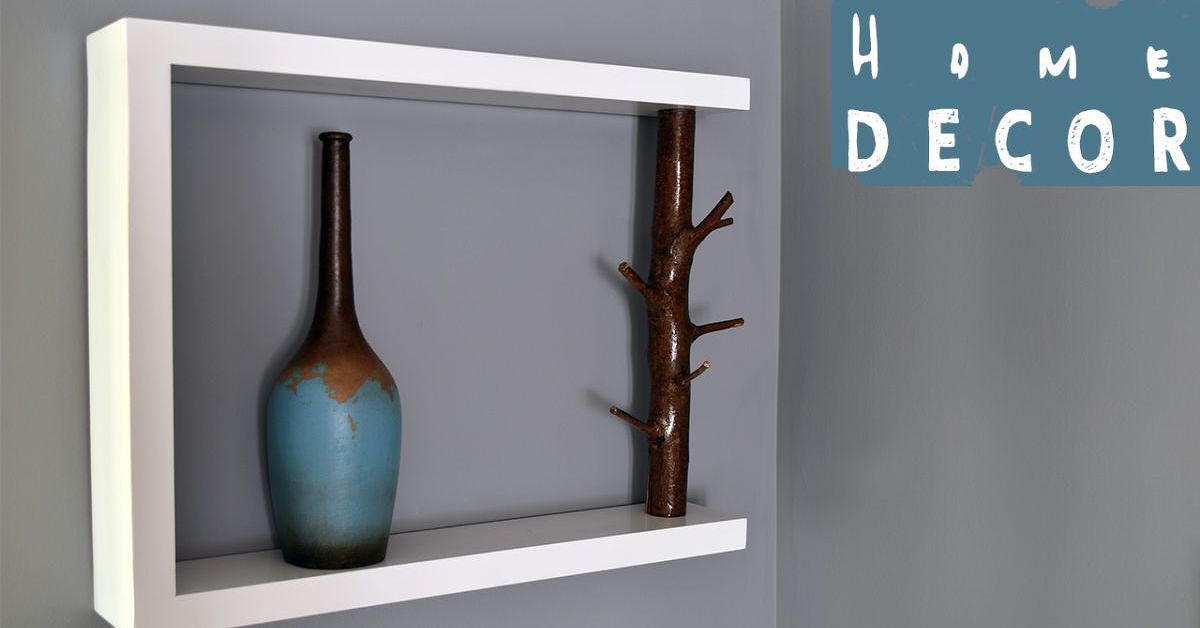
There is something oddly powerful about a well-styled shelf. It is not technically furniture, not exactly art, and not quite storage. Yet somehow, it can make an entire room feel thoughtful, calm, cozy, and expensivewithout requiring you to sell a kidney for designer accessories. That is the magic of DIY nature-inspired shelf decor: it brings the outdoors inside using simple materials like wood, stone, dried flowers, greenery, woven baskets, clay pots, shells, branches, and handmade accents.
Nature-inspired shelf styling works because it taps into what people already love about the outdoors: texture, irregular shapes, soft colors, fresh greenery, and a little bit of “I found this on a walk and now it is art.” Whether you have floating shelves in a living room, open kitchen shelves, a bookshelf, bathroom ledges, or a tiny apartment nook begging for personality, natural decor can make the space feel grounded and welcoming.
The best part? You do not need to be a professional decorator, carpenter, florist, or plant whisperer. With a few smart design rules and a healthy respect for gravity, you can create shelves that look layered, balanced, and charmingly organic. Let’s turn those blank shelves into a mini indoor landscapeminus the mosquitoes.
What Is DIY Nature-Inspired Shelf Decor?
DIY nature-inspired shelf decor is the art of styling shelves with handmade, natural, and organic-looking elements. It often includes houseplants, dried botanicals, reclaimed wood, ceramic pieces, woven textures, neutral colors, stones, glass jars, books, candles, framed prints, and seasonal accents. The goal is not to make your shelf look like a forest exploded indoors. The goal is to create a peaceful, collected display that feels connected to nature.
This style overlaps with popular decorating ideas such as biophilic design, rustic decor, cottagecore, organic modern design, farmhouse accents, coastal styling, and boho interiors. However, it is flexible enough to work with many homes. A minimalist shelf might use one trailing pothos, a stone bowl, and a pale wood frame. A maximalist shelf might feature layered books, vintage glass bottles, mossy textures, dried lavender, and enough personality to make a squirrel jealous.
Why Nature-Inspired Shelves Make a Room Feel Better
Natural decor works because it adds warmth and contrast. Modern homes often contain plenty of straight lines, flat walls, plastic surfaces, metal fixtures, and screens. Natural shelf decor softens those edges. A curved ceramic vase, a rough piece of driftwood, a leafy plant, or a woven basket creates visual relief. Your eye gets a place to rest, and your room feels less like a waiting room for Wi-Fi routers.
Nature-inspired shelves also help tell a story. A rock from a beach trip, a framed botanical print, a small handmade bowl, or a branch arranged in a vase feels personal. Instead of buying a shelf full of random matching objects, you can build a display that reflects where you have been, what you love, and what kind of mood you want your home to carry.
Start With the Shelf Itself
Choose a Natural Foundation
If you are installing new shelves, wood is the classic choice for nature-inspired decor. Pine, oak, walnut, cedar, and reclaimed wood all bring different personalities. A light oak shelf feels airy and Scandinavian. Dark walnut feels elegant and dramatic. Reclaimed wood adds rustic texture and instant character, including those little knots and marks that say, “I have lived a life.”
For a budget-friendly DIY option, sand unfinished wood boards and finish them with stain, clear matte polyurethane, tung oil, or water-based sealer. If you prefer a softer look, whitewashed wood can brighten a small room while still keeping the natural grain visible.
Think About Weight Before Beauty
Before adding stone bowls, ceramic planters, glass jars, and stacks of books, check that your shelf is properly anchored. Heavy decor needs strong brackets or wall studs. Floating shelves are beautiful, but they are not magical. If the shelf starts leaning like it has heard bad news, remove weight and reinforce it. A nature-inspired shelf should look effortlessnot like it is seconds away from becoming a home insurance claim.
Build a Natural Color Palette
The easiest way to make DIY shelf decor look cohesive is to choose a limited, nature-inspired color palette. Start with three to five main tones. Good options include warm beige, soft white, moss green, clay, terracotta, charcoal, sand, driftwood gray, muted blue, bark brown, and leafy green.
For a calm organic modern look, combine cream, pale wood, sage green, and stone gray. For a rustic cottage look, try weathered wood, dried wheat, amber glass, and warm white. For coastal nature-inspired shelf decor, use sandy beige, sea glass blue, shells, linen, and whitewashed wood. For a moody botanical shelf, mix dark wood, forest green, black ceramic, aged brass, and dried herbs.
Keeping colors related helps prevent visual clutter. You can still use variety, but the shelf should feel like one conversation, not twelve people shouting about different paint swatches.
Use Plants as Living Shelf Decor
Pick Shelf-Friendly Houseplants
Plants are the obvious stars of nature-inspired shelf styling, but not every plant belongs on a shelf. Choose compact or trailing plants that suit the light conditions in your room. Popular shelf-friendly options include pothos, heartleaf philodendron, snake plant, ZZ plant, peperomia, string of turtles, air plants, hoya, and small ferns.
Trailing plants look especially beautiful on higher shelves because their vines soften hard lines. Pothos and philodendron are forgiving choices for beginners, while air plants can be displayed in small bowls, glass holders, or mounted on cork. Snake plants and ZZ plants offer sculptural shape and tolerate lower light better than many leafy plants.
Match Plants to Light, Not Wishful Thinking
Before styling with plants, observe your shelf location. Does it receive bright indirect light, direct sun, low light, or almost no natural light? A sunny kitchen shelf may support herbs or succulents, while a dim hallway shelf may be better for a ZZ plant or a realistic faux plant. There is no shame in faux greenery if your shelf is darker than a movie villain’s living room.
Use trays or saucers under real plants to protect wood shelves from water stains. Avoid overwatering, especially on enclosed shelves or near books. Moisture is lovely in a rainforest; it is less charming when it warps your shelf and gives your favorite novel a wavy hairstyle.
Add Texture With Natural Materials
Texture is the secret ingredient in nature-inspired shelf decor. Smooth, rough, soft, woven, matte, glossy, and weathered surfaces all create depth. Try combining a few of these materials:
- Woven baskets made from rattan, seagrass, jute, or water hyacinth
- Unglazed ceramic vases or handmade pottery
- Wooden bowls, carved boxes, or small trays
- Stone bookends, marble objects, or river rocks
- Linen-covered books or fabric-wrapped storage boxes
- Glass jars filled with dried flowers, shells, or seed pods
- Cork, bamboo, raffia, twine, or cane accents
When styling, place contrasting textures near each other. A smooth white vase looks better beside a rough wood frame. A woven basket adds warmth next to glossy books. A stone object feels richer when paired with soft dried grasses. These small contrasts help the shelf feel layered instead of flat.
DIY Projects for Nature-Inspired Shelf Decor
1. Pressed Botanical Frames
Pressed flowers and leaves are perfect for shelves because they add natural detail without taking up much space. Collect leaves or flowers from your own garden, purchase dried botanicals, or use fallen materials gathered responsibly where allowed. Press them between parchment paper inside a heavy book for one to two weeks, then mount them on neutral cardstock in a simple frame.
For a modern look, use one large fern frond in a black frame. For a cottage-inspired shelf, group three small frames with different pressed flowers. Keep the background simple so the natural shapes can shine.
2. Driftwood or Branch Sculpture
A sculptural branch can look surprisingly high-end when styled correctly. Choose a clean, dry branch with an interesting shape. Remove loose bark, wipe away dirt, and let it dry fully before bringing it indoors. You can leave it natural, lightly sand it, or seal it with a clear matte finish.
Place the branch in a tall ceramic vase or lay it horizontally across a shelf as a sculptural accent. The key is restraint. One beautiful branch looks intentional. Seven random sticks may look like your shelf is building a nest.
3. Stone and Candle Tray
Create a calming shelf vignette by placing a small tray on the shelf and filling it with a candle, smooth stones, a tiny vase, and a sprig of dried greenery. Use a wood, ceramic, or woven tray to visually group the objects. This works especially well in bathrooms, bedrooms, and entryways.
For safety, use flameless candles if the shelf is narrow, crowded, or close to dried botanicals. Dried grasses and open flames are not a romantic pairing; they are a tiny campfire with poor judgment.
4. Upcycled Glass Jar Herb Display
Save small glass jars and turn them into shelf decor. Remove labels, clean the jars, and fill them with dried herbs such as rosemary, lavender, chamomile, or eucalyptus. Add simple paper labels tied with twine for an apothecary-inspired look.
This project is especially pretty on kitchen shelves. It adds natural texture, soft color, and a charming “old-world herb shop” feeling. Just make sure anything you plan to cook with is food-safe and stored properly.
5. Mini Moss Bowl
A moss bowl brings instant woodland energy to a shelf. Use preserved moss for low maintenance, placing it in a shallow ceramic bowl, wooden dish, or stone planter. Add a small piece of bark, a pinecone, or a smooth stone for detail.
Preserved moss does not need watering and should be kept out of direct sun to maintain its color. It is a great option for people who love green decor but have a complicated relationship with living plants. No judgment. Some of us have accidentally turned basil into potpourri.
How to Style a Nature-Inspired Shelf Like a Designer
Use the Rule of Three
Group objects in odd numbers, especially threes. For example, combine a small plant, a framed print, and a ceramic bowl. Odd-numbered groupings usually feel more relaxed and natural than perfectly symmetrical pairs.
Vary Height and Shape
A shelf looks more dynamic when objects have different heights. Use tall vases, medium frames, low bowls, stacked books, and trailing plants. Avoid lining everything up like soldiers. Nature does not decorate in straight rows, and your shelf does not need to either.
Layer From Back to Front
Place taller, flatter items toward the back, such as framed art or cutting boards. Add medium objects in front, then finish with smaller accents. This creates depth and makes the shelf feel collected. A botanical print behind a small clay pot instantly looks more styled than either object alone.
Leave Breathing Room
Empty space is part of good design. Do not fill every inch of your shelf. Negative space allows special pieces to stand out and keeps the arrangement from feeling dusty and crowded. If your shelf starts to resemble a yard sale hosted by a raccoon, remove three things and reassess.
Room-by-Room Shelf Decor Ideas
Living Room Shelves
In the living room, mix books, plants, framed art, baskets, and sculptural objects. Try stacking two or three books horizontally and placing a small stone bowl or plant on top. Add a woven basket to hide remotes, chargers, or the mysterious cables no one can identify but everyone is afraid to throw away.
Kitchen Open Shelves
For kitchen shelves, combine beauty and function. Display wood cutting boards, ceramic mugs, glass jars, herb pots, cookbooks, and small bowls. Keep frequently used items within easy reach. Natural textures like wood, pottery, linen napkins, and herbs make a kitchen feel warm and lived-in.
Bathroom Shelves
Bathroom shelf decor should be simple and moisture-aware. Use sealed wood, ceramic containers, rolled towels, small plants that tolerate humidity, and lidded jars. Eucalyptus stems in a vase can add spa-like style, but avoid crowding shelves with items that trap moisture.
Bedroom Shelves
Bedroom shelves should feel calming. Use soft colors, small lamps, dried lavender, framed personal photos, a trailing plant, or a handmade ceramic dish for jewelry. Keep the display gentle and uncluttered so the room feels restful rather than visually noisy.
Seasonal Nature-Inspired Shelf Decor
One of the joys of DIY shelf decor is that it can change with the seasons. In spring, use pressed flowers, fresh greenery, pastel ceramics, and small bud vases. In summer, bring in shells, woven textures, light wood, and airy glass. In fall, style with dried grasses, amber bottles, pinecones, acorns, and terracotta. In winter, try evergreen clippings, birch logs, candles, wool textures, and simple white ceramics.
The trick is to swap small accents rather than redesign the whole shelf. Keep your main piecesbooks, baskets, frames, traysand rotate seasonal details. This saves money, storage space, and emotional energy. Your shelf should not require a full committee meeting every October.
Responsible Collecting: Decor Without Damaging Nature
Nature-inspired decor should respect nature, not raid it. Avoid collecting plants, rocks, shells, sand, flowers, or branches from national parks, protected lands, private property, or fragile habitats unless rules clearly allow it. Many public lands restrict or prohibit removing natural materials. When in doubt, leave it where it is and take a photo instead.
Good alternatives include using fallen branches from your own yard, buying dried botanicals from reputable sellers, choosing reclaimed wood, shopping secondhand, or using craft-store materials. Responsible decorating keeps the outdoor world beautiful for everyonenot just your bookshelf.
Common Mistakes to Avoid
Using Too Many Tiny Objects
Small objects can quickly look cluttered. Mix small items with larger anchor pieces such as framed art, baskets, vases, or books. Bigger pieces help organize the display visually.
Ignoring Scale
A tiny vase on a large shelf may disappear, while an oversized planter on a narrow shelf may look awkward or unsafe. Choose decor that fits the shelf depth, height, and weight limit.
Choosing Plants Without Considering Care
A plant is not just decor; it is a roommate with needs. Match it to the light, humidity, and watering routine you can actually provide. If you travel often or forget watering, choose drought-tolerant plants or realistic faux greenery.
Forgetting Practical Storage
Shelves can be beautiful and useful. Baskets, boxes, jars, and lidded containers hide everyday clutter while contributing natural texture. That is design multitasking, and frankly, we should all respect it.
Budget-Friendly Shopping and DIY Tips
You do not need a luxury budget to create beautiful nature-inspired shelf decor. Start with what you already own. Look for old jars, unused bowls, books with neutral covers, small baskets, frames, trays, and planters. Then shop thrift stores, flea markets, estate sales, garden centers, and craft stores for affordable accents.
Paint mismatched frames in the same color to unify them. Wrap plain jars with twine. Use leftover wood stain to refresh a small shelf. Turn a chipped mug into a mini planter. Place a thrifted basket on a shelf to hide clutter. The best DIY decor often comes from seeing ordinary objects with fresh eyes.
of Real-Life Experience: What Actually Works When Styling Nature-Inspired Shelves
After styling shelves in real homes, the biggest lesson is simple: nature-inspired decor looks best when it feels collected, not forced. The shelves that get the most compliments are rarely the ones filled with brand-new matching accessories. They are the shelves with a storya small vase from a weekend market, a stack of old gardening books, a plant that has survived three apartments, a framed leaf from the backyard, or a basket that quietly hides life’s less beautiful objects, such as batteries and takeout menus.
One practical experience worth sharing is to style shelves in layers, then walk away. When you stare at a shelf too long, you lose perspective and start making strange decisions, such as placing a pinecone on top of a cookbook “for height.” Arrange your main pieces first: a plant, a frame, a basket, and a few books. Then add smaller natural accents. Step back across the room and look again. If one side feels heavy, move a taller item to the other side. If everything looks busy, remove something. Editing is not failure; it is how shelves become stylish instead of chaotic.
Another useful tip is to choose one “hero” element per shelf. It might be a trailing plant, a large ceramic vase, a piece of botanical art, or a sculptural branch. Let that piece lead the arrangement. Supporting items should complement it, not compete with it. When every object tries to be the star, the shelf becomes a talent show with no judges.
Plants also teach humility. A shelf may look perfect on day one, but if the plant does not get enough light, it will soon express its disappointment leaf by leaf. Before placing greenery, test the location. Bright indirect light is ideal for many common houseplants, while low-light shelves need tougher plants or faux options. Also, always use a waterproof saucer. Many people learn this after discovering a mysterious ring on their beautiful wood shelf. That ring is not “patina.” It is regret.
For DIY projects, the most successful ones are usually simple. Pressed botanical frames, twine-wrapped jars, preserved moss bowls, and thrifted ceramic planters are easy to make and easy to restyle. Complicated projects can be satisfying, but shelf decor should not require a garage full of tools unless you genuinely enjoy the process. A hot glue gun, scissors, sandpaper, small nails, paint, and clear sealer can handle many beginner-friendly projects.
Finally, seasonal updates work best when they are subtle. In fall, add dried grasses or amber glass. In winter, add evergreen clippings or warm candles. In spring, add fresh greens or pressed flowers. In summer, add shells or airy linen textures. You do not need to rebuild the shelf every season. Think of it as changing the shelf’s outfit, not giving it a new identity and a dramatic backstory.
The most rewarding part of DIY nature-inspired shelf decor is that it makes your home feel alive. Even a small shelf can become a quiet reminder of the outdoorsa place where wood, leaves, stone, clay, and handmade details work together. It is affordable, personal, flexible, and forgiving. And if one arrangement does not work, simply move things around. Unlike wallpaper, shelf decor does not hold a grudge.
Conclusion: Bring the Outdoors In, One Shelf at a Time
DIY nature-inspired shelf decor is one of the easiest ways to refresh your home with warmth, texture, and personality. By combining plants, natural materials, handmade accents, and thoughtful styling, you can create shelves that feel calm, beautiful, and deeply personal. Start with a simple color palette, add a few organic textures, choose plants that match your light, and leave enough breathing room for every piece to shine.
Whether your style is rustic, modern, bohemian, coastal, farmhouse, or cottage-inspired, nature gives you an endless design toolbox. Wood adds warmth, plants add life, stone adds grounding, baskets add texture, and DIY details add soul. Your shelf does not need to be perfect. It just needs to feel intentional, balanced, and connected to the world outside your window.