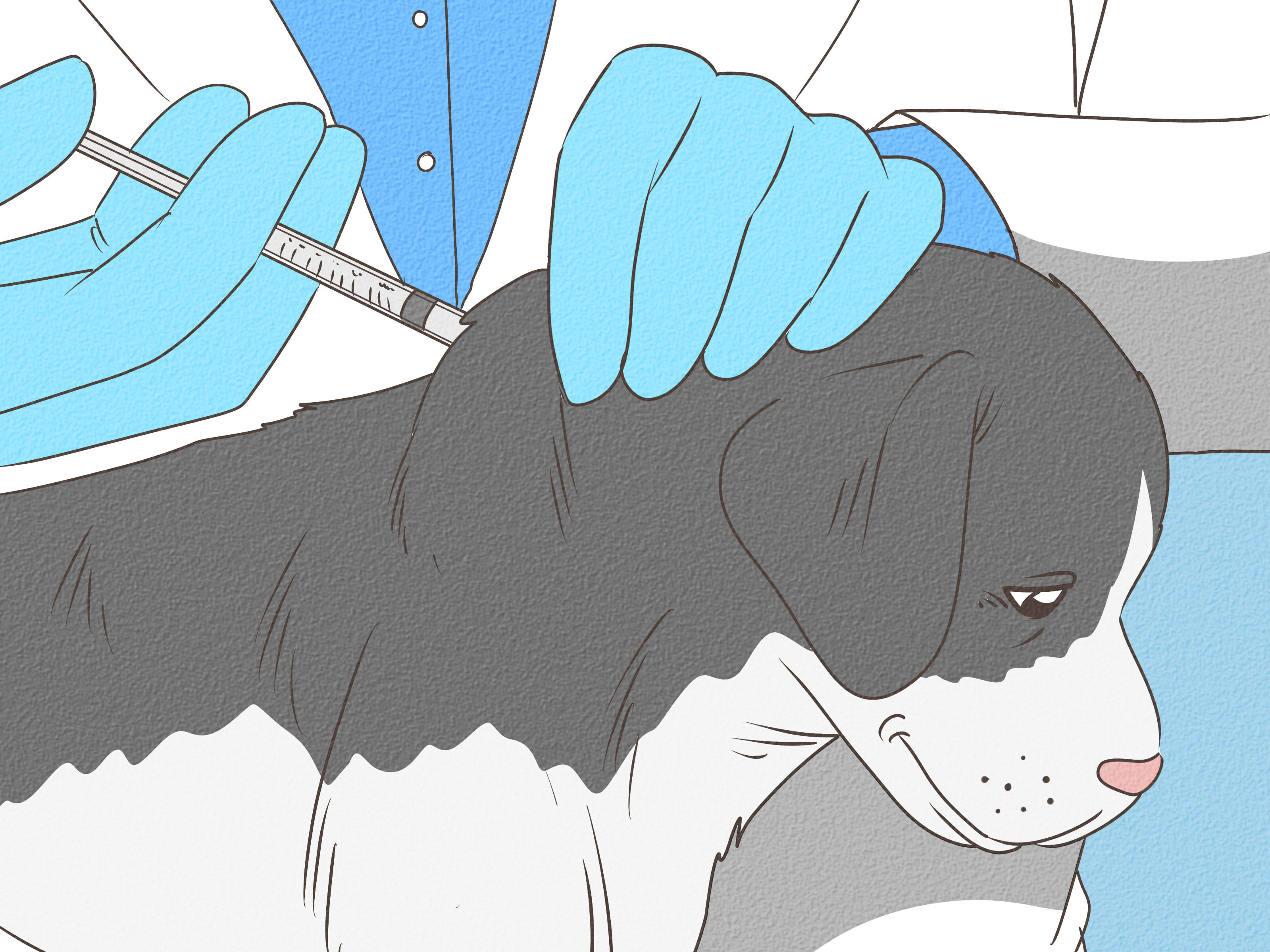
Saving orphaned newborn puppies is equal parts heart, hustle, and “Why am I awake again at 2:13 a.m. warming formula like a tiny canine barista?” They are fragile, they chill quickly, and they have absolutely no respect for your sleep schedule. But with the right care, many orphaned puppies can survive and grow into healthy, bouncy little chaos machines.
The key is not to do everything at once. It is to do the right things in the right order. Newborn puppies need warmth, nutrition, help with elimination, hygiene, close monitoring, and veterinary backup. If a mother dog or foster nursing dog is available, that is usually the best option. If not, a human caregiver becomes the stand-in for mom, which sounds sweet until you realize mom’s job is basically a 24-hour emergency management role with fur.
Below are the four most important ways to save orphaned newborn puppies, plus practical examples, common mistakes to avoid, and real-world experience notes that make the difference between “I bought formula” and “I actually know what I’m doing.”
1. Warm the Puppies Before You Feed Them
If you remember only one thing, remember this: cold puppies should not be fed until they are warmed up properly. Newborn puppies cannot regulate their body temperature well, especially in the first weeks of life. A chilled puppy may be too weak to suckle, may digest poorly, and may spiral fast into a dangerous state.
Create a safe, warm nesting area
Set up a draft-free box, crate, or small pen lined with clean bedding. Keep the space warm, quiet, and dim rather than bright and busy. Think “cozy nursery,” not “puppy nightclub.” A wrapped heating pad on low, a warm water bottle, or a warm rice sock can help. The heat source should never be directly against bare skin. Puppies can burn surprisingly easily, and newborns are not exactly famous for their ability to scoot away from danger.
Keep one part of the nesting area slightly cooler so puppies can move away from heat as they get older and stronger. For the very youngest pups, warmth should be steady but gentle. Sudden overheating is just as unhelpful as chilling. If the puppies are piled tightly and constantly crying, they may be cold. If they are spread apart and panting, they may be too warm. Puppies are tiny, but they are excellent complainers when the temperature is wrong.
Check the puppy, not just the room
Room temperature matters, but the puppy matters more. A puppy that feels cold, limp, or weak needs careful warming first. Warming should be gradual, not aggressive. This is not the time for a hair dryer, a blazing lamp, or heroic improvisation involving a car heater vent. Gentle, steady warming is safer.
If a puppy is very cold, unresponsive, or struggling to breathe, skip the internet detective work and call a veterinarian or emergency clinic immediately. Warmth buys time, but it is not a replacement for medical care.
2. Feed the Right Formula the Right Way
Once puppies are warm enough and alert enough to eat, nutrition becomes the next lifesaving step. Orphaned newborn puppies need frequent feedings, usually around the clock at first. That means you are not “babysitting.” You are effectively on neonatal duty.
Use puppy milk replacer, not random fridge optimism
The best option is commercial puppy milk replacer. Cow’s milk is not a good substitute because it does not match a dog mother’s milk very well. Homemade emergency formulas may sometimes be used briefly in a pinch, but they are not a strong long-term plan. This is one of those moments where “close enough” can create diarrhea, bloating, poor growth, or worse.
Warm formula to body temperature before feeding. Test it the way you would test a baby bottle: warm, not hot. Mixed formula should be refrigerated between uses and discarded on schedule. Formula that has been lounging around at room temperature too long belongs in the trash, not in a puppy.
Feed in the natural position
Always feed a puppy belly-down, with the head level, as if nursing from the mother. Do not feed a newborn puppy on its back like a human infant. That increases the risk of aspiration, which means milk can end up in the lungs instead of the stomach. That is not a cute little mistake. That is a veterinary emergency waiting to happen.
The bottle nipple should allow controlled flow. If milk pours out freely, the opening is too large. If the puppy has to fight like it is trying to suck a milkshake through a brick, the opening is too small. Feeding should be steady, calm, and slow. Burp the puppy afterward. Yes, really. Glamorous? No. Important? Absolutely.
Feed often and watch the puppy’s response
Newborn puppies generally need very frequent meals in the first week of life, often every two to four hours depending on age, size, and veterinary guidance. Small, weak, or struggling puppies may need even closer attention. Feedings should be based on the formula directions, the puppy’s body weight, and actual progress.
Overfeeding is a classic rookie mistake. People see a puppy cry and assume the problem is hunger, when the issue may be chilling, dehydration, poor latch, illness, or a nipple flow problem. Too much formula too fast can lead to regurgitation, diarrhea, bloating, or aspiration. In neonatal care, precision beats generosity.
Know when feeding is not enough
If a puppy cannot latch, keeps milk coming out of the nose, coughs during feeding, or seems too weak to nurse, veterinary help is needed. Tube feeding is sometimes necessary, but it should be taught by a veterinarian or experienced neonatal rescuer. It is not something to freestyle after watching one confident stranger on the internet.
3. Help Them Eliminate, Stay Clean, and Avoid Infection
Here is a fact many first-time rescuers do not expect: newborn puppies cannot fully handle bathroom business on their own. Their mother would normally lick them to stimulate urination and defecation after feeding. Without mom, that job lands on you. Congratulations on your promotion.
Stimulate after every feeding
Use a warm, damp cotton ball or soft cloth and gently rub the genital and anal area after each meal. This usually triggers urination and, regularly, defecation. Keep doing this until the puppies are old enough to eliminate on their own, often around three weeks of age. If you skip this step, puppies can become constipated or develop more serious complications.
Normal stool in a healthy puppy is usually soft, not watery. Persistent diarrhea is a red flag. So is severe straining, bloating, or no stool for an unusual period. When in doubt, call the vet instead of guessing. Neonates can decline much faster than older dogs.
Keep the nest obsessively clean
Bottles and nipples should be cleaned and sanitized regularly. Bedding should be changed often. Puppies should stay dry, especially underneath, because urine and feces can irritate skin and invite infection. A damp nest is not cozy. It is a tiny bacteria condo.
Wash your hands before handling the puppies, and change clothes or shoes if you have been around other dogs, shelters, kennels, or dog parks. Orphaned neonates are especially vulnerable to disease because their immune protection is limited, particularly if they did not receive enough colostrum from the mother.
Watch hydration like a hawk
Dehydration is a major risk for orphaned puppies. Signs can include sticky gums, skin that does not spring back normally, lethargy, weakness, and poor feeding. Chilled puppies are also more likely to become dehydrated because they stop nursing well. In real life, dehydration often sneaks in quietly and then suddenly becomes obvious when the puppy is already in trouble.
This is why cleanliness and feeding are not separate jobs. They are part of the same survival system. A puppy that is warm but dirty, fed but dehydrated, or clean but not eliminating is still in danger.
4. Track Weight Daily and Get Veterinary Help Early
The scale is one of the most powerful tools in newborn puppy care. Not the bathroom scale, obviously. You need a digital kitchen or baby scale accurate enough to measure small changes. Healthy puppies should gain weight steadily. If a puppy is not gaining, something is wrong until proven otherwise.
Weigh every puppy every day
Record each puppy’s weight at the same time daily and keep a simple log. Birth weight matters. Trends matter more. A puppy that loses weight, fails to gain, or stalls out needs immediate attention. One of the sneakiest problems in neonatal care is a puppy that still looks cute and still wiggles a little, but is quietly falling behind.
Daily notes should include:
- Weight
- Number of feedings
- How strongly the puppy sucked
- Urination and stool quality
- Any crying, weakness, diarrhea, or breathing changes
This log becomes gold if you need veterinary advice. “He seems off” is not as useful as “He missed two feedings, lost 12 grams, had watery stool twice, and feels cooler than yesterday.” Data saves time, and time saves puppies.
Know the danger signs
Call a veterinarian quickly if you see any of the following:
- Failure to gain weight or sudden weight loss
- Lethargy or weakness
- Continuous crying despite warmth and feeding
- Milk from the nose, coughing, or breathing trouble
- Diarrhea lasting several feedings
- Bloated abdomen
- Sticky gums or signs of dehydration
- Twitching, collapse, or poor responsiveness
These can be signs of fading puppy syndrome, aspiration, dehydration, hypoglycemia, infection, parasites, congenital problems, or plain old bad luck. Neonatal puppies can look stable and then crash fast, which is why “I’ll wait until tomorrow” is not a great strategy.
Make the vet part of the plan, not the last resort
Ideally, orphaned puppies should be checked by a veterinarian early in the process. The vet can assess hydration, body condition, congenital issues, parasites, feeding technique, and overall risk. A good exam early on can prevent a lot of panicked guesswork later.
Veterinary support also matters when the puppies reach weaning age. Around three to four weeks, most puppies can begin a gradual shift to softened puppy food or gruel. By five to six weeks, many are well on their way toward solid food, though progress varies. The transition should be slow, messy, and supervised. Basically, a normal puppy milestone.
Common Mistakes That Can Cost Puppies Their Lives
Even well-meaning caregivers make errors. The most common ones are painfully understandable:
- Feeding a chilled puppy
- Using cow’s milk instead of puppy milk replacer
- Feeding on the back instead of belly-down
- Cutting the bottle nipple too large
- Overfeeding because crying is mistaken for hunger
- Skipping elimination stimulation
- Not weighing daily
- Waiting too long to call a veterinarian
None of these mistakes come from bad intentions. They usually come from panic, exhaustion, or trying to help fast. Newborn puppy care rewards calm, routine, and humility. The puppies do not care whether your plan sounded clever. They care whether it works.
Final Thoughts
Saving orphaned newborn puppies is not about one magic trick. It is about mastering four unglamorous but lifesaving jobs: keep them warm, feed them correctly, help them eliminate and stay clean, and monitor them like their future depends on it because it does.
The good news is that tiny improvements matter. A puppy warmed before feeding, a bottle nipple with the right flow, a clean nest, a daily weight log, and an early vet visit can change the entire outcome. Newborn puppies are fragile, yes, but they are also stubborn little survivors. Give them steady care, and they often give you something wonderful in return: the chance to watch a wobbly, helpless neonate turn into a bright-eyed puppy with opinions, speed, and absolutely no awareness of how much work they were.
Experience-Based Lessons Caregivers Learn the Hard Way
Ask anyone who has fostered orphaned newborn puppies, and you will hear the same thing: the textbooks are helpful, but the day-to-day reality teaches you the real rhythm of care. One of the first lessons is that problems rarely arrive one at a time. A puppy is not just cold. The puppy is cold, then too weak to eat, then behind on calories, then starting to dehydrate. This is why experienced caregivers act early instead of waiting for a dramatic crisis. Small changes are often the first warning.
Another lesson is that the strongest-looking puppy is not always the easiest one. Sometimes the loudest puppy gets the most attention, while the quiet one in the corner is the one quietly fading. Experienced rescuers learn to trust the scale and the logbook more than appearances. A puppy that gained weight and fed well is doing better than a puppy that merely looked cute in a blanket.
Caregivers also learn that consistency beats heroics. The puppies do better when feedings happen on schedule, bedding is changed before it becomes a swamp, and every puppy is checked the same careful way every time. Neonatal care is not really about grand gestures. It is about repeating the boring right thing over and over until it becomes the reason the puppies live.
Then there is the emotional side, which people rarely mention enough. Orphaned puppy care can be joyful, but it can also be stressful, exhausting, and sometimes heartbreaking. Even when you do everything correctly, not every puppy survives. That does not automatically mean you failed. Experienced veterinarians, rescue teams, and foster coordinators know this. Newborns can have hidden congenital issues, poor early immunity, birth trauma, or infections that were already in motion before rescue ever began.
On the practical side, caregivers often say the best purchases are not fancy gadgets but simple systems: a reliable digital scale, extra bedding, marked bottles, a feeding chart taped to the wall, and alarms that keep sleepy humans honest. The puppies may be tiny, but the workflow around them matters a lot. When the supplies are organized, you are less likely to mix formula in a fog, forget who ate poorly, or realize too late that the clean towels have mysteriously all vanished into the laundry abyss.
Finally, experienced people learn to ask for help sooner. A veterinarian, rescue mentor, or experienced foster can spot a problem in seconds that a new caregiver might miss for hours. That outside perspective is invaluable. Caring for orphaned newborn puppies is not a solo performance. It works best as a team effort, with good records, good advice, and a willingness to say, “This puppy doesn’t seem right, and I want help now.” That mindset saves lives far more often than pride ever will.