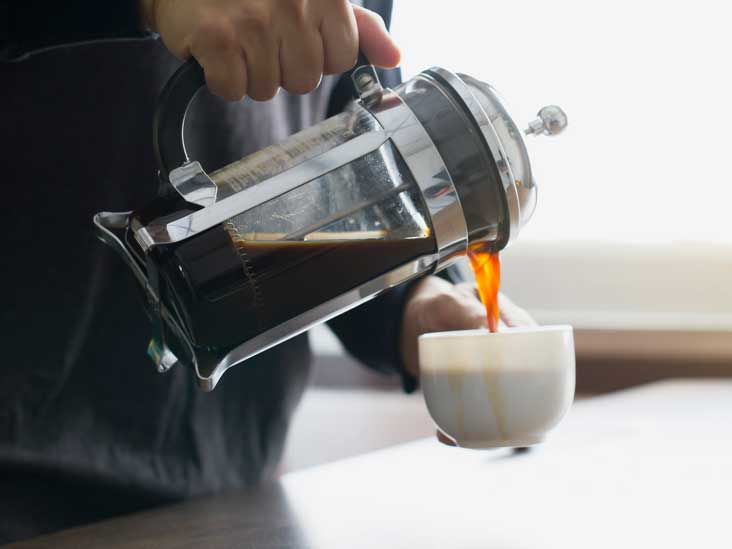
Decaf coffee has spent years sitting at the edge of café culture like the sensible friend who offers to drive everyone home. It looks like coffee, smells like coffee, and can taste remarkably like coffee, yet some people still treat it as a suspicious brown impostor.
So, is decaf coffee good or bad for your health? For most adults, the evidence points toward a reassuring answer: decaf can be a healthy beverage, especially for people who enjoy coffee but do not tolerate caffeine well. It retains many of coffee’s plant compounds while greatly reducing the stimulant responsible for jitters, sleepless nights, and the occasional sensation that your heart has joined a drumline.
However, decaf is not completely caffeine-free, it can still aggravate certain digestive symptoms, and the way it is processed, brewed, and dressed up with sugar matters. Here is an evidence-based look at its benefits, possible drawbacks, and how to decide whether it deserves a place in your mug.
What Is Decaf Coffee?
Decaf coffee begins as ordinary green coffee beans. Before roasting, manufacturers remove most of the naturally occurring caffeine through a process involving water, carbon dioxide, ethyl acetate, methylene chloride, or a combination of soaking and filtration techniques.
In the United States, decaffeination generally removes at least 97% of the original caffeine. An eight-ounce cup of regular brewed coffee often contains around 95 milligrams of caffeine, although the exact amount varies widely. A similar serving of decaf commonly contains approximately 2 to 15 milligrams. That is a major reduction, but it is not zero. A giant café mug holding three servings can therefore deliver more caffeine than its innocent “decaf” label might suggest.
How Is Caffeine Removed?
The main decaffeination methods include:
- Water processing: Water draws caffeine and other soluble compounds from the beans. Specialized carbon filters capture the caffeine while flavor-containing liquid is reused to help preserve the beans’ character.
- Supercritical carbon dioxide processing: Pressurized carbon dioxide selectively binds to caffeine and removes it from moist green beans.
- Ethyl acetate processing: Ethyl acetate acts as a solvent that attracts caffeine. It may be marketed as a “natural” process because the compound occurs in fruit, although the ethyl acetate used commercially does not necessarily come directly from fruit.
- Methylene chloride processing: This solvent efficiently removes caffeine and largely evaporates during processing and roasting.
Each method can produce safe, flavorful coffee when properly controlled. Water- and carbon dioxide-processed beans appeal to shoppers who prefer to avoid solvent-based decaffeination, while solvent processing can preserve flavor efficiently and keep costs lower.
Potential Health Benefits of Decaf Coffee
1. It Provides Coffee Compounds Without a Large Caffeine Dose
Coffee contains hundreds of biologically active substances, including chlorogenic acids and other polyphenols. These compounds have antioxidant and anti-inflammatory activity in laboratory research. Although decaffeination may reduce some of them, decaf still supplies a meaningful amount.
This is important because many associations between coffee and long-term health also appear among decaf drinkers. In other words, caffeine is not the only member of coffee’s supporting cast. The beans bring plenty of their own talent. Harvard nutrition experts note that many metabolic associations observed with regular coffee are also seen with decaf, possibly because both contain polyphenols that influence inflammation, metabolism, and the gut microbiome.
2. It May Be Easier on Sleep and Anxiety
Caffeine blocks adenosine, a brain chemical involved in sleepiness. For sensitive people, even an afternoon cup can delay sleep, increase nighttime awakenings, or produce nervousness and racing thoughts. Switching to decaf can preserve the warmth, aroma, and routine of coffee without delivering the same stimulating dose.
This can be particularly useful for people who metabolize caffeine slowly, experience palpitations after coffee, take medications that affect caffeine metabolism, or simply discover that their 3 p.m. latte is still hosting a party in their nervous system at midnight. Decaf is not guaranteed to be symptom-free because it retains some caffeine, but it is generally much less likely to interfere with sleep.
3. It Is Associated With a Lower Risk of Type 2 Diabetes
Large observational studies have linked both caffeinated and decaffeinated coffee consumption with a lower incidence of type 2 diabetes. One major meta-analysis involving more than one million participants found an inverse relationship for both varieties. This suggests that compounds other than caffeine may influence glucose metabolism or insulin sensitivity.
That does not mean decaf prevents diabetes, nor does it transform a caramel-covered whipped-cream coffee into medicine. Observational research cannot prove cause and effect, and a person’s overall diet, activity level, body composition, sleep, and genetics remain much more important. Still, the consistency of the association makes plain or lightly sweetened decaf a reasonable beverage within a balanced eating pattern.
4. Decaf May Support Liver Health
Coffee consumption has repeatedly been associated with better liver outcomes, including lower rates of chronic liver disease and liver cancer. Benefits often appear stronger with regular coffee, but some research also finds favorable associations with decaf.
Researchers are still working out which coffee compounds are most relevant and how brewing style, dose, and individual health conditions affect the results. Decaf should not replace medical treatment for fatty liver disease, hepatitis, or any other condition. Nevertheless, an unsweetened cup can fit comfortably into many liver-friendly dietary patterns.
5. It May Offer Some of Coffee’s Long-Term Health Associations
Studies examining mortality have found that decaf drinkers may share some of the lower all-cause mortality associations seen among regular coffee drinkers. Coffee has also been studied in relation to cardiovascular disease and certain cancers.
These findings should be interpreted carefully. Coffee drinkers and non-coffee drinkers can differ in many ways, and no beverage guarantees a longer life. Even so, current evidence does not support the old idea that decaf is nutritionally pointless. It is more accurately described as coffee with much less caffeine, not coffee with its entire personality removed.
6. It Can Help People Reduce Caffeine Without Losing the Ritual
Caffeine reduction can be surprisingly difficult when coffee is tied to waking up, commuting, workplace breaks, conversation, or relaxation. Decaf offers a practical bridge. It allows someone to keep the mug, grinder, brewing ritual, and coffee-shop outing while reducing the stimulant.
People who stop caffeine suddenly may experience headaches, fatigue, irritability, or difficulty concentrating. Gradually replacing regular coffee with half-caf and then decaf may make the transition more comfortable.
Possible Downsides of Decaf Coffee
Decaf Still Contains Some Caffeine
Most people will not notice the small amount of caffeine in one cup. However, individuals with extreme caffeine sensitivity may react to several servings. Caffeine can also accumulate from tea, chocolate, soda, medications, energy products, and multiple cups of decaf.
Pregnant people are generally advised to keep total caffeine intake below 200 milligrams per day. Decaf can make that limit easier to follow, but serving sizes and other caffeine sources still count. Anyone who has been told to avoid caffeine completely should check product information and discuss an appropriate limit with a healthcare professional.
It Can Still Trigger Heartburn or Digestive Symptoms
Removing caffeine does not remove every acid and compound in coffee. Decaf can still stimulate stomach acid, gastrin release, intestinal movement, and the gastrocolic reflex. Some people find that decaf causes less reflux than regular coffee, while others experience little difference.
If coffee aggravates heartburn, nausea, loose stools, irritable bowel symptoms, or bladder discomfort, test a smaller serving and drink it with food. A low-acid roast or cold-brewed decaf may feel gentler, but individual reactions matter more than marketing claims.
Brewing Method May Affect Cholesterol
Coffee naturally contains oily compounds called cafestol and kahweol. These substances can raise LDL cholesterol when consumed in substantial amounts, and they are present in both regular and decaf beans.
Paper filters trap much of these compounds. French press, Turkish coffee, Scandinavian boiled coffee, and some espresso-based drinks allow more coffee oils into the cup. Anyone managing high LDL cholesterol may benefit from choosing paper-filtered decaf instead of assuming that removing caffeine removes every cardiovascular consideration. Research on decaf and blood lipids has produced mixed results, but caffeine itself is not the only relevant factor.
What About Methylene Chloride?
Methylene chloride is a chemical solvent used to decaffeinate some coffees. High occupational exposure is hazardous, which understandably makes its appearance on a coffee-processing flowchart sound less than cozy.
U.S. regulations allow methylene chloride residues in decaffeinated roasted or instant coffee at no more than 10 parts per million. Processing, steaming, drying, and roasting remove the overwhelming majority of the solvent. Consumers who still prefer to avoid it can look for labels such as “water processed,” “Swiss Water Process,” “mountain water process,” “CO2 process,” or certified organic, since organic standards do not permit methylene chloride processing.
The sensible takeaway is not that all solvent-decaffeinated coffee is dangerous. It is that shoppers have options, and manufacturers should be transparent about the method they use.
The Extras Can Turn It Into Dessert
Plain decaf is naturally low in calories. A large decaf drink containing flavored syrup, sweetened cream, whipped topping, chocolate drizzle, and cookie crumbs is a different nutritional event altogether. The cup may be caffeine-light while remaining heavy in added sugar and saturated fat.
A recent U.S. cohort analysis found that favorable mortality associations were most apparent with black coffee or coffee containing relatively little added sugar and saturated fat. You do not have to drink it bitter and joyless, but modest additions make a meaningful difference.
Is Decaf Better Than Regular Coffee?
Neither type wins every category. The better choice depends on what you want from the cup.
| Consideration | Regular Coffee | Decaf Coffee |
|---|---|---|
| Alertness and exercise performance | Usually more effective because of caffeine | Provides little stimulant effect |
| Sleep and caffeine-related anxiety | More likely to cause problems | Usually the better choice |
| Antioxidants and polyphenols | Contains substantial amounts | Retains substantial amounts, though levels may differ |
| Pregnancy caffeine limits | Requires closer tracking | Makes staying under the limit easier |
| Heartburn and bowel stimulation | Can trigger symptoms | May be gentler, but can still trigger symptoms |
| Flavor | Often has a wider specialty selection | Can be excellent when fresh and carefully processed |
Regular coffee may be preferable when someone wants alertness and tolerates caffeine well. Decaf may be better for evening drinking, caffeine sensitivity, pregnancy-related caffeine management, anxiety, insomnia, certain palpitations, or a deliberate caffeine reduction plan.
How to Choose a Better Decaf Coffee
- Check the decaffeination method. Choose water- or carbon dioxide-processed beans when avoiding chemical solvents is a priority.
- Buy fresh beans. Decaf becomes stale just like regular coffee. Look for a roast date rather than relying only on an expiration date.
- Choose medium or medium-dark roasts. These often balance sweetness, body, and acidity without tasting scorched.
- Use paper filtration if cholesterol is a concern. A drip brewer, pour-over cone, or AeroPress with a paper filter can reduce coffee oils.
- Watch cup size. Twelve, sixteen, or twenty ounces may contain multiple standard servings.
- Keep additions reasonable. A splash of milk or a small amount of sweetener is very different from turning the cup into a liquid birthday cake.
- Listen to your body. If decaf still causes reflux, urgency, headache, or palpitations, reduce the serving or choose another beverage.
Who May Benefit Most From Switching to Decaf?
Decaffeinated coffee can be especially useful for people who:
- Experience insomnia or poor sleep after drinking regular coffee
- Develop jitters, anxiety, tremors, or palpitations from caffeine
- Want coffee later in the afternoon or evening
- Are pregnant, breastfeeding, or trying to manage total caffeine intake
- Take medications that increase caffeine sensitivity or slow its metabolism
- Want to reduce caffeine dependence gradually
- Enjoy coffee’s flavor and social ritual more than its stimulant effect
People with persistent palpitations, uncontrolled blood pressure, severe reflux, chronic digestive symptoms, pregnancy complications, or medication concerns should seek individualized medical advice rather than using decaf as a do-it-yourself treatment.
Experiences With Decaf Coffee: What the Switch Often Feels Like
The following scenarios are illustrative composites based on commonly reported experiences. They are not individual medical case histories.
The Afternoon Coffee Drinker Who Finally Sleeps
A common decaf convert is someone who insists that caffeine “doesn’t affect me” while also lying awake at 1 a.m. mentally reorganizing the garage. The person may fall asleep normally but wake repeatedly or feel as though sleep never becomes deep and restorative.
Replacing a midafternoon regular coffee with decaf may not create a dramatic first-day transformation. Over one or two weeks, however, the person may notice fewer restless evenings, an easier bedtime, and less temptation to hit the snooze button six times the next morning. The coffee ritual remains: a warm mug, a break from the screen, and ten quiet minutes. The invisible stimulant bill simply stops arriving at bedtime.
The Anxious Coffee Lover Who Chooses Half-Caf First
Another frequent experience begins with someone who loves coffee but dislikes the shaky hands, racing thoughts, and pounding heartbeat that sometimes follow the second cup. Quitting suddenly leads to headaches and a personality best described as “please do not schedule meetings.”
A gradual transition often works better. The person mixes equal portions of regular and decaf beans for a week, then shifts toward mostly decaf. Morning fatigue may be noticeable at first, but withdrawal symptoms tend to be more manageable. Eventually, the individual discovers that much of the enjoyment came from aroma, warmth, taste, and routine rather than from caffeine alone.
The Evening Diner Who Wants Coffee With Dessert
For some people, decaf is not a replacement for morning coffee at all. It is an additional option. They still enjoy regular coffee after breakfast but choose decaf at restaurants, family gatherings, or late-night work sessions.
This approach can be surprisingly satisfying because it avoids the all-or-nothing mindset. The person gets an alertness boost when it is useful and chooses decaf when the goal is flavor, companionship, or a pleasant ending to a meal. The only disappointment may be discovering that a restaurant’s decaf has been sitting on a hot plate since the previous presidential administration. Freshly brewed decaf makes a much stronger argument for itself.
The Person With Heartburn Who Learns That Decaf Is Not Magic
Some coffee drinkers switch to decaf expecting every digestive symptom to disappear. Their reflux improves slightly, but it does not vanish. This can happen because caffeine is only one possible trigger. Coffee’s acids, natural oils, serving temperature, cup size, and added cream may also matter.
Through experimentation, the person may find that a smaller paper-filtered decaf consumed after breakfast is comfortable, while a large dark roast on an empty stomach is not. Cold-brewed decaf might feel gentler. Alternatively, all coffee may remain troublesome, demonstrating that “decaf” and “stomach-neutral” are not synonyms.
The Specialty-Coffee Skeptic Who Finds a Better Bean
Many people dislike decaf because their first experience involved stale, preground coffee with the flavor profile of damp cardboard. Modern specialty roasters have improved the situation considerably. High-quality beans, careful water or carbon dioxide processing, proper storage, and fresh grinding can produce decaf with sweetness, acidity, aroma, and body.
The key lesson is that decaf is a category, not a single flavor. One bag may taste flat, while another offers notes of chocolate, caramel, nuts, berries, or citrus. Brewing it with the correct water temperature and coffee-to-water ratio also matters. Bad decaf is certainly real, but bad regular coffee has never exactly been placed on the endangered species list.
The Bottom Line: Is Decaf Coffee Good or Bad?
For most people, decaf coffee is more good than bad. It delivers many of coffee’s polyphenols and familiar sensory pleasures with only a small fraction of the caffeine. It may be a particularly smart choice for people dealing with caffeine sensitivity, anxiety, poor sleep, pregnancy-related caffeine limits, or a desire to enjoy coffee later in the day.
Decaf is not a cure-all. It can still contain caffeine, trigger reflux or bowel activity, contribute coffee oils when brewed without a paper filter, and become nutritionally questionable when loaded with sugar and cream. Long-term health findings are encouraging but largely observational, so they should not be interpreted as proof that decaf prevents disease.
The best cup is fresh, sensibly portioned, prepared in a way that suits your health needs, and enjoyable without requiring half a bottle of syrup. If decaf helps you sleep better while keeping coffee in your life, that is not a downgrade. It is simply coffee with a quieter personality.
Note: This article provides general educational information and is not a substitute for individualized medical advice. Consult a qualified healthcare professional about caffeine restrictions, pregnancy, medications, heart rhythm symptoms, persistent reflux, or other health concerns.