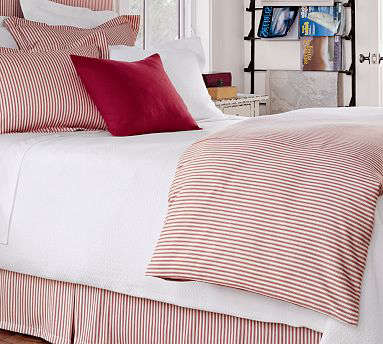
A classic ticking stripe duvet cover and sham set is proof that bedroom style does not need to shout to make an entrance. Sometimes all it takes is a few narrow stripes, a soft neutral background, and the confidence to look polished without behaving like a hotel lobby that charges $18 for bottled water.
Ticking stripe bedding has stayed popular because it feels familiar, versatile, and pleasantly unfussy. The look works in farmhouse bedrooms, coastal spaces, cottage-inspired homes, traditional rooms, and even modern bedrooms that need a little personality without turning into a pattern convention. A striped duvet cover can make the bed feel finished, while matching shams help create the “I definitely make my bed every morning” illusion, even if that is not always technically true.
This guide explains how to choose, style, wash, and enjoy a classic ticking stripe duvet cover and sham set, whether you want a relaxed country look, a crisp blue-and-white bedroom, or a soft neutral retreat that feels like a weekend getaway.
What Is a Classic Ticking Stripe Duvet Cover?
Ticking stripe is a narrow, repeated stripe pattern traditionally associated with durable woven fabric. Historically, ticking fabric was often used for mattress and pillow covers because the tight weave helped contain stuffing. Today, ticking-inspired bedding brings that practical heritage into the bedroom in a much softer, more decorative form.
A classic ticking stripe duvet cover usually features thin vertical stripes in colors such as navy, charcoal, soft gray, faded denim blue, beige, black, sage, or muted red. The background is often white, ivory, cream, flax, or natural cotton. The overall effect is neat but relaxed: structured enough to look tailored, casual enough to survive a Sunday afternoon nap and a small dog claiming center-bed privileges.
A duvet cover is the removable outer layer that slips over a duvet insert or comforter. It protects the insert, changes the visual style of the bed, and makes laundry day more manageable. Matching shams are decorative pillow covers designed to coordinate with the duvet cover, creating a more layered and intentional bed setup.
Why Ticking Stripe Bedding Never Feels Outdated
Home trends come and go. One year everyone wants dramatic black walls; the next year every room looks like it was inspired by an oat milk latte. Ticking stripe survives because it is not overly tied to one era. It has a timeless balance of pattern and restraint.
It Adds Pattern Without Visual Chaos
Wide stripes can dominate a room, while loud geometric prints may feel busy after a few months. Ticking stripes are narrower and more subtle, so they add texture without overwhelming the rest of the bedroom. This makes them especially useful in spaces with patterned rugs, wallpaper, artwork, or vintage furniture.
It Works With Many Bedroom Styles
A navy ticking stripe duvet cover can lean coastal, Americana, traditional, cottage, or farmhouse depending on the surrounding decor. A charcoal stripe can feel more modern and minimalist. A beige or flax stripe works beautifully in rustic, Scandinavian, and neutral bedrooms.
That flexibility is valuable because changing bedding is far easier than repainting walls, replacing furniture, or explaining to your spouse why the bright yellow armchair “has artistic tension.”
It Looks Better When the Bed Is Slightly Imperfect
Some bedding requires military-level folding precision to look good. Ticking stripe does not. A little natural wrinkling, a casually folded throw, or slightly rumpled shams can make the room feel welcoming rather than staged. The stripes bring enough order that the bed still looks intentional.
Choosing the Best Fabric for a Ticking Stripe Duvet Cover
The right fabric matters just as much as the stripe color. A duvet cover is something you see every day and touch every night, so it should work with your sleep habits, climate, and patience for ironing.
Cotton Percale: Crisp, Cool, and Classic
Cotton percale is a popular choice for ticking stripe bedding because it has a clean, matte finish that suits the traditional look of the pattern. Percale often feels crisp, lightweight, and breathable, making it a smart option for warm sleepers or people who like that fresh-sheet feeling.
A percale ticking stripe duvet cover can make a bedroom feel like a charming inn on the Maine coast, minus the obligatory antique lobster trap hanging in the hallway.
Cotton Sateen: Softer and Slightly More Luxurious
Cotton sateen has a smoother feel and a subtle sheen. It drapes more softly than percale and can make ticking stripes appear a little more refined. This fabric works well in bedrooms where you want the pattern to feel polished rather than rustic.
Choose sateen if you enjoy silky-soft bedding, sleep a bit cooler, or want your stripe duvet cover to have a more elevated hotel-inspired look.
Linen or Linen-Cotton Blends: Relaxed and Textured
Linen bedding offers breathable comfort and a naturally textured appearance. A linen ticking stripe duvet cover is especially appealing in coastal, cottage, and casual modern spaces. It has a beautifully lived-in look, which is useful for anyone who would rather spend Saturday morning drinking coffee than ironing a duvet cover.
Linen-cotton blends are a practical middle ground. They offer some of linen’s texture while adding the softness and easy-care benefits of cotton.
Organic Cotton: A Considered Choice
Organic cotton duvet covers appeal to shoppers who want bedding made with certified organic fibers. When comparing options, look beyond the label and consider the weave, closure style, construction, and care instructions. A well-made organic cotton ticking stripe duvet cover should still feel comfortable, durable, and suited to your preferred sleep temperature.
How to Choose the Right Stripe Color
The stripe color sets the tone for the entire room. Since the bed is usually the largest visual feature in a bedroom, choosing the right shade can make decorating much easier.
Navy Blue Ticking Stripe
Navy ticking stripe bedding is a classic favorite. It pairs well with white walls, warm wood furniture, brass lamps, woven baskets, and red or tan accents. Use it in coastal bedrooms, traditional guest rooms, boys’ rooms, or cottage-inspired spaces.
Gray or Charcoal Ticking Stripe
Gray ticking stripes feel more contemporary. They pair beautifully with black metal beds, white oak furniture, textured cream throws, and muted green or blue accent pillows. This color palette works especially well for modern farmhouse and transitional bedrooms.
Beige, Flax, or Taupe Ticking Stripe
Warm neutral stripes create a soft and restful look. Pair them with ivory sheets, oatmeal blankets, natural wood nightstands, and linen curtains. The result feels calm, layered, and pleasantly immune to passing trends.
Black Ticking Stripe
Black ticking stripe bedding creates more contrast while still feeling classic. It works well in monochrome bedrooms, vintage-inspired spaces, and rooms with white walls and dark furniture. Add a chunky knit throw or leather accent pillow to keep the look warm rather than stark.
Getting the Duvet Cover Size Right
Before buying a classic ticking stripe duvet cover, check the dimensions of both your mattress and duvet insert. Bedding sizes can vary by brand, especially for queen, king, and California king options. “Queen” is not always a universal measurement; bedding labels occasionally behave like clothing sizes, which is to say they enjoy a little mystery.
For the best fit, compare the duvet cover’s measurements with your insert rather than relying only on the mattress size. A cover that is too large can make the insert shift and bunch. A cover that is too small may make the bed look overstuffed and awkward.
Look for useful construction details such as:
- Interior corner ties to secure the duvet insert
- Button, zipper, or hidden closure at the bottom
- Generous dimensions for thicker mattresses
- Reinforced seams for everyday use
- Machine-washable fabric for easier maintenance
Why Matching Shams Make a Difference
A duvet cover can stand alone, but matching shams give the bed a more complete and balanced appearance. They help frame the head of the bed and create a coordinated backdrop for sleeping pillows and accent cushions.
For a simple setup, use two standard or king shams matching the ticking stripe duvet cover. For a more layered look, place the matching shams at the back, add white sleeping pillows in front, then finish with one lumbar pillow or a small patterned accent pillow.
The trick is to mix textures rather than pile on competing patterns. Ticking stripe pairs well with quilted cotton, waffle blankets, knitted throws, linen pillow covers, small florals, gingham, and subtle checks. Just avoid adding five different stripe patterns unless your goal is to recreate a particularly stylish circus tent.
How to Style a Classic Ticking Stripe Bed
Create a Coastal Bedroom
Use a blue-and-white ticking stripe duvet cover with white sheets, a light blue throw, woven baskets, and natural wood furniture. Add a simple ceramic lamp or framed seascape for a relaxed coastal feel. Keep the accessories light and airy rather than overly themed; one small shell is charming, forty-seven shells is a souvenir shop.
Build a Farmhouse-Inspired Bedroom
Pair navy, charcoal, or black ticking stripe bedding with a wood bed frame, neutral walls, a quilted coverlet, and a chunky knit blanket. Add vintage-style artwork, a woven bench, or a simple iron bed for warmth and character.
Use Ticking Stripe in a Guest Room
Ticking stripe bedding is ideal for guest rooms because it feels clean, welcoming, and not overly personal. Choose a soft blue, gray, or neutral stripe, then add fresh white sheets and an extra folded blanket at the foot of the bed. Guests may not remember every decorative detail, but they will remember a comfortable bed.
Make a Small Bedroom Feel More Collected
In a smaller bedroom, use a low-contrast ticking stripe such as gray-on-white or beige-on-ivory. This adds visual interest without making the room feel crowded. Keep the rest of the palette simple, use one or two accent colors, and avoid oversized decorative pillows that consume half the mattress before bedtime.
How to Wash and Care for Ticking Stripe Bedding
Always follow the care label on your specific duvet cover and sham set, since fabric blends, dyes, and closures vary. In general, cotton and linen bedding are often washed in cold water on a gentle cycle with mild detergent. Close buttons or zippers before washing so they do not snag the fabric or turn the laundry drum into a tiny percussion instrument.
Wash striped bedding with similar colors, especially during the first few washes. Use non-chlorine bleach only when the label allows it. Tumble dry on low heat or remove the bedding while slightly damp and smooth it onto the bed for a more relaxed finish.
For crisp percale bedding, a warm iron can sharpen the look of the stripes. For linen or washed cotton, embrace a little texture. A ticking stripe duvet cover does not need to be perfectly wrinkle-free to look beautiful; a few soft creases are part of its charm.
Common Mistakes to Avoid
Buying Only by Thread Count
Thread count is only one part of the story. Fiber quality, weave, fabric weight, construction, and finishing matter too. A breathable cotton percale cover with a moderate thread count may feel better for a hot sleeper than a very high-thread-count sateen cover.
Ignoring the Duvet Insert
A beautiful ticking stripe duvet cover cannot rescue an insert that is too flat, too warm, too small, or constantly sliding into a lumpy corner. Choose an insert suited to your climate and use the interior ties whenever possible.
Overloading the Bed With Patterns
Ticking stripe is versatile, but it still deserves room to breathe. Combine it with solids, textures, or one additional small-scale pattern. The bed should feel layered, not like it was dressed by a committee that refused to compromise.
Forgetting About Everyday Practicality
A duvet cover should look good, but it should also survive real life. Consider pets, children, laundry habits, warm sleeping, and how often you want to change bedding. A washable cotton or cotton-linen blend is usually a sensible choice for busy households.
Is a Classic Ticking Stripe Duvet Cover and Sham Set Worth It?
For many bedrooms, yes. A classic ticking stripe duvet cover and sham set delivers more than one decorative job at a time. It adds pattern, creates a polished focal point, works with multiple interior styles, and can be refreshed seasonally with different throws or accent pillows.
It is also a practical investment in flexibility. Instead of changing the entire bedroom every time your taste evolves, you can keep the same striped duvet cover and update the surrounding accents. Swap in a rust-colored throw for fall, pale blue pillows for spring, forest green velvet for winter, or sunny yellow accents when the room needs a little extra optimism.
Classic ticking stripe bedding is not flashy, and that is exactly its strength. It is comfortable, adaptable, and quietly charming. Like a favorite white shirt or a well-worn denim jacket, it earns its place by being useful, good-looking, and surprisingly easy to live with.
Experiences With a Classic Ticking Stripe Duvet Cover & Sham
Living with a classic ticking stripe duvet cover and sham set feels different from simply looking at one in a product photo. In a catalog, the stripes are perfectly aligned, the pillows stand at attention, and the room appears to receive sunlight from a window that probably overlooks a very expensive herb garden. In real life, the experience is more practical, more relaxed, and honestly more appealing.
One of the first things people notice is how quickly ticking stripe bedding makes a room look pulled together. A plain bed with white sheets can look clean, but it may also feel unfinished. Add a striped duvet cover, two coordinating shams, and one textured throw blanket, and suddenly the bedroom looks intentionally styled. The transformation does not require a decorator, a new bed frame, or a minor mortgage application.
The pattern is especially forgiving in everyday use. Solid white duvet covers can look elegant, but they also reveal every wrinkle, pet hair, and suspicious crumb with the enthusiasm of a crime-scene spotlight. Ticking stripes are more relaxed. The narrow lines create visual movement, so small wrinkles blend in more naturally. A bed can look slightly rumpled and still feel inviting rather than neglected.
Many people also appreciate how easy the pattern is to decorate around. In one season, a navy ticking stripe duvet cover may be paired with cream knit pillows and a tan wool blanket for a cozy traditional look. A few months later, the same bedding can feel fresher with white linen pillowcases, pale blue accents, and a lightweight cotton throw. The duvet cover remains useful because it does not force the room into one specific style.
There is also a comfort factor that becomes obvious after a few nights. A cotton percale ticking stripe duvet cover tends to feel crisp and breathable, especially for people who dislike heavy or overly silky bedding. It has that familiar fresh-laundry feeling that makes climbing into bed feel slightly more rewarding. For people who sleep warm, the light texture and airy feel can make the bed feel less stifling during warmer nights.
On the other hand, someone who prefers a smoother, softer feel may enjoy ticking stripe bedding in cotton sateen or a washed cotton finish. The pattern still looks classic, but the fabric feels less structured and more drapey. This is a good reminder that the same stripe design can create very different experiences depending on the weave and fabric choice.
Matching shams also make a bigger difference than expected. At first, they may seem like a decorative extra, but they help the bed look complete when it is made. Placing striped shams behind white sleeping pillows creates depth without making the bed difficult to use. During the day, they act as a simple backdrop. At night, they can be moved aside in seconds. No elaborate pillow choreography required.
The most practical experience comes on laundry day. A removable duvet cover is easier to wash than a bulky comforter, especially when you have pets, children, allergies, or a fondness for breakfast in bed that occasionally becomes breakfast near the bed. Washing the cover separately keeps the bedding fresher and lets you update the bedroom’s look without replacing the insert.
Over time, a good ticking stripe duvet cover often becomes more appealing because it starts to feel like part of the home rather than a temporary trend. The colors soften, the fabric becomes more familiar, and the bedroom develops a comfortable, lived-in character. It is the kind of bedding that works during busy weekdays, lazy weekends, guest visits, and those rare mornings when you manage to make the bed before noon.