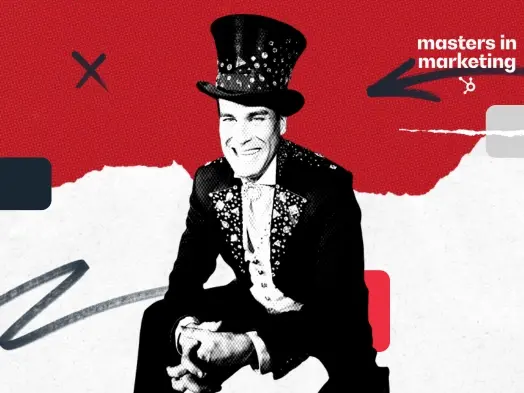
Leadership advice usually arrives wearing a navy blazer, holding a laser pointer, and saying things like “synergize cross-functional outcomes.” Useful? Sometimes. Memorable? Only if the projector catches fire. But every so often, a better teacher enters the room in a top hat, a tailcoat, and the sort of stage presence that makes a tent full of tired parents, sugar-powered children, and skeptical teenagers suddenly sit up straight.
That teacher is the ringmaster. More specifically, the modern ringmaster-entrepreneur: the person who must sell the dream, protect the people, move the show, solve the crisis, honor the craft, and still make the audience believe everything is effortless. Kevin Venardos, founder and ringmaster of Venardos Circus, offers a vivid example. A former Ringling Bros. ringmaster, he built a Broadway-style, animal-free traveling circus around a simple but demanding idea: invite people to “live your circus dream,” then do the hard operational work required to make that dream real.
That is where the leadership lesson begins. A circus looks like sparkle, laughter, aerial grace, popcorn, and the magical disappearance of your budget at the concessions stand. Behind the curtain, however, it is logistics, trust, training, exhaustion, uncertainty, weather, community partnerships, and a team that cannot fake alignment because the trapeze does not care about your quarterly slide deck. Circus leadership is not cute leadership. It is serious leadership in sequins.
Why Ringmaster Leadership Still Matters
The American circus has always been more than entertainment. It has been a traveling business, a cultural ritual, a feat of logistics, and a public promise: come inside, and the ordinary world will pause for a while. Historically, circus day could transform a town. Modern circuses may be smaller, more theatrical, and more human-centered than the old railroad spectacles, but the leadership challenge remains beautifully intense.
A ringmaster is not simply a person who announces acts. The role is part host, part narrator, part emotional translator, part safety-conscious traffic controller, and part keeper of momentum. In business terms, the ringmaster owns the audience experience while coordinating the invisible handoffs that make the show feel seamless. In human terms, the ringmaster says, “You are safe to be amazed.”
That is exactly what strong leaders do. They do not perform every act themselves. They create the conditions in which specialists can do their best work, customers know what to expect, and everyone understands why the next moment matters.
Lesson 1: Use Your Dream to Help Other People Achieve Theirs
The most durable leadership dreams are never purely personal. A dream that only feeds the founder eventually becomes a vanity project with merch. A dream that creates space for others becomes an ecosystem.
Venardos’ story is powerful because his circus began with ambition but matured into service. The early version was not glamorous. It involved debt, risk, rented equipment, and the ancient entrepreneurial ritual of wondering whether confidence can be used as legal tender. Yet the deeper lesson was not simply “follow your dream.” That phrase looks nice on a mug, but it is too thin for real leadership. The better question is: Who grows because your dream exists?
For a touring circus, success can help nearby businesses, local venues, performers, technicians, vendors, families, and audiences. For a company, the same principle applies. A leader’s vision should create opportunity beyond the leader’s ego. The best leaders ask: Does this project help customers solve a real problem? Does it give employees room to develop? Does it strengthen partners instead of squeezing them until they squeak?
Practical takeaway
Before launching a major initiative, write one sentence for each group affected: customers, employees, partners, and community. If you cannot explain how the dream helps them, the dream may need a tune-up. Possibly also a helmet.
Lesson 2: Emotional Connection Is Not Fluff; It Is Infrastructure
In a circus, emotional connection is not a decorative extra. It is the tent pole. People buy tickets for acrobatics, comedy, music, and wonder, but they return because they felt something. They felt welcomed. They felt included. They felt, for two hours, that the world was less heavy.
This matters for leadership because customers and teams are not spreadsheets with shoes. People remember how an organization makes them feel. A brand can have a crisp logo, a polished website, and a social media calendar so organized it deserves its own tiny parade, but if customers feel processed instead of valued, the magic leaks out.
During the pandemic, live performance organizations faced brutal pressure. The performing arts suffered major losses as venues closed, tours stopped, and audiences moved online. Some organizations survived by leaning into digital experiences, community support, and the emotional loyalty they had built before the crisis. That is not sentimental; it is strategic. Emotional connection becomes resilience when normal operations collapse.
Practical takeaway
Audit your customer and employee touchpoints. Where do people feel seen? Where do they feel like a ticket number? Then fix the cold spots. A tiny moment of warmth often costs less than another campaign and works harder than another slogan.
Lesson 3: Clear Expectations Make Creativity Safer
Creative environments are not lawless jungles where everyone simply vibes in glitter. The best creative teams usually have strong boundaries. In a circus, everyone needs to know the sequence, timing, cues, equipment standards, safety rules, and backup plans. The audience may see wonder. The team sees choreography.
This is one of the most useful leadership lessons from the ring. Happiness at work is not created by vague niceness. It is created by clarity, fairness, and follow-through. People want to know what excellence looks like. They want the tools to do the job. They want accountability to apply to everyone, not just the person who forgot to bring donuts.
Leadership research consistently points to the importance of expectations, psychological safety, and manager follow-through. People are more engaged when they understand what is expected, have the materials they need, and feel able to speak up. In circus language: no one wants to climb the aerial silk while the lighting cue is “surprise me.”
Practical takeaway
Replace fuzzy standards with clear agreements. Instead of “communicate better,” define the behavior: “Respond to customer escalations within one business day,” or “Flag safety risks before rehearsal ends.” Clear does not mean cold. Clear is kind.
Lesson 4: The Leader Is Not the Show
The ringmaster may stand in the spotlight, but the ringmaster is not the entire circus. This is the leadership ego test. Weak leaders treat the stage as proof of personal importance. Strong leaders use the stage to direct attention toward others.
In a healthy circus, the aerialist, juggler, clown, musician, ticket seller, concessions worker, rigger, driver, and production crew all matter. The person greeting families at the entrance shapes the experience before the first act begins. The person checking equipment protects the show long before the audience applauds. The person sweeping the floor after everyone leaves is preserving tomorrow’s magic.
Business leaders should steal this idea immediately, preferably without wearing a cape to the board meeting. Titles define responsibility, not human worth. When leaders confuse rank with value, teams become political. When leaders honor every role, teams become coordinated.
Practical takeaway
Publicly connect invisible work to visible success. Say, “This launch worked because support handled the first wave of questions,” or “The event felt smooth because operations solved the boring problems before they became exciting disasters.” People repeat what leaders recognize.
Lesson 5: Vulnerability Builds Trust When It Serves the Mission
One of the most striking parts of Venardos’ leadership story is his willingness to talk about struggle: debt, mistakes, uncertainty, and the terrifying gap between the dream and the bank account. That kind of honesty can be powerful because it makes the mission human. It tells the team and audience, “This is not a machine. This is a living effort.”
Vulnerability in leadership is not emotional dumping. Your team does not need a 42-minute monologue about your inbox anxiety while the coffee gets cold. Useful vulnerability is disciplined. It reveals enough truth to build trust, invite contribution, and show that mistakes can become material for growth.
In circus terms, the wobble matters. Nobody wants an unsafe performance, but audiences are moved by the visible courage of a human being attempting something difficult. Teams are similar. They do not need invincible leaders. They need honest leaders who keep moving, keep learning, and do not pretend the net was their idea after they already fell.
Practical takeaway
When discussing a setback, use three parts: what happened, what you learned, and what changes now. This keeps vulnerability from becoming theater and turns it into leadership.
Lesson 6: Reinvention Is a Survival Skill
The circus world has had to reinvent itself repeatedly. Audience expectations changed. Animal acts became ethically and commercially difficult. Technology changed how people discover events. The pandemic forced live entertainment to confront the unthinkable: what happens when gathering in person is suddenly impossible?
Modern circus leadership is therefore a master class in adaptation. Ringling Bros. returned as a reimagined, animal-free production focused on human skill and modern spectacle. Venardos Circus built its identity around theatrical storytelling, intimacy, and a contemporary animal-free model. The lesson for leaders is simple: tradition is valuable, but only if it remains alive enough to change.
Organizations often cling to old formulas because those formulas once worked. The circus reminds us that nostalgia is a lovely guest but a terrible CEO. Leaders must preserve the emotional core while updating the delivery. Keep the wonder. Change the wagon.
Practical takeaway
Ask your team: “What part of our work is sacred, and what part is simply familiar?” Protect the first. Experiment with the second.
Lesson 7: Leadership Is Choreographed Attention
A ringmaster controls attention. Not in a manipulative way, but in a generous one. The audience cannot watch everything at once, so the ringmaster helps them know where to look, what to feel, and why the moment matters. That is a leadership superpower.
In companies, attention is constantly under attack. Teams are pulled between urgent messages, shifting goals, dashboards, meetings, new tools, and the small existential crisis caused by the phrase “quick sync.” Leaders must focus attention without suffocating initiative. They frame the priority, name the risk, spotlight the progress, and keep the organization from wandering into the parking lot emotionally.
The best leaders are editors of attention. They reduce noise. They repeat the mission. They help people see the next act without forgetting the whole show.
Experience Section: What a Circus Can Teach Anyone Who Has Ever Led a Team
I once watched a small traveling show set up in the kind of open lot that looked, at noon, like absolutely nothing magical could ever happen there. It was just gravel, cables, cases, workers in practical shoes, and one person carrying a clipboard with the facial expression of someone negotiating with gravity. By evening, the place had transformed. Lights glowed. Music warmed the air. Families lined up. Children pointed at the tent as if it had landed from another planet. The transformation felt sudden, but of course it was not sudden at all. It was planned, hauled, lifted, checked, rehearsed, repaired, and made welcoming by people who knew their roles.
That experience changed how I think about leadership. Most customers only see the finished moment. They see the curtain rise, the product launch, the meeting begin, the meal arrive, the website load, or the campaign go live. They do not see the quiet discipline behind it. They do not see the person who fixed the broken connector, revised the schedule, calmed the nervous performer, called the vendor twice, trained the new teammate, or noticed that the entrance sign was confusing. Leadership is the art of respecting that invisible work before it becomes visible excellence.
The circus also teaches that morale is physical. When people are tired, hungry, unclear, or ignored, the show suffers. A leader cannot simply shout inspiration over bad systems. You can yell “Believe in the dream!” all day, but if the team does not have enough time, tools, safety, or trust, the dream starts to look suspiciously like unpaid overtime wearing a feathered hat. Good leaders romanticize the mission but not the workload. They make the dream beautiful and the work humane.
Another lesson is that courage is contagious. When a performer steps into the ring, the audience feels the risk. When a leader tells the truth about a hard season, the team feels permission to be honest too. When someone owns a mistake without performing a dramatic self-roast, others learn that accountability is survivable. In the best teams, courage moves from person to person like music.
Finally, the circus reminds us that leadership should create a memorable ending. Every show needs a finale. Every project needs closure. Leaders often rush past the end because the next problem is already banging cymbals in the hallway. But people need a moment to recognize what they built. Celebrate the landing. Thank the crew. Name the lesson. Let the applause do its quiet work. Then pack the tent, check the ropes, and get ready for the next town.
Conclusion: Be the Ringmaster, Not the Loudest Act
The leadership lessons from a literal ringmaster are surprisingly practical. Build a dream that helps others. Treat emotional connection as a business asset. Set clear expectations. Honor every role. Share struggle with purpose. Reinvent without losing your soul. Direct attention toward what matters.
That is the real magic. Not pretending leadership is easy, but making disciplined care look graceful. Not standing in the spotlight forever, but using the spotlight to reveal the courage, skill, and humanity of the people around you. Whether you run a startup, a school, a marketing team, a nonprofit, a restaurant, or a circus tent full of aerialists and popcorn, the challenge is the same: create a space where people can do brave work together.
And if you can do that while wearing a top hat, honestly, respect.