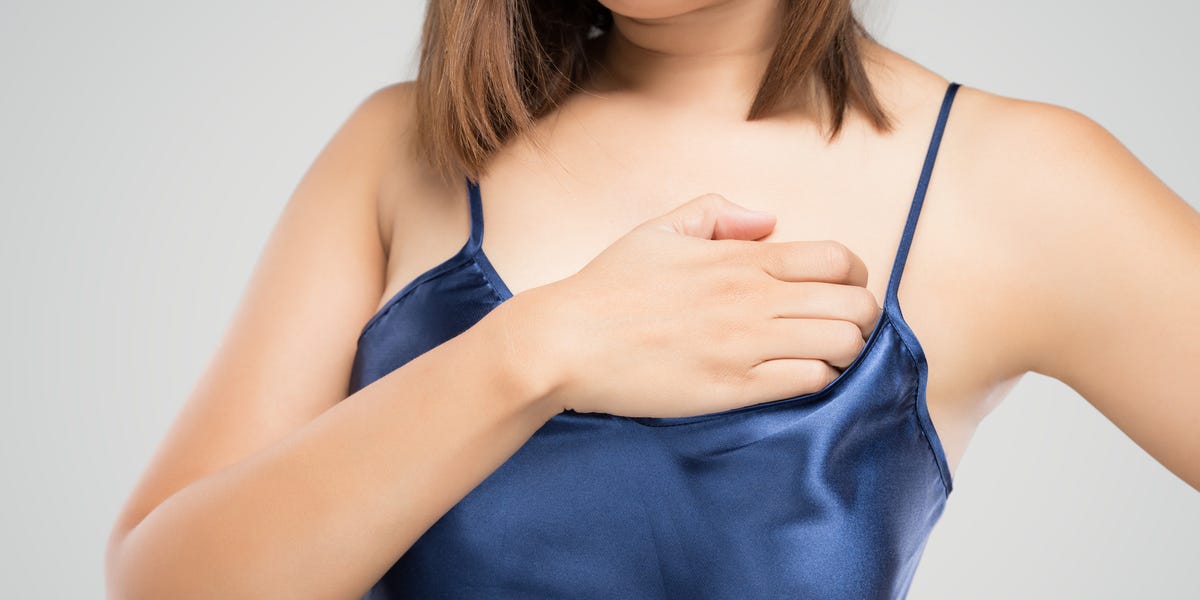
Breast eczema is one of those skin problems that can make a person think, “Great, another mystery rash in a place that absolutely does not need drama.” It can cause itching, dryness, redness, scaling, cracking, burning, or irritation on the breasts, nipples, areola, or the skin under the breasts. The good news: breast eczema is usually manageable, it is not contagious, and it is often linked to common triggers such as sweat, fragrance, friction, allergies, dry skin, or an overactive immune response.
The less fun but very important news: not every breast rash is eczema. Some infections, allergic reactions, psoriasis, intertrigo, and rare breast conditions can look similar. A persistent rash on one nipple, nipple discharge, bleeding, a breast lump, or skin changes that do not improve should always be checked by a healthcare provider. Your skin may be dramatic, but it still deserves a proper audience.
What Is Breast Eczema?
Breast eczema is a form of dermatitis that affects the skin on or around the breast. “Eczema” is an umbrella term for several inflammatory skin conditions that weaken the skin barrier and make the skin more reactive. When that barrier is irritated, moisture escapes more easily, and outside triggers can sneak in like uninvited guests at a very uncomfortable party.
Breast eczema may appear on the upper breast, beneath the breast fold, around the nipple, or on the areola. It can affect people of any age and gender, though hormonal changes, breastfeeding, sweating, friction from bras, and sensitive skin products can make flare-ups more likely. Some people have occasional mild patches, while others experience recurring flares that need a consistent care plan.
Common Symptoms of Breast Eczema
Symptoms can vary depending on skin tone, eczema type, location, and how long the irritation has been present. On lighter skin, eczema may look pink or red. On brown or Black skin, it may appear darker brown, purple, grayish, or as patches of discoloration. The itch can be mild or intense enough to make a person negotiate with their own fingernails at 2 a.m.
Typical signs include:
- Dry, rough, or scaly skin on the breast, nipple, or areola
- Itching, stinging, burning, or tenderness
- Red, brown, purple, gray, or darker patches depending on skin tone
- Small bumps, thickened skin, or flaky patches
- Cracking, peeling, or crusting
- Oozing or weeping during severe irritation
- Skin sensitivity when wearing bras, tight clothing, or synthetic fabrics
- Discomfort during sweating, exercise, or breastfeeding
Scratching can make breast eczema worse. It may thicken the skin, increase inflammation, and raise the risk of infection. If the skin becomes warm, swollen, painful, crusted with yellowish fluid, or produces pus, medical care is needed. That is the skin equivalent of waving a little red flag.
Breast Eczema vs. Nipple Eczema
Breast eczema can affect any part of the breast skin, while nipple eczema specifically involves the nipple and often the areola. Nipple eczema may cause itching, scaling, cracking, pain, or a burning feeling. In people who breastfeed, nipple eczema can be especially uncomfortable because feeding, moisture, friction, and frequent washing can keep irritating the area.
Nipple eczema should be evaluated if it is severe, one-sided, persistent, associated with bleeding or discharge, or does not respond to basic eczema care. This is not to cause panic; it is simply because a few important conditions can mimic eczema and should not be ignored.
What Causes Breast Eczema?
Breast eczema usually develops when the skin barrier becomes irritated or inflamed. For some people, genetics play a role. A personal or family history of eczema, asthma, hay fever, or allergies may increase the risk. For others, the problem is more connected to external triggers such as laundry detergent, bra fabric, sweat, fragrance, or friction.
1. Atopic Dermatitis
Atopic dermatitis is a chronic form of eczema linked to immune system activity and a weakened skin barrier. It can cause dry, itchy, inflamed patches that flare and calm over time. A person with atopic dermatitis may notice eczema on several body areas, including the neck, elbows, knees, hands, face, and sometimes the breasts.
2. Contact Dermatitis
Contact dermatitis happens when the skin reacts to something touching it. On the breast area, common triggers may include scented body wash, perfume, deodorant spray, laundry detergent, fabric softener, bra dyes, elastic, nickel from clothing hardware, adhesive bandages, topical creams, or even certain “natural” products that are not always as gentle as their labels suggest.
There are two main types: irritant contact dermatitis and allergic contact dermatitis. Irritant dermatitis happens when a substance damages or annoys the skin barrier. Allergic contact dermatitis happens when the immune system reacts to a specific allergen. Both can make the breast area itchy, inflamed, and seriously annoying.
3. Sweat, Heat, and Friction
The area under the breasts can trap heat and moisture, especially during exercise, hot weather, or long days in tight clothing. Sweat plus friction can irritate the skin and trigger eczema flares. This is also why poorly fitting bras, sports bras worn too long after workouts, and synthetic fabrics can be repeat offenders.
4. Dry Skin and Harsh Cleansing
Overwashing, hot showers, antibacterial soaps, exfoliating scrubs, and heavily fragranced cleansers can strip natural oils from the skin. Breast skin is delicate, and nipple skin is even more sensitive. When the skin barrier dries out, itching and inflammation become more likely.
5. Hormonal Changes
Hormonal changes during menstruation, pregnancy, postpartum recovery, breastfeeding, perimenopause, or menopause may affect skin sensitivity and dryness. Some people notice breast itching or eczema flares at predictable times in their cycle. The skin, apparently, enjoys keeping a calendar.
6. Breastfeeding and Pumping
Breastfeeding may contribute to nipple eczema through moisture, friction, milk residue, frequent washing, nipple creams, breast pads, pump parts, or latch issues. This does not mean breastfeeding has to stop, but it does mean the person should get guidance from a clinician or lactation professional if pain, cracking, or persistent rash develops.
Conditions That Can Look Like Breast Eczema
Because breast eczema shares symptoms with other conditions, diagnosis matters. A healthcare provider may examine the rash, ask about triggers, review product use, check for infection, or recommend patch testing if allergic contact dermatitis is suspected.
Possible look-alikes include:
- Fungal infection: Often occurs in warm, moist breast folds and may cause redness, itching, soreness, or satellite spots.
- Psoriasis: Can cause thick, scaly plaques that may look different from eczema.
- Intertrigo: Irritation in skin folds caused by moisture, friction, and sometimes yeast or bacteria.
- Mastitis: Breast inflammation or infection, often with pain, warmth, swelling, and sometimes fever.
- Paget disease of the breast: A rare breast cancer that can resemble eczema on the nipple or areola.
When to See a Doctor
Many mild breast eczema flares improve with gentle skin care, but some symptoms need medical attention. Do not ignore a rash just because it seems small or embarrassing. Doctors have seen skin in every possible mood.
Make an appointment if you notice:
- A rash that lasts longer than two weeks despite gentle care
- Eczema that affects only one nipple and does not improve
- Nipple discharge, bleeding, flattening, inversion, or crusting
- A breast lump or thickened breast skin
- Increasing pain, warmth, swelling, or fever
- Yellow crusting, pus, or signs of infection
- Severe itching that disrupts sleep or daily life
- Symptoms during pregnancy or breastfeeding that cause pain or feeding problems
Paget disease of the breast is rare, but it is one reason persistent nipple changes should be evaluated. It may cause eczema-like scaling, crusting, itching, burning, nipple discharge, nipple flattening, or changes around one nipple. Most breast rashes are not cancer, but persistent one-sided nipple symptoms deserve a professional check.
How Breast Eczema Is Diagnosed
A clinician usually begins with a visual exam and health history. They may ask when the rash started, whether it comes and goes, what products touch the area, whether there is a history of allergies, and whether symptoms are linked to sweating, exercise, menstruation, pregnancy, or breastfeeding.
If contact allergy is suspected, patch testing may help identify triggers such as fragrance, preservatives, metals, or ingredients in topical products. If infection is possible, a swab or culture may be taken. If the rash is persistent, one-sided, unusual, or associated with nipple changes, imaging or biopsy may be considered to rule out more serious causes.
Breast Eczema Treatment Options
The best treatment for breast eczema usually combines trigger control, skin barrier repair, and medication when needed. Think of it as a three-part strategy: calm the fire, repair the fence, and stop inviting the raccoons back into the yard.
1. Use Gentle Skin Care
Switch to fragrance-free, dye-free, gentle cleansers. Avoid scrubs, strong soaps, deodorant sprays on the breast area, and heavily scented body lotions. Wash with lukewarm water instead of hot water, and pat the skin dry rather than rubbing it like you are sanding furniture.
2. Moisturize Consistently
Moisturizers help restore the skin barrier and reduce dryness. Thick creams and ointments are usually more protective than light lotions. Apply moisturizer after bathing and whenever the skin feels dry. Look for fragrance-free products with ingredients such as petrolatum, ceramides, glycerin, or colloidal oatmeal.
3. Reduce Friction and Sweat
Wear breathable, soft bras that fit properly. Cotton or moisture-wicking fabrics may help, especially during exercise. Change out of sweaty clothes promptly. If irritation occurs under the breasts, keeping the area clean and dry can reduce flare-ups. However, avoid over-drying powders or products that contain fragrance, unless a clinician recommends them.
4. Identify and Avoid Triggers
Common triggers include fragrance, laundry detergent, fabric softener, body wash, sweat, stress, certain fabrics, adhesive products, and topical creams. A simple symptom diary can help. Write down what touched the skin, what you wore, what the weather was like, and what changed before the flare. Yes, it sounds boring. Yes, it can work surprisingly well.
5. Use Medication When Needed
For mild flares, a healthcare provider may recommend a short course of low-strength topical corticosteroid. Because breast and nipple skin can be sensitive, steroid strength and duration matter. Overuse can thin the skin or cause irritation, so follow medical instructions carefully.
For recurring eczema, clinicians may recommend nonsteroidal prescription options such as topical calcineurin inhibitors or other anti-inflammatory treatments. If eczema is infected, antibiotics or antifungal treatment may be needed depending on the cause. Severe or widespread eczema may require a dermatologist’s care and a broader treatment plan.
6. Be Extra Careful During Breastfeeding
Anyone who is breastfeeding and has nipple eczema should speak with a healthcare provider or lactation consultant before using medicated creams on the nipple. Some treatments may need to be applied after feeding and gently cleaned before the next feed. Painful latch, pump friction, or recurring cracking should also be evaluated because mechanical irritation can keep the rash going.
Home Care Tips That May Help
Home care can make a major difference, especially when symptoms are mild or caused by irritation. The goal is not to attack the skin into submission; it is to make the skin feel safe enough to stop panicking.
- Use fragrance-free detergent and skip fabric softener.
- Choose soft, breathable bras and wash them regularly.
- Shower after heavy sweating, then moisturize.
- Avoid scratching; use a cool compress for itch relief.
- Keep nails short to reduce skin damage from scratching.
- Avoid new products during a flare unless recommended by a clinician.
- Do not use strong steroid creams on nipple skin without medical advice.
- Seek care if the rash worsens, spreads, oozes, or becomes painful.
Can Breast Eczema Be Prevented?
Breast eczema cannot always be prevented, especially if someone has atopic dermatitis or sensitive skin. However, flare-ups can often be reduced with consistent habits. The big prevention moves are simple: moisturize, minimize irritants, manage sweat, reduce friction, and treat early instead of waiting until the rash has filed a formal complaint.
People with recurring breast eczema may benefit from a “less is more” routine. A gentle cleanser, a fragrance-free moisturizer, breathable clothing, and careful trigger tracking are often more useful than a shelf full of products promising miracle skin by Tuesday.
Living With Breast Eczema: Practical Experiences and Real-Life Lessons
Breast eczema often becomes more manageable once people stop treating it like a random rash and start looking for patterns. A common experience is the “new product surprise.” Someone buys a beautifully scented body wash, uses it for a week, and suddenly the breast or nipple area begins itching. The label says calming lavender; the skin says absolutely not. When the product is stopped and a fragrance-free moisturizer is used, the flare may slowly calm down.
Another common experience involves bras. A bra that is too tight, has rough seams, contains irritating elastic, or traps sweat can turn a mild itch into a stubborn flare. Many people find that switching to softer fabrics, washing bras with fragrance-free detergent, and changing out of sweaty sports bras quickly makes a noticeable difference. It is not glamorous advice, but neither is scratching under your shirt in public while pretending to adjust a necklace you are not wearing.
People with larger breasts may notice irritation under the breast fold, especially in warm weather. The area can stay damp, and moisture plus friction can create a perfect setup for eczema-like irritation or intertrigo. In this situation, drying the area gently after bathing, wearing breathable support, and avoiding heavy scented lotions in the fold can help. If the rash becomes shiny, painful, has a strong odor, or develops small surrounding spots, a clinician should check for yeast or bacterial infection.
For people who breastfeed, the experience can be especially frustrating. Nipple eczema may sting, crack, or burn during feeding. Some people try to fix it by washing more often, which can actually worsen dryness. Others use multiple nipple creams and cannot tell which product is helping or hurting. A more effective approach is usually careful evaluation: check latch or pump fit, simplify products, use safe moisturizers, and ask a clinician which medications are appropriate around feeding.
Stress is another pattern many people notice. Stress does not mean the rash is “all in your head.” It means the immune system, sleep, scratching, and inflammation can interact. During busy weeks, people may sleep less, sweat more, forget moisturizer, and scratch without thinking. A flare then appears and gets blamed on “nothing.” In reality, the skin has been keeping receipts.
A helpful real-life strategy is creating a flare kit: fragrance-free moisturizer, a soft clean bra, a cool compress cloth, a gentle cleanser, and any prescribed medication. When symptoms begin, the person does not need to panic-buy five products at midnight. They can return to the basics, protect the skin barrier, and contact a provider if the rash behaves differently than usual.
Most importantly, people living with breast eczema often learn not to be embarrassed about seeking help. Breast and nipple symptoms can feel awkward to discuss, but clinicians are trained for exactly this. A rash that is painful, persistent, one-sided, oozing, or associated with nipple changes deserves attention. Getting checked is not overreacting; it is simply good skin care with a seatbelt.
Conclusion
Breast eczema can be itchy, uncomfortable, and inconvenient, but it is usually treatable with the right combination of gentle skin care, trigger avoidance, moisturizing, and medical support when needed. The key is to protect the skin barrier and pay attention to patterns. Fragrance, sweat, friction, detergents, hormonal changes, and breastfeeding-related irritation are common contributors.
At the same time, breast eczema should not be used as a catch-all explanation for every breast or nipple rash. Persistent symptoms, one-sided nipple changes, discharge, bleeding, lumps, infection signs, or a rash that does not improve should be evaluated by a healthcare provider. Your skin may be sensitive, but your health decisions can be smart, calm, and well-informed.