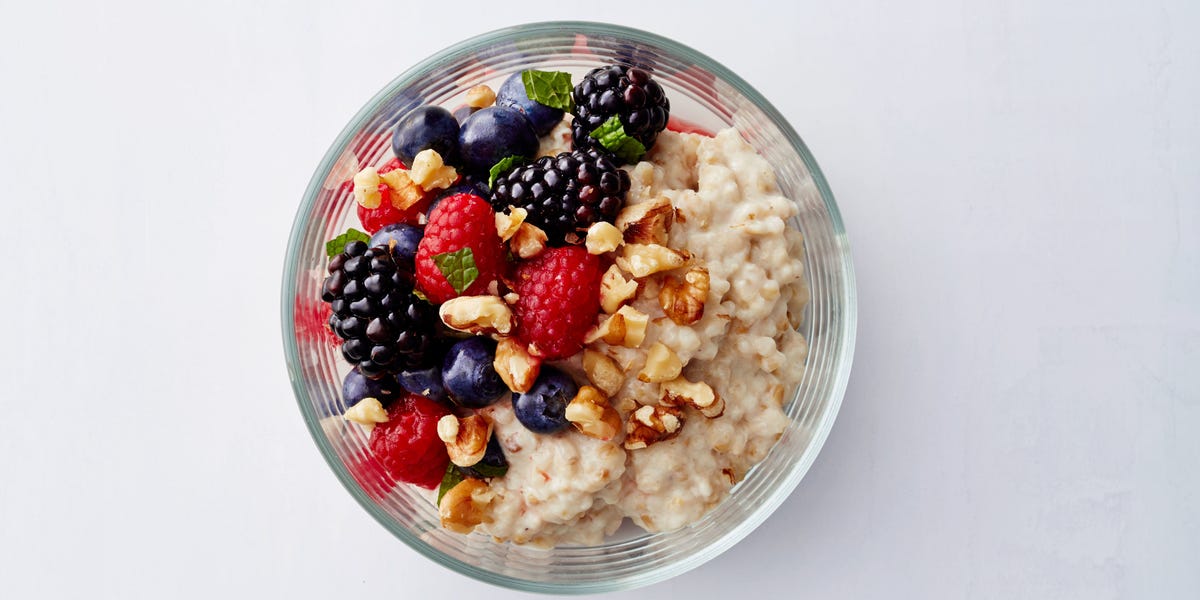
Berry oatmeal is the kind of breakfast that makes a weekday morning look suspiciously organized. It is warm, creamy, naturally fruity, easy to customize, and ready in about 10 minutes. Better yet, you do not need a drawer full of mysterious superfood powders or a blender powerful enough to launch a satellite.
The basic idea is beautifully simple: cook old-fashioned rolled oats in water, milk, or a combination of both, stir in berries at the right moment, season with cinnamon and vanilla, and finish with your favorite toppings. The result is a comforting bowl of oatmeal with pockets of sweet-tart fruit and enough texture to keep breakfast from becoming beige wallpaper.
Rolled oats are particularly convenient for stovetop oatmeal because they generally cook in about five minutes. Oats also provide soluble fiber, including beta-glucan, while berries contribute additional fiber and a variety of plant compounds. Adding yogurt, nuts, seeds, or milk can round out the breakfast with extra protein or healthy fats.
Why This Berry Oatmeal Recipe Works
There are dozens of ways to make oatmeal, ranging from instant packets to overnight oats to steel-cut oats that seem determined to test your patience before coffee. For a quick everyday breakfast, old-fashioned rolled oats hit an excellent middle ground.
They cook fast but retain more texture than many instant varieties. They also absorb enough liquid to become creamy without immediately transforming into paste. Quaker’s basic stovetop guidance uses roughly one part rolled oats to two parts liquid, which is also a dependable starting ratio for homemade berry oatmeal.
The berries serve more than a decorative purpose. When some of them cook with the oats, their juices bleed into the porridge, naturally flavoring and coloring it. Adding another handful near the end preserves whole pieces of fruit. That two-stage berry technique gives you both a jammy base and bright berry texture.
Ingredients for the Best Berry Oatmeal
This recipe makes two generous breakfast servings.
- 1 cup old-fashioned rolled oats
- 2 cups milk, water, or a combination of both
- 1 cup mixed berries, fresh or frozen
- 1 small ripe banana, mashed, optional
- 1/2 teaspoon ground cinnamon
- 1/2 teaspoon vanilla extract
- Pinch of salt
- 1 to 2 teaspoons maple syrup or honey, optional
- 2 tablespoons chopped walnuts, almonds, or pecans, optional
- 1 tablespoon chia seeds or ground flaxseed, optional
- Greek yogurt for serving, optional
Which Berries Are Best?
Blueberries, raspberries, strawberries, and blackberries all work beautifully. A mixed-berry combination produces the most interesting flavor because blueberries bring sweetness, raspberries add tartness, strawberries contribute familiar fruitiness, and blackberries add deeper berry flavor.
Fresh berries are wonderful when they are flavorful and in season. Frozen berries are equally practical for oatmeal and often more economical. USDA nutrition resources specifically suggest using berries with oatmeal and recommend freezing ripe berries for longer storage.
Milk or Water?
Water produces perfectly good oatmeal and allows the berry flavor to stand out. Milk makes the oatmeal richer and creamier while adding protein depending on the variety you choose.
My favorite formula for texture is one cup milk plus one cup water for every cup of rolled oats. You get creaminess without creating something that feels like breakfast pudding escaped from dessert.
Dairy milk, almond milk, oat milk, soy milk, and other unsweetened alternatives can all work. Keep in mind that different milks vary in sweetness, protein, and thickness, so adjust the final consistency with a splash of extra liquid if necessary.
How to Make Berry Oatmeal Step by Step
Step 1: Heat the Liquid
Add the milk, water, or combination of the two to a medium saucepan. Add a small pinch of salt and bring the liquid to a gentle boil over medium-high heat.
Do not underestimate that tiny pinch of salt. It does not make oatmeal salty; it makes the oats, berries, cinnamon, and vanilla taste more distinct.
Step 2: Add the Oats
Stir in the rolled oats and reduce the heat to medium-low. Cook gently rather than aggressively boiling the mixture. A volcanic oatmeal eruption is impressive only until you remember that somebody has to clean the stove.
Cook for about two minutes, stirring occasionally.
Step 3: Add Half the Berries
Add approximately half of your berries. If you are using large strawberries, slice or chop them first.
Continue cooking for another two to three minutes. Stir frequently enough to prevent sticking, but do not stir continuously. Leaving the oatmeal alone for short periods helps the rolled oats retain some texture.
Frozen berries can go directly into the saucepan. They may temporarily cool the oatmeal and extend cooking by a minute or two, but thawing is generally unnecessary.
Step 4: Add Cinnamon, Vanilla, and Banana
Stir in the cinnamon and mashed banana, if using. Banana provides natural sweetness and gives oatmeal an especially creamy consistency.
Add vanilla toward the end of cooking so its aroma remains noticeable.
Step 5: Adjust the Consistency
Oatmeal thickens quickly, especially after it leaves the heat. If yours resembles construction material more than breakfast, simply stir in a little more milk or water.
If it seems too thin, simmer it for another minute. Remember that it will continue thickening while you assemble your toppings.
Step 6: Add the Remaining Berries
Remove the oatmeal from the heat and gently fold in most of the remaining berries. Save a few for the top.
This gives the bowl two berry textures: soft, almost jam-like fruit cooked into the oatmeal and fresher berries that remain intact.
Step 7: Add Your Favorite Toppings
Divide the oatmeal between bowls and add chopped nuts, seeds, yogurt, extra berries, or a light drizzle of maple syrup.
The American Heart Association uses combinations of rolled oats, berries, cinnamon, and Greek yogurt in its breakfast recipes, while Cleveland Clinic recipes similarly pair oatmeal with berries and nuts. These additions can contribute extra texture, protein, and staying power.
Fresh vs. Frozen Berries in Oatmeal
Fresh berries give you firmer texture and make the finished bowl look especially appealing. They are excellent for topping oatmeal after cooking.
Frozen berries, however, may actually be better when your goal is deeply flavored oatmeal. As they heat, their cell structure softens and releases colorful juice into the oats. Blueberries can turn an ordinary bowl purple, which is significantly more exciting than the standard oatmeal color palette of beige, beige, and slightly darker beige.
For the best combination, cook frozen berries into the oatmeal and top the finished bowl with fresh berries when you have both available.
How to Make Berry Oatmeal Taste Better
Add Cinnamon
Cinnamon complements practically every common berry while adding warmth without requiring additional sugar. Start with half a teaspoon and adjust to taste.
Use Vanilla
A little vanilla gives oatmeal a dessert-like aroma. You are not turning breakfast into cake; you are simply borrowing cake’s public-relations department.
Add Something Creamy
Milk, yogurt, nut butter, or mashed banana can make oatmeal dramatically richer. A spoonful of Greek yogurt on top also creates a pleasant contrast between hot oatmeal and cool, tangy yogurt.
Add Something Crunchy
Texture matters. Chopped almonds, pecans, walnuts, pumpkin seeds, granola, or cacao nibs prevent every spoonful from feeling identical.
Sweeten After Tasting
Cook the oatmeal first and taste it before reaching for maple syrup or honey. Ripe bananas and berries may already provide enough sweetness.
This technique is particularly useful when using sweet blueberries or strawberries. Raspberries and blackberries tend to be more tart, so you may prefer a small amount of additional sweetener.
Easy Berry Oatmeal Variations
Blueberry Banana Oatmeal
Use one cup of blueberries and one mashed banana. Add cinnamon and top with walnuts. The mashed banana melts into the oats and creates an exceptionally creamy texture.
Strawberries and Cream Oatmeal
Cook chopped strawberries with the oats, then finish with additional sliced strawberries and Greek yogurt. Add a tiny splash of vanilla and a drizzle of honey if needed.
Raspberry Almond Oatmeal
Use raspberries, almond milk, sliced almonds, and a small spoonful of almond butter. Because raspberries are naturally tart, maple syrup works nicely here.
Peanut Butter and Berry Oatmeal
Swirl a tablespoon of peanut butter into warm oatmeal and top it with strawberries or raspberries. The result tastes vaguely like a peanut butter and jelly sandwich that graduated from college and started eating breakfast with a spoon.
High-Protein Berry Oatmeal
Cook the oats in dairy or soy milk and serve them with Greek yogurt, nuts, seeds, or nut butter. Protein-rich additions are an easy way to make an oatmeal breakfast more substantial.
Can You Make Berry Oatmeal Ahead?
Absolutely. Cooked oatmeal can be prepared ahead and refrigerated in individual containers. It will become considerably thicker after chilling because the oats continue absorbing liquid.
When reheating, add a splash of milk or water before microwaving or warming on the stovetop. Stir halfway through reheating and add fresh toppings afterward.
For meal preparation, consider keeping crunchy toppings separate. Nuts and granola are far happier when they are not spending three days slowly becoming damp inside oatmeal.
Can You Turn This Into Overnight Oats?
Yes. Combine rolled oats, milk, berries, cinnamon, vanilla, and optional chia seeds in a covered jar or container. Refrigerate overnight and serve cold or gently warmed the next morning.
Overnight oats have become popular precisely because rolled oats can soften in liquid without stovetop cooking. Berry versions are especially convenient because frozen berries can thaw overnight while releasing their juices into the oats.
Common Berry Oatmeal Mistakes
Using Too Little Liquid
Oats absorb an impressive amount of liquid. Begin around a 2-to-1 ratio of liquid to rolled oats and adjust from there.
Cooking on Heat That Is Too High
High heat can scorch milk and cause oatmeal to stick to the pan. Once the liquid reaches a boil, reduce the temperature.
Adding Every Berry at the Beginning
This tastes good but leaves you without intact fruit. Dividing the berries between cooking and finishing gives better texture and presentation.
Adding Too Much Sweetener Immediately
Berry oatmeal does not need to resemble syrup with a few oats trapped inside. Taste the finished breakfast first, particularly if you used banana or naturally sweet berries.
Ignoring Texture
A great bowl should include more than soft ingredients. Nuts, seeds, granola, or fresh berries provide contrast and make a simple breakfast much more satisfying.
Why Oats and Berries Make Such a Useful Breakfast Pair
Oats are a whole grain containing both soluble and insoluble fiber. One especially well-studied component is beta-glucan soluble fiber. FDA labeling guidance recognizes qualifying health claims involving beta-glucan soluble fiber from certain whole-oat foods when specific nutritional requirements are met.
Berries bring their own nutritional advantages. Different varieties provide varying amounts of fiber, vitamin C, and naturally occurring plant compounds. Raspberries, for example, are particularly fiber-rich.
That does not make berry oatmeal a miracle breakfast. No breakfast possesses magical powers, despite what some social-media captions might imply. It is simply a convenient way to combine whole grains and fruit while leaving plenty of room for protein-rich or unsaturated-fat toppings such as yogurt, seeds, and nuts.
Experience-Based Tips for Making Better Berry Oatmeal
One lesson that becomes obvious after making different styles of oatmeal is that tiny technique changes matter more than adding another dozen ingredients. The simplest bowls are often the best because you can actually taste the oats and fruit instead of wondering why breakfast contains seventeen toppings and requires architectural planning.
The first practical lesson is to stop treating the cooking time as an absolute law. Five minutes is a useful guideline for old-fashioned oats, but pans, burners, oat thickness, milk types, and frozen fruit all affect the result. Look at the oatmeal instead of staring at the timer. When the oats are tender and creamy but still visibly distinct, you are usually there.
Another useful habit is removing the saucepan from the heat slightly before the oatmeal reaches your ideal thickness. Freshly cooked oatmeal may look a little loose, but give it two minutes and it behaves like somebody quietly added cement. Stopping early produces a creamier bowl by the time you actually sit down to eat.
Frozen berries are also worth keeping around even if you usually prefer fresh fruit. They eliminate the depressing moment when you open the refrigerator and discover that the expensive berries you bought three days ago have begun conducting their own biology experiment. A freezer bag of mixed berries means berry oatmeal is always available.
For flavor, cooking approximately half of the berries with the oatmeal works better than using all of them solely as a topping. Cooked berries release juice throughout the bowl, so every spoonful tastes fruity. Adding the remaining fruit later keeps the oatmeal from becoming completely uniform.
Another practical improvement is using salt carefully. Many people omit it because oatmeal is supposed to be sweet. Yet a tiny pinch does not taste salty; it helps the cinnamon, vanilla, oats, and berries taste clearer. It is the culinary equivalent of adjusting the focus on a camera.
If you are making oatmeal for several people, serve the base oatmeal from one saucepan and create a small topping station. Put out berries, yogurt, nuts, seeds, nut butter, maple syrup, and sliced banana. One person can build a restrained blueberry-and-walnut bowl while another creates something that looks like a breakfast sundae. Domestic peace is preserved.
Meal-prepped oatmeal requires one additional trick: store it slightly looser than you think necessary. Refrigerated oats absorb more moisture overnight. When reheating, add milk before heating rather than afterward. The liquid incorporates more evenly and helps restore the original creamy consistency.
Finally, do not chase a supposedly perfect oatmeal formula. Some mornings call for thick oatmeal loaded with peanut butter; others deserve a softer bowl with tart raspberries and yogurt. The best berry oatmeal recipe is really a flexible framework: good rolled oats, enough liquid, plenty of berries, balanced seasoning, and toppings that make you want another spoonful.
Final Thoughts
Learning how to make berry oatmeal is less about mastering a complicated recipe and more about getting a few fundamentals right. Use old-fashioned rolled oats for a balance of speed and texture, begin with roughly twice as much liquid as oats, cook some berries into the porridge, reserve others for topping, and adjust sweetness only after tasting.
From there, the recipe can go almost anywhere. Add banana for natural sweetness, Greek yogurt for creaminess, walnuts for crunch, chia seeds for texture, or peanut butter when breakfast needs a little extra enthusiasm.
Whether you use blueberries, strawberries, raspberries, blackberries, or the glorious freezer-bag mixture known simply as “mixed berries,” this is one breakfast that is inexpensive, forgiving, customizable, and genuinely difficult to get bored with.
Note: Ingredient brands, milk choices, serving sizes, and toppings can substantially change the nutrition of the finished oatmeal. Adjust ingredients according to your dietary needs and preferences.