Note: This article is a synthesized, publication-ready rewrite based on public reporting and on-the-record comments available as of March 29, 2026.
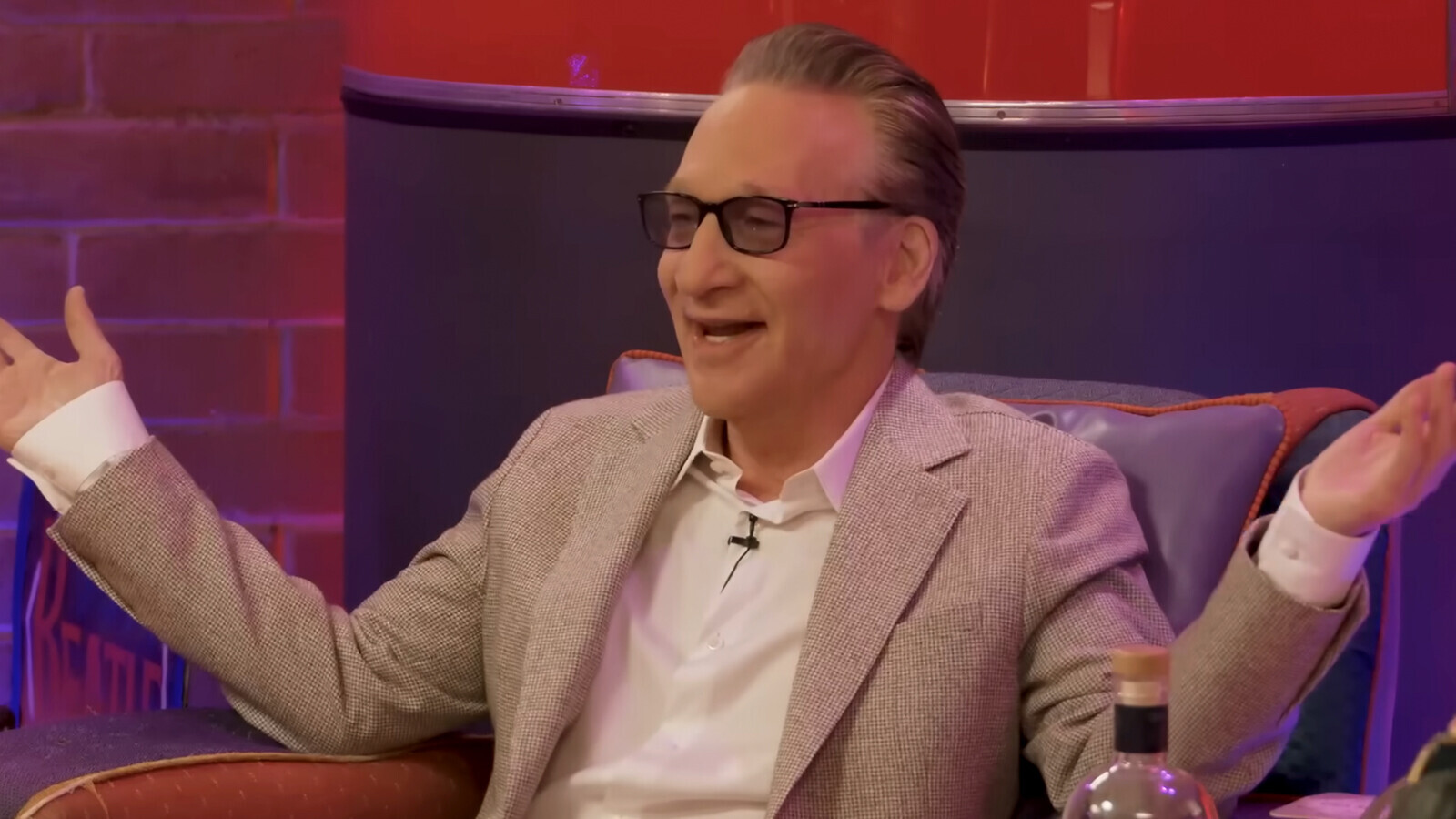
Some headlines arrive wearing a trench coat and dark sunglasses, and this one definitely does. “Bill Maher is secretly text buddies with Donald Trump” sounds less like a political media story and more like the setup to a very strange streaming series nobody asked for, yet everybody would still binge on a rainy Sunday.
But here is the twist: the “secret” part is doing a lot of cardio. The texting is real, or at least real enough that Maher himself has talked about it in public. The buddy part? That depends on how generously you define friendship when one person keeps criticizing the other on television and the other fires back with the subtle tenderness of a leaf blower.
Still, the fact that Maher and Trump have stayed in contact matters. It reveals something bigger than celebrity gossip with better tailoring. It says a lot about how modern politics works, how media personalities manage outrage, and how public enemies can still maintain a private line of communication if each believes the other is useful, entertaining, or impossible to ignore.
So yes, this story is weird. But it is weird in a very American way: half spectacle, half strategy, and fully capable of making everyone in the audience irritated for completely different reasons.
No, This Is Not a Bromance
Let’s clear the table before anybody flips it over. Bill Maher has not transformed into a MAGA convert, and Donald Trump has not become Maher’s new couples therapist. Maher has continued to criticize Trump on Real Time, often sharply. Trump has continued to mock Maher in public, call him overrated, and treat their interactions like a blend of grievance session and performance art.
That is why the story is so compelling. This is not a tale of ideological conversion. It is a tale of access, ego, fascination, and mutual combat. Maher seems to believe that conversation, even with someone he opposes, is preferable to total disengagement. Trump, meanwhile, seems drawn to people who criticize him but still agree to enter the room, because for him politics has always been personal, transactional, and theatrical.
In other words, these are not besties. They are something far more 2026: adversarial correspondents with each other’s number saved.
How the Odd-Couple Dynamic Started
The dinner that launched a thousand side-eyes
The relationship took a dramatic turn when Maher visited Trump at the White House in spring 2025 for a dinner brokered by Kid Rock. Even before the meal happened, it sounded like a social experiment designed by a cable news producer who had not slept in three days. Maher, a longtime Trump critic, sitting down to break bread with the man he had spent years roasting? Naturally, the reaction ranged from curiosity to full-body liberal panic.
Then Maher returned to his show and made things worse for anyone hoping for a clean villain-versus-hero script. He described Trump in person as “gracious” and “measured,” saying the private version of Trump seemed different from the public one. That was enough to detonate a miniature media weather system.
To many viewers, Maher’s comments sounded less like an honest account of a dinner and more like the beginning of a soft-focus redemption montage no one wanted. To Maher, though, he was simply reporting what he saw. His argument was straightforward: saying Trump behaved normally in a private setting was not the same as endorsing Trump politically.
And that distinction, while logical on paper, turned out to be emotionally useless on the internet.
Why Maher thought he could do it
Maher has long cast himself as a political heretic with a microphone. He enjoys criticizing the left, annoying the right, and occupying the increasingly rare territory where saying “everyone is being ridiculous” still counts as a brand strategy. From his point of view, meeting Trump did not make him compromised; it proved he was willing to do something most people in media only threaten to do on panels with very dramatic lower-thirds: talk to the other side.
He has even framed the dinner as a kind of “Nixon goes to China” moment, which is either a bold analogy or the sort of line you say when you know people are already drafting angry tweets about you. Either way, Maher clearly saw the visit as an experiment in direct engagement rather than surrender.
Why So Many People Got Weirded Out
The backlash did not happen because Maher had dinner. It happened because of what he said after dinner. Viewers can tolerate a surprising meeting much more easily than a surprising interpretation. Once Maher suggested Trump was more self-aware, more personable, and less cartoonish in private, many critics heard something else: normalization.
That concern was not random. Trump is one of the most polarizing political figures in modern American life, and many opponents believe his greatest advantage is his ability to turn spectacle into absolution. The fear, then, was that Maher had allowed Trump to do what Trump often does best: charm one person in the room while the larger record waits outside tapping its foot.
The reaction spread beyond regular viewers. Commentators pounced. Fellow media figures rolled their eyes. And the cultural aftershock only grew when Larry David entered the chat with satire sharp enough to make the internet inhale through its teeth. That response turned the dinner from a political curiosity into a broader argument about civility, normalization, and whether sharing a table with a powerful figure is a brave act of dialogue or an accidental gift-wrap job for their image.
Maher, unsurprisingly, rejected the idea that honesty about one dinner meant he had abandoned years of criticism. His defense was basically this: if he had stopped calling out Trump afterward, then sure, bring the pitchforks. But he did not stop. He kept criticizing him. Therefore, he believed the outrage was more emotional than factual.
That argument has some weight. It also conveniently ignores the brutal truth of modern media: perception often outruns sequence. If you say someone was pleasant over dessert, many people will stop listening before you get to your next paragraph about democratic norms.
Then Came the Texts
Here is where the story graduates from spicy dinner gossip to full-on political oddity. Maher later acknowledged that Trump texted him after the White House visit, often to complain that Maher was still part of the “lunatic left” and had failed to give him enough credit. Maher has publicly described the exchanges as argumentative, sarcastic, and weirdly civil in a way that makes the phrase “digital pen pals” sound both wrong and somehow not wrong enough.
At one point, Maher said they argued over text and that Trump eventually told him, in essence, not to change. That line matters because it reveals the strange core of the relationship. Trump seems to dislike being criticized, but he may also enjoy critics who feel vivid, direct, and recognizable. Maher, meanwhile, appears to appreciate that he can answer back privately instead of lobbing every thought into the public meat grinder.
That is not friendship in the traditional sense. It is more like a running argument with occasional punctuation.
So why call it “secret”?
Honestly, because “Bill Maher and Donald Trump maintain a sporadic, contentious text-based line of communication shaped by ego, access, and media symbolism” is a terrible headline. The tabloid version wins because it is shorter, juicier, and sounds like it should come with screenshots.
But the reality is more interesting than the clickbait. Maher has discussed the texts publicly. He has joked about them. He has used them to argue that his dinner with Trump did not seduce him into silence. If anything, the texting became his evidence that he could stay in touch without becoming tame.
So no, the relationship is not exactly secret anymore. It is public enough that the mystery has moved from “Does this happen?” to “Why on earth does this continue?”
Trump, Maher, and the Politics of Personal Chemistry
This whole saga reinforces something many people who have met Trump have said for years: in person, he can be socially effective, even with people who oppose him. That does not erase any policy, scandal, or public behavior. It just means charisma and conflict are not opposites. In Trump’s political style, they are roommates.
Maher seems both aware of that and vulnerable to it in a limited way. Not politically vulnerable, necessarily, but narratively vulnerable. He likes complexity. He likes telling audiences that reality is messier than tribal talking points. That instinct can be valuable. It can also make him unusually susceptible to stories in which he gets to be the one guy in the room willing to say, “Actually, it was more complicated than that.”
And that is exactly the kind of role Maher loves: the contrarian witness, the man who annoys everyone equally and calls it integrity. Sometimes that posture is genuinely clarifying. Sometimes it looks suspiciously like vanity with a microphone. In this case, it is probably a little of both.
Trump benefits from the arrangement, too. Even when Maher criticizes him, the existence of contact allows Trump to frame himself as someone critics cannot fully dismiss. If even Bill Maher will text him back, then Trump gets to imply that the wall between enemy and acquaintance is thinner than cable news would like you to think. For a politician obsessed with dominance, access itself becomes a trophy.
The Latest Twist Makes the Whole Story Even Stranger
As if the dinner and texts were not enough plot for one season, the relationship took another bizarre turn with the recent Mark Twain Prize drama. Maher was first denied, then confirmed, as the 2026 recipient of the Kennedy Center’s Mark Twain Prize for American Humor, after White House pushback and public confusion. That turned an already strange dynamic into an almost too-on-the-nose metaphor for their relationship: public hostility, backstage maneuvering, mixed signals, then a punchline.
Maher responded with humor, because of course he did. Trump’s orbit signaled one thing, the institution signaled another, and the result was a fresh reminder that Maher and Trump remain connected by a shared ecosystem of insult, publicity, and reluctant fascination.
If you were writing this as fiction, an editor would probably tell you to tone it down. A comedian and a president feud, dine, text, insult each other again, then accidentally become linked through an award named after Mark Twain? That is not just politics. That is a farce wearing cuff links.
So, Are They Really “Text Buddies”?
In the literal sense, yes. Maher has said Trump texts him. Maher texts back. They argue. They banter. The line remains open. That qualifies as a real text relationship, even if Hallmark is not designing a card for it.
In the emotional sense, probably not. “Buddies” suggests warmth, loyalty, and maybe the occasional fishing trip. What Maher and Trump seem to have is a live wire: personal contact without political trust, familiarity without affection, and enough mutual recognition to keep the exchange going.
That may actually be more revealing than a genuine friendship would be. It shows how porous the boundary can be between public combat and private communication, especially among high-profile men who are both addicted to audience reaction and convinced they are the smartest person in the room. They do not have to like each other to keep each other interested. In American politics, that is sometimes more powerful than friendship anyway.
Conclusion
The biggest takeaway from “Bill Maher is secretly text buddies with Donald Trump” is not that a liberal comedian and a Republican president suddenly found soulmate energy in their messaging apps. It is that politics in the media age is increasingly driven by relationships that are part real, part strategic, and part performance.
Maher wants credit for refusing tribal hysteria. Trump wants credit for being impossible to dismiss. Both men benefit from the attention created by their unlikely connection, even when they are trading insults. That is why the story keeps growing legs. It is not just about texts. It is about status, theater, persuasion, and the strange American belief that if two loud men keep arguing long enough, they must secretly enjoy it.
So are Bill Maher and Donald Trump text buddies? Sure, in the same way a thunderstorm and a power line are in regular contact. The connection is real. The vibe is terrible. And that, frankly, is why people cannot stop reading about it.
Extended Perspective: What This Feels Like to the Audience
One reason this story keeps resurfacing is that it creates a very specific emotional experience for the public: whiplash. Viewers are used to political identities being sold in neat packages. This person is against that person. That person is a threat to this person. Everybody stays in their lane, reads their script, and delivers the expected outrage on schedule. Then a story like this barges in carrying a folding chair.
For Maher’s longtime fans, the experience has often felt like watching someone improvise in the middle of a courtroom drama. They know his brand is contrarianism. They know he enjoys poking his own side. But even by his standards, dining with Trump and then speaking about him in unusually human terms landed differently. It did not merely challenge a political assumption. It unsettled the emotional contract many viewers thought they had with him.
That contract is simple: you do not have to agree with every joke, but you do expect the moral outline to stay visible. When Maher emphasized that Trump was personable in private, some people heard nuance. Others heard a public softening that felt out of step with the stakes they associate with Trump’s political movement. That split is the real experience of this saga. Two people can watch the same monologue and come away with entirely different stories about what just happened.
There is also a broader cultural experience at work here, one that extends far beyond Maher. Americans increasingly live in a world where public conflict and private access can coexist without canceling each other out. Critics go to dinner with politicians. Politicians call journalists they bash onstage. Rivals share green rooms, phone numbers, and occasionally even jokes. To ordinary audiences, that can feel disorienting, because the public presentation of politics often sounds absolute while the private reality is much more fluid.
And that fluidity can look suspicious. Many people assume, not irrationally, that access changes tone. Sometimes it does. Sometimes it changes what gets said. Sometimes it changes what does not get said. So when Maher insists he was not seduced by the dinner or the texts, he is arguing against a suspicion that is bigger than him. He is asking viewers to believe that private contact did not dilute public criticism. In today’s environment, that is a difficult sell, even when it may be true.
At the same time, there is another group of viewers who finds the whole thing refreshing, or at least preferable to endless ideological bunker life. To them, the experience of this story is less betrayal than relief. They see two opponents speaking directly instead of lobbing slogans from separate planets. They may not like Trump. They may not even like Maher. But they like the idea that disagreement does not require social quarantine.
That is why the story remains sticky. It triggers two competing American instincts at once. One instinct says, “Never normalize what you believe is dangerous.” The other says, “If nobody talks to anybody, all you get is louder madness.” Maher has positioned himself squarely inside that tension, which is exactly where he prefers to live.
In the end, the audience experience is the story. Not the dinner alone. Not the texts alone. Not even the insults. It is the uncomfortable realization that politics is often less tidy, less principled, more personal, and more theatrical than people want it to be. That realization annoys many viewers because it collapses the fantasy that public life is always driven by clean moral lines. Sometimes it is driven by ego, curiosity, status, access, and the ancient human habit of wanting to keep arguing with the person who gets under your skin.
That may not be noble. It may not be pretty. But it does explain why this bizarre Maher-Trump text saga feels less like a one-off tabloid oddity and more like a perfect little case study in how modern American politics actually operates when the cameras are on, the phones are buzzing, and nobody really wants the conversation to end.