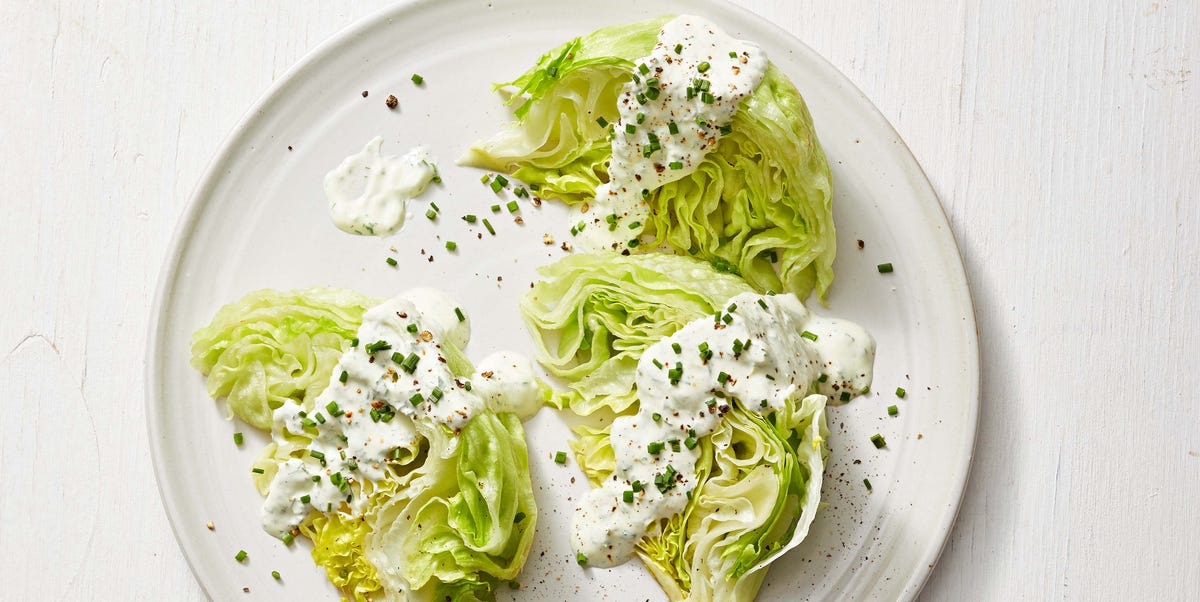
A great wedge salad is gloriously uncomplicated. It does not arrive disguised as a bowl of delicate leaves, ancient grains, and twelve ingredients you need to pronounce carefully. It is a cold, crunchy quarter of iceberg lettuce wearing blue cheese dressing, smoky bacon, juicy tomatoes, and enough toppings to require both a fork and a steak knife.
This best wedge salad recipe preserves everything people love about the classic steakhouse starter while improving the details that matter at home. The iceberg is properly chilled and dried, the bacon is genuinely crisp, and the homemade blue cheese dressing is tangy rather than overwhelmingly heavy. Red onion and chives provide freshness, while an optional drizzle of balsamic glaze adds a sweet-tart finish.
The traditional combination of iceberg lettuce, blue cheese dressing, bacon, tomatoes, and onion appears throughout classic American steakhouse-style preparations. Its appeal comes from contrast: cold lettuce against rich dressing, crisp bacon against juicy tomatoes, and mild iceberg against pungent cheese.
Why This Is the Best Wedge Salad Recipe
A wedge salad has very few places to hide. There is no giant bowl and no vigorous tossing to rescue an underseasoned ingredient. Every component needs to do its job.
It delivers maximum crunch
Iceberg lettuce is sometimes treated as the beige wallpaper of the produce aisle, but it is exactly right here. Its tightly packed leaves remain firm beneath a thick dressing, and its clean flavor balances salty bacon and assertive blue cheese. Softer greens would surrender almost immediately and turn this proud wedge into a damp little hill.
The dressing is creamy, tangy, and chunky
Mayonnaise supplies body, sour cream contributes tang, and buttermilk loosens the mixture without making it watery. Red wine vinegar, lemon juice, Dijon mustard, and Worcestershire sauce prevent the dressing from tasting like a bowl of melted cheese. Some blue cheese is mashed into the base, while the rest remains in visible pieces. That gives each bite a different level of blue cheese intensity.
Reliable American recipe sources commonly combine blue cheese with mayonnaise, sour cream or yogurt, buttermilk, vinegar, lemon, and savory seasonings. Keeping some crumbles intact produces the chunky texture associated with steakhouse blue cheese dressing.
Every topping has a purpose
Bacon adds smoke and salt. Tomatoes supply sweetness and acidity. Red onion cuts through the creamy dressing, while chives add a mild onion flavor without trying to take over the salad. Extra blue cheese on top makes the finished plate look generous, because a wedge salad should never appear as though it was assembled during a dairy shortage.
Classic Wedge Salad Recipe
- Prep time: 20 minutes
- Cooking time: 18 minutes
- Chilling time: 20 minutes
- Total time: About 40 minutes
- Yield: 4 generous servings
- Difficulty: Easy
Ingredients for the blue cheese dressing
- 3/4 cup crumbled blue cheese, preferably a moderately flavored variety
- 1/2 cup mayonnaise
- 1/3 cup sour cream
- 1/4 cup buttermilk, plus more as needed
- 1 tablespoon red wine vinegar
- 2 teaspoons fresh lemon juice
- 1 teaspoon Worcestershire sauce
- 1/2 teaspoon Dijon mustard
- 1/4 teaspoon garlic powder
- 1/4 teaspoon freshly ground black pepper
- Kosher salt, to taste
Ingredients for the wedge salad
- 1 medium head iceberg lettuce
- 6 slices thick-cut bacon
- 1 cup cherry or grape tomatoes, halved or quartered
- 1/4 small red onion, very thinly sliced
- 1/4 cup additional crumbled blue cheese
- 2 tablespoons chopped fresh chives
- Freshly ground black pepper, for serving
- 2 tablespoons balsamic glaze, optional
How to Make Wedge Salad
Step 1: Cook the bacon until crisp
Heat the oven to 400°F. Arrange the bacon in a single layer on a foil-lined rimmed baking sheet. Bake for 15 to 20 minutes, depending on thickness, until browned and crisp. Transfer it to a paper towel-lined plate and let it cool completely.
Once cool, chop the bacon into small pieces. Avoid crushing it into dusty bacon confetti. Pieces approximately the size of a pea provide a much more satisfying crunch.
You can also cook the bacon in a skillet over medium heat, turning occasionally. The oven method is convenient because it cooks the strips evenly and leaves your hands free to prepare the dressing.
Step 2: Make the homemade blue cheese dressing
Place 1/2 cup of the blue cheese in a medium bowl. Mash it with a fork until some of the cheese forms a rough paste but visible pieces remain.
Add the mayonnaise, sour cream, buttermilk, red wine vinegar, lemon juice, Worcestershire sauce, Dijon mustard, garlic powder, and black pepper. Stir until thoroughly combined. Fold in the remaining 1/4 cup blue cheese.
Taste before adding salt because blue cheese and Worcestershire sauce are already salty. If the dressing is too thick to spoon, add buttermilk one teaspoon at a time. It should flow slowly over the lettuce rather than sliding off like paint from a freshly waxed wall.
Cover and refrigerate the dressing for at least 20 minutes. This brief rest allows the garlic, vinegar, cheese, and Worcestershire flavors to settle into a more balanced whole.
Step 3: Prepare the iceberg lettuce
Remove damaged or wilted outer leaves. Rinse the intact head of lettuce under cool running water and dry it thoroughly with clean towels. Do not wash lettuce with soap, detergent, or bleach. Federal food-safety guidance recommends washing produce under running water, removing outer lettuce leaves, and drying it with a clean towel.
Place the lettuce on a cutting board with the stem end facing down. Cut it in half from top to bottom, then cut each half in half again to create four wedges. Trim away most of the hard core from each piece, but leave enough attached to hold the leaves together.
Blot the cut surfaces dry. Water trapped between the leaves dilutes the dressing and prevents it from clinging. For an especially cold salad, refrigerate the wedges while you prepare the remaining toppings.
Step 4: Assemble the salad
Place each wedge on a chilled plate with one cut side facing upward. Spoon two or three tablespoons of blue cheese dressing over the top, allowing some to move between the outer leaves and down the sides.
Scatter the tomatoes, red onion, bacon, additional blue cheese, and chives over each serving. Finish with freshly ground black pepper and, when desired, a light drizzle of balsamic glaze.
Serve immediately with a fork and a sharp table knife. This is not a polite little side salad that collapses with one tap of the fork. It expects participation.
Pro Tips for a Restaurant-Quality Wedge Salad
Start with a firm, heavy head of iceberg
Choose lettuce that feels dense for its size and has tightly packed, pale-green leaves. Avoid heads with soft spots, brown edges, or a hollow, lightweight feel. A solid head produces tidy wedges that remain intact on the plate.
Dry the lettuce more than you think necessary
Moisture is the quiet saboteur of creamy salad dressing. After rinsing, shake out excess water, use clean kitchen towels, and inspect the cut surfaces before plating. If you have time, refrigerate the dried wedges uncovered for 15 minutes so lingering surface moisture can evaporate.
Chill the plates
Place serving plates in the refrigerator for about 15 minutes. Chilled plates help preserve the defining contrast between cold lettuce and room-temperature toppings. Some steakhouse-style recipes specifically emphasize serving iceberg wedges on chilled plates or keeping prepared wedges cold until needed.
Use bacon that stays crisp
Cook the bacon until the fatty sections are well rendered and crisp. Let it cool before chopping and adding it to the salad. Warm bacon is delicious, but it can soften the lettuce and melt the dressing. If you prefer a hot-and-cold contrast, add the bacon at the final second and serve immediately.
Slice the onion as thinly as possible
Thick pieces of raw onion can overpower the entire plate. Use a sharp knife or mandoline to make paper-thin slices. For a gentler flavor, soak the slices in ice water for 10 minutes, drain, and dry them before serving.
Do not drown the lettuce
The dressing should coat the top and trickle into a few layers, but part of the iceberg should remain visible. Serve extra dressing at the table for enthusiastic dippers. It is easier to add another spoonful than to rescue a wedge from a blue cheese swimming pool.
Easy Wedge Salad Variations
The classic formula is flexible enough to accommodate different tastes. American culinary publications have adapted wedge salads with romaine, Greek yogurt dressing, green goddess dressing, Thousand Island-style dressing, pickled onions, avocado, toasted nuts, seasoned breadcrumbs, shrimp, and meat-free toppings.
Ranch wedge salad
Replace the blue cheese dressing with homemade ranch and use shredded sharp cheddar in place of the blue cheese crumbles. Keep the bacon, tomato, onion, and chives. This version is excellent for diners who believe mold belongs in science class rather than salad dressing.
Vegetarian wedge salad
Omit the bacon and add toasted pecans, smoked almonds, crispy chickpeas, or seasoned breadcrumbs. Smoked nuts are especially useful because they replace some of the bacon’s savory flavor as well as its crunch.
Loaded steakhouse wedge
Add chopped hard-boiled egg, diced avocado, croutons, and sliced grilled steak. This turns the salad into a complete lunch or light dinner, although the word “light” becomes increasingly theoretical as toppings accumulate.
Balsamic wedge salad
Drizzle each assembled salad with a teaspoon of balsamic glaze. Its concentrated sweetness cuts through the salty cheese and bacon. Use it sparingly so the wedge still tastes like a wedge salad rather than an unusually crunchy dessert.
Buffalo chicken wedge
Top the lettuce with sliced grilled chicken coated in Buffalo sauce. Add diced celery and use blue cheese dressing as written. The result combines two sports-bar favorites without requiring you to choose sides.
Mini wedge salad appetizers
Cut a small iceberg head into eight wedges instead of four. Arrange them on a platter, dress lightly, and secure loose toppings with cocktail picks. Mini wedges make entertaining easier and reduce the possibility of a guest wrestling a quarter head of lettuce while attempting polite conversation.
What to Serve with Wedge Salad
Wedge salad is traditionally associated with steakhouse meals because its cool crunch balances rich, deeply browned meat. Serve it before or alongside ribeye, New York strip, filet mignon, prime rib, grilled pork chops, or roasted chicken.
For a casual meal, pair it with burgers, barbecue ribs, baked potatoes, grilled corn, or a pan of macaroni and cheese. The salad also works well beside seafood, particularly grilled shrimp, salmon, or crab cakes.
When serving wedge salad as the main course, add chicken, steak, shrimp, egg, or crispy chickpeas. A side of warm garlic bread or roasted potatoes makes the meal more substantial without interfering with the salad’s flavors.
Make-Ahead and Storage Tips
The dressing can be mixed in advance and kept covered in the refrigerator. Stir it before serving and thin it with a small splash of buttermilk when necessary.
The bacon can also be cooked ahead. Let it cool completely, refrigerate it in an airtight container, and briefly re-crisp it in a skillet or oven before serving if it has softened.
Prepare the tomatoes, onions, chives, and cheese separately and refrigerate them in covered containers. Cut iceberg wedges are best prepared close to serving time, but they can be chilled for a short period under a clean, slightly damp paper towel.
Do not store a fully assembled wedge salad unless absolutely necessary. Once dressed, the outer leaves begin to soften, the bacon loses its crunch, and the tomatoes release moisture. Refrigerate leftovers promptly and expect a softer texture the next day.
Frequently Asked Questions
What is a wedge salad made of?
A classic wedge salad consists of a quarter head of iceberg lettuce topped with blue cheese dressing, bacon, tomatoes, blue cheese crumbles, and onion. Chives, black pepper, balsamic glaze, eggs, and croutons are common additions.
How do you cut iceberg lettuce for wedge salad?
Remove the loose outer leaves, rinse and dry the head, and cut it vertically into four equal sections. Trim the firm core from each section while leaving enough attached to prevent the leaves from falling apart.
Can I use romaine instead of iceberg?
Yes. Halved romaine hearts make a crisp alternative, although the texture and presentation will differ. Iceberg remains the traditional choice because its dense layers hold creamy dressing particularly well.
What blue cheese is best for wedge salad?
A creamy, moderately strong blue cheese offers the broadest appeal. Danish blue, Maytag blue, and Gorgonzola are good options. Use a milder cheese for a softer flavor or a sharper blue when serving dedicated blue cheese fans.
Can I use bottled blue cheese dressing?
Yes, particularly when dinner needs to appear before everyone starts eating crackers over the sink. Improve bottled dressing by stirring in fresh blue cheese, black pepper, a splash of buttermilk, and a squeeze of lemon juice.
Why is my wedge salad watery?
The lettuce or tomatoes were probably not dried thoroughly. Water prevents the dressing from adhering and collects at the bottom of the plate. Dry the lettuce carefully and place cut tomatoes on paper towels for a few minutes before assembly.
My Experience Making the Best Wedge Salad at Home
My earliest homemade wedge salads looked impressive for approximately thirty seconds. Then the dressing slid onto the plate, the tomatoes rolled toward the table, and the bacon disappeared into a shallow dairy lagoon. The flavor was acceptable, but the architecture had failed. That experience taught me that a wedge salad is not simply a pile of ingredients placed near lettuce. It is a small exercise in moisture control, temperature, texture, and strategic topping placement.
The most important lesson was to dry the iceberg thoroughly. At first, I assumed a quick shake over the sink was enough. It was not. Water remained between the tightly packed leaves, and as soon as I added dressing, the two liquids joined forces and escaped. Drying the outside with towels and letting the wedges chill briefly in the refrigerator completely changed the result. The dressing clung to the leaves, the plate remained clean, and the salad stayed crisp long enough to finish eating it.
I also experimented with blending the dressing until perfectly smooth. It looked elegant, but it tasted strangely flat. A wedge salad benefits from irregularity. Tiny bits of blue cheese season the creamy base, while larger crumbles create sharp, salty pockets. Mashing part of the cheese and folding in the rest made the dressing more interesting without adding another ingredient. It was a useful reminder that “smooth” and “better” are not always roommates.
Bacon size mattered more than expected. Very large pieces were difficult to manage with a fork, while finely crushed bacon lost its personality inside the dressing. Small, crisp nuggets worked best. The same rule applied to the tomatoes. Whole cherry tomatoes were determined to escape the plate, but quartered tomatoes settled into the lettuce and delivered juice without requiring a pursuit across the dining room.
Serving temperature produced another noticeable improvement. A chilled wedge on a chilled plate tasted dramatically fresher than one assembled with lettuce that had been resting on the counter. The cold lettuce also stood up better to the rich dressing. I now refrigerate the plates while the bacon cooks. It requires almost no additional work, but it creates the kind of detail people associate with a restaurant salad.
Finally, I learned not to overdecorate the wedge. Avocado, egg, croutons, corn, cucumber, olives, nuts, and grilled chicken can all be delicious, but adding everything at once obscures the reason the salad works. Its charm is the direct contrast among a few strong components. My favorite version remains the simple one: deeply chilled iceberg, chunky blue cheese dressing, crisp bacon, ripe tomatoes, a small amount of red onion, and chives. A thin drizzle of balsamic glaze is welcome, but only when applied with restraint.
The best reaction came from a guest who claimed not to like iceberg lettuce. After finishing the wedge, he explained that iceberg was acceptable when “covered with enough good decisions.” That may be the most accurate description of this recipe. The lettuce provides the structure, but thoughtful seasoning, proper preparation, and contrasting textures turn it into a salad people remember.
Final Thoughts
The best wedge salad does not need expensive equipment, elaborate knife work, or a basket of rare ingredients. It needs cold, dry iceberg lettuce and toppings that balance one another. Make the blue cheese dressing chunky, cook the bacon until crisp, slice the onion thinly, and assemble everything immediately before serving.
The finished salad is refreshing and indulgent at the same timepart vegetable, part steakhouse nostalgia, and part excuse to eat blue cheese dressing with a knife and fork. Serve it beside a grilled steak or turn it into a loaded main course. Either way, it proves that iceberg lettuce can still command the room when given the right supporting cast.