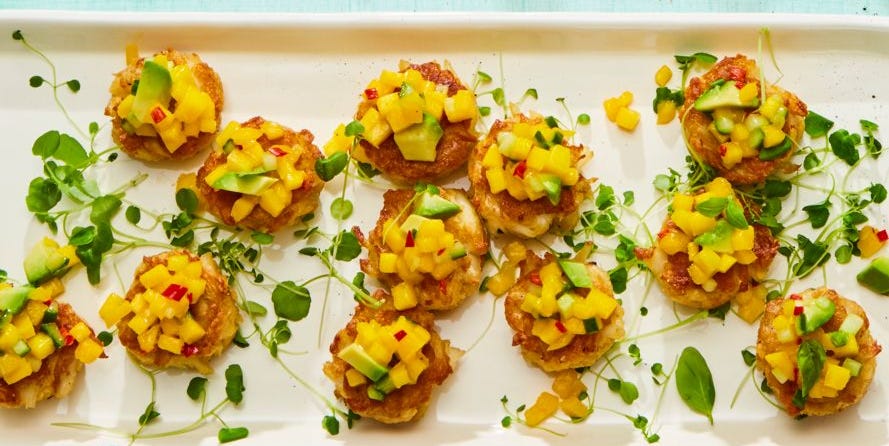
Crab cakes are one of those foods that can feel like a restaurant flex… until you make them at home and realize the “secret” is mostly:
buy good crab, don’t bully it with filler, and keep it cold. That’s it. No culinary sorcery. No crab cake wizard hat required.
In this guide, you’ll get a truly best crab cake recipe (Maryland-style, big on crab, light on filler), plus step-by-step techniques
to keep your cakes tender inside, crispy outside, and firmly in the “wow” categoryrather than the “why is this a crab-flavored pancake?” category.
What Makes the “Best” Crab Cake (And What Ruins It)
The best crab cakes taste like crab. Not breadcrumbs. Not mayonnaise. Not the ghost of a seasoning cabinet. The goal is big, sweet chunks
of crab held together by the lightest possible “supporting cast.”
The 4 non-negotiables
- High-quality crab meat: lump or jumbo lump whenever possible for those gorgeous bites.
- Minimal filler: just enough crumbs/crackers to bindthink “glue stick,” not “cement mixer.”
- Gentle mixing: folding, not stirring like you’re mad at it.
- Chilling time: cold mixture = cakes that hold together and cook up plump instead of slumping.
The usual crab cake tragedies (avoid these)
- Overmixing: turns beautiful lumps into crab confetti.
- Skipping the chill: your cake may “panic” in the pan and fall apart.
- Too much filler: you didn’t come here for seasoned bread circles.
- Too much heat too soon: scorched crust + cold center = not the vibe.
Choosing Crab Meat: Jumbo Lump vs Lump vs Backfin
If you want the “best crab cake recipe” results, crab meat choice matters as much as your cooking method.
Here’s the quick breakdown:
Best options
- Jumbo lump: big, impressive piecesbest when you want maximum “wow” with minimal extra ingredients.
- Lump: slightly smaller chunks, still excellent for restaurant-style crab cakes.
- Lump + backfin mix: a practical sweet spot: great texture, great flavor, usually kinder to your wallet.
When to use other grades
- Backfin: smaller broken pieces mixed with flakesstill tasty and common for crab cakes.
- Claw: darker meat with stronger flavorfine in dips and soups; less “luxury bite” for classic cakes.
Shopping tip: look for crab in the refrigerated seafood case (often in tubs on ice). Even if it says “picked over,” always do your own quick check
for shell bits. Think of it as a tiny treasure huntexcept the treasure is not dental work.
Best Crab Cake Recipe (Maryland-Style, Minimal Filler)
This is the go-to Maryland crab cakes approach: simple, classic seasoning, light binder, maximum crab flavor. You can pan-fry and finish
in the oven for the crispest crust, or bake for a plumper, low-fuss option.
Recipe overview
- Yield: 6 large crab cakes (or 8 medium)
- Prep: 20 minutes
- Chill: 30–60 minutes (worth it)
- Cook: 8–12 minutes total (method-dependent)
Ingredients
- 1 lb lump or jumbo lump crab meat, picked over
- 1/3 cup mayonnaise (good-quality tastes best)
- 1 large egg, lightly beaten
- 1 tbsp Dijon mustard
- 1–2 tsp Worcestershire sauce
- 1–1 1/2 tsp Old Bay seasoning (or your favorite seafood seasoning)
- 1 tbsp fresh lemon juice + 1/2 tsp lemon zest
- 2 tbsp chopped fresh parsley
- 1/2 cup panko breadcrumbs (or finely crushed saltines)
- Optional: 1–2 tbsp finely diced celery or chives (for crunch and freshness)
- For cooking: 2–3 tbsp neutral oil and/or butter
- To serve: lemon wedges, tartar sauce or remoulade
Step-by-step: How to make crab cakes that don’t fall apart
-
Mix the binder first.
In a large bowl, whisk together mayonnaise, egg, Dijon, Worcestershire, Old Bay, lemon juice/zest, parsley, and any optional aromatics.
This spreads flavor evenly without overworking the crab. -
Add crumbs, then crab.
Stir in the panko (or crushed saltines) until the mixture looks like a creamy dressing with a little texture. Then add crab meat.
-
Fold gently.
Use a spatula and fold just until combined. The crab should stay in lovely chunks. If you’re tempted to stir hard,
step away from the bowl and think of baby sea turtles. (Or don’t. But still fold gently.) -
Chill the mixture.
Cover and refrigerate for at least 30 minutes (60 minutes is even better). Chilling helps the crumbs absorb moisture and makes shaping easier.
-
Shape the cakes.
Divide into 6 large mounds (or 8 medium). Press lightlyjust enough to hold together. Aim for about 1 to 1 1/2 inches thick.
Place on a parchment-lined tray. If the mixture feels soft, chill the shaped cakes another 10–15 minutes.
Cooking method #1: Pan-fry + oven finish (crispiest)
-
Heat a large skillet over medium-high heat. Add oil (and a little butter if you want extra flavor). When shimmering, add crab cakes.
-
Cook 2–4 minutes per side until deeply golden. Don’t press them downthis isn’t a burger interrogation.
-
If your cakes are extra thick, finish in a 425°F oven for 3–5 minutes until hot throughout.
Cooking method #2: Bake (plump and easy)
-
Preheat oven to 450°F. Lightly oil a baking sheet or use parchment.
-
Brush or spritz the tops with a little oil for better browning.
-
Bake 10–14 minutes, depending on thickness, until hot and lightly browned. Broil 30–60 seconds at the end for extra color if desired.
How to know they’re done
Crab meat sold out of the shell is typically already cooked, so you’re mainly heating through and building a crisp crust. If you want a thermometer
guideline, aim for the cakes to be hot throughout (commonly around the same safety benchmark used for seafoodabout 145°Fand
reheat leftovers to 165°F).
Flavor Variations (Without Losing the “Crab” in Crab Cake)
Once you’ve mastered the classic, you can riff. Keep the add-ins small and purposefulremember, the crab is the headline act.
Coastal heat
- Add a pinch of cayenne or a few dashes of hot sauce.
- Swap parsley for chopped chives for a cleaner onion note.
Old-school cracker style
- Use finely crushed saltines instead of panko for a more traditional texture.
Gluten-free option
- Use gluten-free panko or crushed gluten-free crackers. Keep the quantity similar so the cakes don’t dry out.
Lighter binder (still rich, just less mayo-forward)
- Replace 2–3 tablespoons of mayo with Greek yogurt. (Still chill before cooking.)
Best Sauces for Crab Cakes
A good crab cake can stand alone with lemon, but sauce is the fun friend who convinces you to stay out for one more drink.
Quick tartar sauce
- 1/2 cup mayo
- 2 tbsp sweet pickle relish (or chopped dill pickles)
- 1 tsp Dijon
- 1 tsp lemon juice
- 1 tbsp minced onion or scallion
- Black pepper to taste
Mix and chill while the crab cakes chill. Cold sauce + hot cake = excellent life choices.
Spicy remoulade shortcut
Stir together mayo + a little Dijon + hot sauce + paprika + minced pickles/capers. It’s tangy, punchy, and suspiciously good on fries too.
Classic cocktail sauce
Ketchup + horseradish + lemon is the quickest route to steakhouse energy with seafood.
What to Serve with Crab Cakes
Crab cakes can be a main dish or a fancy appetizer pretending not to be a main dish. Pair them with sides that won’t overshadow their delicate flavor.
Fresh and light
- Simple green salad with lemon vinaigrette
- Coleslaw (tangy or lightly creamy)
- Grilled asparagus or roasted green beans
Summery and classic
- Corn on the cob
- Roasted potatoes or fries
- Tomato-cucumber salad
Make it a sandwich
Put a crab cake on a toasted brioche bun with lettuce and tartar sauce. Add pickles. Consider a napkin strategy.
Make-Ahead, Storage, and Reheating
Make-ahead
You can mix and shape crab cakes up to a day ahead. Keep them covered in the refrigerator. This actually helps them hold together better.
Storage
Cooked crab cakes keep well in the fridge for about 2–3 days. If you’re working with fresh crab meat, be mindful of its short refrigerated shelf life too.
Reheating (best texture)
- Oven: 375°F for 8–12 minutes until hot. This keeps the crust crisp.
- Skillet: a little oil over medium heat, a few minutes per side.
- Microwave: works in a pinch, but softens the crust (it’s a trade-off, like wearing sweatpants to a wedding).
Freezing
Freeze shaped, uncooked cakes on a tray until firm, then store in a sealed container with parchment between layers.
Cook from frozen by baking (add a few extra minutes) or thaw overnight before pan-frying.
FAQ: Crab Cake Questions People Whisper to the Seafood Counter
Why did my crab cakes fall apart?
Most likely: not enough chilling time, mixture too wet, or you flipped too soon. Chill longer, handle gently, and let the first side brown well before turning.
Should I use panko or crackers?
Panko is light and keeps cakes from feeling dense. Crackers lean traditional and slightly saltier. Both workjust keep filler modest.
Can I bake instead of fry?
Absolutely. Baking gives you plump cakes with less hands-on time. If you want extra browning, finish with a brief broil.
What’s the best crab for crab cakes?
Jumbo lump or lump is the classic “best” choice for texture and big bites. Backfin is a good alternative and often more affordable.
Conclusion
If you take only one thing from this “how to make crab cakes” guide, let it be this: crab cakes aren’t hardthey’re delicate.
Treat the crab gently, keep filler in check, chill before cooking, and you’ll get that iconic Maryland-style result:
crisp edges, tender center, and unmistakably crabby (in the best way).
Now go forth and make crab cakes that taste like the ocean’s greatest hit singleno filler tracks.
Real-World Crab Cake Experiences (Extra Tips & Lessons )
Once you’ve made crab cakes a few times, you start noticing the same patternslike a cooking sitcom where the crab is the sensible lead and the
breadcrumbs are the chaotic side character. Here are the real-life lessons home cooks tend to learn the fun way.
1) Your first batch teaches you the power of “set time”
The chill step can feel optional when you’re hungry and impatient. Then you try to flip a cake and it turns into crab salad. The fridge isn’t punishing you;
it’s doing structural engineering. Thirty minutes is the difference between “beautiful patty” and “seafood scramble.”
2) Jumbo lump makes you feel fancy (and it should)
The first time you use jumbo lump, you’ll understand why people talk about crab meat the way coffee snobs talk about single-origin beans.
You get those big, sweet chunks that practically announce themselves. If you’re serving guests, jumbo lump is the “wear a blazer” option.
For a weeknight dinner, lump or a lump/backfin mix is still excellent and a little less dramatic on your budget.
3) The gentle fold is not a suggestion
Crab meat is already cooked and delicate. If you mix like you’re kneading bread dough, you’ll lose the signature texture. A spatula + patience wins.
This is one of those rare moments in life where doing less is objectively better. Fold until it just holdsthen stop.
4) “More seasoning” can backfire
Seafood seasoning blends (Old Bay and friends) are powerful. The best crab cakes don’t need to taste like a spice rack doing karaoke.
Start modest, taste the binder (before adding crab), then adjust. Remember: you want to amplify the crab, not cover it up like it owes you money.
5) Pan-fry vs bake is really about your mood
Pan-frying gives you that golden crust that makes people go quiet at the table (the highest compliment). Baking is easier and keeps cakes tall and plump.
Many cooks end up using both: bake for low-stress nights, pan-fry for “I want the crunchy edges” nights. Neither is wrong.
The best method is the one you’ll actually do again.
6) Sauces are optional… until they’re not
A truly great crab cake only needs lemon. But a cold tartar sauce or spicy remoulade turns it into an event. At some point you’ll find yourself making
“extra sauce for later,” and then discovering you’ve eaten that sauce with fries, sandwiches, and maybe a spoon. No judgment. Pure science.
The biggest takeaway? Crab cakes reward small details. Not complicated stepsjust smart ones. Chill, fold gently, cook with confidence, and serve with
something bright and tangy. Do that, and you’ll have a repeatable, reliable “best crab cake recipe” that feels like vacation on a plate.