Beekeeping has a way of turning ordinary people into weather-watchers, flower-spotters, and backyard philosophers with sticky sleeves. One minute you are admiring a honeybee on a clover bloom; the next, you are researching hive tools at midnight and saying things like, “The girls seem calm today,” as if you run a tiny airborne company. That is where a smart beginner kit becomes useful. Bee Thinking’s Bee-Keeping Starter Kit earned attention because it focused on the practical basics: protection, handling tools, and simple equipment designed for the curious beginner who wants to start with intention rather than a garage full of mystery gadgets.
Bee Thinking was known for its Portland, Oregon roots, its interest in natural beekeeping, and its support for foundationless hive styles such as Top Bar and Warré hives. The original starter kit was not a complete hive package. Instead, it was a compact tool-and-protection bundle meant to pair with a hive. That distinction matters. A good beekeeping starter kit should help you inspect, observe, and care for bees safely, but it cannot replace knowledge, local mentorship, a healthy colony, or responsible seasonal management.
This guide explains what made Bee Thinking’s Bee-Keeping Starter Kit appealing, what beginners should look for in a modern beekeeping starter kit, and how to think like a beekeeper before you spend money like one. Spoiler: bees do not care how pretty your equipment is, but they do appreciate dry housing, calm handling, and a beekeeper who reads more than the product label.
What Was Bee Thinking’s Bee-Keeping Starter Kit?
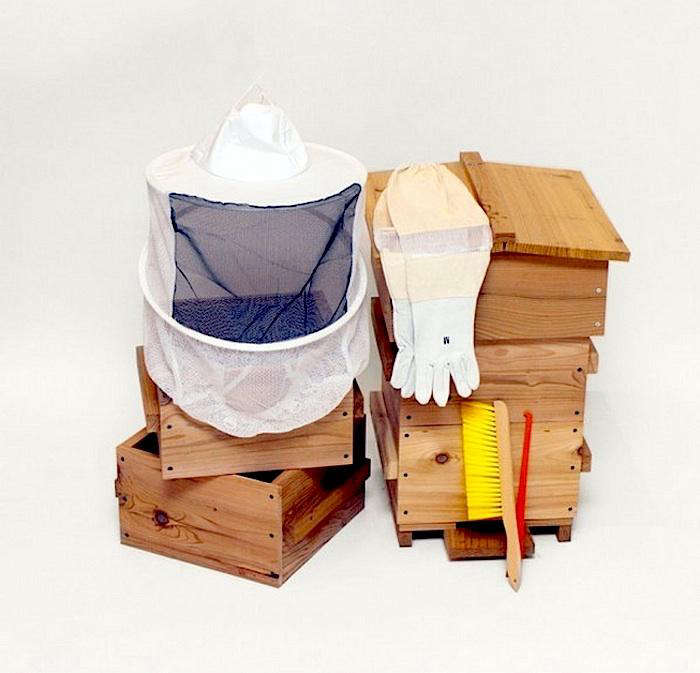
Bee Thinking’s Bee-Keeping Starter Kit was designed as an entry-level bundle for people preparing to manage a hive. Historical product coverage described it as including a hat-and-veil combination, gloves, a Top Bar hive tool, a bee brush, and an optional smoker. In other words, it covered the gear a beginner needs to approach a hive, open it, move gently around the colony, and avoid becoming a panicked cartoon character in the backyard.
The kit stood out because it matched Bee Thinking’s broader identity. The company promoted foundationless beekeeping and sold Top Bar, Warré, and Langstroth-related supplies. Top Bar and Warré systems appeal to many backyard beekeepers because they encourage natural comb building and often require less heavy lifting than a traditional stacked Langstroth setup. That does not make them automatically “better” for every beekeeper, but it does make them attractive to people who value hands-on observation, simple equipment, and a less industrial feel.
Another important note: Bee Thinking’s business story has changed over time. The brand later became associated with Bee Built, which has operated under new ownership and management. For modern buyers, the safest approach is to treat “Bee Thinking’s Bee-Keeping Starter Kit” as a historical product idea and compare it with current Bee Built-style tools, local bee supply shops, and extension-backed beginner equipment recommendations.
Why This Starter Kit Concept Still Works
The reason Bee Thinking’s kit still makes sense as a model is simple: it did not try to sell beginners every shiny beekeeping gadget on Earth. New beekeepers are especially vulnerable to overbuying. The hobby is exciting, the catalogs are charming, and suddenly you are considering a queen marking tube, a pollen trap, three books, two feeders, and a honey extractor before you even have bees. A starter kit should slow that impulse down.
At its best, a beginner beekeeping kit answers four basic questions: Can I protect my face and hands? Can I open the hive safely? Can I move bees gently when needed? Can I calm the colony during inspections? Bee Thinking’s kit covered those questions with a veil, gloves, hive tool, brush, and smoker option.
That is a practical foundation. A veil protects the face and neck, which is where even calm people become dramatically less calm if a bee gets too curious. Gloves help beginners build confidence while they learn controlled movements. A hive tool is essential because bees glue hive parts together with propolis, a resin-like substance that works like nature’s superglue. A bee brush helps move bees off comb or equipment gently. A smoker, when used correctly, can help reduce defensive behavior during inspections.
What Should Be in a Beekeeping Starter Kit?
A reliable bee-keeping starter kit should include the essentials without pretending the box alone makes someone a beekeeper. For most beginners, the must-have list includes protective gear, a hive tool, a smoker, a bee brush, and a feeder or feeding plan. Depending on the hive style, you may also need frames, top bars, foundation, extra boxes, or hive-specific components.
Protective Gear
At minimum, beginners need a veil. Many choose a jacket or full suit as well, especially during the first season. Experienced beekeepers sometimes work with minimal protection, but beginners should not treat that as a personality test. Bees respond to weather, nectar flow, queen status, genetics, pests, and beekeeper behavior. A calm hive in April may be a spicy little thundercloud in August. Dress for the hive you might meet, not the hive you hope will greet you with tiny welcome banners.
Hive Tool
The hive tool is the beekeeper’s pocket-sized crowbar, scraper, lever, and problem solver. Bees seal cracks with propolis, and hive parts can become difficult to separate. A good hive tool helps pry boxes, lift frames or bars, scrape burr comb, and clean surfaces. For Top Bar hives, a tool designed for bar manipulation can be especially helpful.
Bee Brush
A bee brush is used to move bees away from specific areas, such as the edge of a box or a piece of comb. It should be used gently and sparingly. Bees are living creatures, not dust on a windowsill. Slow movements and patience often work better than brushing everything in sight.
Smoker
A smoker is one of the most recognizable beekeeping tools. It produces cool smoke that can make inspections smoother when used carefully. The key word is cool. Hot smoke can harm bees, and too much smoke can create unnecessary stress. A smoker is not a magic wand; it is a tool for calm, measured hive work.
Feeder
Some starter kits include a feeder, while others leave it out. Feeding needs depend on how bees are installed, local nectar availability, weather, and colony strength. A new package or nucleus colony may need support while drawing comb and building population. A local mentor or bee association can help determine when feeding is appropriate in your region.
Hive Choice: Top Bar, Warré, or Langstroth?
Bee Thinking’s identity was closely tied to Top Bar and Warré hives, although it also offered equipment connected to Langstroth systems. Each hive style has advantages and trade-offs.
A Top Bar hive is horizontal. Bees build comb downward from removable bars. Many beginners like Top Bar hives because there is no heavy box lifting, and the hive can be opened one bar at a time. The downside is that natural comb is delicate, especially in hot weather, and honey harvest methods differ from standard frame extraction.
A Warré hive is vertical and often described as a more natural hive style because bees build downward through stacked boxes. It is designed around the idea of supporting the colony’s natural habits with less frequent disturbance. However, Warré management requires planning, especially when adding boxes and handling comb.
A Langstroth hive is the most common modern hive in the United States. It uses standardized boxes and frames, making equipment easier to find and advice easier to compare. The trade-off is weight. Honey supers can become heavy, and the system can feel more equipment-heavy than Top Bar or Warré setups.
The best hive is not the one with the most poetic product description. It is the one you can inspect properly, manage consistently, and support with local knowledge. If most mentors in your area use Langstroth hives, starting with a rare setup may make learning harder. If your goal is small-scale backyard observation with minimal lifting, a Top Bar hive may be a better match.
What Bee Thinking Got Right About Beginner Beekeeping
The biggest strength of Bee Thinking’s Bee-Keeping Starter Kit was its restraint. It recognized that new beekeepers need confidence and control, not clutter. The kit also aligned with a larger philosophy: beekeeping should be thoughtful, observational, and connected to the bees’ biology.
That philosophy matters because beekeeping is not simply “put bees in box, wait for honey.” A colony is a living superorganism. It expands, contracts, stores food, raises brood, manages temperature, defends itself, and responds to the environment. The beekeeper’s job is to support that process without causing unnecessary disruption.
Good beginner equipment should make that easier. A veil helps you stay calm. A smoker helps you inspect more smoothly. A hive tool lets you work cleanly instead of yanking parts apart. A brush helps you move bees without crushing them. None of these tools are glamorous, but they are the kind of boring essentials that keep first-year beekeeping from turning into slapstick.
What the Kit Did Not Include
Because the original Bee Thinking starter kit did not include a hive, bees, mite monitoring supplies, feed, or educational material in every version, beginners needed to budget beyond the kit price. This is where many new beekeepers underestimate the hobby. The first purchase is rarely the final purchase.
A complete first-year setup may require a hive, bees, protective clothing, tools, smoker fuel, feeder, mite testing supplies, treatments if needed, a water source, recordkeeping materials, and possibly a local class. You may also need additional boxes or bars as the colony grows. If honey harvesting is your goal, equipment for crushing, straining, bottling, or extracting honey may come later.
Another missing piece is local regulation. Some cities, counties, and states have registration rules, hive placement requirements, inspection systems, or neighbor-related guidelines. Responsible backyard beekeeping starts before the bees arrive. Check local rules, talk with neighbors, provide a water source, and place the hive where bee flight paths do not turn your sidewalk into an airport runway.
Bee Health: The Beginner Topic Nobody Should Skip
Modern beekeeping requires more than buying a starter kit. Honeybee colonies face pressure from Varroa mites, viruses, poor nutrition, pesticide exposure, and seasonal stress. Varroa mites are especially serious because they weaken bees and spread damaging viruses. A beginner who ignores mite monitoring is not practicing natural beekeeping; they are practicing wishful thinking with a wooden box.
This does not mean every beekeeper must manage bees the same way. It does mean every beekeeper should learn how to monitor colony health, recognize warning signs, and make informed decisions. Even beekeepers drawn to low-intervention hive styles need a plan for pests, food stores, queen status, and winter survival.
A good starter kit gets you through the hive entrance. Education gets you through the first year.
How to Use a Bee-Keeping Starter Kit in the First Season
Before your bees arrive, practice using your gear. Put on the veil and gloves. Light the smoker outdoors and learn how to produce cool, steady smoke. Hold the hive tool. Learn how your hive opens. This may feel silly, but it is far better to feel silly in an empty backyard than confused next to 10,000 bees wondering why their roof just came off.
During early inspections, move slowly. Stand beside the hive rather than directly in front of the entrance. Use small amounts of smoke. Avoid crushing bees when replacing bars, frames, or covers. Keep inspections focused. You are usually checking for queen activity, brood pattern, food stores, comb building, space, and signs of pests or disease.
Take notes after each inspection. Record the date, weather, colony mood, brood status, food stores, mite checks, and anything unusual. Good records help you notice patterns. Without notes, every inspection becomes a foggy memory that starts with “I think they looked okay?” and ends with buying more equipment.
Pros and Cons of a Bee Thinking-Style Starter Kit
Pros
A Bee Thinking-style starter kit is simple, approachable, and focused on real beginner needs. It helps new beekeepers avoid unnecessary tools while covering the basics of protection and hive handling. It pairs especially well with natural-comb hive systems and backyard beekeepers who want to learn through observation.
Cons
The kit is not complete by itself. Beginners still need a hive, bees, education, mite management tools, and local guidance. Also, because the original Bee Thinking product is historical, shoppers should verify current availability and compare modern alternatives carefully. Product names, prices, ownership, and inventory can change over time.
Who Is This Kit Best For?
Bee Thinking’s Bee-Keeping Starter Kit is best understood as a smart match for beginners who want essential tools without clutter. It suits people interested in backyard beekeeping, Top Bar hives, Warré hives, and natural-comb approaches. It also suits gift buyers who want to support a future beekeeper without accidentally buying an entire hive system they may not use.
However, it is not the best standalone choice for someone who wants a complete start-to-finish package. If you want one purchase that includes woodenware, frames or bars, protective gear, smoker, tools, and sometimes educational material, look for a full beehive starter kit instead. Just remember: “complete” on a product page does not always mean complete in real life.
Buying Tips for Modern Beginners
First, decide on your hive type before buying tools. A Langstroth beekeeper, a Top Bar beekeeper, and a Warré beekeeper may all use a veil and smoker, but hive components differ. Second, prioritize fit and comfort in protective gear. A bargain veil that gaps at the neck is not a bargain; it is a tiny door with consequences.
Third, buy from suppliers that clearly explain what is included. Read product descriptions carefully. Does the kit include a hive? Does it include frames or bars? Is the smoker included or optional? Is the protective gear sized? Are bees included? Usually, bees are purchased separately from local or regional suppliers.
Fourth, join a local beekeeping association before your bees arrive. Local mentors can tell you when to order bees, which hive style is common in your area, what nectar flows look like, and what problems beginners usually face. The best accessory is not made of stainless steel or cedar. It is someone nearby who has already made the mistakes you are about to make.
Final Verdict: A Thoughtful Start, Not a Shortcut
Bee Thinking’s Bee-Keeping Starter Kit remains a useful example of what beginner beekeeping equipment should be: simple, practical, and centered on calm hive work. Its appeal comes from the idea that new beekeepers do not need a mountain of gadgets. They need protection, a few reliable tools, a suitable hive, healthy bees, and enough education to understand what they are seeing.
If you are drawn to Bee Thinking’s natural beekeeping spirit, use the kit as inspiration. Choose durable tools, learn your hive style, respect local conditions, and treat bee health as part of the hobby from day one. Honey is wonderful, of course, but the real reward is learning to observe a colony as it builds, adapts, and occasionally reminds you that nature does not read your schedule.
Experience Notes: What It Feels Like to Start With a Bee Thinking-Style Kit
The first experience with a Bee Thinking-style bee-keeping starter kit is less like opening a toolbox and more like accepting a quiet challenge. The veil, gloves, brush, hive tool, and smoker look simple on a table. Nothing about them screams drama. Then the bees arrive, the hive starts humming, and those basic tools suddenly feel like the difference between “I can do this” and “Why did I choose a hobby with 50,000 roommates?”
One of the first lessons beginners learn is that confidence comes from preparation, not bravery. Wearing a veil for the first time may feel awkward. The mesh sits in your field of vision, the gloves make your fingers clumsy, and the smoker takes practice to keep lit. But after a few inspections, the same gear becomes familiar. You learn where to stand, how to move, and how to pause when the colony’s sound changes. That pause is important. Bees communicate a lot if you stop pretending you are the boss of everything.
A Top Bar or Warré beekeeper may especially appreciate the slower rhythm that a minimal starter kit encourages. Instead of tearing through the hive, you work section by section. You lift a bar carefully. You study comb attachment. You notice fresh nectar shining in the cells, pollen packed in different colors, and brood patterns that tell you whether the queen is active. The hive tool becomes less of a pry bar and more of a conversation starter: “What have the bees built, and how can I inspect it without wrecking their architecture?”
The bee brush teaches restraint. New beekeepers often want to brush too much, too quickly. Experience teaches that a gentle breath, a quiet moment, or a slight change in angle may move bees better than sweeping them around. The smoker teaches the same lesson. A few cool puffs can help; a smoky fog machine performance is unnecessary. The goal is not to dominate the hive. The goal is to lower tension enough to do a responsible inspection.
Another real-world experience is discovering that the starter kit is only the beginning. You may need a feeder during a weak nectar flow, mite testing supplies sooner than expected, extra bars or boxes when the colony expands, and a notebook because memory is unreliable after your first inspection. You will also learn that weather matters. A sunny, calm afternoon can make hive work feel peaceful. A windy, stormy, nectar-poor day can make the same colony act like it has read your negative review in advance.
The best part of starting with a Bee Thinking-style kit is that it keeps the focus on learning. You are not distracted by unnecessary equipment. You are paying attention to bees, comb, food stores, brood, and behavior. That is where beekeeping becomes addictive in the best way. The kit does not make you an expert, but it gives you a respectful first step. And in beekeeping, respectful first steps matter. The bees are small, but they are not impressed by shortcuts.