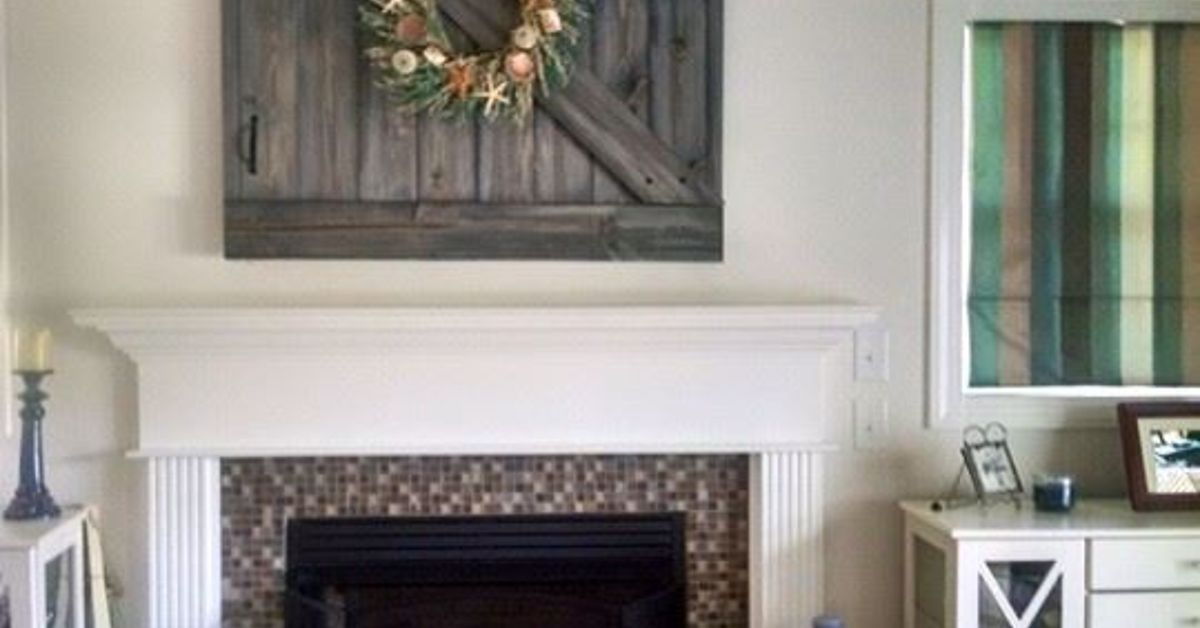
A television is wonderful when it is playing your favorite movie, the big game, or that one cooking show that somehow convinces you to buy cilantro again. But when it is off, it can become a large black rectangle quietly judging the entire room. That is exactly why the barn door TV cover has become such a smart, stylish solution for homeowners who want technology without letting technology boss around the décor.
A barn door TV cover is a decorative sliding, folding, or hinged wood panel system that hides a wall-mounted television when it is not in use. Think of it as a little farmhouse magic trick: one minute the TV is there, the next minute it is tucked behind warm wood, painted panels, shiplap, reclaimed boards, or custom cabinet doors. No rabbits, no top hat, no remote-control panic.
The best designs combine beauty with practical planning. A good DIY barn door TV cover must allow the doors to move smoothly, protect the TV, manage cords, keep air flowing, and attach safely to the wall. Done well, it can turn a basic TV wall into a feature wall that looks intentional, cozy, and expensiveeven if your budget is more “weekend warrior” than “celebrity lake house.”
What Is a Barn Door TV Cover?
A barn door TV cover is usually built around a mounted television. The TV stays fixed on the wall, while one or two sliding panels move across the front to conceal it. Some versions use a traditional barn-door rail above the screen. Others use bypass tracks, cabinet hinges, folding panels, or custom millwork that lets doors open to the sides.
The style works especially well in living rooms, bedrooms, cabins, farmhouse interiors, rustic media rooms, and spaces where the TV sits above a console, mantel, or built-in shelving. It is also popular with people who love movie night but do not want the screen to dominate every daylight hour like a giant sleeping robot.
Why Choose a Barn Door TV Cover?
It Hides the Screen Without Removing Convenience
Some hidden TV ideas require lifts, expensive cabinetry, or complicated motorized systems. A sliding barn door TV cover is simpler. You slide the doors open when you want to watch, then slide them closed when you want the room to feel calmer. It is low-tech in the best possible way.
It Adds Texture to a Flat Wall
Modern TVs are thin, but the wall around them can still feel unfinished. Wood doors add warmth, depth, and texture. A stained pine cover can make a room feel rustic. A white-painted shiplap version can lean coastal farmhouse. A black or walnut slat cover can look modern and dramatic.
It Can Be Customized for Any Room
The beauty of a barn door TV wall cover is flexibility. You can build it to match your trim, echo your flooring, complement a fireplace mantel, or create contrast against a neutral wall. The doors can be plain, paneled, X-braced, chevron-patterned, framed like shutters, or designed to look like wall art.
Popular Barn Door TV Cover Styles
1. Classic Double Sliding Barn Doors
This is the most recognizable version. Two doors meet in the middle and slide apart on a horizontal metal track. When closed, they hide the TV completely. When open, they frame the screen like decorative shutters. This works best when there is enough wall space on both sides of the TV for the doors to slide fully open.
2. Single Sliding Panel
A single oversized door can slide from one side to the other. This option is clean and simple, but it requires open wall space equal to the width of the door. It is a good choice for asymmetrical layouts or smaller TVs.
3. Bifold Barn Door TV Cover
A bifold design uses hinged door sections that fold as they move. This is useful when wall space is limited. It can also work well over a fireplace or outdoor covered patio where traditional sliding clearance is not available.
4. Cabinet-Style Barn Door Cover
This version frames the TV inside a shallow box or cabinet. The doors may slide, swing, or fold. A cabinet-style hidden TV cover looks polished and can include side shelves, soundbar openings, or small compartments for streaming devices.
5. Reclaimed Wood TV Cover
For maximum character, reclaimed boards bring knots, nail holes, color variation, and “I have lived an interesting life” energy. Just make sure old wood is clean, dry, flat enough to use, and not so heavy that your wall hardware needs a motivational speech.
Planning Before You Build
Before buying lumber or track hardware, measure carefully. A barn door TV cover is not just a pretty rectangle. It must clear the TV, allow the doors to move, and leave enough room for ventilation and cables.
Measure the TV
Measure the full width, height, and depth of the television, including any wall mount tilt, soundbar, cable plugs, or accessories behind the screen. Do not measure only the visible screen size. A “55-inch TV” does not mean the TV is 55 inches wide; that number is diagonal.
Add Clearance Around the TV
Leave breathing room around the screen. A tight box may look neat in a sketch, but electronics need airflow. A practical design leaves open space behind or around the frame, especially near TV vents. The cover should hide the screen without sealing it in like a sandwich bag.
Check the Wall Structure
The track and doors must attach to something solid. Drywall alone is not enough for a moving door system. Most projects need a header board or backer board secured into wall studs. The rail attaches to that board, helping distribute the weight and giving the hardware a strong base.
Plan Door Travel
For sliding doors, each panel needs somewhere to go when open. Measure the wall space on both sides of the TV. Watch for windows, switches, sconces, thermostats, shelves, and trim. A barn door that opens directly into a light switch is not rustic charm; it is a tiny daily argument.
Materials for a DIY Barn Door TV Cover
A simple DIY build may include:
- 1×4, 1×6, or 1×8 boards for the door frame and panels
- Plywood, shiplap, tongue-and-groove boards, or reclaimed wood for the face
- Barn door track hardware rated for the weight of the doors
- A solid header or backer board
- Wood screws, lag screws, washers, and wall-safe fasteners
- Wood glue, clamps, sandpaper, primer, paint, or stain
- Handles or pulls
- Door stops, anti-jump blocks, and guides if included with the hardware
- Cord raceway, in-wall cable kit, or cable management clips
For a lighter build, use thin plywood with a decorative frame. For a heavier rustic build, use solid boards. Just remember: heavier doors require stronger hardware and better anchoring. The wall does not care how cute the doors are. Physics remains undefeated.
How to Build a Barn Door TV Cover
Step 1: Create a Design Sketch
Sketch the TV, the wall, and the doors. Decide whether the doors will slide apart, slide to one side, fold, or swing open. Mark the total outside dimensions of the cover. For double sliding doors, each door should usually cover half the TV opening plus a little overlap in the middle.
Step 2: Build the Door Panels
Cut your boards to size and assemble each door on a flat surface. A simple design uses a rectangular frame with vertical or horizontal boards inside. A classic farmhouse look uses diagonal braces or an X pattern. Keep the backs as flat as possible so the doors do not rub against the wall or TV frame.
Step 3: Sand and Finish
Sand sharp edges and rough spots. If staining, test the stain on scrap wood first. If painting, use primer for better coverage. Matte and satin finishes usually work well because they reduce glare and hide fingerprints better than glossy paint.
Step 4: Install the Header Board
Locate studs and attach a solid header board above the TV area. The board should be level and long enough to support the track. Secure it into multiple studs with appropriate fasteners. This step is not where you want to freestyle. A straight, strong header board is the quiet hero of the whole project.
Step 5: Mount the Track
Follow the hardware manufacturer’s instructions for spacing, fastener size, and door height. Use a level. Then use the level again, because doors have a special talent for revealing tiny mistakes. Install track stops so the doors cannot roll too far.
Step 6: Hang the Doors
Attach hangers to the doors, lift the panels onto the rail, and test movement. Install anti-jump blocks if your hardware includes them. These small parts help keep the doors from bouncing off the track. Add bottom guides if needed to prevent swinging.
Step 7: Handle Cords and Devices
A barn door TV cover looks much better when cords are under control. Paintable cord raceways, in-wall rated cable kits, furniture channels, and cable clips can all help. If you need electrical work, hire a licensed electrician. Hiding cords should not involve unsafe wiring or extension cords buried in walls.
Design Ideas That Look Custom
Match the Doors to the Mantel
If the TV is above a fireplace, stain the barn doors to match the mantel. This creates a unified focal point and helps the cover look built-in rather than added later.
Use Shiplap Behind the TV
A shiplap wall with sliding barn doors gives the entire area texture. Paint the shiplap white and use stained wood doors for contrast, or paint everything the same color for a cleaner built-in look.
Add Picture-Frame Molding
For a more traditional room, skip the rustic X-brace and use picture-frame molding. Painted barn door panels can resemble elegant wall panels when closed.
Include a Soundbar Opening
If your soundbar sits below the TV, leave a dedicated opening or shelf. Do not trap the soundbar behind solid doors unless you enjoy watching movies that sound like they are happening inside a shoebox.
Go Modern With Slatted Wood
Vertical slats can make a barn door TV cover feel more modern than farmhouse. Use narrow strips with consistent spacing and a rich stain for a high-end media-wall look.
Common Mistakes to Avoid
Making the Doors Too Heavy
Solid wood is beautiful, but weight matters. If the doors are too heavy for the rail or wall, the project becomes unsafe. Choose hardware rated above the actual door weight and mount it properly.
Ignoring Ventilation
TVs need airflow. Avoid enclosing the screen tightly on all sides. Leave gaps, use a shallow frame, or design the cover so air can move behind the panels.
Forgetting Remote Sensors
Some remotes need line-of-sight access to the TV or devices. If streaming boxes, receivers, or cable boxes are hidden, test remote function before finalizing the cabinet.
Blocking Access to Ports
At some point, you may need to plug in a new device, replace an HDMI cable, or perform the ancient ritual of unplugging something and plugging it back in. Leave access space.
Skipping Wall Anchoring
If your project includes a cabinet, console, shelving, or large panels, secure everything properly. A TV wall should look calm, not become a safety hazard in decorative boots.
Barn Door TV Cover Cost
The cost depends on size, materials, and hardware. A budget DIY version using pine boards, plywood, and basic sliding hardware may cost far less than a custom built-in cabinet. Mid-range projects often use better lumber, soft-close hardware, trim, stain, and cable management. A professional custom media wall can cost significantly more but may include cabinetry, electrical planning, lighting, and a seamless finish.
For many homeowners, the sweet spot is a DIY or semi-DIY cover: buy reliable hardware, build lightweight doors, paint or stain them carefully, and spend extra time on measuring. A straight, smooth-operating cover looks expensive even when the materials are simple.
Where a Barn Door TV Cover Works Best
A barn door TV cover works beautifully in family rooms, bedrooms, vacation cabins, farmhouse kitchens, finished basements, and covered outdoor living areas. It is especially useful in rooms where the TV is not the main design feature. In a formal living room, it lets the space feel conversation-friendly when the screen is closed. In a bedroom, it softens the look of a wall-mounted TV. In a cabin or rustic home, it blends technology with natural materials.
It may not be ideal for very narrow walls, ultra-minimal interiors, or rooms where the TV is used constantly throughout the day. If you open and close the doors ten times before lunch, you may begin negotiating with them like coworkers.
Maintenance Tips
Dust the track regularly so the rollers glide smoothly. Check screws and stops every few months, especially if the doors are heavy or used often. Touch up paint or stain as needed. Keep cords organized and make sure vents remain clear. If the doors begin to drag, wobble, or scrape, fix the issue early before it becomes a bigger repair.
Real-Life Experience: What Living With a Barn Door TV Cover Feels Like
The first thing most people notice after installing a barn door TV cover is not the door itselfit is the sudden quietness of the room. A blank TV screen has a way of pulling attention even when it is off. Once the doors slide shut, the room feels more finished, almost like someone finally put punctuation at the end of the design sentence.
In everyday use, the best barn door TV cover is the one that opens easily. If the panels are too heavy, the track is noisy, or the handles are awkward, the novelty wears off quickly. Smooth rollers and properly aligned hardware make a huge difference. Soft-close hardware is also worth considering, especially in bedrooms or homes where one person wakes up early and another person believes mornings are a design flaw.
One practical lesson is to plan for fingerprints. Painted white doors look crisp, but handles help keep smudges away from the panels. Dark stained wood hides minor marks better, while black paint can show dust. A satin finish is often easier to maintain than a flat finish because it wipes clean without looking too shiny.
Another experience-based tip: leave more clearance than you think you need. A TV mount, HDMI plug, streaming stick, soundbar cable, or angled power cord can steal space behind the scenes. When the cover is too shallow, every future cable change becomes a tiny home-improvement drama. A little extra depth keeps the setup easier to live with.
Sound is another real-world detail. If speakers are built into the TV and the doors are open while watching, there is usually no issue. But if a soundbar or receiver is hidden inside a cabinet, the design needs an opening, grille, or shelf placement that lets audio travel. Otherwise, dialogue can sound muffled. Nobody wants to turn a beautiful TV cover into a luxury mumble machine.
For families, the cover can also change room habits. Closing the doors makes the TV feel less available, which can subtly encourage conversation, reading, board games, or simply enjoying the room without a screen staring back. It does not magically turn everyone into a poet by sunset, but it does help the space feel less dominated by entertainment equipment.
The final experience worth mentioning is guest reaction. A well-built barn door TV cover almost always earns comments. People love hidden features, especially when they are simple and useful. It feels custom without being overly complicated. And when the doors slide open to reveal the TV, there is a small theatrical momentlike a stage curtain, but with fewer actors and more snacks.
Overall, a barn door TV cover is not just a decorative trick. It is a practical design upgrade that helps a room serve two moods: relaxed media space when open, warm finished living space when closed. That balance is what makes the project so satisfying.
Conclusion
A barn door TV cover is one of those rare DIY ideas that solves a real design problem while adding personality. It hides the black screen, warms up the wall, and gives the room a custom focal point. The key is planning: measure carefully, use safe hardware, secure the track into studs or a header board, allow ventilation, manage cords, and build doors that are attractive but not unnecessarily heavy.
Whether you choose rustic reclaimed boards, clean painted panels, modern slats, or a full cabinet-style frame, the goal is the same: make the TV available when you want it and invisible when you do not. It is practical, stylish, and just dramatic enough to make movie night feel like an event.