Tile is dramatic. It can make a bathroom look like a boutique hotel, a kitchen feel custom, and a laundry room look less like a place where socks go to disappear. But tile has one little diva demand: it needs the right surface underneath. That surface is usually called a backer board, tile backer, or tile underlayment.
Choose the right tile backer board and your tile has a strong, flat, moisture-smart foundation. Choose the wrong one and you may get cracked grout, loose tiles, swollen walls, mold problems, or the saddest phrase in home improvement: “We have to tear it out.”
This guide breaks down the pros and cons of the most common tile backers, including cement board, fiber cement board, foam tile backer board, glass mat gypsum board, uncoupling membranes, drywall, plywood, and concrete slabs. The goal is simple: help you pick the right backer board for floors, showers, tub surrounds, backsplashes, and other tile projects without needing a degree in construction wizardry.
What Is Backer Board?
Backer board is a panel or underlayment installed behind or under tile to create a stable bonding surface. Tile itself is hard, but it is not flexible. If the surface below it moves, swells, bends, or absorbs moisture, the tile installation can fail.
A good tile backer should do several things well. It should provide a flat surface, bond properly with thinset mortar, resist moisture damage, support the tile assembly, and match the needs of the room. A kitchen backsplash does not face the same punishment as a shower wall. A bathroom floor has different demands than a concrete basement slab. Tile may look calm and elegant, but underneath, there is a lot going on.
Why the Tile Backer Matters So Much
Tile failures rarely happen because the tile “changed its mind.” They usually happen because the substrate was not prepared correctly. Backer board does not replace good framing, proper subfloor thickness, waterproofing, or movement joints. It is part of a system.
For floors, stiffness is critical. Ceramic and porcelain tile need a floor structure that limits deflection. Natural stone needs even more support because it is more fragile. For wet areas, moisture management is the star of the show. Some tile backers are water-resistant, while others are waterproof only when installed as a full system with sealed seams, fasteners, and transitions.
In other words, the best backer board is not always the most expensive one. It is the one that matches the job.
Cement Backer Board
Cement backer board is one of the most familiar tile underlayment options. It is usually made from cement and reinforcing fibers or mesh. Popular uses include bathroom floors, shower walls, tub surrounds, countertops, and other areas where a tough, tile-friendly surface is needed.
Pros of Cement Backer Board
It is strong and tile-friendly. Cement board gives thinset mortar a solid surface to grip. It does not contain paper facing, so it is not food for mold in the way ordinary drywall paper can be.
It works in wet and dry areas. Cement board is commonly used in showers, bathrooms, kitchens, laundry rooms, and entryways.
It is widely available. You can find cement board at most home improvement stores, which is helpful when you need “one more sheet” because your measuring skills had a brief vacation.
It is cost-effective. Compared with many waterproof foam boards, cement board is usually less expensive per sheet.
Cons of Cement Backer Board
It is not automatically waterproof. This is the big misunderstanding. Cement board can tolerate moisture, but water can still pass through it. In showers and other wet zones, it needs a waterproofing membrane or another approved moisture-management method.
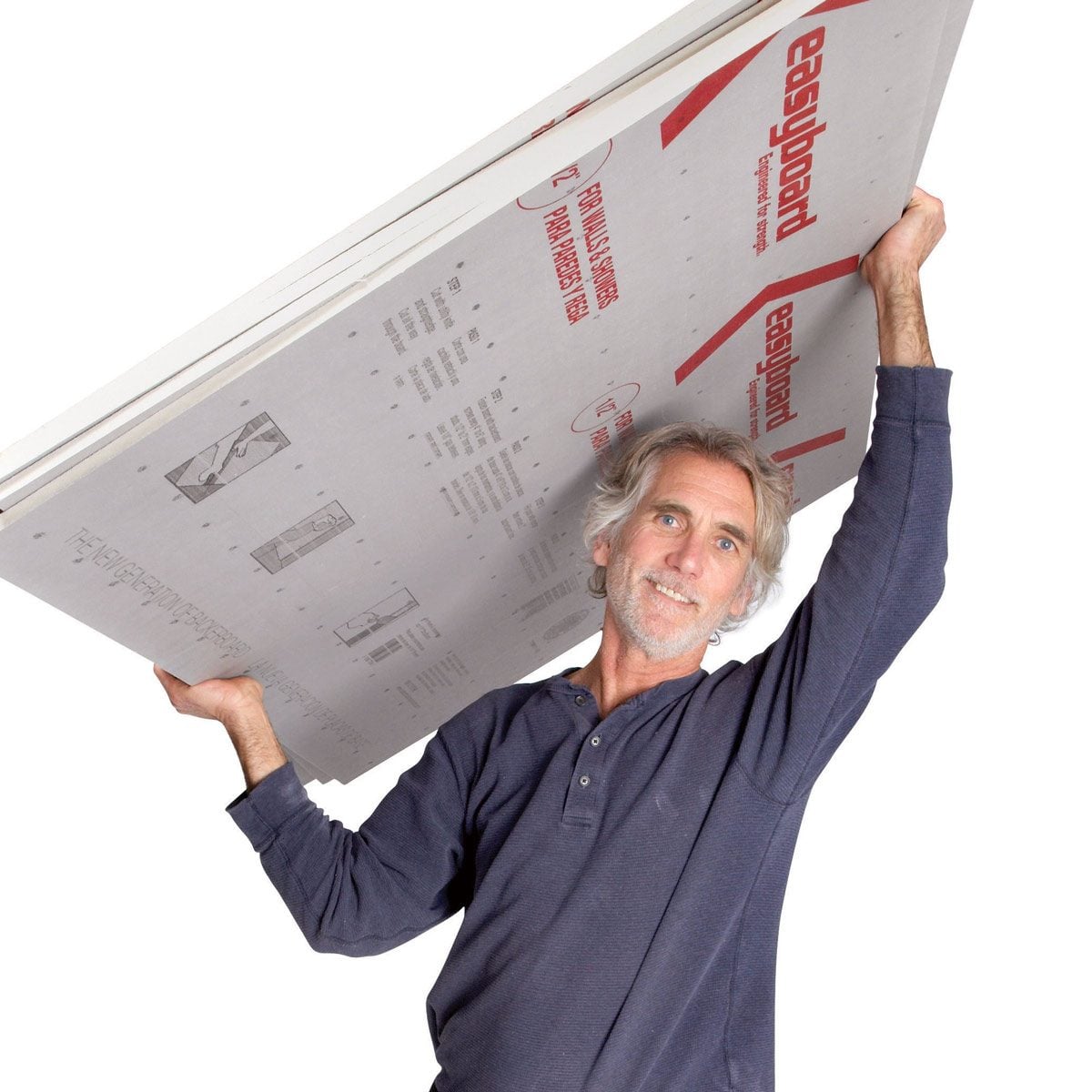
It is heavy. Carrying cement board upstairs is excellent exercise, but so is hiking, and hiking usually has better scenery.
It can be dusty to cut. Cutting cement board may require scoring tools, shears, or saws, depending on the product. Dust control and proper protection are important.
Fastening takes effort. Cement board typically needs corrosion-resistant backer board screws, proper spacing, thinset under floor panels, taped seams, and careful installation.
Fiber Cement Backer Board
Fiber cement board is similar to cement board but has a denser composition, often made with cement, sand, and cellulose or other reinforcing fibers. It is commonly used on floors, walls, countertops, and backsplashes.
Pros of Fiber Cement Board
It cuts cleaner than some cement boards. Many fiber cement boards are designed to score and snap, making them friendly for DIYers working indoors.
It provides a firm tile substrate. Fiber cement board is strong and dimensionally stable when installed according to instructions.
It is useful in wet areas with proper waterproofing. Like cement board, it can be part of a shower or tub surround assembly when the full system is properly detailed.
Cons of Fiber Cement Board
It still needs waterproofing in wet zones. Moisture-resistant does not mean shower-ready by itself. Seams, corners, fasteners, niches, benches, and penetrations all need attention.
It may be brittle at edges. Rough handling can damage corners, especially during transport or installation.
It adds thickness. When used near drywall transitions, doors, or cabinets, the extra thickness can create small alignment puzzles.
Foam Tile Backer Board
Foam tile backer board has become very popular for showers and custom bathroom projects. These panels typically have a waterproof foam core with a reinforced surface designed to bond with tile mortar. Brands vary, but the general idea is lightweight, waterproof, and easier to cut than cement board.
Pros of Foam Backer Board
It is lightweight. Foam board is much easier to carry, cut, and position than cement board. Your back may write you a thank-you note.
It is waterproof as part of a system. Many foam boards are designed for wet areas when seams, fasteners, and corners are sealed with the manufacturer’s approved materials.
It cuts easily. Most foam boards can be cut with a utility knife, creating less dust and noise.
It speeds up installation. In many shower projects, foam board can reduce steps because waterproofing is integrated into the board system.
It is useful for benches, niches, and custom shapes. Foam panels are often used for shower seats, shelves, vanities, and design features.
Cons of Foam Backer Board
It costs more. Foam board systems are usually more expensive than cement board.
It depends heavily on system details. The board may be waterproof, but the shower is only waterproof if seams, screws, corners, drains, and transitions are sealed correctly.
It can feel less familiar. Contractors used to cement board may need to adjust their installation habits.
It may require brand-specific accessories. Sealant, washers, banding, and drains may need to come from the same manufacturer to maintain system performance.
Glass Mat Gypsum Tile Backer
Glass mat gypsum backer boards use a water-resistant gypsum core faced with fiberglass mats or coated surfaces. Some products include an integrated moisture barrier. They are common in commercial and residential bathrooms, especially where speed and lighter handling matter.
Pros of Glass Mat Gypsum Board
It is lighter than cement board. This makes handling easier, especially on walls and ceilings.
It cuts like drywall. Many products can be scored and snapped with a utility knife.
Some versions include a built-in moisture barrier. This can reduce installation steps in wet areas when the product is approved for that use.
It installs quickly. Crews familiar with drywall methods often like glass mat gypsum panels because they are less punishing to cut and fasten.
Cons of Glass Mat Gypsum Board
Not every gypsum product is suitable for every wet area. Ordinary drywall and greenboard are not the same as tile-rated glass mat gypsum backers.
Edges and penetrations need care. A built-in surface barrier does not excuse sloppy seams, exposed cuts, or poorly sealed fixtures.
Product approvals matter. Always check whether the board is approved for floors, walls, ceilings, showers, steam showers, or only certain applications.
Uncoupling Membranes
Uncoupling membranes are not backer boards in the traditional panel sense, but they are important tile underlayments. These membranes are usually rolled out over a floor and bonded with thinset. Their job is to help separate tile from small movements in the substrate below.
Pros of Uncoupling Membranes
They help manage movement. Floors expand, contract, and shift slightly. Uncoupling membranes reduce the chance that small substrate movement transfers directly into the tile.
They are thin. This is helpful when you need a lower floor height transition.
They are useful over concrete and wood subfloors. Over concrete, they can help reduce crack transfer. Over wood, they can be part of a tile floor system when installed over a properly prepared subfloor.
Some systems offer waterproofing. Certain membranes become waterproof when seams and edges are sealed correctly.
Cons of Uncoupling Membranes
They do not fix structural problems. If the floor is bouncy, rotten, weak, or poorly framed, a membrane will not magically turn it into a bridge.
They require correct mortar selection. Some systems specify modified or unmodified mortar depending on the substrate and tile.
They can cost more than basic cement board. The material price may be higher, but the thinner profile and performance benefits can make sense.
Drywall and Greenboard
Drywall is sometimes used as a tile backer in dry areas, such as kitchen backsplashes or low-moisture wall applications. Greenboard is moisture-resistant drywall, but it is not waterproof.
Pros of Drywall for Tile
It is inexpensive and easy to install. For a dry kitchen backsplash, regular drywall can be a practical substrate if it is flat, clean, and sound.
It is widely available. Drywall is everywhere, including in that mysterious corner of the garage where old renovation materials go to retire.
It creates easy wall transitions. Because surrounding walls are usually drywall, thickness matching is simple.
Cons of Drywall and Greenboard
They are not for direct wet areas. Showers, tub surrounds, and steam areas need more robust tile backing and waterproofing.
Paper facing can be vulnerable. If moisture gets behind tile, paper-faced drywall can deteriorate and support mold growth.
Greenboard is often misunderstood. Moisture-resistant does not mean waterproof. It is better for damp rooms than wet tile assemblies.
Plywood as a Tile Backer
Plywood is sometimes part of a tile floor assembly, but it is rarely the final tile bonding surface in modern best-practice installations. Tile may be installed over plywood in certain approved systems, but it requires strict attention to grade, thickness, fastening, movement, and mortar compatibility.
Pros of Plywood
It adds structural strength. A properly built plywood subfloor can help stiffen the floor system before tile underlayment is installed.
It is useful as a base layer. Cement board, uncoupling membranes, and other tile underlayments are often installed over plywood subfloors.
Cons of Plywood
It moves with moisture. Wood expands and contracts, and tile does not appreciate that kind of personality.
It needs careful preparation. Gaps, fasteners, panel orientation, joist spacing, and surface cleanliness all matter.
It is not ideal in wet areas. Showers and wet floors need a waterproofing plan that protects the wood structure.
Concrete Slabs
Concrete can be an excellent tile substrate, but it is not automatically perfect. Cracks, curing compounds, moisture vapor, unevenness, paint, sealers, and slab movement can all create problems.
Pros of Concrete
It is strong and rigid. A sound concrete slab can be a durable base for tile.
It avoids wood movement. Concrete does not expand and contract like plywood.
It can work well with membranes. Crack isolation or uncoupling membranes can improve performance where movement or existing cracks are concerns.
Cons of Concrete
Cracks can transfer into tile. If the slab cracks, the tile above may crack unless the assembly is designed to reduce that risk.
Moisture vapor can be an issue. Basement slabs and on-grade concrete may need moisture evaluation before tile installation.
Cement board is usually not the answer over concrete. It is generally better to repair, flatten, clean, and treat the slab with the right membrane or mortar system rather than trying to fasten backer board to concrete.
Best Tile Backer by Project Type
Shower Walls
For shower walls, the best options are usually cement board with a waterproofing membrane, foam backer board installed as a complete waterproof system, or approved glass mat gypsum tile backer with properly sealed seams. The key is not just the board; it is the waterproofing at seams, corners, niches, benches, valves, and the shower base.
Bathroom Floors
For bathroom floors over wood framing, cement board, fiber cement board, and uncoupling membranes are common choices. The subfloor must be stiff enough, properly fastened, and flat. Backer board adds a tile-friendly surface, but it does not strengthen a weak floor structure by itself.
Kitchen Backsplashes
For dry kitchen backsplashes, standard drywall is often acceptable if it is clean, flat, and in good condition. If the area sees heavy water exposure, such as behind a sink with frequent splashing, a more moisture-resistant tile backer can be a smarter upgrade.
Steam Showers
Steam showers are a special category. They need materials and membranes rated for vapor control, not just splash resistance. This is not the place to improvise with leftover boards and optimism.
Countertops
Cement board and fiber cement board can work well for tiled countertops when installed over a strong base. Waterproofing may be needed around sinks, seams, and edges.
Quick Comparison of Tile Backer Options
| Tile Backer | Best For | Main Advantage | Main Drawback |
|---|---|---|---|
| Cement board | Floors, walls, showers with waterproofing | Durable and widely available | Heavy and not waterproof by itself |
| Fiber cement board | Floors, walls, countertops | Strong and often easier to cut | Needs waterproofing in wet areas |
| Foam backer board | Showers, niches, benches, wet rooms | Lightweight and waterproof as a system | Higher cost and system-specific details |
| Glass mat gypsum backer | Bathroom walls, ceilings, approved wet areas | Lightweight with moisture-resistant options | Must verify product approval |
| Uncoupling membrane | Tile floors over wood or concrete | Helps reduce crack transfer | Does not fix structural weakness |
| Drywall | Dry backsplashes and low-moisture walls | Cheap and easy | Not suitable for direct wet areas |
| Concrete slab | Floors when clean, flat, and stable | Rigid and strong | Cracks and moisture need evaluation |
Common Backer Board Mistakes to Avoid
Skipping thinset under floor backer board. On floors, backer board is commonly embedded in thinset mortar before fastening. The mortar fills voids; the screws hold the panel down. Skipping this step can leave hollow spots.
Using drywall screws. Drywall screws are not designed for cement board or wet tile assemblies. Use the fasteners recommended by the backer board manufacturer.
Forgetting seam tape. Backer board seams usually need alkali-resistant mesh tape and thinset. Regular drywall tape is not invited to this party.
Assuming tile and grout are waterproof. Tile and grout help shed water, but they are not a complete waterproofing system. Water can migrate through grout joints, corners, and tiny cracks.
Ignoring movement joints. Tile expands and contracts. Perimeter gaps, soft joints, and movement accommodation are essential, especially in larger areas.
Choosing based only on price. Cheap material can become expensive if it adds labor, waterproofing steps, or risk. The best value is the system that fits the project and performs over time.
Real-World Experience: What Tile Backer Choices Feel Like on the Job
In real renovation work, the “best” backer board often reveals itself before the first tile is even set. Cement board, for example, feels reassuringly tough. It has that rugged, no-nonsense personality of a pickup truck parked next to a stack of lumber. On a bathroom floor, it can be a great choice when the subfloor is properly prepared. But after carrying several sheets through a narrow hallway, you quickly understand why lightweight alternatives exist. Cement board works, but it demands patience, proper screws, dust control, seam treatment, and waterproofing where needed.
Foam backer board feels like the modern shortcut that is not actually a shortcut when done correctly. It is fast to carry, easy to cut, and pleasant to handle. In a shower remodel, that can be a major advantage. Cutting a niche opening with a utility knife instead of wrestling a dusty board feels almost suspiciously civilized. The catch is that foam systems punish sloppy detailing. Every seam, fastener, inside corner, outside corner, and plumbing penetration must be sealed according to the system instructions. The board may be waterproof, but the shower is only waterproof when the entire assembly is waterproof.
Glass mat gypsum tile backer can be a practical middle ground. Installers who are comfortable with drywall often like it because it cuts easily and goes up quickly. It can be especially useful on bathroom walls and ceilings where approved. Still, it requires careful product selection. Not every gypsum panel belongs behind tile in a wet area. A homeowner may see “moisture-resistant” on a label and assume it is ready for shower duty, but that assumption can become expensive. Always match the panel to the exposure level.
Uncoupling membranes are another interesting experience. They feel almost too thin to matter, but they can be very useful on floors where height is limited or where crack isolation is important. The biggest lesson with membranes is that they are not structural superheroes. If the floor bounces when someone walks across it, a membrane will not save the tile. Fix the structure first, then choose the underlayment.
For DIYers, the smartest approach is to choose the backer board based on the most demanding condition in the project. A dry backsplash does not need the same system as a shower. A steam shower does not deserve guesswork. A basement slab should be checked for cracks, flatness, and moisture before tile is installed. Good tile work is not about buying the fanciest board; it is about respecting water, movement, and gravity. Gravity, in particular, has been in the construction business for a very long time and has excellent references.
One practical tip from jobsite experience: plan transitions before installing anything. Think about where tile meets painted drywall, where the floor meets the hallway, where the shower wall meets the ceiling, and how thick the finished assembly will be. Many backer board headaches are not caused by the board itself but by discovering too late that the tile surface sticks out like a proud little cliff. Measure the whole sandwich: framing or subfloor, backer board, mortar, membrane if used, tile thickness, and trim. Your future self will be deeply grateful.
Conclusion
Backer board is not glamorous, but it is one of the most important parts of a tile installation. Cement board is durable and affordable, but it needs waterproofing in wet areas. Fiber cement board is strong and often easier to cut, but it still requires moisture planning. Foam tile backer board is lightweight and highly efficient for showers when installed as a complete system. Glass mat gypsum board can save time, but only approved products should be used in wet tile assemblies. Uncoupling membranes are excellent for many floors, especially where movement or height is a concern, but they do not repair weak framing.
The best tile backer board depends on the project, the room, the substrate, the tile type, and the amount of water involved. When in doubt, think like a tile pro: make the surface flat, stable, clean, properly waterproofed, and compatible with the mortar and tile. Do that, and your tile has a much better chance of staying beautiful instead of becoming a cautionary tale with grout lines.
Note: Always follow the current manufacturer instructions, local building codes, and tile industry standards for your specific product and installation. Backer board is only one part of a complete tile system.