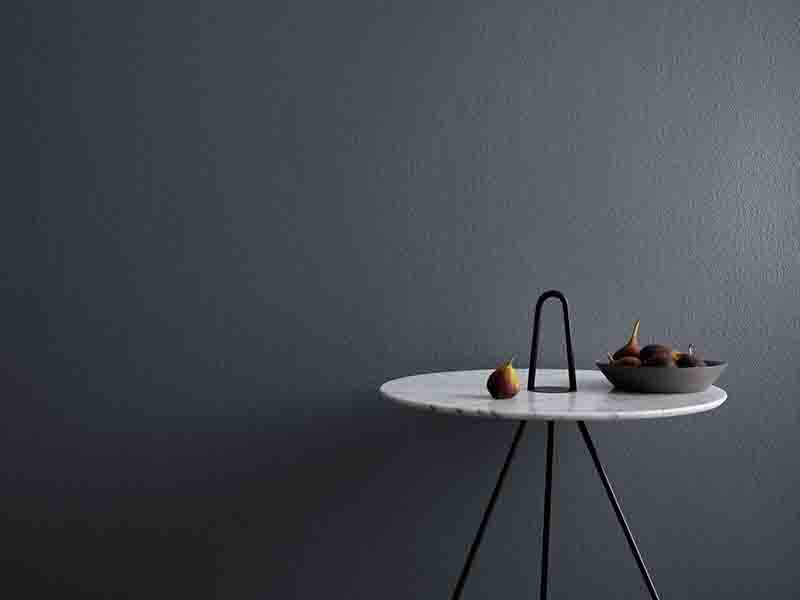
Some paint colors whisper. Some politely clear their throat. And then there is Baby Seal Black 2119-30, a Benjamin Moore shade that walks into a room wearing a tailored charcoal suit and somehow makes the furniture sit up straighter. Despite the adorable name, this is not a soft nursery gray or a fuzzy little neutral. Baby Seal Black is a deep, cool charcoal-black paint color with a subtle violet undertone, designed for interiors that want drama, polish, and a little architectural confidence.
At first glance, Baby Seal Black 2119-30 may look like a straightforward dark gray. Look again. The magic is in its complexity. It has the depth of black, the softness of charcoal, and a faint purple-violet cast that keeps it from feeling flat or harsh. That makes it especially useful for homeowners who love dark paint colors but do not want a room to feel like a cave with Wi-Fi.
This in-depth guide explains what Baby Seal Black looks like, where it works best, how to pair it with trim and décor, which finishes make sense, and how to use it without accidentally turning your living room into a moody villain headquarters. Stylish? Yes. Scary? Only if you skip the sample test.
What Color Is Baby Seal Black 2119-30?
Baby Seal Black 2119-30 is a cool charcoal black paint color from Benjamin Moore. It belongs to the brand’s Color Preview collection, a group known for expressive, saturated hues that range from vibrant brights to deep, dramatic shades. Baby Seal Black sits on the dark, sophisticated end of that spectrum.
The official description identifies it as a cool charcoal black with a hint of violet undertone. That is the key to understanding the color. It is not a warm black with brown undertones, and it is not a pure, ink-like black. It is more nuanced, with a smoky quality that feels modern, elegant, and slightly mysterious.
Baby Seal Black LRV: Why It Looks So Dark
Baby Seal Black has an approximate LRV of 8.74. LRV stands for Light Reflectance Value, which measures how much light a color reflects on a scale from 0 to 100. Pure black sits near 0, while pure white sits near 100. With an LRV under 10, Baby Seal Black absorbs a lot of light, giving it a rich, enveloping appearance.
In practical terms, this means Baby Seal Black will look deep and dramatic in most rooms. In bright natural light, you may see more of its charcoal personality. In low light, it can read closer to black. Under warm artificial bulbs, the violet undertone may soften slightly. Under cooler LED lighting, the shade can appear crisper and more slate-like.
Why Designers and Homeowners Like Baby Seal Black
Dark paint colors have become popular because they add instant depth and mood. Baby Seal Black 2119-30 does that without feeling overly severe. It gives rooms a designed, intentional lookthe kind that makes people say, “Wow, you really thought about this,” even if your design process was mostly holding paint chips next to a coffee mug.
One reason Baby Seal Black works so well is its balance. A pure black can sometimes feel stark. A dark navy can feel strongly blue. A dark brown can feel traditional. Baby Seal Black lands somewhere in the middle: dark, cool, refined, and flexible enough to pair with many different materials.
It Adds Contrast Without Looking Flat
Contrast is one of the easiest ways to make a room feel finished. Baby Seal Black creates a strong contrast with white trim, pale stone, light oak, brass fixtures, creamy upholstery, and soft neutral walls. Because it has a charcoal-violet undertone, it keeps that contrast from looking too harsh.
It Makes Architectural Details Stand Out
Use Baby Seal Black on built-ins, interior doors, stair railings, fireplace surrounds, or wainscoting, and suddenly the details look custom. A plain door can look expensive. A basic bookcase can look like it was designed by someone who owns excellent shoes. Dark paint gives structure and shadow, which helps architectural lines feel more prominent.
It Creates a Cozy, Cocooning Effect
Dark colors are often blamed for making rooms feel smaller, but that is not always a bad thing. In bedrooms, dens, powder rooms, and reading corners, a deeper color can make the space feel cozy and immersive. Baby Seal Black is excellent for creating that “curl up with a book and ignore your notifications” atmosphere.
Best Rooms for Baby Seal Black 2119-30
Baby Seal Black is bold, but it is not limited to ultra-modern homes. It can work in traditional, transitional, industrial, farmhouse, contemporary, and even coastal interiors when paired thoughtfully. The trick is choosing the right application.
Powder Rooms
A powder room is one of the best places to try Baby Seal Black. Small bathrooms can handle drama because they are not spaces where people usually spend hours at a time. Pair the color with a marble vanity, polished nickel fixtures, warm brass hardware, or a playful wallpaper on one wall. Add a mirror with a strong frame and good lighting, and the room becomes a tiny jewel box rather than a tiny cave.
Bedrooms
For bedrooms, Baby Seal Black works beautifully behind the headboard as an accent wall. It can also wrap the entire room if you want a cozy, hotel-like feel. Use soft bedding in white, ivory, taupe, oatmeal, or muted blush to balance the darkness. Wood nightstands, linen textures, and warm lamps will help the space feel restful instead of overly dramatic.
Home Offices
Baby Seal Black is a strong choice for a home office because it feels focused and polished. It looks particularly good behind floating shelves, framed art, or a desk in walnut, oak, or black metal. If you take video calls, test the wall color behind you first. A dark background can look sophisticated, but you will want enough front-facing light so you do not appear as a mysterious podcast guest.
Dining Rooms
A dining room painted in Baby Seal Black can feel intimate and luxurious. Add a wood table, upholstered chairs, candlelight, and a sculptural chandelier. The color works especially well with brass, aged bronze, matte black, smoked glass, and warm wood. For a formal look, use crisp white trim. For a more modern look, paint the trim the same color as the walls.
Kitchen Cabinets and Islands
Baby Seal Black can be stunning on kitchen islands, lower cabinets, or a bar area. Its charcoal base makes it softer than jet black, while the cool undertone keeps it feeling clean. Pair it with white quartz, marble-look counters, butcher block, light oak floors, or warm brass pulls. For cabinets, choose a durable paint product and a finish that can handle cleaning.
Interior Doors and Trim
If painting an entire room feels like too much commitment, try Baby Seal Black on interior doors. Dark doors look sharp against light walls and add instant sophistication. It also works on trim, window sashes, stair railings, and fireplace mantels. This is a smart way to use the color as an accent while keeping the overall room light.
Baby Seal Black Undertones: What to Expect
The violet undertone is what separates Baby Seal Black from many other dark gray and black paint colors. It is subtle, not cartoon purple. You should not expect the wall to look like an eggplant unless your lighting is doing something unusually dramatic. Instead, the violet note gives the color softness and depth.
In north-facing rooms, Baby Seal Black may feel cooler and more shadowy. In south-facing rooms, natural light can bring out a more balanced charcoal appearance. East-facing rooms may show a cooler tone in the morning and a softer look later in the day. West-facing rooms may warm up in late afternoon light, especially when paired with warm woods or brass finishes.
This is why sampling matters. Paint color is not a fixed object. It is more like a houseguest with a different personality depending on the lighting, furniture, flooring, and time of day.
Best White Trim Colors for Baby Seal Black
White trim with Baby Seal Black is a classic combination. It creates contrast, sharpens architectural details, and keeps the room from feeling too heavy. The best white depends on the mood you want.
Soft Warm Whites
Warm whites create a comfortable, slightly creamy contrast. They are great for traditional, transitional, and cozy interiors. A warm white trim can soften Baby Seal Black’s cool undertone and make the whole palette feel more inviting.
Crisp Whites
Crisp whites create a cleaner, more modern contrast. They work well in contemporary spaces, bathrooms, kitchens, and rooms with black-and-white design schemes. Use caution in low-light rooms, though, because a very bright white next to a very dark wall can look extra stark.
Color-Drenched Trim
For a designer look, paint walls, trim, and doors all in Baby Seal Black. This technique, often called color drenching, creates a seamless effect. It reduces visual breaks and can make a room feel more expansive and intentional. It is especially effective in small rooms, libraries, powder rooms, and offices.
Colors That Pair Well With Baby Seal Black
Baby Seal Black is surprisingly versatile because it behaves like a refined dark neutral. It can anchor warm palettes, cool palettes, and high-contrast schemes.
Warm Neutrals
Pair Baby Seal Black with ivory, cream, oatmeal, mushroom, camel, tan, and greige. These colors soften its intensity and create a layered, livable look. Add woven baskets, linen curtains, and light wood for a relaxed but elegant room.
Earthy Colors
Olive green, clay, terracotta, rust, muted mustard, and warm brown all look rich against Baby Seal Black. This palette feels grounded and slightly organic, especially when mixed with natural stone, leather, and wood.
Cool Colors
Because Baby Seal Black has a cool base, it pairs well with blue-gray, slate, misty lavender, dusty teal, and soft green-gray. These combinations feel calm, modern, and sophisticated.
Metal Finishes
Brass and gold warm up the color. Chrome and polished nickel make it feel crisp. Matte black creates a sleek monochrome look. Aged bronze adds depth without too much shine. If Baby Seal Black were hosting a dinner party, every metal finish would want an invitation.
Choosing the Right Paint Finish
The finish you choose affects how Baby Seal Black looks and performs. Dark colors can show surface imperfections more than lighter colors, especially in glossier sheens. Pick the finish based on the surface and how much durability you need.
Matte or Flat
Matte and flat finishes reduce reflection and create a soft, velvety look. They are excellent for bedrooms, ceilings, and low-traffic spaces. On a dark color like Baby Seal Black, matte can look especially luxurious. However, it may not be the easiest option for areas that need frequent wiping.
Eggshell
Eggshell is a popular choice for walls because it offers a subtle sheen and better durability than flat paint. It is a good middle ground for living rooms, dining rooms, hallways, and offices.
Satin or Pearl
Satin and pearl finishes offer more durability and a slightly more reflective appearance. They can work well for trim, doors, bathrooms, and busy areas. On Baby Seal Black, they may make the color look a bit sharper and more dimensional.
Semi-Gloss or High Gloss
Semi-gloss and high gloss are best for trim, doors, cabinets, and furniture-style projects. They create a polished look and are easier to clean, but they also reveal dents, brush marks, and uneven surfaces. If you want a lacquered, dramatic effect, Baby Seal Black in a glossy finish can be gorgeousbut prep work becomes non-negotiable.
How to Use Baby Seal Black Without Overwhelming a Room
Dark paint is powerful. That is the good news and the warning label. Baby Seal Black can make a room look expensive, but it works best when the rest of the design supports it.
Balance It With Light Elements
Add light-colored rugs, pale upholstery, white bedding, glass lamps, large mirrors, or artwork with bright mats. These elements break up the darkness and help the eye move around the room.
Use Warm Lighting
Lighting is critical with a low-LRV paint color. Use layered lighting: overhead fixtures, sconces, table lamps, floor lamps, and accent lights. Warm bulbs can make Baby Seal Black feel inviting, while cool bulbs can make it feel sharper and more modern.
Repeat the Color Elsewhere
A room feels more cohesive when a bold color appears more than once. If you paint one wall Baby Seal Black, echo the color in picture frames, cabinet hardware, a lamp base, a patterned rug, or a black side table. Repetition makes the color feel intentional rather than random.
Mind the Flooring
Light oak floors create contrast and keep the room airy. Medium wood adds warmth. Dark floors can work, but you will need lighter rugs and furnishings to prevent the space from feeling too heavy.
Baby Seal Black vs. Other Dark Paint Colors
Baby Seal Black is often compared with other deep charcoal, black, and near-black shades. Its main advantage is softness. It does not read as a harsh true black, and it does not lean strongly blue, green, or brown. The violet undertone gives it a refined edge that works beautifully in layered interiors.
If you want the deepest possible black, Baby Seal Black may feel slightly softened. If you want a dark gray that still clearly reads gray in most lighting, it may feel too dark. But if you want a dramatic charcoal-black with character, Baby Seal Black lands in a very useful sweet spot.
Common Mistakes to Avoid
Skipping the Sample
Never choose Baby Seal Black from a screen alone. Digital color previews are helpful, but screens cannot perfectly represent real paint. Test a sample on multiple walls and observe it in morning, afternoon, evening, and artificial light.
Ignoring Wall Texture
Dark paint can highlight texture, dents, and patchy drywall. Before painting, fill holes, sand rough spots, clean the surface, and use the right primer if needed. The darker the paint, the more your wall prep matters.
Using Too Little Lighting
A room painted in Baby Seal Black needs good lighting. One lonely ceiling bulb will not do the job. Think layers: ambient light, task light, and accent light. Your walls will thank you. Your guests will also stop asking whether you are “going for a haunted library thing.”
Choosing the Wrong Finish
A glossy dark wall can look glamorous, but it can also reveal every roller mark. For most walls, matte or eggshell is safer. Save higher sheens for trim, doors, cabinets, and furniture where durability and reflectivity are part of the plan.
Real-Life Decorating Ideas With Baby Seal Black 2119-30
Need a few specific ideas? Here are practical ways to use Baby Seal Black in a real home.
Modern Entryway
Paint the inside of the front door Baby Seal Black, keep the surrounding walls warm white, and add a natural fiber rug. Finish with a brass hook rail or a black-framed mirror. The result is simple, stylish, and much more memorable than basic builder beige.
Moody Reading Nook
Use Baby Seal Black on a small alcove or built-in bookcase. Add a leather chair, a plaid throw, a brass floor lamp, and shelves filled with books. Congratulations: you now have a corner that looks like it knows how to make espresso.
Elegant Kitchen Island
Paint a kitchen island Baby Seal Black and pair it with white perimeter cabinets. Use warm brass pulls or matte black hardware. Add pendant lights above the island to highlight the color and create contrast.
Bold Powder Room
Paint all four walls Baby Seal Black, use a white sink, add a patterned floor tile, and choose a mirror with a warm metallic frame. Because powder rooms are small, the drama feels intentional rather than overwhelming.
Experience Notes: Living With Baby Seal Black 2119-30
Using Baby Seal Black 2119-30 in a home is less about following a trend and more about understanding how dark color changes the feeling of a space. The first experience most people have with this shade is surprise. On a paint chip, it may look like a simple dark charcoal. On the wall, it becomes more layered. During the day, it can look smoky and refined. At night, it becomes deeper, moodier, and more intimate. That shift is part of its charm.
One of the best experiences with Baby Seal Black is using it in a room that already has good bones. If there is beautiful trim, a fireplace, built-in shelving, or tall windows, the color makes those features feel more important. It frames the architecture instead of hiding it. Even a plain room can benefit, but a detailed room really lets the shade show off.
Another practical experience: Baby Seal Black rewards patience. The first coat may look uneven, especially over a light wall. Do not panic. Dark colors often need proper coverage before they reveal their final depth. A second coat usually makes the color look richer and more consistent. Good tools matter too. A quality roller, careful cutting-in, and steady lighting while you paint can make the difference between “designer drama” and “weekend project with regrets.”
Furniture placement also changes how the color feels. A Baby Seal Black wall behind a cream sofa looks crisp and editorial. Behind a dark gray sofa, it can feel layered and moody, but you may need pillows, art, or a lighter rug to create separation. Against warm wood furniture, the color becomes more inviting. Against chrome, glass, and black metal, it becomes sleek and modern.
The color is also surprisingly good at making art look better. White mats, gold frames, black-and-white photography, abstract canvases, and vintage portraits all stand out beautifully against the dark background. If you have a gallery wall that feels a little scattered on a white wall, Baby Seal Black can visually pull the pieces together.
In daily life, the biggest consideration is dust and fingerprints. On doors, cabinets, or high-touch surfaces, a very dark color can show smudges more than a mid-tone neutral. This does not mean you should avoid it. It simply means choosing a durable finish and keeping a soft cleaning cloth nearby is wise. In low-traffic rooms, maintenance is usually minimal.
The emotional effect is worth mentioning too. Baby Seal Black can make a room feel calmer because it reduces visual noise. Light walls bounce attention around. Dark walls absorb it. That makes the shade excellent for bedrooms, media rooms, offices, and reading spaces. It creates a backdrop that lets lamps glow, textiles soften, and furniture silhouettes stand out.
One of the most satisfying ways to use Baby Seal Black is in small doses. Paint one cabinet, one fireplace surround, one interior door, or one built-in unit. These smaller projects let you enjoy the sophistication of the color without committing to an entire room. They are also easier to repaint if you later decide your house is asking for a different personality.
Overall, the experience of Baby Seal Black 2119-30 is polished, dramatic, and surprisingly livable. It is not the safest color in the paint deck, but that is exactly why it works. Used with good lighting, thoughtful contrast, and the right finish, it can turn ordinary spaces into rooms with presence. It is the paint equivalent of lowering your voice and instantly getting everyone’s attention.
Conclusion
Baby Seal Black 2119-30 is a sophisticated Benjamin Moore charcoal-black paint color with cool depth and a subtle violet undertone. Its low LRV gives it a dramatic, light-absorbing quality, making it ideal for powder rooms, bedrooms, home offices, dining rooms, doors, built-ins, cabinetry, and accent walls.
The best way to use Baby Seal Black is with intention. Pair it with warm whites, creamy neutrals, natural wood, brass, stone, layered lighting, and enough contrast to keep the room balanced. Choose matte or eggshell for most walls, satin or semi-gloss for trim and doors, and glossy finishes only when your surface prep is ready for its close-up.
This is not a timid paint color, and that is the point. Baby Seal Black brings atmosphere, elegance, and a strong design statement without feeling like a flat true black. Sample it first, watch it in different lighting, and give it the supporting cast it deserves. When done well, this shade can make a room feel custom, cozy, and quietly dramaticthe kind of space that looks expensive even if your biggest splurge was the fancy roller cover.