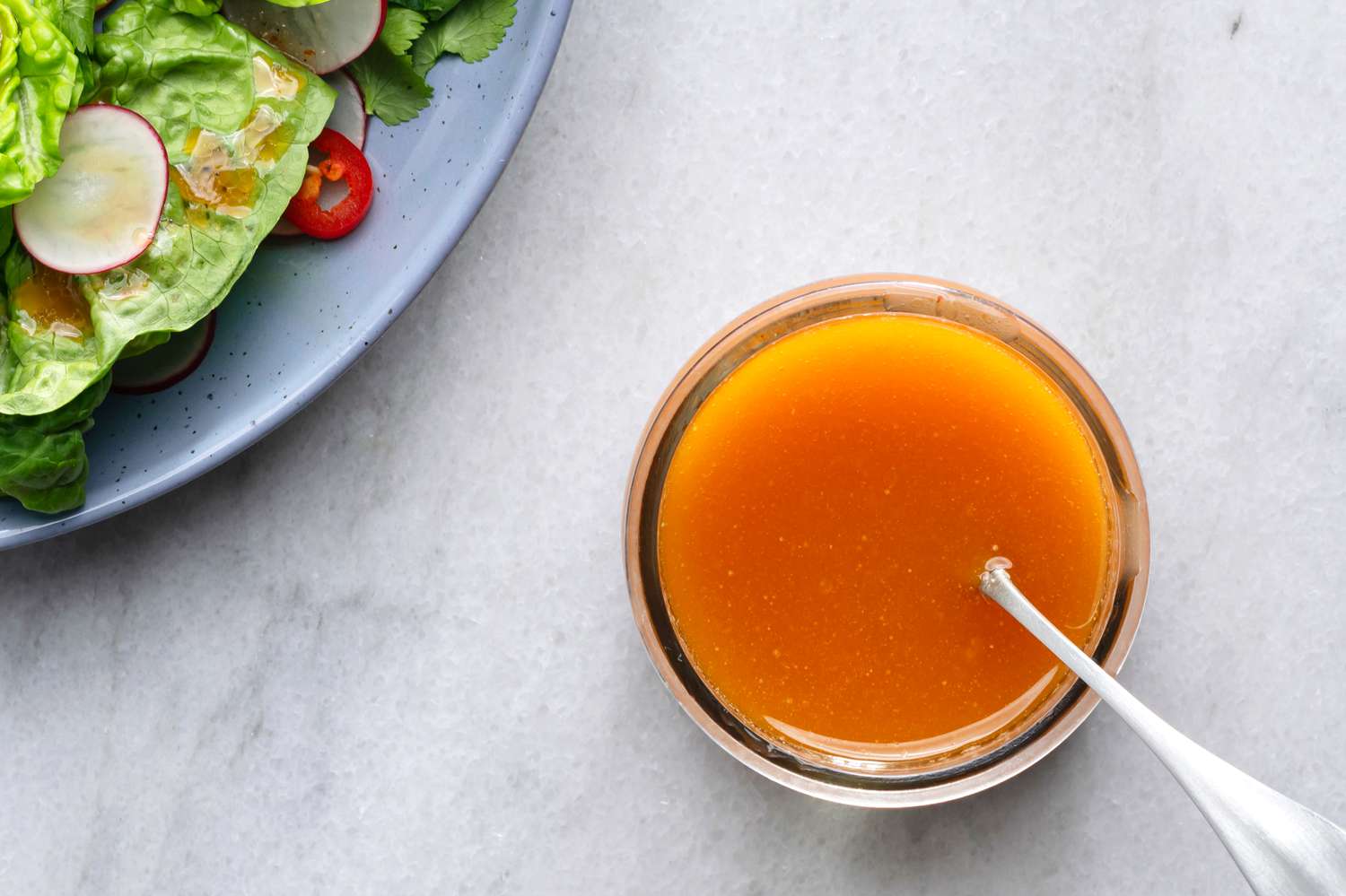
If your salad has been feeling emotionally unsupported, this Asian vinaigrette recipe is here to help. Bright from rice vinegar, nutty from sesame oil, and just salty-sweet enough to make vegetables feel like they finally got invited to the cool table, this dressing is one of those kitchen staples that earns its place fast. It can wake up a sleepy cabbage slaw, make a grain bowl taste restaurant-level fancy, and turn plain cucumbers into the kind of side dish people “casually” keep hovering around.
The best part is that an Asian vinaigrette with rice vinegar and sesame oil does not ask much of you. No advanced knife skills. No dramatic saucepan moment. No need to whisper “emulsification” like you’re on a cooking show. Just a bowl, a whisk, and a few pantry ingredients that know how to get along.
This version is inspired by the flavor patterns that show up again and again in popular American recipe styles: rice vinegar for gentle tang, toasted sesame oil for deep roasted flavor, soy sauce for savory backbone, a little sweetener for balance, and fresh aromatics like ginger and garlic for lift. The result is flexible, fast, and highly snack-dangerous.
Why This Asian Vinaigrette Works So Well
A good vinaigrette should do three things at once: taste lively, coat ingredients evenly, and make you want another bite before you finish the first. Rice vinegar helps with the first job because it is milder and softer than many Western vinegars, so the acidity feels bright without bulldozing the rest of the ingredients. Sesame oil handles the second and third jobs by bringing that unmistakable toasted, nutty aroma that makes a simple bowl of greens smell much more interesting than it has any right to.
When you add soy sauce, you create a savory bridge between the acid and the oil. A spoonful of honey, maple syrup, or brown sugar rounds out the sharper edges. Fresh ginger adds zip. Garlic adds punch. A pinch of red pepper flakes or a spoon of chili crisp adds heat if you want the dressing to show a little personality. Altogether, it becomes the kind of dressing that tastes layered without becoming fussy.
The Core Ingredients
Rice Vinegar
Use unseasoned rice vinegar if possible. It gives you more control over the final flavor, especially the sugar and salt levels. If all you have is seasoned rice vinegar, you can still make a delicious vinaigrette, but reduce the added sweetener and taste before adding extra salt or soy sauce.
Toasted Sesame Oil
This is the flavor power tool of the recipe. It is rich, fragrant, and strong, which is exactly why you do not need much. A small amount gives the vinaigrette its signature flavor. Too much, and your salad can start tasting like it fell face-first into a sesame factory. In the best way. But still.
Neutral Oil
Many great sesame vinaigrettes use a neutral oil such as canola, grapeseed, or avocado oil along with toasted sesame oil. This keeps the dressing silky and pourable while preventing the sesame flavor from becoming overwhelming. Think of neutral oil as the background singer who makes the star sound even better.
Soy Sauce
Soy sauce adds saltiness, umami, and color. Low-sodium soy sauce works well if you want more control, and tamari is a nice substitute if you need a gluten-free option. Coconut aminos can also work, though the result will be a bit sweeter and less savory.
Sweetener
Honey is the most common choice, but maple syrup, brown sugar, or even a touch of white sugar also work. This is not about making the dressing sweet. It is about making the acidity and salt feel balanced instead of sharp and bossy.
Fresh Ginger and Garlic
These are optional, but not really optional if you love bold flavor. Ginger adds freshness and warmth. Garlic adds bite. Grate them finely or mince them very small so they blend into the dressing instead of becoming surprise flavor landmines.
Asian Vinaigrette Recipe With Rice Vinegar and Sesame Oil
This recipe makes about 3/4 cup, enough for a large salad or several smaller meals.
Ingredients
- 1/4 cup unseasoned rice vinegar
- 3 tablespoons neutral oil, such as grapeseed, canola, or avocado oil
- 1 to 1 1/2 tablespoons toasted sesame oil
- 2 tablespoons low-sodium soy sauce or tamari
- 1 tablespoon honey or maple syrup
- 1 teaspoon freshly grated ginger
- 1 small garlic clove, finely grated or minced
- 1 teaspoon toasted sesame seeds
- 1 tablespoon finely sliced scallions, optional
- 1/4 teaspoon black pepper
- Pinch of red pepper flakes, optional
Instructions
- Add the rice vinegar, soy sauce, honey, ginger, garlic, pepper, and red pepper flakes to a small bowl or jar.
- Whisk or shake until the honey is dissolved.
- Slowly add the neutral oil and toasted sesame oil while whisking, or seal the jar and shake until combined.
- Stir in the sesame seeds and scallions, if using.
- Taste and adjust. Add a little more honey if it tastes too sharp, a little more vinegar if it feels too heavy, or a few drops of soy sauce if it needs more savory depth.
- Serve immediately or chill until ready to use.
How the Flavor Should Taste
A balanced Asian vinaigrette should taste tangy first, then savory, then gently nutty, with a subtle sweet finish. It should not taste aggressively sour, greasy, or overly salty. If it does, the fix is usually easy. Too tart? Add a bit more sweetener or oil. Too flat? Add a splash more vinegar. Too salty? Add more neutral oil or a tiny bit more honey. Too intense? Congratulations, you probably got enthusiastic with the sesame oil.
Best Ways to Use This Dressing
This is where the recipe really starts showing off. The vinaigrette works beautifully on crunchy salads with cabbage, romaine, napa cabbage, carrots, cucumbers, radishes, snow peas, and bell peppers. It is equally good on soba noodles, rice noodle salads, grain bowls, shredded chicken salads, edamame bowls, or cold roasted vegetables.
It also pulls double duty as a quick sauce for weeknight meals. Drizzle it over grilled salmon, spoon it onto a rice bowl with tofu, or toss it with slaw for sandwiches and burgers. Add a squeeze of lime for a brighter version. Mix in tahini for a creamier version. Stir in chili crisp if your dinner needs a little drama.
Easy Variations
Ginger-Forward Version
Double the fresh ginger for a livelier, fresher dressing that works especially well with leafy greens and noodle bowls.
Creamy Sesame Version
Whisk in 1 tablespoon tahini or sesame paste. This creates a thicker dressing that clings well to slaws, kale, and roasted vegetables.
Spicy Version
Add 1 teaspoon chili crisp, sambal oelek, or gochugaru. This version is excellent on cucumbers, noodles, and grilled chicken.
Citrusy Version
Add 1 to 2 teaspoons lime juice or orange juice for a slightly fruitier finish. This works well if the dressing is going on avocado, herbs, or seafood.
Peanut-Sesame Version
Whisk in 1 tablespoon smooth peanut butter plus 1 to 2 tablespoons warm water. Now you have moved into sauce territory, and nobody is mad about it.
Common Mistakes to Avoid
Using Too Much Sesame Oil
Sesame oil is powerful. It is there to add fragrance and depth, not to dominate every molecule of the bowl. Pairing it with a neutral oil gives a more balanced result.
Not Tasting as You Go
Rice vinegar brands, soy sauces, and sweeteners vary. A dressing that is perfect with one soy sauce may taste too salty with another. Taste, adjust, and then pretend you planned that all along.
Forgetting the Sweetness
A small amount of sweetener is not optional fluff. It rounds out the edges and helps the dressing taste complete. Without it, the vinaigrette can come across sharp and one-dimensional.
Adding Garlic in Giant Chunks
Raw garlic is strong. Finely grate or mince it so its flavor spreads evenly. Nobody wants one terrifying bite that tastes like a vampire deterrent.
How to Store Asian Vinaigrette
Store the dressing in a sealed jar or airtight container in the refrigerator. If it contains fresh garlic and ginger, it is best used within 3 to 5 days for the freshest flavor. Simpler versions can hold a bit longer. The dressing may separate or thicken in the fridge, which is normal. Let it sit at room temperature for a few minutes and shake or whisk again before serving.
What to Serve With Asian Vinaigrette
- Shredded cabbage slaw with carrots and scallions
- Cucumber salad with sesame seeds and herbs
- Soba noodles with edamame and crunchy vegetables
- Grilled salmon, shrimp, tofu, or chicken
- Brown rice bowls with avocado and pickled vegetables
- Cold roasted broccoli or green beans
- Romaine, napa cabbage, or kale salads
Frequently Asked Questions
Can I make this without soy sauce?
Yes. Use tamari, coconut aminos, or even a light splash of salt plus a little extra sesame oil and sweetener. The flavor will change, but it can still be delicious.
Can I use seasoned rice vinegar?
Yes, but cut back on the added honey or sugar and taste before adding more salt. Seasoned rice vinegar already contains seasoning, which can throw off the balance if you treat it like the unseasoned kind.
Is this dressing good for meal prep?
Absolutely. It is one of the best meal-prep dressings because it can transform plain vegetables, cooked grains, and proteins without much extra work. Keep it in a jar, shake when needed, and feel very organized.
Conclusion
An Asian vinaigrette recipe with rice vinegar and sesame oil is the kind of small kitchen move that pays off in a big way. It is quick, flexible, and wildly useful. Once you know the basic formula, you can lean sweeter, tangier, spicier, or creamier depending on what is in your fridge and what mood your lunch is in. It is elegant enough for a dinner salad, practical enough for weekday meal prep, and flavorful enough to rescue vegetables from boredom. In other words, it is not just a dressing. It is a delicious little life upgrade in a jar.
Extra Kitchen Experiences With Asian Vinaigrette Recipe With Rice Vinegar and Sesame Oil
One of the reasons this dressing becomes a repeat recipe so quickly is that it tends to follow real life instead of fighting it. Some recipes demand that you have exactly the right lettuce, exactly the right garnish, and the emotional stability to julienne vegetables like you are auditioning for a culinary documentary. This vinaigrette is far more forgiving. It works on the vegetables you actually bought, the leftover rice in the fridge, and the random half cucumber that is somehow still hanging in there. That makes it feel less like a “special occasion dressing” and more like a dependable weeknight ally.
It also has a sneaky way of making people think you cooked more than you did. Toss shredded cabbage, carrots, and scallions with this vinaigrette, and suddenly lunch looks intentional. Spoon it over cold noodles and sliced chicken, and now your leftovers have been rebranded as a composed noodle bowl. Drizzle it over roasted broccoli, and even people who usually approach broccoli with deep suspicion may suddenly decide they are vegetable enthusiasts. It is one of those recipes that adds confidence because the return on effort is so wildly unfair.
There is also a lot of room for personality. Some days you want it sharper and gingery, especially if you are pairing it with rich salmon or avocado. Other days you want it sweeter and mellow for a slaw beside grilled chicken. On spicy-food days, chili crisp jumps in and turns the whole thing louder, bolder, and frankly more dramatic. On calmer days, a little tahini makes it creamy and soft. The base stays reliable, but the mood can shift. It is basically the little black dress of homemade dressing, except tastier and less likely to require dry cleaning.
Another experience many home cooks have with this style of vinaigrette is that it teaches balance almost by accident. You start by following the measurements. Then you taste. Then you add a little more vinegar. Then a touch more honey. Then maybe one extra drop of sesame oil, followed by a moment of reflection because sesame oil does not believe in being subtle. After a few rounds, you stop thinking of the recipe as a fixed document and start understanding it as a pattern. That is when homemade dressing becomes fun rather than intimidating.
And perhaps the most charming thing about this vinaigrette is that it makes healthy food feel less like a negotiation. A bowl of greens can be worthy, but a bowl of greens coated in a tangy sesame dressing feels actively craveable. Crunchy cucumbers become snackable. Grain bowls become lunch you actually look forward to. Even the odds-and-ends drawer in the refrigerator starts looking full of possibility instead of guilt. That is a pretty great legacy for a simple jar of dressing built on rice vinegar, sesame oil, soy sauce, and a few supporting characters.