Psoriatic arthritis is already a skilled multitasker, and not in a charming “I can fold laundry while answering emails” way. It can affect joints, skin, nails, tendons, energy levels, and, yes, sometimes the eyes. For many people, the eye connection is surprising. After all, what do swollen fingers, flaky plaques, and blurry vision have in common? The answer is inflammationthe tiny internal troublemaker that loves to travel without asking permission.
This article explains how psoriatic arthritis may affect eye health, including dry eye, uveitis, conjunctivitis, glaucoma concerns, and other symptoms that deserve attention. It also covers when to call an eye doctor, how rheumatologists and ophthalmologists work together, and what everyday habits may help protect your vision. The goal is not to make you stare nervously into every mirror like a detective in a medical drama. It is to help you recognize what is normal, what is not, and when your eyes are sending a message worth answering.
What Is Psoriatic Arthritis?
Psoriatic arthritis, often shortened to PsA, is a chronic inflammatory disease linked to psoriasis. It can cause joint pain, stiffness, swelling, fatigue, nail changes, and inflammation where tendons and ligaments attach to bone. Symptoms may flare, calm down, and return later, which makes PsA feel less like a predictable calendar and more like a weather app with trust issues.
Although many people develop psoriasis before joint symptoms, psoriatic arthritis can appear in different patterns. Some people have mild skin disease but severe joint pain. Others have obvious plaques, nail pitting, or scalp psoriasis before arthritis becomes noticeable. Because PsA is systemic, meaning it can involve more than one part of the body, eye problems are not random side quests. They can be part of the same inflammatory story.
Can Psoriatic Arthritis Affect the Eyes?
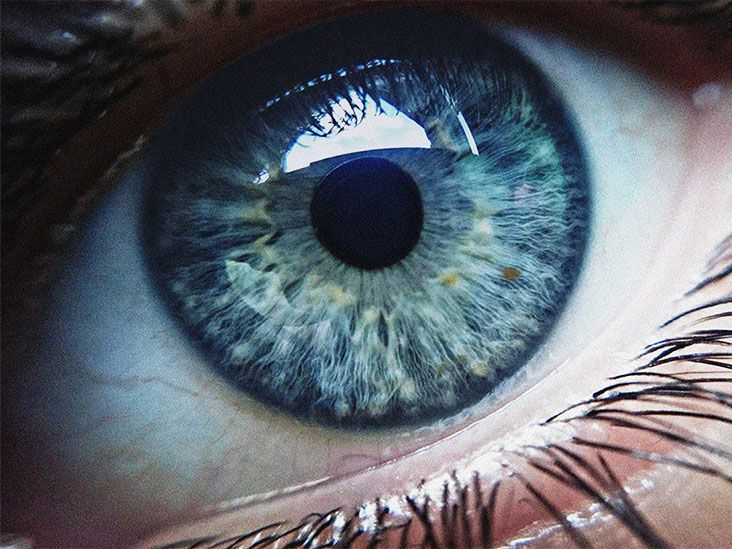
Yes. Psoriatic arthritis can be associated with several eye-related problems, especially inflammatory conditions. The most talked-about is uveitis, but people with psoriatic disease may also experience dry eye, eyelid inflammation, conjunctivitis, irritation, redness, sensitivity to light, and blurry vision. Not every person with PsA will develop eye symptoms, but knowing the signs matters because some eye conditions can threaten vision if ignored.
The eyes are delicate, highly vascular organs with immune activity of their own. When the immune system is already overactive, as it is in psoriatic arthritis, inflammation may affect tissues around the eye, the surface of the eye, or deeper structures inside the eye. This is why a person with PsA should not dismiss persistent redness or pain as “just allergies,” especially if the symptoms are one-sided, painful, or paired with light sensitivity.
Why Eye Problems Happen in Psoriatic Arthritis
Inflammation is the main connector between psoriatic arthritis and eye disease. In PsA, the immune system mistakenly drives inflammation in tissues such as joints, skin, nails, and entheses. Similar immune pathways can also affect the eye surface and inner eye structures.
Another factor is treatment. Corticosteroid eye drops or systemic steroids may sometimes be used for inflammatory eye problems, but long-term steroid use can raise eye pressure in susceptible people. Higher eye pressure is one reason glaucoma screening becomes important for some patients. This does not mean steroids are “bad.” They can be vision-saving when used correctly. It means they should be used under medical supervision, not borrowed from a cousin’s medicine cabinet, which is never as clever as it sounds.
Common Eye Conditions Linked to Psoriatic Arthritis
1. Dry Eye Disease
Dry eye is one of the most common eye complaints among people with inflammatory diseases. It can happen when the eyes do not make enough tears or when the tear film evaporates too quickly. The tear film is not just water; it has layers that help keep the eye comfortable, smooth, and protected. When that system breaks down, eyes can feel gritty, burning, tired, watery, or oddly “sandy,” as if a beach vacation went terribly wrong.
People with psoriatic arthritis may develop dry eye because inflammation can affect the eyelids, tear quality, or meibomian glands, which produce the oily layer of tears. Dry eye symptoms may include stinging, redness, fluctuating blurry vision, mucus strings, light sensitivity, and discomfort while reading or using screens.
Mild dry eye is often managed with preservative-free artificial tears, warm compresses, eyelid hygiene, hydration, and reducing environmental triggers like smoke, wind, and dry indoor air. More persistent cases may require prescription anti-inflammatory eye drops, punctal plugs, treatment for eyelid inflammation, or other therapies recommended by an eye care professional.
2. Uveitis
Uveitis is inflammation inside the eye, often involving the uvea, the middle layer of the eye. In people with psoriatic arthritis, anterior uveitis is especially important because it can develop suddenly and cause eye pain, redness, blurry vision, floaters, and sensitivity to light.
Unlike mild irritation, uveitis can be serious. Untreated inflammation may lead to complications such as cataracts, glaucoma, retinal swelling, scar tissue, or vision loss. The tricky part is that uveitis may not politely wait for a rheumatology appointment. If you have psoriatic arthritis and develop a painful red eye with light sensitivity, that is a same-day call to an ophthalmologist or urgent medical provider.
Treatment depends on severity and may include steroid eye drops, dilating drops to reduce pain and prevent complications, or systemic therapy when inflammation is recurrent or severe. Coordination between an ophthalmologist and rheumatologist is especially helpful because controlling the underlying inflammatory disease may reduce future flares.
3. Conjunctivitis
Conjunctivitis means inflammation of the conjunctiva, the clear tissue covering the white of the eye and the inside of the eyelids. Many people know it as “pink eye.” Infections, allergies, irritants, and autoimmune inflammation can all cause conjunctivitis. In psoriatic disease, eye surface inflammation may contribute to redness, tearing, irritation, and a scratchy feeling.
Not every red eye is dangerous, but not every red eye is harmless either. Viral or allergic conjunctivitis often causes itching, watery discharge, or symptoms in both eyes. Pain, light sensitivity, reduced vision, or one very red eye raises more concern and should be evaluated promptly.
4. Blepharitis and Eyelid Irritation
Blepharitis is inflammation of the eyelids. It may cause crusting, burning, redness, flakes around the lashes, and a sensation that the eyes are irritated before the day has even started. People with psoriasis may also have skin involvement around the eyelids, eyebrows, or scalp, which can worsen flaking and irritation.
Warm compresses, gentle lid cleaning, and treatment of scalp or facial psoriasis may help. However, eyelid skin is thin and sensitive, so strong topical steroids or psoriasis creams should never be used near the eyes unless a clinician specifically recommends them. The eyelid is not the place for skincare experiments titled “Let’s see what happens.”
5. Glaucoma Concerns
Glaucoma is a group of eye diseases that damage the optic nerve, often related to elevated pressure inside the eye. It can progress slowly and silently, which is why comprehensive eye exams are so important. Many people do not notice symptoms until vision loss has already occurred.
Psoriatic arthritis itself is not usually described as a direct cause of glaucoma in the same way that high eye pressure is a major risk factor. However, glaucoma can become relevant in several ways. Eye inflammation such as uveitis can sometimes lead to secondary glaucoma. Steroid eye drops or long-term corticosteroid use can also raise eye pressure in some people. In addition, age, family history, diabetes, high myopia, and certain ethnic backgrounds may increase glaucoma risk.
If you have PsA and have ever used steroid eye drops, had uveitis, or have a family history of glaucoma, ask your eye doctor how often your eye pressure and optic nerve should be checked. Glaucoma is much easier to manage when detected early. Think of eye pressure checks as the oil change of vision careless glamorous than new glasses, but far more important.
6. Cataracts
Cataracts occur when the eye’s natural lens becomes cloudy. They are common with aging, but inflammation and steroid exposure can increase risk for some people. People with recurrent uveitis or long-term steroid treatment may need closer monitoring. Symptoms can include glare, cloudy vision, faded colors, and difficulty seeing at night.
Symptoms You Should Not Ignore
People with psoriatic arthritis should take new eye symptoms seriously, especially when they are painful, sudden, or different from usual dryness. Contact an eye care professional promptly if you notice:
- Eye pain or deep aching
- New or worsening light sensitivity
- Blurred vision or reduced vision
- One red eye that does not improve
- Floaters, flashes, or dark spots
- Severe dryness that affects reading, driving, or screen use
- Headache with eye pain, nausea, or halos around lights
Dryness and irritation are common, but pain plus light sensitivity is a red flag. If your eye feels like it is auditioning for a role in a horror movie, do not wait three weeks to “see if it chills out.”
How Doctors Diagnose Eye Problems in Psoriatic Arthritis
An eye doctor may perform several tests depending on symptoms. A slit-lamp exam allows close inspection of the eye surface and internal structures. Eye pressure testing checks for ocular hypertension or glaucoma risk. A dilated eye exam helps evaluate the retina and optic nerve. For dry eye, clinicians may assess tear production, tear breakup time, eyelid health, and meibomian gland function.
Diagnosis also depends on the full health picture. Tell your eye doctor if you have psoriasis, psoriatic arthritis, inflammatory bowel disease, autoimmune disease, prior uveitis, or current medications such as biologics, methotrexate, NSAIDs, or steroids. These details can change the level of concern and guide treatment choices.
Treatment: A Team Sport
Managing eye problems in psoriatic arthritis often requires teamwork. A rheumatologist focuses on systemic inflammation, joint protection, and disease control. A dermatologist may help manage psoriasis around the scalp, face, and eyelids. An ophthalmologist treats eye inflammation and monitors vision-threatening complications.
Psoriatic arthritis treatments may include NSAIDs for mild symptoms, disease-modifying antirheumatic drugs such as methotrexate, and biologic or targeted therapies for more active disease. In some people with recurrent uveitis, systemic therapy may be adjusted to better control inflammation. This is highly individual and should be handled by clinicians familiar with both PsA and eye disease.
Everyday Eye Care Tips for People With Psoriatic Arthritis
Use Artificial Tears Wisely
For dry eye, preservative-free artificial tears are often a good first step. If you use drops more than a few times daily, preservative-free formulas may be gentler. Avoid “redness-relief” drops unless your doctor recommends them, because they can cause rebound redness and irritation.
Protect Your Tear Film
Wind, smoke, fans, dry air, and long screen sessions can worsen dryness. A humidifier, wraparound sunglasses, and conscious blinking during computer work may help. The 20-20-20 rule is simple: every 20 minutes, look about 20 feet away for 20 seconds. Your eyes may not send a thank-you card, but they will appreciate the break.
Clean the Eyelids Gently
Warm compresses can loosen oils in the eyelid glands. Gentle lid hygiene may help reduce crusting and irritation. If psoriasis affects the eyelids, ask a clinician what products are safe near the eyes.
Do Not Stop Medications Without Guidance
If you suspect a medication is affecting your eyes, contact your healthcare provider. Do not stop psoriatic arthritis treatment on your own, especially biologics or systemic therapies. Sudden changes can trigger flares, and inflammation itself can also affect eye health.
Schedule Regular Eye Exams
Even if your eyes feel fine, regular eye exams can detect early glaucoma, cataracts, dry eye complications, and subtle inflammation. Ask your doctor whether you need yearly exams or more frequent monitoring based on your symptoms, medications, and history.
Living With Psoriatic Arthritis and Eye Symptoms
Living with PsA means learning your personal warning signs. Some people notice that eye dryness worsens during joint flares. Others develop eye irritation when scalp or facial psoriasis is active. Some discover that screen-heavy workdays make symptoms dramatically worse. Tracking patterns can help you and your doctors make better decisions.
A simple symptom journal can include eye redness, pain, dryness level, light sensitivity, vision changes, joint symptoms, skin flares, medication changes, stress, sleep, and screen time. You do not need a color-coded spreadsheet unless that brings you joy. A notes app is enough.
Experience-Based Insights: What It Can Feel Like Day to Day
For many people, psoriatic arthritis eye symptoms do not arrive with a dramatic announcement. They sneak in quietly. One morning, your eyes feel dry while reading. A few days later, the computer screen seems too bright. Then you realize you are blinking like a confused owl during every video meeting. Dry eye can be frustrating because it is often invisible to everyone else. You may look perfectly fine while feeling as if your eyelids are made of paper towels.
One common experience is the “is this allergies or something else?” guessing game. Seasonal allergies usually bring itching, sneezing, and watery eyes. PsA-related inflammation may feel deeper, more painful, or more persistent. The challenge is that symptoms overlap. That is why people with psoriatic arthritis often benefit from having a clear action plan: mild dryness can be managed with artificial tears and environmental changes, but pain, light sensitivity, or blurry vision means calling a professional.
Another real-world issue is medication confusion. A person may receive steroid eye drops for uveitis and feel better quickly, then wonder why the doctor insists on follow-up appointments. The reason is that steroids can reduce inflammation beautifully, but they can also raise eye pressure in certain people. Follow-up visits are not busywork. They are how doctors make sure the treatment is helping without quietly creating a new problem.
People with PsA also talk about the emotional side of eye symptoms. Joint pain is hard enough. Add blurry vision or light sensitivity, and everyday tasks can suddenly feel complicated. Driving at night may become stressful. Reading may take longer. Bright grocery store lights may feel like an interrogation room. These experiences are valid, even when symptoms fluctuate.
Practical routines often make the biggest difference. Keeping artificial tears at a desk, using a humidifier in winter, wearing sunglasses on windy days, and taking screen breaks can reduce irritation. Some people set phone reminders to blink or rest their eyes. It sounds silly until it works. The body sometimes needs surprisingly basic maintenance, like a houseplant with insurance paperwork.
The most helpful mindset is not panicit is partnership. Psoriatic arthritis is a long-term condition, and eye care should be part of the care plan. When rheumatologists, dermatologists, and eye doctors communicate, patients are less likely to feel stuck between specialties. If your joints are flaring and your eyes are acting up, say so clearly. The connection may matter.
Finally, trust your own pattern recognition. If something feels different from your usual dry eye, do not minimize it. People often delay care because they do not want to overreact. But with inflammatory eye disease, early treatment can protect vision. Calling the eye doctor is not dramatic. It is responsible. Your future self, who would very much like to keep seeing sunsets, street signs, and restaurant menus, will approve.
Conclusion
Psoriatic arthritis can affect more than joints and skin. For some people, it may contribute to dry eye, eyelid inflammation, conjunctivitis, uveitis, and glaucoma-related concerns, especially when inflammation or steroid treatment is involved. The most important takeaway is simple: do not ignore new eye pain, light sensitivity, blurry vision, or persistent redness. Dry eye may be manageable, but inflammatory eye disease needs timely care.
Good eye health with psoriatic arthritis depends on awareness, regular exams, smart daily habits, and communication between your healthcare providers. You do not need to become anxious about every blink. You do need to know when your eyes are waving a tiny red flag.
Note: This article is for educational purposes only and should not replace medical advice. Anyone with psoriatic arthritis and new or worsening eye symptoms should contact a qualified healthcare professional or eye care specialist.