Protein has become the celebrity macronutrient of the moment. It is splashed across cereal boxes, stirred into coffee, and packed into snack bars that occasionally have the texture of roofing material. The excitement is understandable: protein can help control hunger, support muscle, and make a reduced-calorie diet easier to follow.
However, a high-protein diet is not automatically a healthy diet. Eating more protein does not cancel excess calories, replace vegetables, or give bacon unlimited diplomatic immunity. The safest approach combines an appropriate protein target with nutrient-dense foods, fiber-rich carbohydrates, healthy fats, portion control, and regular physical activity.
Note: This article is for general education and is not a substitute for medical advice. People with kidney disease, recurrent kidney stones, diabetes treated with medication, pregnancy, an eating disorder, or another significant medical condition should consult a physician or registered dietitian before making a major dietary change.
What Counts as a High-Protein Diet?
There is no universal definition of a high-protein diet. Researchers may describe protein as a percentage of calories, a total number of grams, or grams per kilogram of body weight.
A practical higher-protein range for many adults is approximately 1.2 to 1.6 grams of protein per kilogram of body weight per day. The current Dietary Guidelines for Americans use this range as a general serving goal, adjusted for individual calorie needs. Protein may also account for roughly 20% to 30% of daily calories in many weight-loss plans.
The long-established Recommended Dietary Allowance of 0.8 grams per kilogram is generally viewed as a baseline amount intended to meet the needs of most healthy adults. It is not necessarily the optimal target for every athlete, older adult, or person attempting to preserve muscle while losing weight.
For example, a 165-pound person weighs about 75 kilograms. At 1.2 to 1.6 grams per kilogram, the daily target would be approximately 90 to 120 grams of protein. That amount is achievable with ordinary meals and does not require drinking a shake while staring lovingly at a framed photograph of a chicken breast.
How Protein May Support Weight Loss
Protein can help you feel full
Protein-rich meals tend to be more filling than meals dominated by refined carbohydrates. Eggs, Greek yogurt, tofu, beans, fish, or cottage cheese at breakfast or lunch may help reduce the urge to snack an hour later.
This does not mean protein switches off appetite completely. It may simply make portion control feel less like an ongoing negotiation with the refrigerator.
Protein requires more energy to process
Your body uses calories to digest and process food. This is known as the thermic effect of food. Protein has a higher thermic effect than carbohydrate or fat, meaning the body expends somewhat more energy processing it.
The effect is useful but modest. It is a supporting actor in weight loss, not a metabolic superhero wearing a cape made of turkey slices.
Protein may preserve lean muscle
Weight loss can include a reduction in both fat and muscle. Adequate protein, particularly when combined with resistance training, can help preserve more lean tissue during a calorie deficit.
Maintaining muscle supports strength, mobility, exercise performance, and long-term weight control. It also improves the chance that a greater proportion of lost weight comes from fat rather than from the tissue that helps you climb stairs and carry groceries.
Protein may make a diet easier to follow
Research suggests that higher-protein diets can provide modest advantages for fullness, fat loss, and lean-mass retention. Nevertheless, they are not consistently superior when calorie intake and adherence are equal.
The largest benefit may therefore be practical: satisfying meals can make it easier to maintain the calorie deficit needed for weight loss.
Are High-Protein Diets Safe?
For most adults with normal kidney function, a moderately high-protein diet based on varied, nutrient-dense foods appears reasonably safe over the short and medium term. Studies in healthy adults have not consistently demonstrated that moderate increases in protein damage kidney function.
However, very high intakes have less long-term safety evidence. There is little reason for the average person to consume enormous quantities simply because a social media personality owns a shaker bottle.
Kidney health depends on the individual
Protein metabolism creates waste products that must be filtered by the kidneys. Healthy kidneys can generally adapt to a higher protein intake, although filtration activity may increase.
Chronic kidney disease changes the equation. Depending on the stage of disease and whether a person receives dialysis, protein may need to be limited, increased, or carefully distributed. People with diabetes, high blood pressure, reduced kidney function, or a strong family history of kidney disease should seek professional guidance before starting a high-protein weight-loss diet.
The protein source matters for heart health
A diet based on lentils, tofu, fish, plain yogurt, eggs, beans, nuts, and lean poultry is very different from one based on sausage, bacon, processed deli meat, and fatty cuts of red meat.
Processed and fatty meats can add substantial amounts of sodium and saturated fat. For better cardiovascular nutrition, regularly include plant proteins and seafood, choose minimally processed animal foods, and keep processed meat as an occasional choice rather than the diet’s official mascot.
Do not sacrifice fiber
High protein does not have to mean extremely low carbohydrate. Eliminating fruit, beans, oats, whole grains, and starchy vegetables can sharply reduce fiber intake.
Low-fiber high-protein plans commonly lead to constipation and may be difficult to sustain. Fiber also supports cholesterol control, blood-sugar management, digestive health, and the gut microbiome. Keep vegetables, fruit, legumes, and appropriate portions of whole grains unless a clinician has recommended otherwise.
Protein calories still count
Protein provides four calories per gram. Adding protein shakes, cheese, bars, meat, and nut butter to an unchanged diet can result in weight gain.
The strategy should be substitution, not accumulation. Replace less filling or highly processed foods with protein-rich choices rather than piling protein products on top of everything already being eaten.
Protein supplements are optional
Protein powder can be convenient for busy adults, athletes, or people who struggle to meet their needs through food. It is not essential for weight loss.
Dietary supplements are not approved by the FDA for safety and effectiveness before marketing in the same manner as prescription drugs. Choose products with straightforward ingredient lists and reputable independent quality testing. Remember that even the fanciest blender cannot turn excess calories into a calorie deficit.
Who Should Be Cautious?
Professional guidance is particularly important for people with chronic kidney disease, reduced kidney function, recurrent kidney stones, advanced liver disease, food-sensitive gout, or diabetes that may require medication adjustments.
Pregnant or breastfeeding people, older adults with complex health needs, competitive athletes, and people taking weight-loss medications may also need individualized protein and calorie targets.
Persistent nausea, swelling, unusual fatigue, significant changes in urination, severe constipation, dizziness, or extremely rapid weight loss should be discussed with a healthcare professional. These symptoms are not proof that protein is the cause, but they are not an invitation to add another scoop and hope for character development.
How to Lose Weight on a High-Protein Diet
1. Choose a reasonable protein target
For many healthy adults trying to lose fat, 1.2 to 1.6 grams per kilogram per day is a reasonable range to discuss with a healthcare professional. Protein needs vary with age, activity level, body composition, medical history, and total calorie intake.
People carrying substantial excess weight may need a target based on goal weight, adjusted body weight, or estimated lean mass. Otherwise, the calculation can produce an unnecessarily enormous protein goal.
2. Maintain a modest calorie deficit
Protein can support weight loss, but it cannot produce weight loss without an energy deficit. Reduce portions gradually or replace calorie-dense foods with more satisfying alternatives.
A gradual pace of approximately one to two pounds per week is commonly recommended, although smaller people and those closer to their goal may lose more slowly. Faster is not always better, particularly when rapid loss causes weakness, intense hunger, or muscle loss.
3. Distribute protein across the day
Rather than saving nearly all your protein for an enormous dinner, spread it among meals. Many adults find that approximately 25 to 35 grams at each main meal works well, with smaller amounts in snacks when needed.
Balanced distribution can improve fullness and provides repeated opportunities for the body to use dietary amino acids for muscle maintenance and repair.
4. Prioritize minimally processed protein foods
Useful choices include fish, shellfish, poultry, eggs, Greek yogurt, cottage cheese, milk, tofu, tempeh, edamame, beans, lentils, peas, nuts, seeds, and lean meat.
Mix plant and animal sources according to personal preference. Beans and lentils provide protein plus fiber. Seafood may supply omega-3 fats. Dairy contributes calcium. Soy foods are versatile, and eggs remain one of the few foods that can serve as breakfast, lunch, dinner, or an emergency snack without filing paperwork.
5. Keep nutrient-dense carbohydrates
Include vegetables, fruit, beans, potatoes, oats, brown rice, or other minimally processed carbohydrates in portions that fit your calorie needs. These foods support digestion, exercise performance, and overall nutrient intake.
Cutting back on cookies and sugary drinks may help. Declaring war on blueberries is unnecessary.
6. Watch calorie-dense additions
Nuts, seeds, cheese, avocado, dressing, oil, and nut butter can be nutritious, but their calories add up quickly. A grilled-chicken salad can quietly become a 1,200-calorie event when every available topping joins the party.
Measure calorie-dense ingredients until you can estimate portions accurately.
7. Include resistance exercise
Strength training gives the body a reason to retain muscle during weight loss. Two or more appropriately designed sessions per week can benefit many adults.
Weights, machines, resistance bands, and body-weight exercises can all be effective. Walking and aerobic activity remain valuable for cardiovascular fitness and calorie expenditure, but resistance work is especially helpful for preserving lean mass.
8. Track more than the scale
Monitor weight trends, waist measurements, strength, energy, hunger, digestion, and how easily the plan fits daily life.
If weight has not changed after several consistent weeks, total calorie intake may still be too high. If energy, mood, or training performance collapses, the calorie deficit may be too aggressive or carbohydrate intake may be insufficient.
A Sample High-Protein Weight-Loss Day
The following example may provide approximately 105 to 120 grams of protein, depending on portions and brands. Quantities should be adjusted for individual calorie needs.
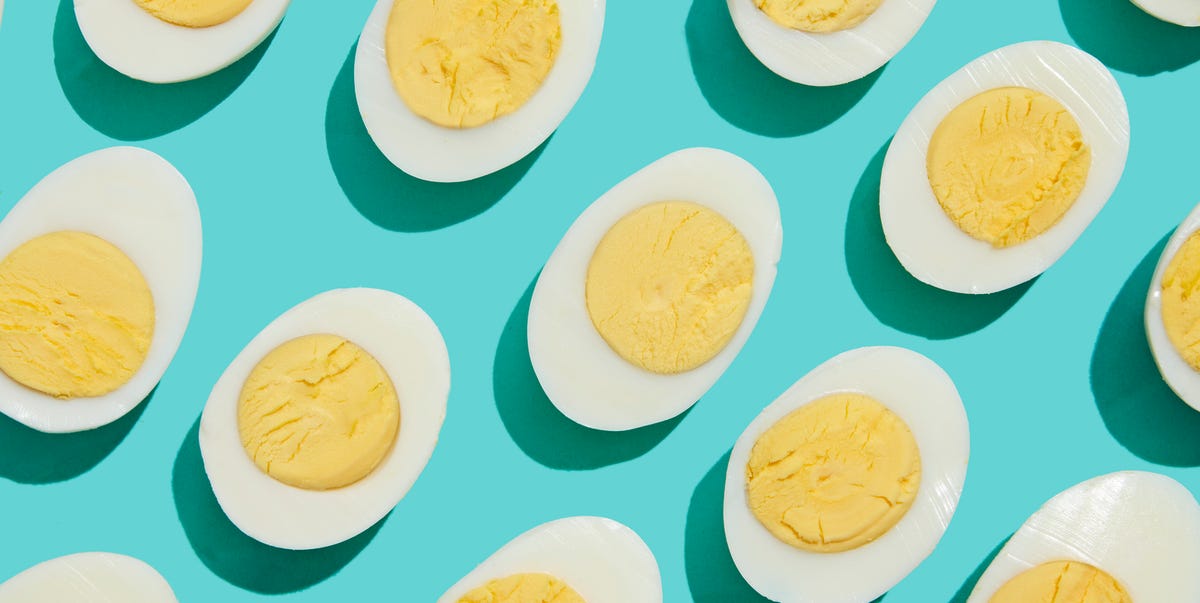
- Breakfast: Plain Greek yogurt with berries, oats, and chia seeds, plus one boiled egg.
- Lunch: A large salad with grilled chicken or tofu, chickpeas, colorful vegetables, and olive-oil vinaigrette.
- Snack: Cottage cheese with fruit, or edamame and an apple.
- Dinner: Baked salmon, roasted vegetables, and a moderate serving of brown rice or potatoes.
- Optional post-workout choice: Milk, fortified soy milk, or a simple protein shake when a regular meal is not convenient.
The menu still contains carbohydrates and fat because the human body is not a single-macronutrient startup. Balance makes the diet more nutritious and considerably easier to live with.
Practical Experiences With High-Protein Weight Loss
The following are composite educational examples based on common weight-management experiences. They are not personal testimonials or promises of specific results.
The “I am not hungry at 10:30 a.m.” experience
A person who normally eats a sweet muffin for breakfast switches to Greek yogurt, berries, oats, and eggs. The calorie total is similar, but the new meal contains considerably more protein and fiber.
After several days, the usual midmorning search for vending-machine snacks becomes less urgent. The scale does not immediately perform a Broadway number, but controlling daily calories becomes easier because fewer choices are being made while intensely hungry.
The lesson is not that everyone must eat eggs or yogurt. Tofu scramble, cottage cheese, overnight oats made with milk, or leftovers from dinner can serve the same purpose. Breakfast has no moral rules; it merely suffers from aggressive cereal advertising.
The “protein made me gain weight” experience
Another person adds a 300-calorie shake after every workout without removing any other food. Protein bars, cheese, nuts, and generous spoonfuls of peanut butter also appear throughout the day.
After a month, body weight rises. Protein did not violate the laws of physiology. The new foods simply added hundreds of calories.
The correction is to make protein part of the calorie budget. A shake can replace a snack or become one component of a controlled meal. Nut butter can be measured instead of applied with the enthusiasm of someone frosting a birthday cake. Once substitution replaces accumulation, progress may resume.
The “where did the fiber go?” experience
A meat-heavy, extremely low-carbohydrate plan produces quick early scale changes, partly because of shifts in water and stored carbohydrate. Soon, digestion slows, workouts feel flat, and meals become repetitive.
The person realizes the menu contains plenty of protein but almost no beans, fruit, whole grains, or vegetables. Adding berries, leafy greens, lentils, oats, potatoes, and sufficient fluid improves digestive comfort and exercise performance without preventing fat loss.
High protein and high fiber are not enemies. In practice, they make a very competent team.
The “stronger while becoming lighter” experience
A beginner combines a moderate calorie deficit with three weekly strength-training sessions and a protein source at each meal. Weight falls gradually while rowing, pressing, and squatting performance improves.
During one week, the scale barely changes, but the waist measurement decreases and clothing fits better. The person learns that body weight is useful data, not a complete performance review.
This is where additional protein may earn its keep: not by creating spectacular overnight results, but by supporting a routine that helps preserve strength. Losing weight while becoming markedly weaker is not automatically a victory. Losing fat while maintaining useful physical function is a much better bargain.
The “simple beats perfect” experience
Many people begin with elaborate meal-preparation plans involving seven containers, four homemade sauces, and an entire Sunday afternoon that disappears forever.
Adherence often improves when the plan becomes simpler: two reliable breakfasts, three repeatable lunches, flexible dinners, and a short list of convenient protein-rich snacks.
Frozen vegetables, canned beans, eggs, plain yogurt, tofu, canned fish, cooked chicken, and microwaveable whole grains can produce balanced meals quickly. A successful high-protein diet usually looks less like a fitness influencer’s photo shoot and more like ordinary food prepared consistently.
Conclusion: Make Protein a Tool, Not a Personality
High-protein diets can be safe and useful for weight loss when they are moderate, calorie-aware, fiber-rich, and based primarily on nutrient-dense foods. Protein may improve fullness and help preserve lean mass, but the source of protein and the overall dietary pattern matter as much as the total number of grams.
Choose a sustainable target, spread protein throughout the day, include plant proteins and seafood regularly, limit processed meats, keep vegetables and high-fiber carbohydrates on the plate, and combine the plan with resistance exercise.
The best diet is not the one with the loudest label. It is the one that improves health, fits real life, and can survive a birthday dinner without causing a constitutional crisis.