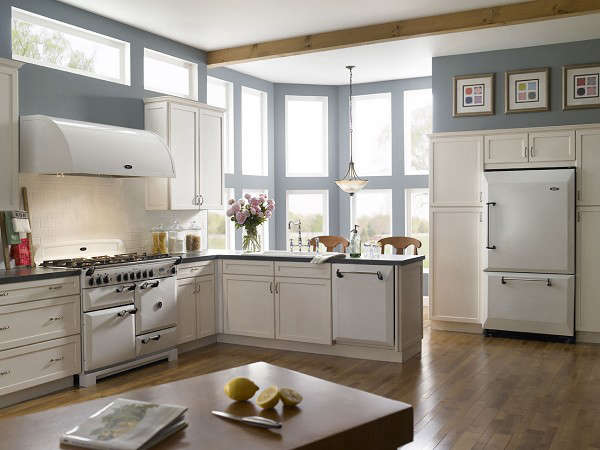
Some kitchen appliances whisper, “I am practical.” Others say, “I came with the house.” Then there is AGA, which strolls into the room wearing a tailored coat, a British accent, and the confidence of an appliance that knows it might become the most photographed object in the kitchen. The new AGA line is not just about cooking dinner; it is about building a kitchen around a centerpiece that blends old-world charm with modern performance.
For homeowners planning a luxury kitchen remodel, the AGA appliance line offers a rare mix: cast-iron heritage, expressive colors, induction technology, dual-fuel power, matching ventilation, refrigerators, dishwashers, and enough visual personality to make stainless steel look like it forgot to dress up. Whether you are dreaming of an English-inspired kitchen, a colorful statement range, or a serious cooking suite that can handle Sunday roast and Tuesday frozen pizza with equal dignity, the latest AGA offerings deserve a closer look.
What Makes the New AGA Line Stand Out?
The new AGA line stands out because it does not treat appliances as background equipment. These pieces are designed to be seen. AGA ranges, hoods, refrigerators, and dishwashers are built around the idea that performance and personality should live in the same kitchen without arguing over cabinet space.
At the heart of the lineup are AGA’s major range families: the Classic cast-iron cookers, the French-inspired Elise collection, and the contemporary Mercury range. Each has a different personality. The Classic is the heritage icon. The Elise is romantic, detailed, and a little bit Parisian without needing to say “bonjour” at breakfast. The Mercury is sleek, modern, and more architectural, with bold controls and a cleaner profile for contemporary kitchens.
The newest excitement around AGA also includes matching range hoods designed to complete the look of an Elise or Mercury kitchen. Instead of treating ventilation as an awkward metal box that hovers above your cooking area like a suspicious robot, AGA has turned the hood into part of the design story. Available in multiple designs, colors, trims, and sizes, the hood collection helps the range wall feel intentional and finished.
A Quick History: Why AGA Still Has Such a Loyal Following
AGA’s story began in 1922, when Swedish physicist Gustaf Dalén developed the first AGA cooker. The original idea was surprisingly human: create a cooker that was easier, cleaner, and more dependable for everyday home life. Over the decades, the AGA became famous for cast-iron heat storage, radiant cooking, and the cozy kitchen atmosphere that made many owners speak about their range with the same affection usually reserved for dogs, grandmothers, and favorite sweaters.
Traditional AGA cookers were known for steady radiant heat. Rather than blasting food from one direction, cast iron absorbs and releases heat evenly, creating a cooking environment that can roast, bake, simmer, and warm with impressive consistency. Modern AGA models keep that heritage alive while adding more control, more fuel options, and more flexibility for today’s kitchens.
The Main AGA Range Families
AGA Classic: The Heritage Hero
The AGA Classic line is the one most people imagine when they hear the name. It has the substantial cast-iron presence, distinctive doors, hotplates, and gentle kitchen-warming character that helped make the brand famous. This is the range for homeowners who want their kitchen to feel established, warm, and quietly luxurious.
Classic AGA models are ideal for cooks who enjoy the rhythm of radiant cooking. Instead of constantly adjusting knobs and chasing temperatures, you learn the personality of each oven zone. Roasting, baking, simmering, and warming become part of a natural flow. It is less like operating a machine and more like cooking with a very dependable kitchen partner who happens to weigh a lot.
AGA Elise: French-Inspired Style With Modern Muscle
The AGA Elise range is one of the most appealing choices for American homeowners who want traditional charm without giving up modern convenience. It offers ornate detailing, elegant knobs, refined trim options, and a softer European look that works beautifully in cottage kitchens, transitional spaces, and high-end farmhouse designs.
The Elise line is available in dual-fuel and induction versions, depending on model and size. The 36-inch model offers a large multifunction oven, while the 48-inch version expands the cooking experience with multiple ovens, including a dedicated broiler. This matters for real-life cooking. You can bake vegetables in one oven, keep a casserole warm in another, and broil salmon without turning dinner into a scheduling spreadsheet.
The induction version is especially interesting for modern homes. Induction cooking heats compatible cookware directly, which allows fast response, efficient heat transfer, and easier cleanup. Since the glass surface around the pan stays cooler than a traditional radiant electric cooktop, spills are less likely to become permanent kitchen fossils.
AGA Mercury: The Contemporary Statement Piece
If Elise is romantic, Mercury is the cool design-school graduate. The AGA Mercury line has a bolder, more contemporary appearance, with strong horizontal lines, distinctive controls, and a professional feel. It is well suited to modern luxury kitchens, urban homes, and remodels where the range is meant to anchor the space without looking overly traditional.
Mercury ranges are offered in dual-fuel and induction configurations, with 36-inch and 48-inch options available in the U.S. market. The 48-inch Mercury range includes multifunction oven capability, a second convection oven, and a glide-out broiler system. For cooks who want capacity and flexibility but do not want a range that looks like it escaped from a restaurant kitchen, Mercury strikes a smart balance.
New AGA Hoods: Ventilation Finally Gets a Wardrobe
One of the most notable additions to the AGA appliance story is the hood collection designed for Elise and Mercury kitchens. A range hood is essential for removing cooking odors, steam, grease, and smoke, but in many kitchens it feels like an afterthought. AGA’s new hoods are designed to match the visual weight and color personality of the range below.
Available in several designs, expressive colors, trim options, and both 36-inch and 48-inch sizes, the hood lineup gives designers more freedom. A matte black Elise range can be paired with a coordinating hood for a dramatic range wall. A colorful Mercury range can become the focal point of an otherwise neutral kitchen. A stainless or classic finish can keep things refined and timeless.
This is important because today’s kitchens are increasingly designed around feature walls. A beautiful range, a custom hood, tile backsplash, open shelving, and warm cabinetry can turn the cooking zone into the visual center of the home. In other words, the hood is no longer just the thing you forget to turn on until the smoke alarm starts auditioning for Broadway.
Why Induction Matters in the New AGA Line
Induction is one of the biggest appliance conversations in American kitchens. Homeowners are interested in it for speed, precision, energy efficiency, safety, and indoor air quality. AGA’s induction models bring that technology into a luxury design package, which is useful for buyers who want modern performance but refuse to live with an appliance that looks like a blank black tablet with commitment issues.
Induction cooktops use electromagnetic energy to heat compatible cookware directly. This means faster boiling, responsive temperature changes, and less wasted heat compared with gas. It also means the kitchen often stays cooler, which is a small miracle if you have ever cooked pasta in August while questioning every life choice that led to that moment.
There are a few practical notes. Induction requires magnetic cookware, such as cast iron or many stainless steel pans. Some older aluminum or copper pans may not work unless they have induction-compatible bases. Homeowners may also need to confirm electrical requirements before installation. Still, for many modern kitchens, induction offers a compelling combination of performance and cleaner operation.
Design Appeal: Color, Character, and the End of Boring Appliances
For years, stainless steel dominated American kitchens. It looked professional, neutral, and safe. It also made many kitchens feel like they were quietly preparing to open a sandwich shop. The new AGA line speaks to a different design mood: warmer, more personal, more colorful, and more layered.
AGA ranges are available in finishes that can support many design styles, from classic cream and black to deeper, richer tones. This matters because appliances are no longer just functional purchases; they are part of the room’s architecture. A colorful AGA can work like a piece of furniture, adding depth and identity to the kitchen.
In English-style kitchens, an AGA range can sit beautifully inside a range alcove with tile, stone, or plaster surrounding it. In farmhouse kitchens, it pairs naturally with wood beams, apron-front sinks, and painted cabinetry. In modern kitchens, the Mercury range can create a crisp focal point against slab cabinets and dramatic counters.
Performance for Real Cooking, Not Just Pretty Photos
Of course, good looks are only charming until dinner burns. The AGA line is built for serious cooking. Multifunction ovens give cooks multiple heating modes for baking, roasting, browning, convection, and broiling. Dual-fuel models combine gas cooktop control with electric oven consistency. Induction models offer quick response and easy cleanup.
The 48-inch models are especially practical for households that cook often or entertain regularly. Multiple oven cavities allow different dishes to cook at different temperatures. That is helpful during holidays, dinner parties, and ambitious Sunday meals when one oven is never enough and the microwave is already occupied by someone’s forgotten coffee.
The glide-out broiler is another useful feature in many AGA Elise and Mercury models. It creates a dedicated space for top-down heat, making it easier to finish steaks, crisp vegetables, brown gratins, toast sandwiches, or rescue a casserole that looks pale and emotionally fragile.
AGA Refrigerators and Dishwashers: Completing the Suite
The AGA appliance story does not stop at ranges. The U.S. lineup also includes matching dishwashers and French door refrigerators in Elise and Mercury styling. This is valuable for homeowners who want a coordinated kitchen suite rather than a random collection of appliances that look like they met each other in a clearance aisle.
A matching refrigerator and dishwasher help carry the design language across the kitchen. In open-plan homes, where the kitchen is visible from living and dining areas, that visual consistency can make the room feel calmer and more intentional. It also helps protect the investment in a high-end range by surrounding it with appliances that speak the same design language.
Who Should Consider the New AGA Line?
The new AGA line is best for homeowners who care about both cooking and design. It is not the cheapest way to heat soup, and it is not trying to be. AGA is for people who see the kitchen as the heart of the home and want appliances with craft, presence, and personality.
It is especially appealing for remodelers building a luxury kitchen, homeowners who love English or European-inspired design, serious home cooks who want multiple ovens, and buyers who want induction or dual-fuel performance without sacrificing style. It also suits people who want a kitchen focal point that feels timeless rather than trendy.
Potential Drawbacks to Consider
No appliance line is perfect for every household. AGA ranges can require more planning than standard ranges. Their sizes, electrical needs, fuel requirements, ventilation demands, and installation clearances should be reviewed carefully before purchase. If you are replacing a basic 30-inch range, moving to a 36-inch or 48-inch AGA may involve cabinetry, countertop, electrical, gas, or ventilation changes.
Oven dimensions should also be checked against your cooking habits. Some European-style ranges divide capacity across multiple ovens rather than offering one enormous cavity. That can be wonderful for multi-dish cooking, but it may require different sheet pans or roasting pans. Before buying, measure your favorite cookware. Your turkey pan deserves emotional closure.
Finally, budget matters. AGA appliances sit in the premium category. The value is in design, heritage, build quality, cooking flexibility, and visual impact. For the right kitchen, that value can be significant. For a rental kitchenette where dinner is mostly cereal, it may be overkill with very attractive knobs.
How to Choose the Right AGA Appliance
Choose Classic if You Want Heritage
Pick an AGA Classic if you want the iconic cast-iron experience, radiant cooking, and a warm kitchen centerpiece. It is the most traditional expression of the brand and works beautifully in homes where the kitchen is meant to feel established and lived-in.
Choose Elise if You Want Romance and Flexibility
Choose Elise if you love refined details, French-inspired styling, multiple color possibilities, and the option of dual fuel or induction. It is an excellent choice for cottage, traditional, transitional, and elegant farmhouse kitchens.
Choose Mercury if You Want Modern Drama
Choose Mercury if your kitchen leans contemporary but still needs warmth and character. Its bold design, modern controls, and clean lines make it a strong option for statement kitchens that do not want ornate detailing.
Do Not Forget the Hood
If you are investing in a statement range, plan the ventilation at the same time. A matching AGA hood can complete the range wall, improve kitchen function, and prevent your beautiful new appliance from sitting under a generic hood that looks like it was invited by accident.
Experience Notes: Living With the Idea of a New AGA Line
Imagine walking into a kitchen built around a new AGA range. The first thing you notice is not a screen, a blinking panel, or a cold slab of anonymous metal. You notice presence. The range has weight, color, detail, and confidence. It feels less like a tool and more like a promise that something good is going to happen here, probably involving butter.
In everyday use, the appeal becomes practical. Multiple ovens change the way you cook. Instead of rotating dishes through one crowded oven, you can separate tasks. A tray of vegetables can roast while bread warms elsewhere. A broiler drawer can finish chicken thighs while a side dish stays gently hot. For families, holiday hosts, and enthusiastic weekend cooks, this flexibility can make the kitchen feel calmer.
The induction models add another layer of convenience. Water boils quickly, sauces respond fast, and cleanup is refreshingly simple. If tomato sauce splatters, it is less likely to weld itself to the cooktop like a tiny red monument to impatience. For cooks used to gas, induction takes a little adjustment because there is no visible flame. But once you trust the response, it becomes easy to appreciate the precision.
Design-wise, the new AGA line also changes how people experience the room. A range in a strong color can influence the entire palette. Deep green cabinetry, warm white walls, brass hardware, handmade tile, and a coordinating AGA hood can create a kitchen that feels custom from the first glance. Even a neutral AGA range adds texture because the shape, doors, knobs, and trim create visual interest.
There is also a social quality to an AGA kitchen. Guests tend to gather near the range, partly because kitchens are natural gathering spots and partly because a beautiful appliance has the gravitational pull of gossip. People ask about the color. They ask how it cooks. Someone will touch the handle and say, “This is gorgeous,” as if complimenting a very well-behaved horse.
For homeowners planning a remodel, the best experience comes from thinking of the AGA not as a late-stage appliance purchase, but as an anchor. Plan the cabinetry, hood, backsplash, lighting, cookware storage, and landing zones around it. A 48-inch range needs breathing room. A dramatic hood needs proportion. A colorful finish needs supporting materials that make it look intentional rather than impulsive.
In the end, living with an AGA is about more than cooking specifications. It is about how the kitchen feels when dinner is underway, when coffee is brewing, when someone is leaning against the counter telling a story, and when the room looks good even before the food arrives. The new AGA line succeeds because it understands something many appliances forget: the kitchen is not a laboratory. It is a living space, a workspace, a gathering place, and occasionally the scene of a pancake emergency.
Conclusion
The new AGA line brings together heritage, style, and modern cooking technology in a way few appliance brands can match. From the cast-iron character of the Classic series to the elegant Elise, the contemporary Mercury, and the coordinated hood collection, AGA continues to prove that luxury appliances can be both beautiful and useful.
For homeowners who want a kitchen with personality, the AGA appliance line offers more than a range. It offers a focal point, a cooking system, and a design statement. Whether you choose dual fuel, induction, a bold color, or a full matching suite, AGA makes the kitchen feel less like a room full of machines and more like the warm, hardworking heart of the home.