Note: This article is for informational purposes only and should not replace medical advice, diagnosis, or treatment from a licensed healthcare professional.
What Is an Antimitochondrial Antibody Test?
The antimitochondrial antibody test, often shortened to the AMA test, is a blood test that looks for specific autoantibodies in your bloodstream. These antibodies are called “antimitochondrial” because they react with parts of the mitochondria, the tiny energy-producing structures inside cells. Think of mitochondria as the cell’s power plants. The AMA test checks whether the immune system has started waving tiny protest signs at those power plantsespecially in a way linked to certain autoimmune liver diseases.
The test is most closely associated with primary biliary cholangitis, or PBC. PBC is a chronic autoimmune liver disease in which the immune system gradually damages the small bile ducts inside the liver. Bile ducts are like the liver’s drainage plumbing. When they become inflamed or damaged, bile may build up, causing liver irritation, scarring, and, in advanced cases, cirrhosis.
An AMA test does not diagnose every liver problem, and it is not a general “how healthy is my liver?” test. Instead, it is a focused tool doctors use when they suspect an autoimmune pattern of bile duct injury. It is often ordered along with liver enzyme tests, bilirubin, alkaline phosphatase, gamma-glutamyl transferase, immunoglobulin levels, and sometimes other autoimmune antibody tests.
Why Doctors Order an AMA Test
The main purpose of the antimitochondrial antibody test is to help diagnose or rule out primary biliary cholangitis. Doctors may recommend the test when routine blood work shows an unexplained pattern of cholestasis, which means bile is not flowing normally. One of the biggest laboratory clues is a high alkaline phosphatase level, often called ALP. ALP is an enzyme that may rise when bile ducts are irritated, blocked, or inflamed.
Many people imagine liver disease arriving with dramatic symptoms, flashing lights, and a marching band. In real life, PBC can be much sneakier. Some people feel completely fine when abnormal liver tests first appear. Others may notice fatigue, itchy skin, dry eyes, dry mouth, discomfort in the upper-right abdomen, or yellowing of the skin and eyes. The AMA test helps doctors decide whether those clues point toward autoimmune bile duct disease.
Common reasons for testing include:
- Persistently elevated alkaline phosphatase or other abnormal liver panel results
- Symptoms such as chronic itching, fatigue, jaundice, or upper-right abdominal discomfort
- Suspicion of primary biliary cholangitis
- Need to distinguish PBC from other liver or bile duct conditions
- Follow-up after imaging rules out gallstones, tumors, or large bile duct blockage
Doctors may also order the AMA-M2 test, a more specific version that looks for the M2 subtype of antimitochondrial antibodies. AMA-M2 is especially associated with PBC and can be useful when a standard AMA result needs clarification.
How the Antimitochondrial Antibody Test Works
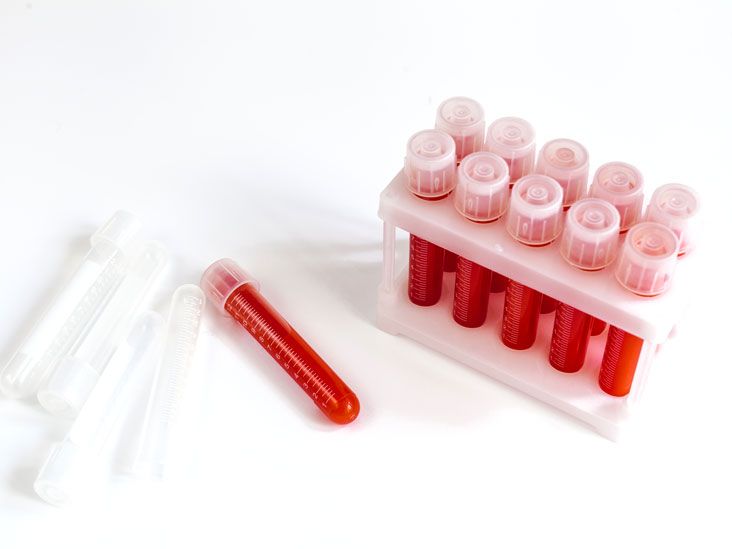
The AMA test is performed on a blood sample. The blood is usually drawn from a vein in your arm, placed into a tube, and sent to a laboratory. Depending on the lab, the sample may be tested using methods such as indirect immunofluorescence, enzyme-linked immunosorbent assay, or another immunoassay. These methods look for antibodies that bind to mitochondrial targets.
Some labs report the result as simply positive or negative. Others report a titer, which is a measurement of how much antibody is present. A titer may appear as a ratio, such as 1:40, 1:80, or 1:320. In general, a higher titer provides stronger support for PBC when the rest of the clinical picture fits. But here is the important twist: the level of AMA does not necessarily tell you how severe the disease is. A higher number does not automatically mean a person is “more sick,” just as owning more measuring cups does not make someone a better baker.
Preparing for the Test
Preparation for the antimitochondrial antibody blood test is usually simple. Many labs do not require special preparation. However, your healthcare provider may ask you to avoid eating or drinking for several hours if the AMA test is being done along with other blood tests that require fasting. Always follow the instructions from your clinic or laboratory.
Before the appointment, it helps to:
- Ask whether fasting is needed
- Bring a list of medications, supplements, and over-the-counter products
- Tell your provider about any bleeding disorders or blood thinner use
- Mention pregnancy, autoimmune conditions, or previous liver test abnormalities
- Drink water if fasting instructions allow it, since hydration can make blood draws easier
You generally do not need to stop medications unless your healthcare provider tells you to. Do not pause prescription medicines on your own. The liver likes teamwork, not surprise plot twists.
What Happens During the Procedure?
The procedure is quick and familiar to anyone who has had routine blood work. A healthcare professional will clean the skin, place a small needle into a vein, collect blood into a tube, remove the needle, and apply pressure or a bandage. The entire draw often takes only a few minutes.
You may feel a brief sting, pinch, or pressure when the needle goes in. Some people barely notice it; others may feel lightheaded. If you know blood draws make you woozy, tell the phlebotomist before the needle appears. There is no prize for pretending to be a statue while your nervous system quietly files a complaint.
Possible minor side effects include:
- Temporary soreness
- Small bruising at the puncture site
- Brief bleeding
- Lightheadedness
- Rare infection at the needle site
After the test, most people can return to normal activities right away. If you bruise easily, applying gentle pressure for a little longer may help.
Understanding AMA Test Results
Interpreting an antimitochondrial antibody test is not as simple as reading a pregnancy test or checking whether your toast is burnt. The result matters, but it must be interpreted with symptoms, liver enzyme patterns, medical history, imaging results, and sometimes other antibody tests.
Positive AMA Result
A positive AMA result means antimitochondrial antibodies were detected in your blood. In the right settingespecially when alkaline phosphatase is elevateda positive AMA strongly supports a diagnosis of primary biliary cholangitis. Many people with PBC have positive AMA results, and the test is considered one of the most important blood markers for the condition.
However, a positive result does not automatically equal a final diagnosis. Low levels of AMA may occasionally appear in people with other liver diseases or autoimmune conditions. Rarely, they may be detected in people who do not currently have clear biochemical evidence of liver disease. This is why doctors do not treat the AMA result like a solo act. They look at the whole band: liver tests, symptoms, imaging, and clinical history.
Negative AMA Result
A negative AMA result means the test did not detect significant antimitochondrial antibodies. This makes PBC less likely, but it does not completely rule it out. A small percentage of people with PBC are AMA-negative. If suspicion remains high, doctors may order PBC-specific antinuclear antibody tests, including anti-sp100 or anti-gp210, or consider liver biopsy in selected cases.
Equivocal or Borderline Result
An equivocal result falls into the “not quite yes, not quite no” category. Your provider may repeat the test, order an AMA-M2 test, check additional liver markers, or monitor liver enzymes over time. Borderline results are one reason it is so important not to panic after seeing lab numbers online before your clinician has interpreted them. Lab portals are useful, but they are not famous for emotional support.
AMA Test and Primary Biliary Cholangitis
Primary biliary cholangitis is the condition most strongly connected with the AMA blood test. It mainly affects the small bile ducts inside the liver. Over time, chronic inflammation can damage these ducts, slow bile flow, and lead to fibrosis or scarring. PBC is more common in women, especially in middle age, but it can affect men and younger adults as well.
Symptoms vary widely. Some people have no symptoms for years. Others experience fatigue that feels like the battery pack was removed from their body, itchy skin that refuses to respect bedtime, dry eyes, dry mouth, joint aches, or abdominal discomfort. In later stages, symptoms may include jaundice, fluid buildup, bone thinning, high cholesterol, or signs of cirrhosis.
The AMA test helps detect PBC early, sometimes before obvious symptoms develop. Early diagnosis matters because treatment can slow progression and reduce complications. The most commonly used first-line medication is ursodeoxycholic acid, often called UDCA or ursodiol. Some patients may need additional therapies if they do not respond adequately. Treatment decisions depend on liver tests, symptoms, disease stage, and specialist guidance.
Other Tests Often Ordered With AMA
The antimitochondrial antibody test is powerful, but it works best as part of a diagnostic team. Doctors often order related tests to confirm the pattern, assess liver function, and rule out other causes of abnormal results.
Liver enzyme tests
Alkaline phosphatase is especially important because it often rises when bile ducts are affected. Gamma-glutamyl transferase, or GGT, may help confirm that the ALP elevation is coming from the liver or bile ducts. ALT and AST can show liver cell irritation, though they are not specific to PBC.
Bilirubin, albumin, and clotting tests
Bilirubin may rise when bile processing is impaired. Albumin and prothrombin time can help show how well the liver is performing its deeper production jobs. These tests are particularly helpful for assessing disease severity.
Other autoimmune markers
Doctors may order antinuclear antibodies, smooth muscle antibodies, immunoglobulin M, anti-sp100, anti-gp210, or tests related to autoimmune hepatitis. This is important because autoimmune liver diseases can sometimes overlap, and the treatment approach may differ.
Imaging studies
Ultrasound, MRI, MRCP, or elastography may be used to look for bile duct blockage, gallstones, tumors, or liver scarring. Imaging is especially useful when blood tests suggest cholestasis but the cause is not yet clear.
Liver biopsy
A liver biopsy is not required for every person with suspected PBC. It may be considered when blood tests are unclear, AMA is negative but suspicion remains high, another liver disease may be present, or doctors need more information about inflammation and scarring.
What Can Affect Results?
AMA results are generally reliable, but interpretation can vary depending on the testing method, laboratory reference range, and clinical context. Different labs may use different assays, and results from one method may not match perfectly with another. That does not mean one lab is “wrong”; it means antibody testing is more nuanced than ordering fries.
False positives are uncommon but possible. AMA can occasionally be found in other liver conditions, autoimmune diseases, or people without clear liver disease. False negatives can also occur, particularly in AMA-negative PBC. Because of this, doctors usually avoid diagnosing or excluding PBC from AMA results alone.
The best interpretation comes from combining the test with liver enzymes, symptoms, imaging, and follow-up. If your result seems confusing, ask your provider what the result means specifically for your situation.
What Happens After an Abnormal Result?
If your AMA test is positive, your healthcare provider may review your liver panel, check for symptoms, order additional antibody tests, and consider imaging. You may be referred to a gastroenterologist or hepatologist, a doctor who specializes in liver and digestive diseases.
If PBC is diagnosed, your care plan may include medication, routine blood monitoring, symptom management, screening for complications, and lifestyle steps that support liver health. These steps may include avoiding excess alcohol, reviewing medications and supplements for liver safety, staying physically active, maintaining a balanced diet, and keeping vaccinations up to date when recommended.
If your AMA test is negative but liver enzymes remain abnormal, your provider may investigate other causes. These can include viral hepatitis, fatty liver disease, medication-related liver injury, gallbladder or bile duct obstruction, autoimmune hepatitis, primary sclerosing cholangitis, metabolic liver disease, or inherited conditions.
Questions to Ask Your Doctor
Getting an abnormal antibody result can feel like being handed a crossword puzzle in a language you do not speak. The right questions can make the conversation much clearer.
- Was my AMA result positive, negative, or borderline?
- Was this a standard AMA test or an AMA-M2 test?
- Are my alkaline phosphatase and GGT levels elevated?
- Do my results suggest primary biliary cholangitis?
- Do I need imaging to rule out bile duct blockage?
- Should I see a liver specialist?
- Do I need additional autoimmune antibody tests?
- How often should my liver tests be repeated?
- What symptoms should I report right away?
Write your questions down before the appointment. Medical visits move fast, and even the most organized brain may suddenly become a blank whiteboard when sitting on exam-table paper.
Living With the Waiting Period
Waiting for AMA test results can be stressful. Many people do what humans naturally do: open a search engine, type one alarming phrase, and accidentally convince themselves they have three rare diseases and possibly a haunted liver. Try to resist the spiral. The AMA test is a clue, not a complete story.
While waiting, focus on what you can control. Keep your follow-up appointment, gather previous lab results if you have them, list medications and supplements, and write down symptoms. If you have severe yellowing of the skin or eyes, confusion, vomiting blood, black stools, severe abdominal pain, or sudden swelling, seek urgent medical care.
Experience-Based Insights: What Patients Often Notice Around AMA Testing
One of the most common real-world experiences around the antimitochondrial antibody test is surprise. Many people do not request the test themselves. Instead, they go in for routine blood work, a yearly checkup, or evaluation of vague fatigue, and their doctor notices elevated liver enzymes. The patient may feel fine, which makes the follow-up feel strange. “How can my liver be causing trouble when I just walked in here for a wellness visit?” is a very normal reaction.
Another common experience is confusion over the word “mitochondrial.” People sometimes assume the AMA test checks for mitochondrial disease, energy metabolism disorders, or muscle conditions. In everyday clinical use, however, the test is usually aimed at autoimmune liver disease, especially PBC. The name sounds like it belongs in a sci-fi lab, but the actual test is a standard blood draw.
Patients also often discover that liver symptoms can be subtle. Fatigue may be blamed on work, parenting, sleep debt, stress, aging, or the mysterious disappearance of coffee effectiveness after age 35. Itching may be blamed on dry skin, soap, weather, or laundry detergent. Dry eyes and dry mouth may seem unrelated. The AMA test can help connect these scattered dots when liver enzymes show a cholestatic pattern.
For many people, the most emotionally difficult part is interpreting a positive result before seeing a specialist. A positive AMA can sound scary, but it does not mean immediate liver failure. PBC is often slow-moving, and many patients are diagnosed early. The key is follow-up. Doctors usually look at alkaline phosphatase, bilirubin, symptoms, imaging, and sometimes additional antibodies before deciding on the next step.
Some patients feel frustrated when the result is borderline or when AMA is negative but liver tests remain abnormal. This can lead to more appointments, repeat labs, imaging, or referral to a hepatologist. While that process may feel like medical ping-pong, it is often necessary because liver diseases can imitate each other. Doctors want to avoid both underdiagnosis and overdiagnosis.
A practical tip from patient experience is to keep a personal health folder. Include dates of liver panels, AMA results, imaging reports, medication lists, supplement names, and symptom notes. This is especially helpful if you move between a primary care provider, gastroenterologist, hepatologist, and laboratory portal. Your future self will thank you, preferably with snacks.
It also helps to track symptoms without turning your life into a detective drama. Note fatigue, itching, jaundice, abdominal discomfort, dry eyes, dry mouth, stool color changes, dark urine, or unexpected weight changes. Bring these notes to your appointment. A two-week symptom log can be more useful than trying to remember everything while sitting under fluorescent lights.
Finally, many people learn that lifestyle support matters, but it does not replace medical care. Eating well, limiting alcohol, exercising, and checking supplements for liver safety can support overall health. But if PBC is diagnosed, treatment and monitoring should be guided by a clinician. The AMA test opens the door to answers; good follow-up helps make those answers useful.
Conclusion
The antimitochondrial antibody test is a valuable blood test used mainly to help diagnose primary biliary cholangitis, a chronic autoimmune disease affecting the small bile ducts in the liver. The procedure is simple, usually involving only a routine blood draw, but the meaning of the result requires careful interpretation. A positive AMA result can strongly support PBC when liver enzymesespecially alkaline phosphataseare elevated. A negative result makes PBC less likely but does not fully rule it out.
The most important takeaway is this: the AMA test is not meant to stand alone. It is one piece of a larger liver-health puzzle that may include symptoms, liver function tests, autoimmune markers, imaging, and sometimes biopsy. If your provider orders an AMA test, it does not mean you should panic. It means they are being thorough. And when it comes to the liverthe body’s hardworking chemical processing plantthorough is exactly what you want.